Introduction to Automotive Electronics Wiring Harnesses
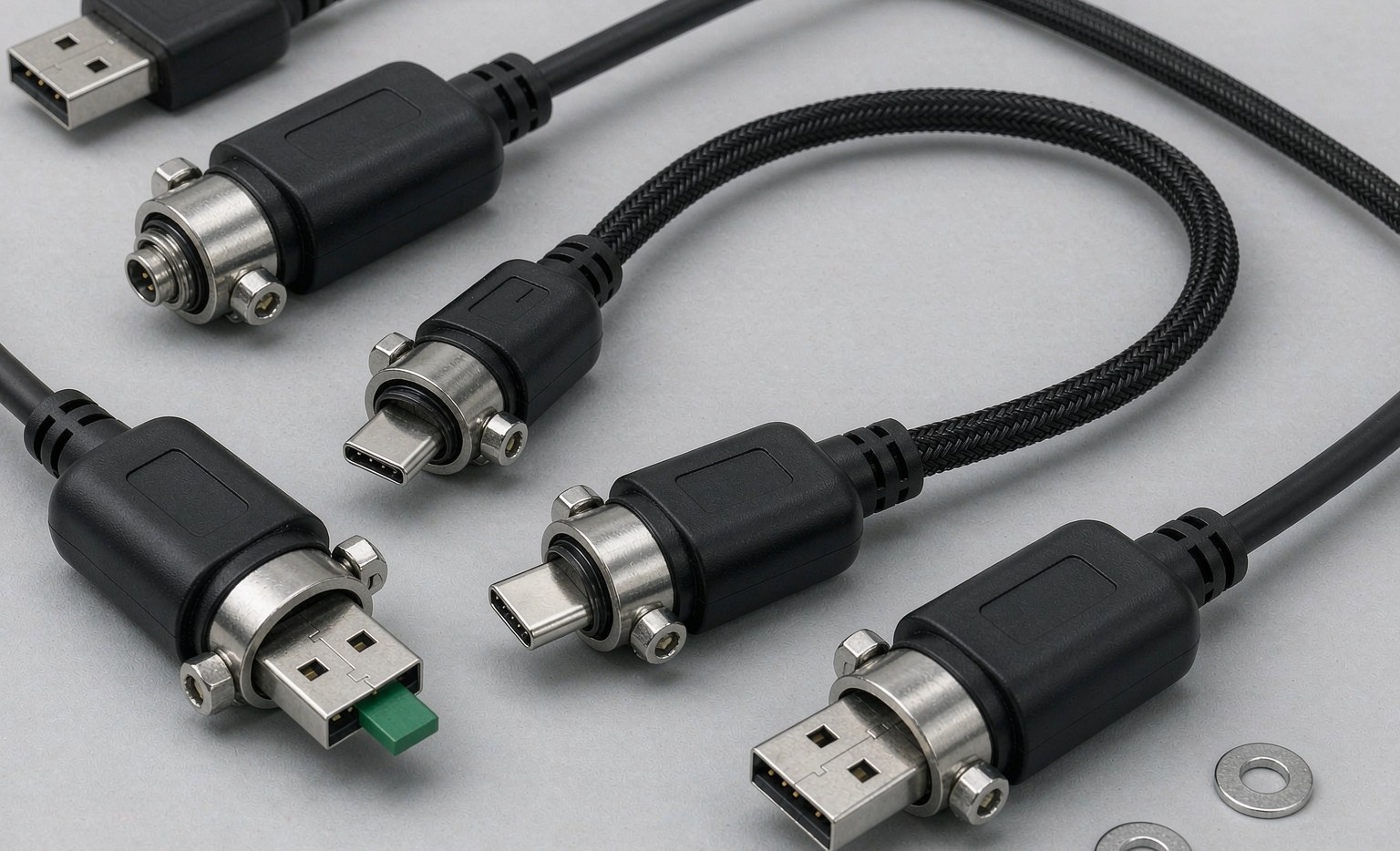
Automotive electronics wiring harnesses are complex assemblies of wires, connectors, and terminals that facilitate the transmission of electrical signals and power throughout a vehicle. The design of these wiring harnesses is crucial for ensuring the reliability, safety, and performance of modern vehicles. A well-designed wiring harness can improve the overall efficiency of the vehicle’s electrical system, reduce the risk of electrical failures, and enhance the driving experience. For more information on high-performance wiring harnesses, visit High-Speed Cable Assemblies for Automotive Applications: Enhancing Performance and Reliability.
For instance, a typical modern vehicle may have over a mile of wiring, with numerous connectors and terminals. The wiring harness must be carefully designed to manage this complexity, ensuring that all components are properly connected and that the electrical signals are transmitted reliably. In addition, the wiring harness must be designed to withstand the harsh conditions found in vehicles, including extreme temperatures, vibrations, and exposure to chemicals.
To illustrate the importance of wiring harness design, consider the case of a vehicle manufacturer that experienced a significant reduction in warranty claims after implementing a new wiring harness design. The new design featured improved insulation, more robust connectors, and a more efficient routing system, resulting in a significant improvement in overall reliability. Examples of specialized wiring harnesses can be found at Specialized Cable Assemblies for Electronics: Performance and Reliability Solutions.
Another example is the use of wiring harnesses in electric vehicles (EVs). EVs require complex wiring harnesses to manage the high-voltage electrical systems, including the battery management system, electric motor, and charging system. A well-designed wiring harness is critical to ensuring the safe and efficient operation of these systems. For more details on custom-designed cable interconnects for automotive systems, see Custom-Designed Cable Interconnects for Automotive Systems: Enhancing Performance and Reliability.
Key Considerations in Automotive Electronics Wiring Harnesses Design
- Electrical Requirements: Understanding the electrical needs of various vehicle systems, including lighting, infotainment, and safety features.
- Space Constraints: Optimizing wiring harnesses to fit within the limited space available in modern vehicles.
- Environmental Factors: Designing wiring harnesses to withstand extreme temperatures, vibrations, and exposure to chemicals.
- Material Selection: Choosing materials that meet the required standards for durability, conductivity, and insulation.
- Electromagnetic Compatibility (EMC): Ensuring that the wiring harness is designed to minimize electromagnetic interference (EMI) and ensure reliable data transmission.
- Reliability and Durability: Ensuring that the wiring harness is designed to withstand the rigors of vehicle operation and minimize the risk of electrical failures.
- Manufacturability and Maintainability: Designing wiring harnesses that are easy to manufacture and maintain, reducing production costs and minimizing downtime.
- Thermal Management: Managing heat generation and dissipation in wiring harnesses to prevent overheating and ensure reliable operation.
- Signal Integrity: Ensuring that the wiring harness is designed to maintain signal integrity and prevent data corruption or loss.
| Design Factor | Description |
|---|---|
| Electrical Requirements | Understanding the electrical needs of various vehicle systems |
| Space Constraints | Optimizing wiring harnesses to fit within limited space |
| Environmental Factors | Designing wiring harnesses to withstand harsh conditions |
| Material Selection | Choosing materials that meet required standards |
| EMC | Minimizing electromagnetic interference and ensuring reliable data transmission |
| Thermal Management | Managing heat generation and dissipation in wiring harnesses |
| Signal Integrity | Maintaining signal integrity and preventing data corruption or loss |
Design Steps for Automotive Electronics Wiring Harnesses
- Step 1: Define the electrical requirements and specifications for the wiring harness.
- Step 2: Create a detailed design concept, including the routing and bundling of wires.
- Step 3: Select the materials and components required for the wiring harness.
- Step 4: Validate the design using simulation tools and testing protocols.
- Step 5: Prototype and test the wiring harness to ensure compliance with design specifications.
- Step 6: Refine the design based on test results and production feedback.
- Step 7: Document the design and manufacturing process to ensure repeatability and quality control.
To ensure a successful design, it is essential to follow a structured design process, involving cross-functional teams and utilizing advanced design tools and simulation software.
For example, computer-aided design (CAD) software can be used to create detailed designs and simulate the performance of the wiring harness. Additionally, finite element analysis (FEA) can be used to analyze the thermal and mechanical stresses on the wiring harness.
Challenges in Designing Automotive Electronics Wiring Harnesses
Designing wiring harnesses for automotive applications poses several challenges, including managing complexity, ensuring reliability, and meeting stringent safety standards.
- Managing the complexity of modern vehicle electrical systems.
- Ensuring the reliability and durability of wiring harnesses.
- Meeting safety standards and regulations.
- Reducing production costs and minimizing environmental impact.
- Keeping pace with rapidly evolving vehicle technologies and architectures.
- Managing the impact of electromagnetic interference (EMI) on wiring harnesses.
- Ensuring the security of vehicle electrical systems against cyber threats.
To overcome these challenges, designers must stay up-to-date with the latest industry trends, technologies, and best practices, and be prepared to innovate and adapt to changing requirements.
Best Practices for Automotive Electronics Wiring Harnesses Design
- Modular Design: Adopting a modular approach to simplify the design and manufacturing process.
- Simulation and Testing: Utilizing simulation tools and rigorous testing protocols to validate design integrity.
- Material Innovation: Staying abreast of advancements in materials science to improve wiring harness performance.
- Design for Manufacturability: Designing wiring harnesses that are easy to manufacture and assemble.
- Design for Maintainability: Designing wiring harnesses that are easy to maintain and repair.
- Design for Testability: Designing wiring harnesses that are easy to test and diagnose.
- Collaboration and Communication: Fostering collaboration and communication among cross-functional teams to ensure design integrity and quality.
| Best Practice | Benefit |
|---|---|
| Modular Design | Simplifies design and manufacturing process |
| Simulation and Testing | Validates design integrity and optimizes performance |
| Material Innovation | Improves wiring harness performance and reliability |
| Design for Manufacturability | Reduces production costs and improves quality |
| Design for Maintainability | Reduces maintenance costs and improves reliability |
Frequently Asked Questions (FAQs)
- Q: What is the importance of wiring harness design in automotive electronics?
- A: Wiring harness design is crucial for ensuring the reliability, safety, and performance of modern vehicles.
- Q: What are the key considerations in automotive electronics wiring harnesses design?
- A: Key considerations include electrical requirements, space constraints, environmental factors, material selection, and EMC.
- Q: What are the challenges in designing automotive electronics wiring harnesses?
- A: Challenges include managing complexity, ensuring reliability, and meeting safety standards.
- Q: What are the benefits of modular design in wiring harness design?
- A: Modular design simplifies the design and manufacturing process, reducing production costs and improving quality.
- Q: How can simulation and testing improve wiring harness design?
- A: Simulation and testing can validate design integrity, optimize performance, and reduce the risk of electrical failures.
Future Trends in Automotive Electronics Wiring Harnesses
The automotive industry is witnessing a shift towards more sophisticated electrical architectures.
- The use of high-speed data transmission protocols.
- The integration of advanced materials and technologies.
- The adoption of modular and flexible wiring harness designs.
- The increasing use of automation and robotics in wiring harness manufacturing.
- The growing importance of cybersecurity in vehicle electrical systems.
- The development of autonomous vehicles and their impact on wiring harness design.
- The increasing use of electric vehicles and their impact on wiring harness design.


As the automotive industry continues to evolve, wiring harness design will play an increasingly critical role in enabling the development of safe, reliable, and high-performance vehicles.