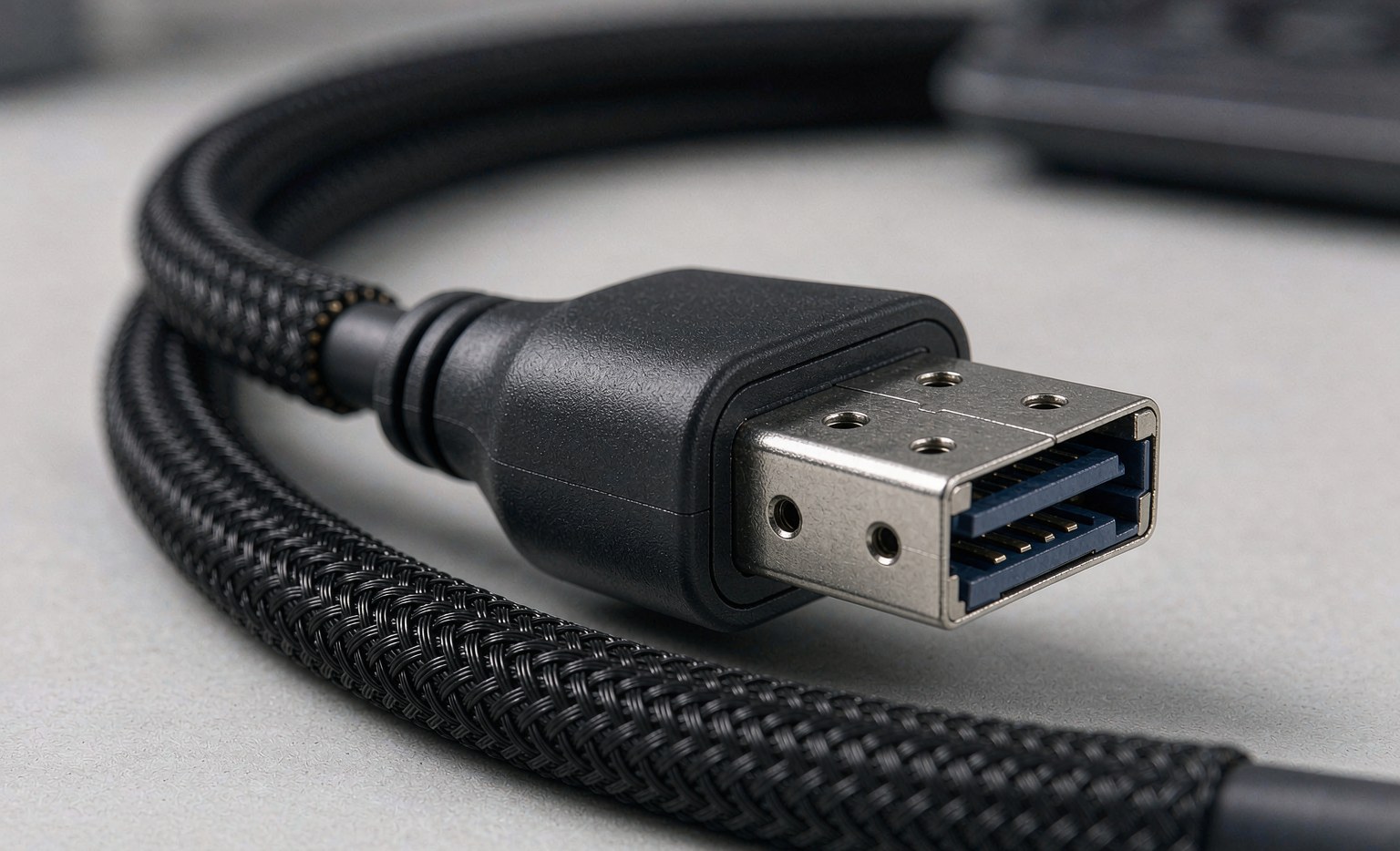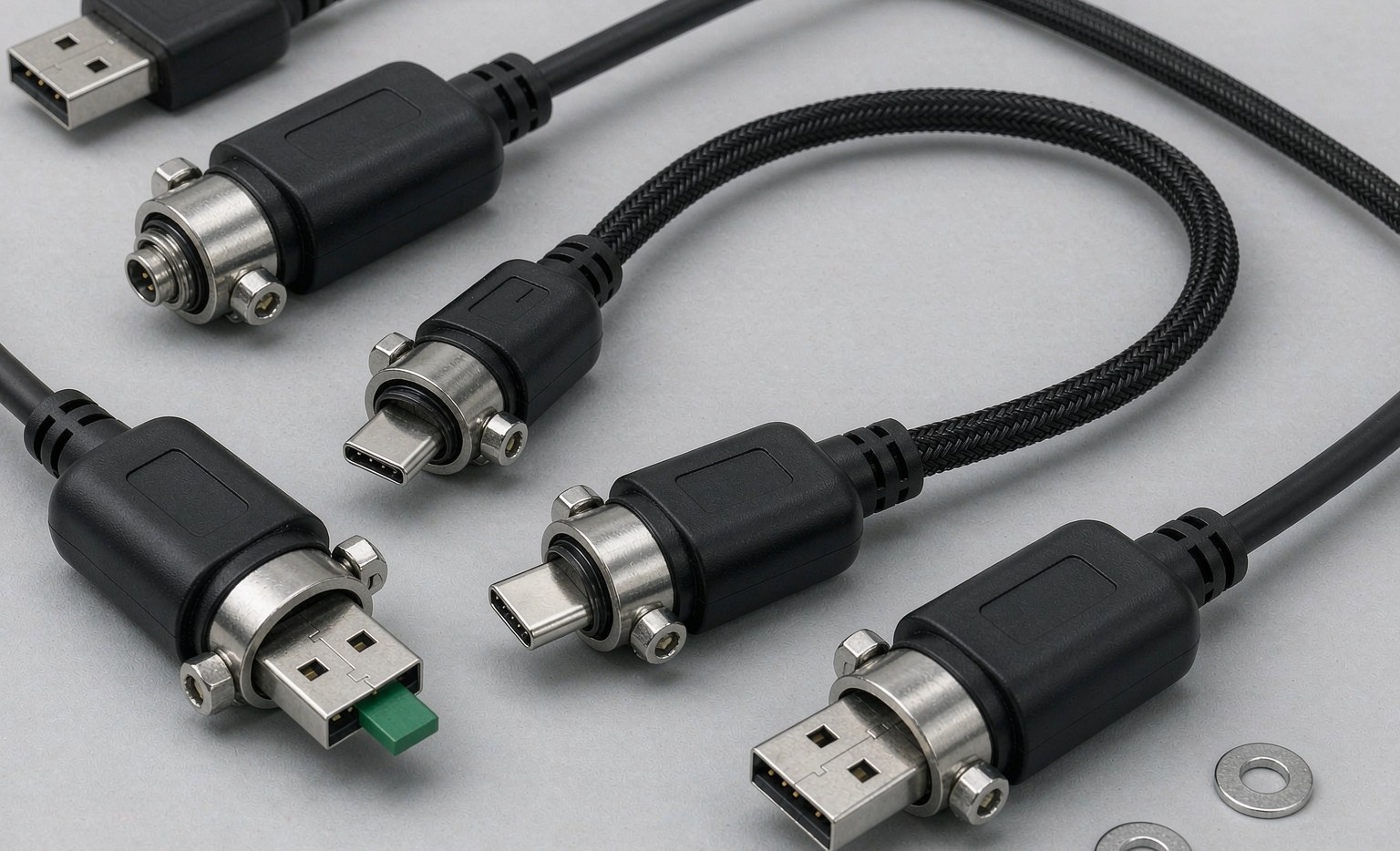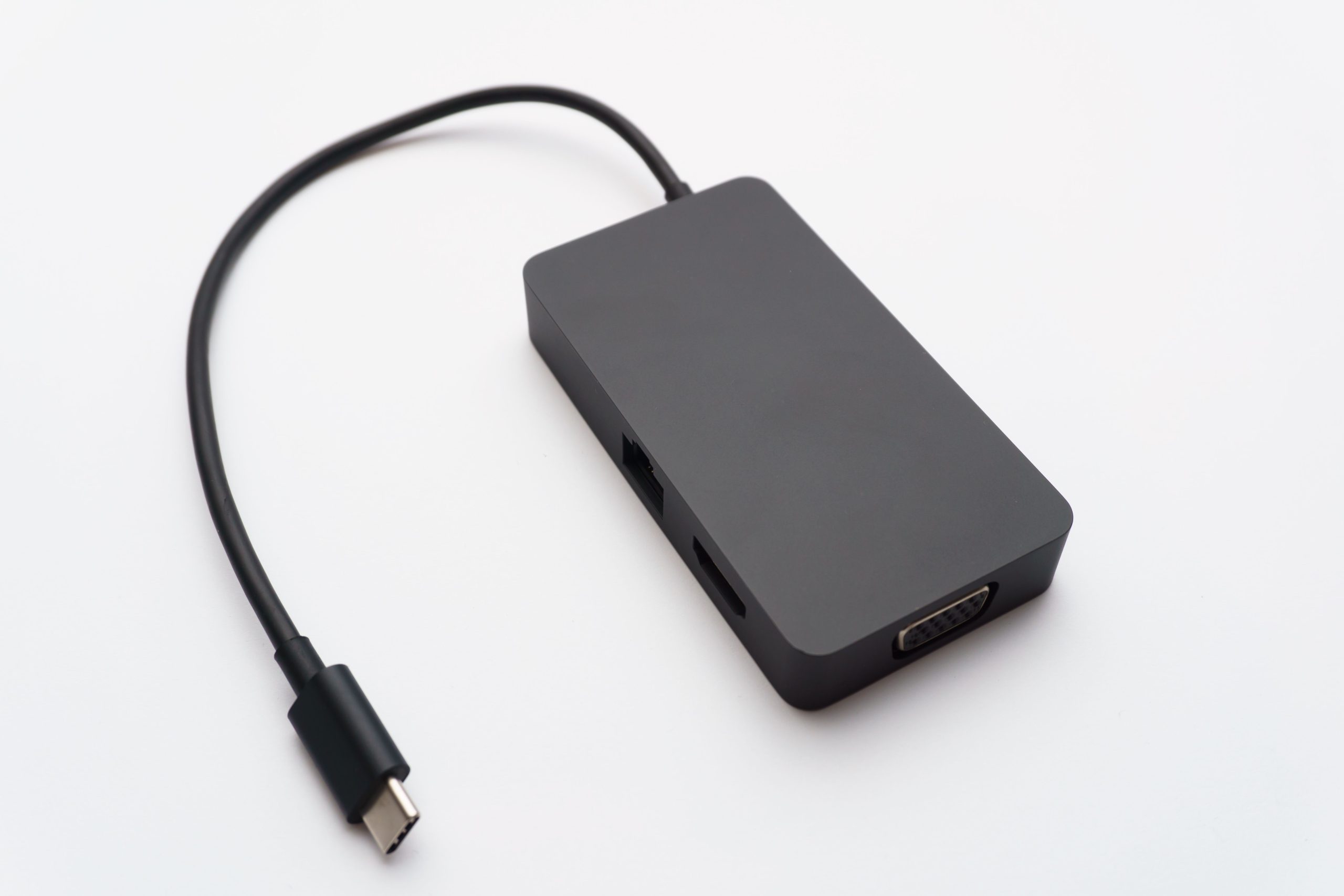
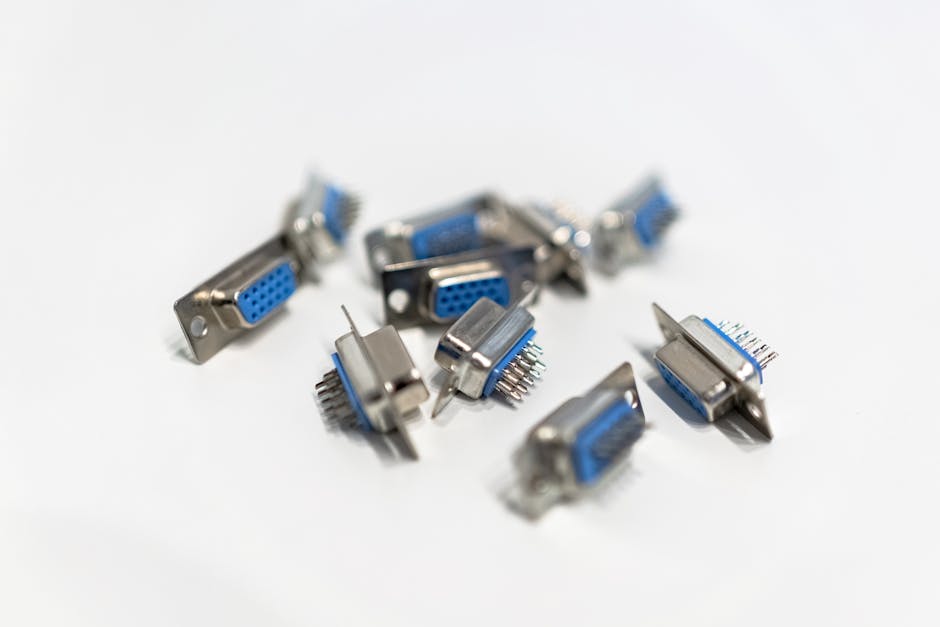
The automotive industry is rapidly evolving, with advancements in technology driving the demand for high-speed data transmission and connectivity. High-speed cable assemblies play a crucial role in this landscape, enabling the efficient transfer of data between various components and systems within vehicles. As the industry continues to innovate, the importance of reliable and high-performance cable assemblies cannot be overstated. For instance, the increasing adoption of autonomous vehicles, advanced driver-assistance systems (ADAS), and electric vehicles (EVs) relies heavily on the performance of high-speed cable assemblies. High-Performance Industrial Camera Cable Solutions: Why Longkai is the Trusted Supplier for Machine Vision provides insights into the importance of high-quality cable solutions.
Applications of High-Speed Cable Assemblies in Automotive
- Infotainment and Navigation Systems: High-speed cable assemblies enable the seamless transfer of data for in-car entertainment, navigation, and connectivity. For example, they support the high-definition video transmission required for rear-seat entertainment systems. Some common protocols used in infotainment systems include Automotive Ethernet and HDMI.
- Advanced Driver-Assistance Systems (ADAS): Cable assemblies support the high-speed data transmission required for ADAS features such as lane departure warning, adaptive cruise control, and automatic emergency braking. The use of high-speed cable assemblies in ADAS enables the rapid processing of sensor data, enhancing vehicle safety.
- Autonomous Driving Technologies: High-speed cable assemblies facilitate the transfer of large amounts of data from various sensors and cameras, enabling the development of autonomous vehicles. The data transfer rates required for autonomous driving are significantly higher than those for traditional automotive applications.
- Vehicle-to-Everything (V2X) Communication: Cable assemblies play a critical role in V2X communication, enabling vehicles to communicate with other vehicles, infrastructure, and pedestrians. This enhances safety and supports the development of smart transportation systems. V2X communication relies on high-speed data transfer to enable real-time communication.
- Electric Vehicle (EV) Charging Systems: High-speed cable assemblies are used in EV charging systems to enable fast and efficient data transfer between the vehicle and the charging infrastructure. This supports the development of fast-charging systems and enhances the overall charging experience.
These applications require high-speed cable assemblies that can support fast data transfer rates and minimize signal degradation. The following table highlights some common protocols used in automotive applications and their corresponding data transfer rates:
| Protocol | Data Transfer Rate |
|---|---|
| Automotive Ethernet | Up to 1 Gbps (Gigabit Ethernet) or even 10 Gbps (10-Gigabit Ethernet) |
| CAN FD (Controller Area Network Flexible Data-Rate) | Up to 5 Mbps |
| LIN (Local Interconnect Network) | Up to 20 kbps |
| FlexRay | Up to 10 Mbps |
| SerDes (Serializer/Deserializer) | Up to several Gbps |
When designing high-speed cable assemblies for automotive applications, it is essential to consider the specific requirements of each protocol and ensure that the cable assembly can support the required data transfer rates. Signal Integrity: The Unseen Factor Defining High-Speed Cable Performance highlights the importance of signal integrity in high-speed cable assemblies.
Key Considerations for High-Speed Cable Assemblies in Automotive
- Signal Integrity: Ensuring that signals are transmitted with minimal degradation or distortion is crucial. This involves careful design and testing of the cable assembly to minimize signal loss and electromagnetic interference (EMI). Techniques such as shielding, twisting, and routing can help maintain signal integrity.
- Data Transfer Rate: Supporting high data transfer rates is essential to meet the demands of advanced automotive systems. Cable assemblies must be designed to handle the required data transfer rates without compromising signal integrity. The selection of materials and design of the cable assembly play a critical role in achieving high data transfer rates.
- Durability and Reliability: Cable assemblies must withstand the harsh environments and conditions found in vehicles, including temperature extremes, vibration, and exposure to chemicals. The use of durable materials and robust design can help ensure the reliability of the cable assembly.
- Compliance with Automotive Standards: Cable assemblies must meet specific standards and regulations governing the automotive industry, such as those related to safety, EMC, and environmental sustainability. Suppliers must ensure that their products comply with relevant standards, such as ISO 14572 and AEC-Q100.
- Shielding and EMI Protection: Effective shielding is critical to prevent EMI and ensure signal integrity. Cable assemblies must be designed with adequate shielding to protect against external interference. The use of shielding materials, such as foil or braided shields, can help minimize EMI.
Design and Manufacturing Considerations
To ensure the reliability and performance of high-speed cable assemblies, manufacturers must consider several factors during the design and manufacturing process:
- Material Selection: The choice of materials for the cable assembly, including the conductors, insulation, and shielding, is critical to its performance and durability. The selection of materials must be based on the specific requirements of the application, including temperature range, flexibility, and resistance to chemicals.
- Cable Routing and Management: Careful planning of cable routing and management is necessary to minimize signal degradation and ensure reliable connectivity. The use of cable ties, clips, and other routing components can help manage the cable assembly and reduce the risk of damage.
- Connector Selection: The selection of connectors that are compatible with the cable assembly and meet the required performance standards is essential. Connectors must be designed to withstand the harsh environments found in vehicles and provide reliable connectivity.
- Testing and Validation: Rigorous testing and validation procedures are necessary to ensure that the cable assembly meets the required performance and reliability standards. Testing may include environmental testing, signal integrity testing, and EMC testing.
- Manufacturing Process: The manufacturing process must be designed to ensure the consistent production of high-quality cable assemblies. This includes the use of automated manufacturing equipment and strict quality control procedures.
Benefits of High-Speed Cable Assemblies in Automotive
- Enhanced Performance: High-speed cable assemblies enable the efficient transfer of data, supporting the development of advanced automotive systems. The use of high-speed cable assemblies can enhance the performance of systems such as ADAS and autonomous driving.
- Improved Reliability: Cable assemblies designed for high-speed data transmission can minimize signal degradation and ensure reliable connectivity. This can help reduce the risk of system failures and improve overall vehicle reliability.
- Enablement of Advanced Features: High-speed cable assemblies facilitate the development of sophisticated and connected vehicles, enabling features such as autonomous driving and V2X communication. The use of high-speed cable assemblies can help enable the development of future automotive technologies.
- Reduced Weight and Complexity: High-density cable assemblies can help reduce the weight and complexity of wiring harnesses, contributing to improved fuel efficiency and reduced production costs. The use of high-speed cable assemblies can also help simplify the overall design of the vehicle’s electrical system.
- Future-Proofing: By supporting high-speed data transmission, cable assemblies can help future-proof vehicles against emerging technologies and applications. The use of high-speed cable assemblies can provide a platform for the development of future automotive systems.

Frequently Asked Questions (FAQs)
- Q: What are the key challenges in designing high-speed cable assemblies for automotive applications?
- A: The key challenges include ensuring signal integrity, supporting high data transfer rates, and meeting the required durability and reliability standards. Additionally, cable assemblies must comply with relevant automotive standards and regulations.
- Q: How do high-speed cable assemblies support the development of autonomous vehicles?
- A: High-speed cable assemblies facilitate the transfer of large amounts of data from various sensors and cameras, enabling the development of autonomous vehicles. The use of high-speed cable assemblies can help support the high data transfer rates required for autonomous driving.
- Q: What are the benefits of using high-speed cable assemblies in electric vehicle (EV) charging systems?
- A: High-speed cable assemblies enable fast and efficient data transfer between the vehicle and the charging infrastructure, supporting the development of fast-charging systems. The use of high-speed cable assemblies can help enhance the overall charging experience and support the widespread adoption of EVs.
- Q: How can I ensure that my high-speed cable assembly meets the required automotive standards?
- A: To ensure compliance with automotive standards, it is essential to work with a supplier that has experience in the automotive industry and is familiar with relevant standards and regulations. Additionally, the cable assembly must be designed and tested to meet the required performance and reliability standards.
Selecting a Trusted Supplier for High-Speed Cable Assemblies
When sourcing high-speed cable assemblies for automotive applications, selecting a trusted supplier is paramount. Consider the following factors when evaluating potential suppliers:
- Experience in the Automotive Industry: Look for suppliers with a proven track record in the automotive industry. A supplier with experience in the industry is more likely to understand the specific requirements of automotive applications.
- Compliance with Automotive Standards: Ensure that the supplier meets the required automotive standards and regulations. A supplier that is compliant with relevant standards can help ensure that the cable assembly meets the required performance and reliability standards.
- Ability to Provide Customized Solutions: A supplier that can provide customized solutions can help meet specific application requirements. The ability to customize the cable assembly can be critical in meeting the unique requirements of automotive applications.
- Quality of Products and Testing Procedures: Evaluate the supplier’s product quality and testing procedures to ensure they meet the required standards. A supplier with robust testing procedures can help ensure that the cable assembly meets the required performance and reliability standards.
- Technical Support and Expertise: Consider the supplier’s technical support and expertise in high-speed cable assemblies. A supplier with technical expertise can help support the design and development of the cable assembly and provide guidance on relevant standards and regulations.
By considering these factors and working with a trusted supplier, manufacturers can ensure that their high-speed cable assemblies meet the required performance and reliability standards for automotive applications. Optimizing Industrial Connectivity with High-Performance D-USB Cable Assemblies: Choosing a Trusted Supplier provides additional insights into selecting a trusted supplier for cable assemblies.