Choosing the Right Gold-Plated Connector Interface Cables
Understanding Gold-Plated Connector Interface Cables
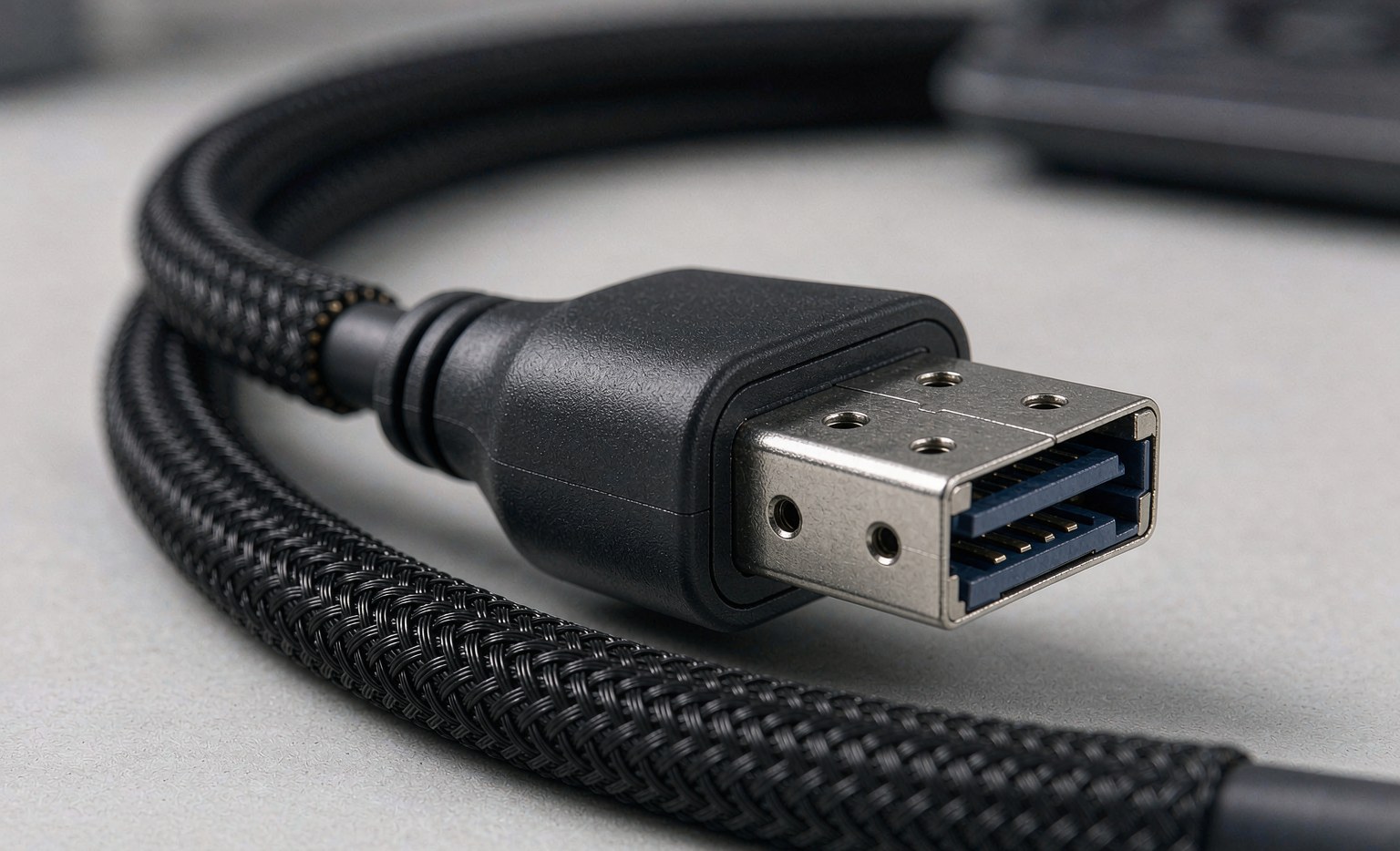
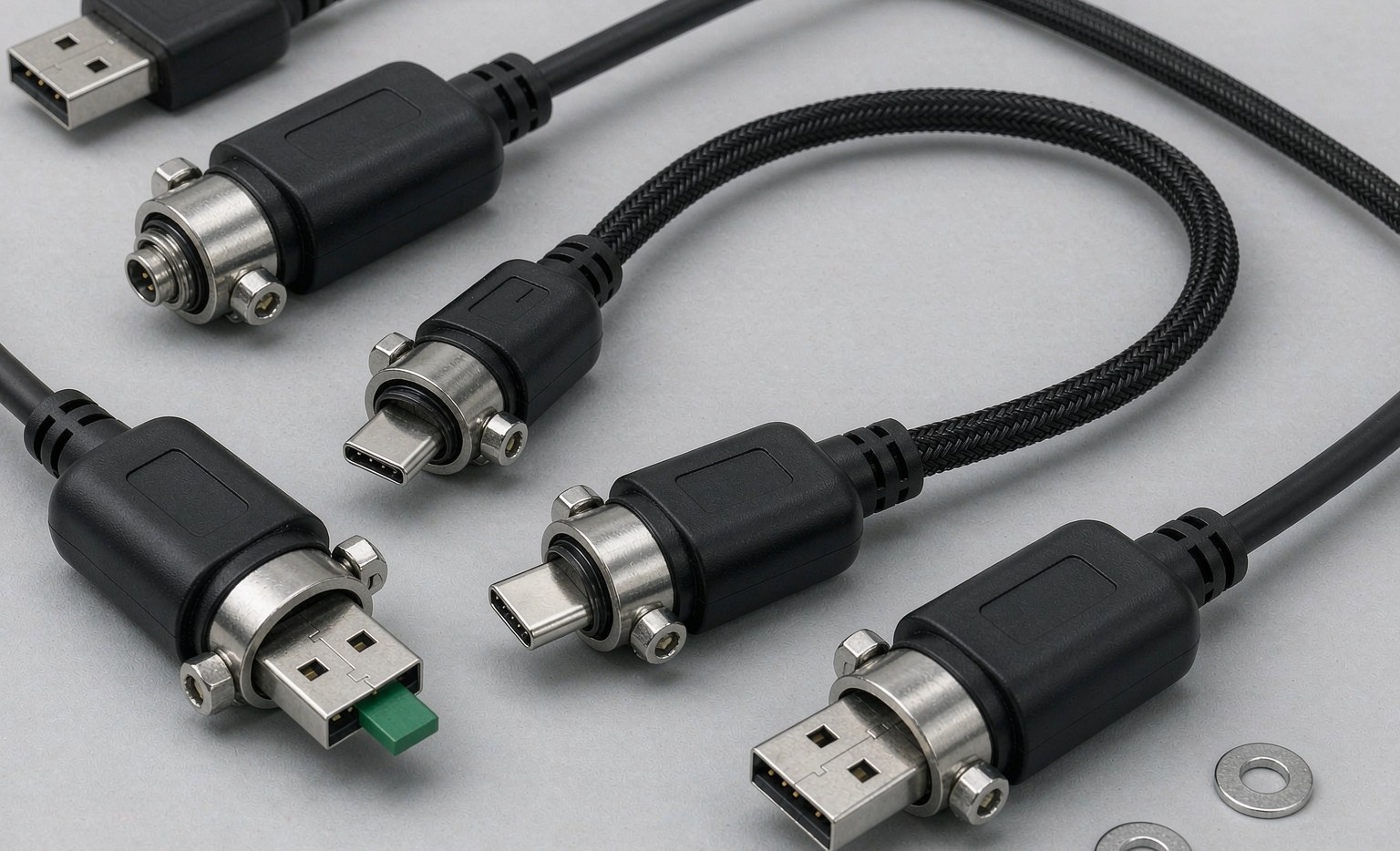
Gold-plated connector interface cables provide high-quality connections between devices, ensuring optimal data transfer and signal integrity. The gold plating enhances corrosion resistance and reduces contact resistance, resulting in reliable performance. For instance, in data centers, gold-plated cables can withstand the rigors of frequent connections and disconnections, minimizing downtime and ensuring continuous data transfer. In addition, gold-plated cables are also beneficial in applications where devices are exposed to harsh environmental conditions, such as extreme temperatures, humidity, or vibration. To learn more about choosing the right peripheral data cables, refer to Choosing the Right Peripheral Data Cables for Optimal Performance.
These cables are beneficial in various scenarios:
- High-speed data transfer applications, such as data centers or high-performance computing environments, where data transfer rates are critical.
- Environments with high levels of electromagnetic interference (EMI), such as industrial settings or areas with high radio frequency interference (RFI).
- Applications where devices are frequently connected and disconnected, such as in test and measurement equipment or in environments with high device turnover.
- Industrial automation applications in harsh environments, such as manufacturing floors or outdoor settings, where cables are exposed to extreme temperatures, chemicals, or physical stress.
- Medical device applications, where reliable data transfer and signal integrity are critical for patient care.
- Aerospace and defense applications, where high-reliability connections are essential for mission-critical systems.
- Video transmission applications, such as broadcasting or video production environments, where high-quality video signals are required.
- Audio applications, such as professional audio equipment or high-fidelity audio systems, where signal integrity is crucial.
Key Considerations for Choosing Gold-Plated Connector Interface Cables
- Application Requirements: Identify the specific application and device types. For example, USB cables for peripherals or SAS cables for high-speed data transfer, such as SCSI connector/MCR ribbon: SCSI 40P connector punctures the assembly body.
- Data Transfer Speed: Consider the required data transfer speed. Different cables support different speeds, such as USB 2.0 (up to 480 Mbps) or HDMI 2.1 (up to 48 Gbps).
- Connector Type: Ensure compatibility with devices. Common connector types include USB, HDMI, SAS, SATA, M12, and M23.
- Cable Quality: Assess materials and construction. Look for cables with durable jackets, secure connectors, and high-quality gold plating.
- Cable Length and Flexibility: Consider required length and flexibility. Longer cables may be more prone to signal degradation, while flexible cables can be easier to route and manage.
- Environmental Conditions: Consider temperature, humidity, and exposure to chemicals or vibration. Cables in harsh environments may require additional protection or specialized materials.
- Certifications and Compliance: Verify cable certifications, such as UL or ETL certification, and ensure compliance with relevant industry standards.
- Shielding and Noise Reduction: Consider cables with shielding or noise reduction features to minimize electromagnetic interference (EMI) or radio frequency interference (RFI).
| Cable Type | Data Transfer Speed | Connector Type | Environmental Conditions |
|---|---|---|---|
| USB Peripheral Data Cables | Up to 480 Mbps | USB | Indoor, moderate temperature |
| High-Speed Data Transfer Cables | Up to 100 Gbps | SAS, HDMI | Data centers, high-temperature environments |
| Industrial Automation Cables | Up to 10 Gbps | M12, M23 | Harsh environments, outdoor settings |
| Video Transmission Cables | Up to 48 Gbps | HDMI, DisplayPort | Broadcasting, video production environments |
| Medical Device Cables | Up to 1 Gbps | USB, Ethernet | Medical facilities, high-reliability environments |
| Aerospace and Defense Cables | Up to 10 Gbps | MIL-STD connectors | Aerospace and defense environments, harsh conditions |
Benefits of Gold-Plated Connector Interface Cables
Gold-plated connector interface cables offer several benefits, including those highlighted in High-Speed Data Transfer Cables: Enhancing Performance in Modern Computing:
- Enhanced corrosion resistance, reducing the risk of signal degradation or connection failure.
- Reduced contact resistance, ensuring reliable data transfer and signal integrity.
- Improved signal integrity, minimizing errors or data loss.
- Increased durability, withstanding frequent connections and disconnections.
- Compatibility with various devices and applications, making them a versatile solution.
- Reduced maintenance costs, as gold-plated cables can withstand harsh environments and reduce the need for frequent replacements.
- High-speed data transfer capabilities, supporting applications that require fast data transfer rates.
Best Practices for Selecting Gold-Plated Connector Interface Cables
To ensure optimal performance, follow these best practices:
- Consult with manufacturers or suppliers to determine the best cable for your specific application.
- Verify cable specifications and certifications, such as UL or ETL certification.
- Consider cable length, flexibility, and environmental conditions when selecting a cable.
- Test cables before deployment to ensure they meet performance requirements.
- Regularly inspect and maintain cables to prevent damage or degradation.
- Document cable installations and maintenance records to track performance and identify potential issues.
- Consider factors such as cable routing, management, and security when deploying cables.
- Plan for cable upgrades or replacements as needed to ensure continued optimal performance.
Step-by-Step Guide to Choosing the Right Gold-Plated Connector Interface Cables
- Identify your specific application and device types.
- Determine the required data transfer speed and connector type.
- Assess the environmental conditions and required cable durability.
- Research and compare different cable options, considering factors such as quality, price, and certifications.
- Consult with manufacturers or suppliers to determine the best cable for your application.
- Test and validate the selected cable to ensure it meets performance requirements.
- Plan for cable deployment, including routing, management, and security.
- Regularly inspect and maintain cables to ensure optimal performance.
- Consider factors such as cable flexibility, bend radius, and strain relief when deploying cables.
Frequently Asked Questions (FAQs)
- Q: What are the advantages of using gold-plated connector interface cables? A: Enhanced corrosion resistance, reduced contact resistance, improved signal integrity, and increased durability.
- Q: How do I choose the right gold-plated connector interface cables? A: Consider application requirements, data transfer speed, connector type, cable quality, and environmental conditions.
- Q: What is the difference between gold-plated and silver-plated connectors? A: Gold plating provides better corrosion resistance and is generally more suitable for high-reliability applications.
- Q: Can I use gold-plated connector interface cables in harsh environments? A: Yes, gold-plated cables can be designed for harsh environments, but it’s essential to select cables with suitable materials and construction.
- Q: How do I ensure the quality of gold-plated connector interface cables? A: Look for cables with reputable manufacturers, verify certifications, and test cables before deployment.
- Q: What are the common applications of gold-plated connector interface cables? A: Data centers, industrial automation, medical devices, aerospace and defense, and high-speed data transfer applications.
- Q: How do I troubleshoot issues with gold-plated connector interface cables? A: Inspect cables for damage, verify connections, test for signal integrity, and consider upgrading to higher-quality cables or improving cable routing and management.


Case Studies: Successful Implementations of Gold-Plated Connector Interface Cables
Several organizations have successfully implemented gold-plated connector interface cables in various applications:
- A data center used gold-plated SAS cables to improve data transfer rates and reduce downtime.
- An industrial automation company used gold-plated M12 cables to withstand harsh environmental conditions.
- A medical device manufacturer used gold-plated USB cables to ensure reliable data transfer and signal integrity.
- A broadcasting company used gold-plated HDMI cables to ensure high-quality video transmission.
- Aerospace and defense organizations have used gold-plated connector interface cables in mission-critical systems.
- A high-performance computing environment used gold-plated InfiniBand cables to achieve high-speed data transfer rates.
Troubleshooting Common Issues with Gold-Plated Connector Interface Cables
Common issues with gold-plated connector interface cables include:
- Signal degradation or loss due to poor cable quality or improper installation.
- Connection failures due to corrosion or wear and tear.
- Interference or crosstalk due to inadequate shielding or cable routing.
- Cable damage or degradation due to environmental factors or physical stress.
To troubleshoot these issues, follow these steps:
- Inspect cables for damage or wear and tear.
- Verify cable connections and ensure proper installation.
- Test cables for signal integrity and performance.
- Consider upgrading to higher-quality cables or improving cable routing and management.
- Regularly inspect and maintain cables to prevent damage or degradation.
- Document cable installations and maintenance records to track performance and identify potential issues.
Maintenance and Inspection of Gold-Plated Connector Interface Cables
Regular maintenance and inspection of gold-plated connector interface cables are crucial to ensure optimal performance and extend their lifespan:
- Regularly inspect cables for signs of damage or wear and tear.
- Clean cables and connectors to prevent corrosion or contamination.
- Verify cable connections and ensure proper installation.
- Test cables for signal integrity and performance.
- Document cable installations and maintenance records to track performance and identify potential issues.
- Consider implementing a cable management system to track and manage cables.