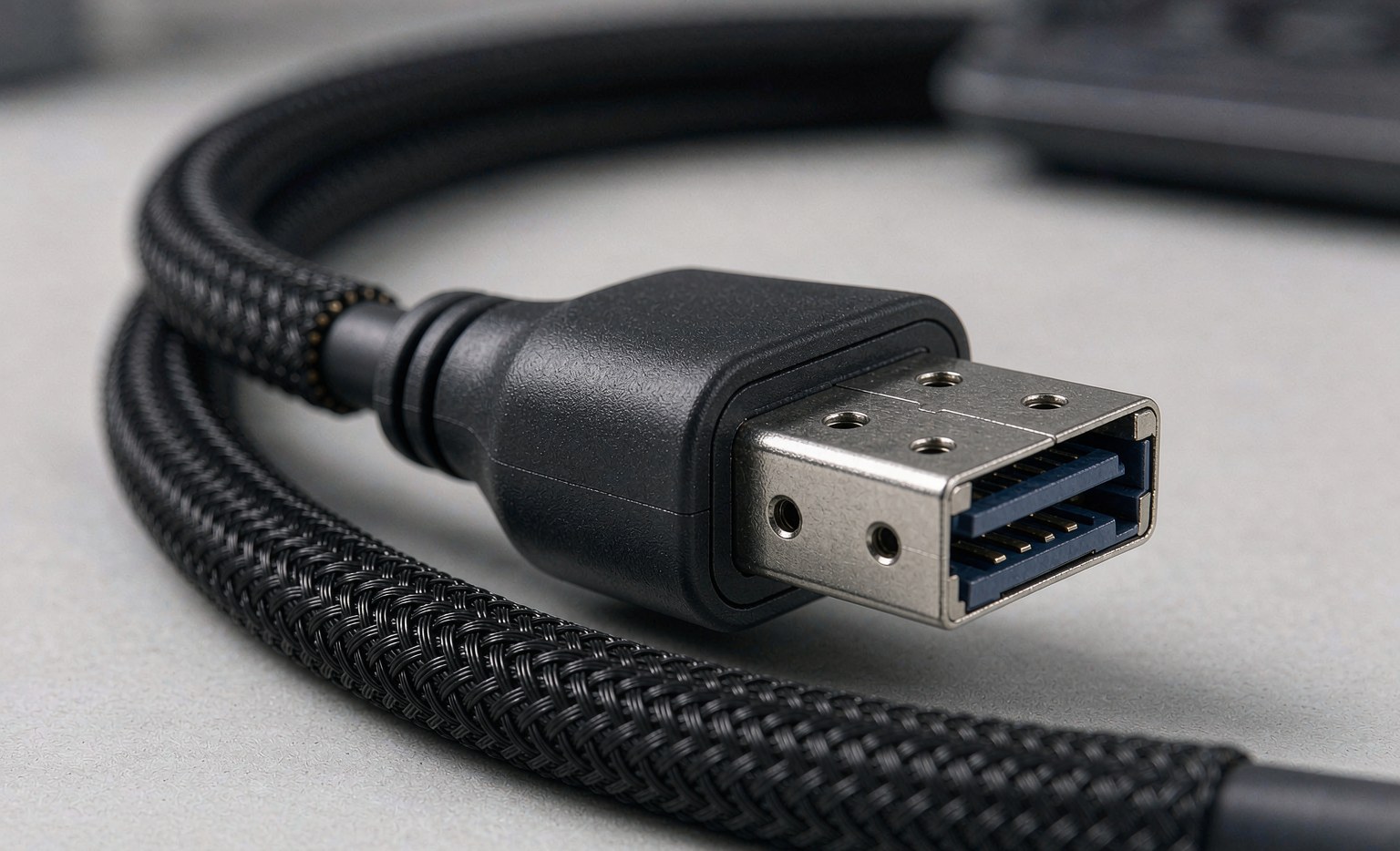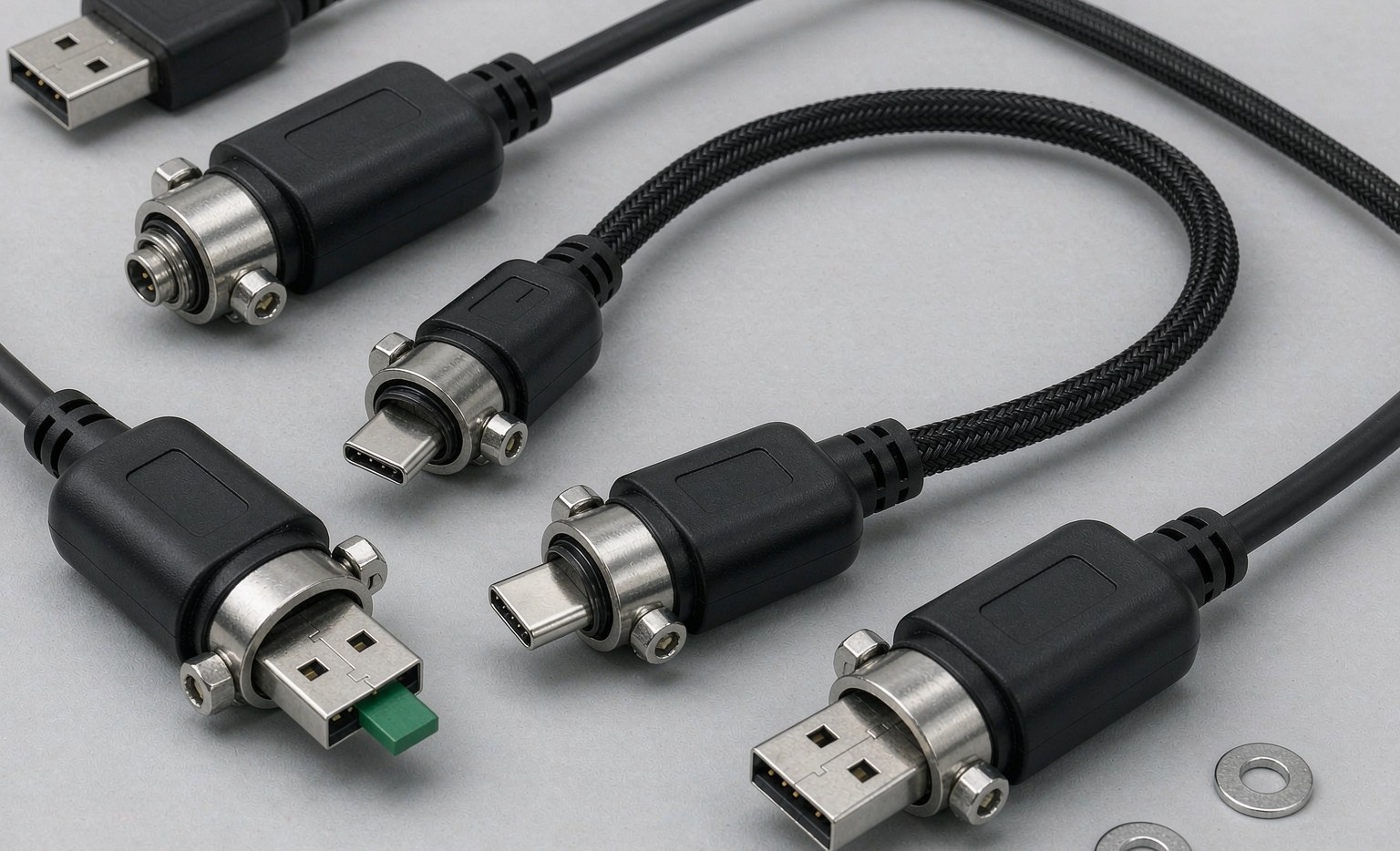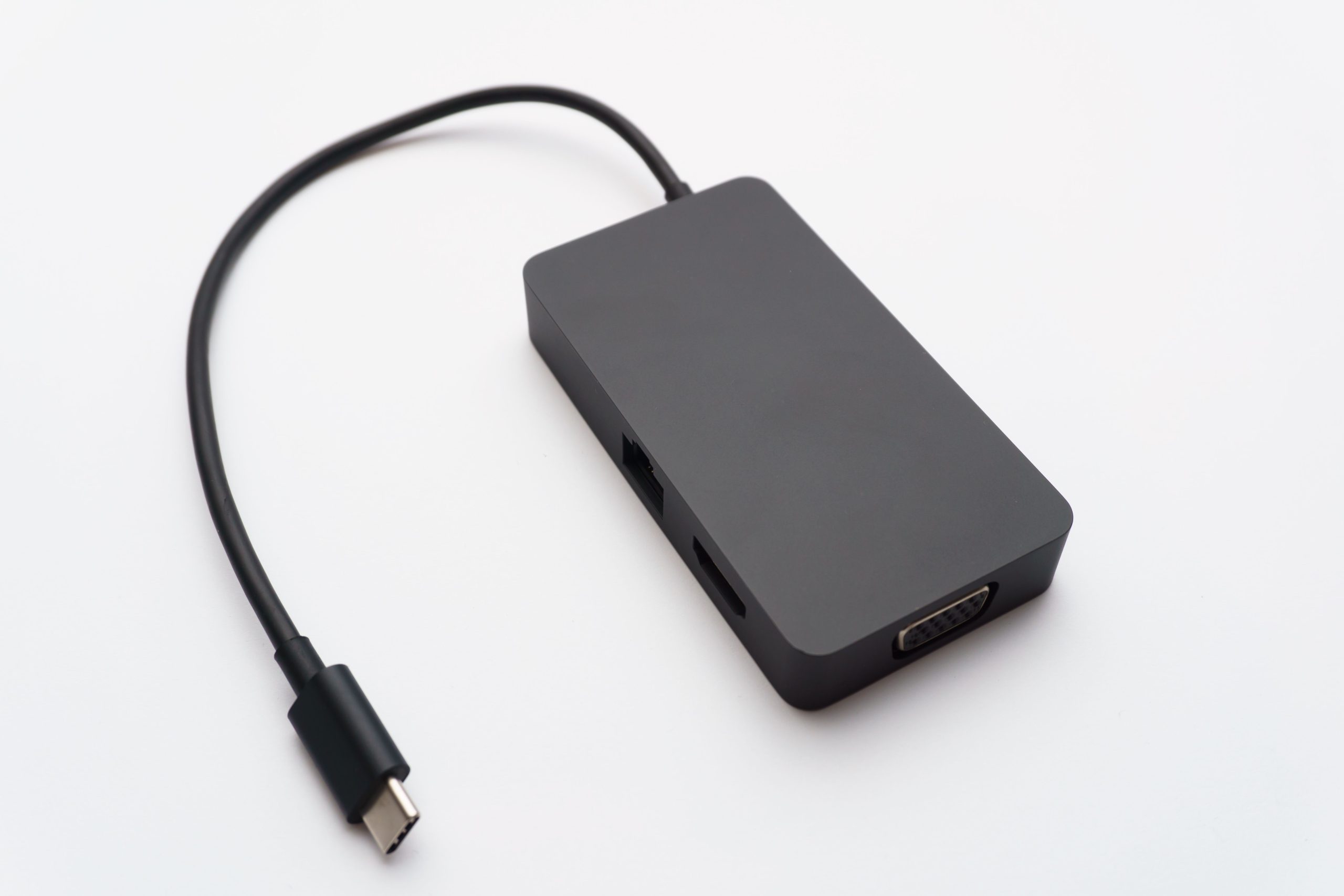
Right-angle data cable assemblies play a crucial role in the development and functionality of medical devices. These assemblies are designed to provide reliable data transmission and enhance the overall performance of medical equipment. The importance of these cable assemblies cannot be overstated, as they directly impact the accuracy and reliability of medical data, which in turn affects patient care and outcomes. For more information on the importance of data cables in medical devices, see Data Cables for Medical Equipment: Ensuring Reliable Data Transmission.
Design and Manufacturing Process
The design and manufacturing process of right-angle data cable assemblies involves several critical steps, including:
- Material selection and sourcing: Choosing materials that meet the required standards for medical devices, such as biocompatibility and durability. For instance, medical-grade materials like PVC, TPE, or silicone are often used due to their biocompatibility and resistance to chemicals.
- Cable design and simulation: Designing the cable assembly to meet the specific requirements of the medical device, including signal transmission speed and accuracy. This may involve using simulation software to model the cable’s performance and optimize its design.
- Prototype development and testing: Creating prototypes to test the cable assembly’s performance and reliability. This step is crucial in identifying and addressing any design or manufacturing flaws early on.
- Validation and certification: Ensuring that the cable assembly meets relevant standards and regulations, such as ISO 13485:2016 and IEC 60601-1. This involves conducting thorough testing and inspection to verify compliance.
- Mass production and quality control: Implementing quality control measures to ensure consistency and reliability in the production process. This may include regular inspections, testing, and certification of the final product.
By following a rigorous design and manufacturing process, manufacturers can ensure that right-angle data cable assemblies meet the specific needs of medical devices and comply with relevant standards and regulations. For example, a manufacturer of medical imaging equipment may require a cable assembly that can transmit high-speed data with minimal signal interference. To achieve this, the manufacturer may use advanced materials and design techniques, such as shielding and twisted-pair wiring, to minimize electromagnetic interference (EMI) and ensure reliable data transmission. More information on designing cable interconnects for medical devices can be found in Designing Cable Interconnects for Medical Devices: Reliability and Safety Considerations.
Benefits and Applications
Right-angle data cable assemblies offer several benefits that make them an ideal choice for medical devices. These benefits include:
- Improved reliability and durability: Right-angle cable assemblies can withstand the rigors of medical device use, including repeated bending and flexing. This is particularly important in applications where the cable is subject to frequent movement or stress.
- Enhanced data transmission accuracy: By minimizing signal interference and noise, right-angle cable assemblies can ensure accurate data transmission. This is critical in medical applications where data accuracy is paramount.
- Reduced signal interference and noise: The design of right-angle cable assemblies can help to reduce electromagnetic interference (EMI) and radio-frequency interference (RFI). This can be achieved through the use of shielding, twisted-pair wiring, and other design techniques.
- Increased flexibility in device design: Right-angle cable assemblies can be designed to fit specific device configurations, allowing for greater flexibility in device design. This enables manufacturers to create more compact and efficient medical devices.
They are used in a variety of medical devices, including medical imaging equipment, patient monitoring systems, and diagnostic equipment. For example, in medical imaging equipment, right-angle cable assemblies can be used to connect the imaging modality to the control system, ensuring high-speed data transmission and minimal signal interference. In patient monitoring systems, right-angle cable assemblies can be used to connect sensors and other devices to the monitoring system, ensuring accurate and reliable data transmission. For more information on the applications of right-angle data cable assemblies, see Reliable Data Cables for Medical Monitors: Ensuring Accurate Data Transmission.
| Application | Benefits |
|---|---|
| Medical Imaging Equipment | High-speed data transmission, reduced signal interference |
| Patient Monitoring Systems | Accurate data transmission, improved patient safety |
| Diagnostic Equipment | Reliable data transmission, reduced downtime |
Design Considerations
When designing right-angle data cable assemblies for medical devices, several factors must be considered, including material selection, cable routing, and shielding.
- Material selection and compatibility: Choosing materials that are compatible with the medical device and meet relevant standards and regulations. For example, materials used in the cable assembly should be biocompatible and resistant to chemicals and sterilization processes.
- Cable routing and management: Designing the cable assembly to minimize bending and flexing, and to ensure reliable data transmission. This may involve using cable ties, clips, or other routing devices to secure the cable and prevent damage.
- Shielding and noise reduction: Implementing shielding and noise reduction techniques to minimize EMI and RFI. This can include using shielded cables, twisted-pair wiring, and other design techniques to reduce electromagnetic interference.
For example, in a patient monitoring system, the cable assembly may need to be designed to withstand repeated bending and flexing, while also minimizing signal interference and noise. To achieve this, the manufacturer may use a combination of design techniques, such as shielding and twisted-pair wiring, to ensure reliable data transmission and minimize electromagnetic interference.
Standards and Regulations
Medical device cable assemblies must comply with various standards and regulations, including:
- ISO 13485:2016: A standard for quality management systems in medical device manufacturing. This standard requires manufacturers to establish a quality management system that ensures the safe and effective design, manufacture, and testing of medical devices.
- IEC 60601-1: A standard for the safety and performance of medical electrical equipment. This standard requires manufacturers to ensure that their medical devices are safe and effective, and that they meet specific requirements for performance and reliability.
- FDA regulations: Regulations governing the design, manufacture, and testing of medical devices in the United States. These regulations require manufacturers to ensure that their medical devices are safe and effective, and that they meet specific requirements for performance and reliability.
To ensure compliance, manufacturers should conduct thorough risk assessments and implement risk management strategies. This may include identifying potential risks associated with the cable assembly, such as signal interference or material failure, and implementing measures to mitigate these risks. For example, a manufacturer may use failure mode and effects analysis (FMEA) to identify potential risks and implement design changes or other measures to mitigate them.
Frequently Asked Questions
Q: What are the benefits of using right-angle data cable assemblies in medical devices?
A: Right-angle data cable assemblies offer several benefits, including improved reliability and durability, enhanced data transmission accuracy, and reduced signal interference and noise.
Q: What standards and regulations must medical device cable assemblies comply with?
A: Medical device cable assemblies must comply with various standards and regulations, including ISO 13485:2016, IEC 60601-1, and FDA regulations.
Q: How can manufacturers ensure compliance with relevant standards and regulations?
A: Manufacturers can ensure compliance by conducting thorough risk assessments and implementing risk management strategies, as well as by following a rigorous design and manufacturing process.
Q: What are some common applications of right-angle data cable assemblies in medical devices?
A: Right-angle data cable assemblies are used in a variety of medical devices, including medical imaging equipment, patient monitoring systems, and diagnostic equipment.
Q: How can manufacturers optimize the design of right-angle data cable assemblies for medical devices?
A: Manufacturers can optimize the design of right-angle data cable assemblies by using advanced materials and design techniques, such as shielding and twisted-pair wiring, to minimize electromagnetic interference and ensure reliable data transmission.