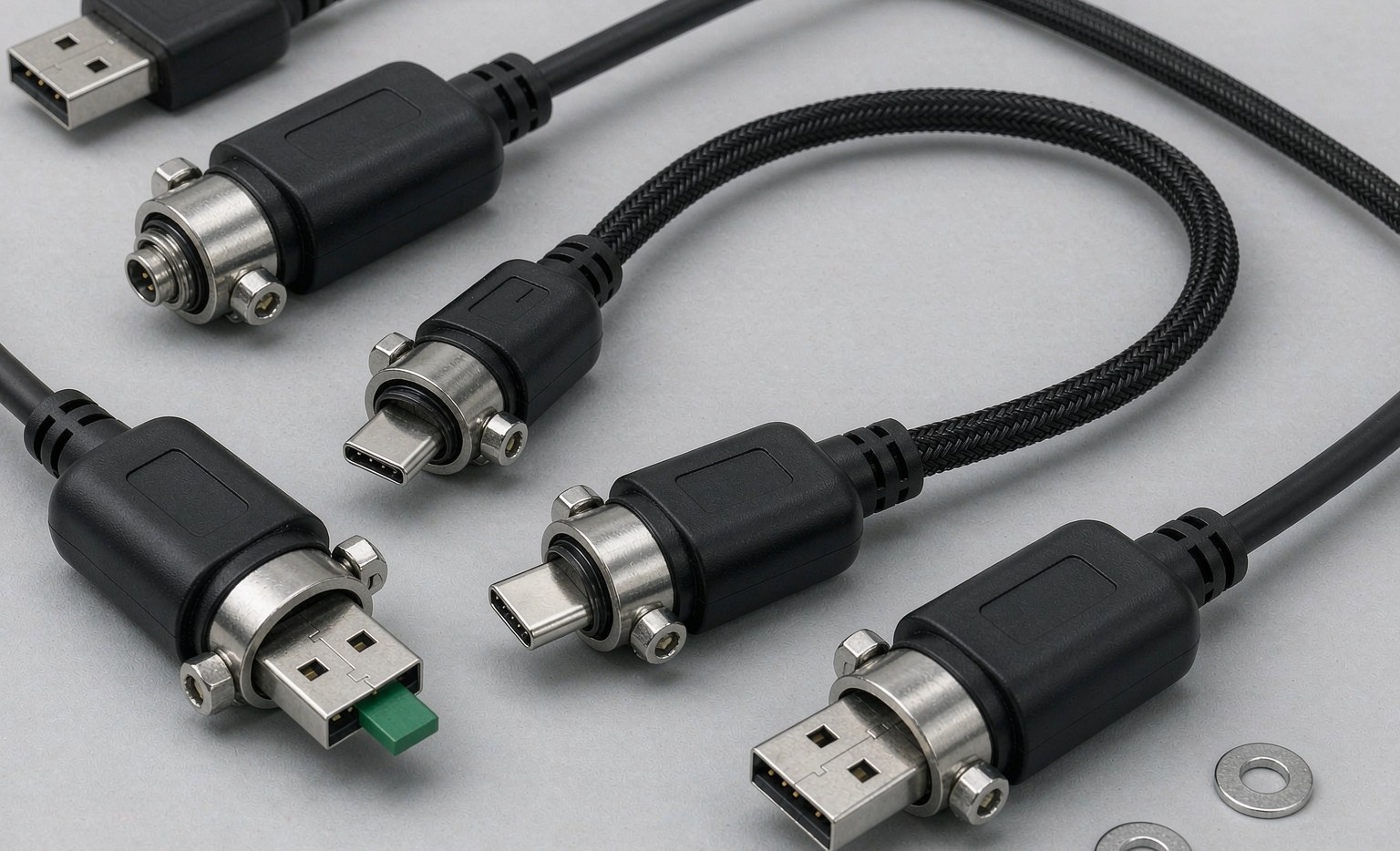

Understanding OEM/ODM Cable Harness Solutions
OEM/ODM cable harness solutions are designed to meet the specific needs of complex systems, providing a comprehensive and reliable connectivity solution. These custom-designed cable harnesses are engineered to enhance performance, reduce costs, and improve overall system reliability. By understanding the unique requirements of each system, OEM/ODM cable harness solutions can be tailored to meet the exact needs of the application. For instance, Cable Selection for Industrial Automation Systems: Key Considerations and Best Practices is crucial in ensuring the reliability and performance of industrial automation systems.
- Custom-designed to meet specific system requirements, including environmental and performance factors such as temperature, vibration, and signal integrity
- Improved performance and reliability through optimized cable design and routing, reducing signal degradation and electromagnetic interference
- Reduced costs through optimized design and manufacturing processes, such as minimizing material waste and streamlining production
- Flexibility in design and material selection to meet specific industry standards, such as automotive, aerospace, or industrial automation
- Compliance with industry-specific regulations and certifications, such as ISO 9001, AS9100, or IEC 61131
- Utilizing advanced materials and technologies, such as high-temperature resistant materials, shielding, and twisted pair cables
For complex systems, OEM/ODM cable harness solutions play a critical role in ensuring optimal performance and reliability. For example, in the automotive industry, OEM/ODM cable harness solutions are used in infotainment systems, safety systems, and engine control units, where high temperature resistance and vibration resistance are crucial. In the aerospace industry, OEM/ODM cable harness solutions are used in aircraft navigation systems and communication systems, where extreme temperature resistance and radiation resistance are essential. Custom-Designed Cable Interconnects for Automotive Systems: Enhancing Performance and Reliability highlights the importance of customized cable solutions in the automotive sector.
Some notable examples of complex systems that rely on OEM/ODM cable harness solutions include:
- Medical imaging equipment, such as MRI and CT scanners, which require high-resolution imaging and precise control signals
- Industrial automation systems, such as robotics and machine vision systems, which require high-speed data transmission and precise control signals
- Aerospace systems, such as flight control systems and navigation systems, which require high reliability and resistance to extreme environmental conditions
Benefits of OEM/ODM Cable Harness Solutions
The benefits of OEM/ODM cable harness solutions include:
- Enhanced performance through optimized cable design and routing, reducing signal degradation and electromagnetic interference
- Improved reliability through rigorous testing and validation, including environmental testing and simulation
- Reduced costs through efficient manufacturing processes, such as automated assembly and inspection
- Increased flexibility through modular design and material selection, allowing for easier upgrades and modifications
- Compliance with industry-specific regulations and certifications, reducing the risk of non-compliance and associated costs
- Improved maintainability through design for maintainability and repair, reducing downtime and maintenance costs
| Industry | Typical Applications | Key Requirements |
|---|---|---|
| Automotive | Infotainment systems, safety systems, engine control units | High temperature resistance, vibration resistance, and compliance with automotive standards such as AEC-Q100 and ISO 16750 |
| Industrial Automation | Control panels, servo motors, industrial cameras | High durability, resistance to environmental factors such as dust and moisture, and compliance with industrial automation standards such as IEC 61131 and ISO 13849 |
| Aerospace | Aircraft navigation systems, communication systems | Extreme temperature resistance, radiation resistance, and compliance with aerospace standards such as AS9100 and DO-160 |
| Medical Devices | Medical imaging equipment, patient monitoring systems | High reliability, biocompatibility, and compliance with medical device regulations such as FDA 21 CFR 820 and ISO 13485 |
In addition to these industries, OEM/ODM cable harness solutions are also used in other complex systems, such as:
- Railway systems, where high reliability and resistance to vibration and environmental factors are critical
- Marine systems, where high corrosion resistance and resistance to environmental factors such as saltwater and humidity are essential
- Energy systems, where high reliability and resistance to environmental factors such as temperature and vibration are crucial
Design and Manufacturing Considerations
When designing and manufacturing OEM/ODM cable harness solutions, several key considerations must be taken into account, including:
- Cable selection and routing, including consideration of factors such as signal type, frequency, and environmental conditions. For high-speed data transmission, Cable Assemblies for High-Speed Data Transmission: Performance and Reliability Solutions can provide valuable insights.
- Connector selection and compatibility, including consideration of factors such as connector type, mating cycles, and environmental conditions
- Material selection and durability, including consideration of factors such as temperature resistance, chemical resistance, and mechanical stress
- Manufacturing process selection, including consideration of factors such as production volume, lead time, and cost
- Testing and validation, including environmental testing and simulation, to ensure compliance with industry standards and regulations
To ensure optimal performance and reliability, OEM/ODM cable harness solutions must be designed and manufactured with careful attention to detail. This includes:
- Utilizing advanced design tools and simulation software to optimize cable design and routing
- Implementing rigorous testing and validation protocols to ensure compliance with industry standards and regulations
- Selecting high-quality materials and components to ensure durability and reliability
- Implementing efficient manufacturing processes to minimize costs and lead times
- Providing documentation and certification to ensure compliance with industry standards and regulations
Steps for Implementing OEM/ODM Cable Harness Solutions
To implement OEM/ODM cable harness solutions, follow these steps:
- Step 1: Define the system requirements and specifications, including environmental and performance factors
- Step 2: Design the cable harness solution, including cable selection and routing, connector selection and compatibility, and material selection and durability
- Step 3: Prototype and test the cable harness solution, including environmental testing and simulation
- Step 4: Validate the cable harness solution, including compliance with industry standards and regulations
- Step 5: Manufacture the cable harness solution, including implementation of efficient manufacturing processes
- Step 6: Provide documentation and certification to ensure compliance with industry standards and regulations
When implementing OEM/ODM cable harness solutions, it is essential to work with a qualified and experienced provider who can guide you through the process and ensure that your specific needs are met.
Frequently Asked Questions
Q: What is the typical lead time for OEM/ODM cable harness solutions?
A: The lead time can vary depending on the complexity of the design and the manufacturing process. Typically, lead times range from several weeks to several months.
Q: How do I ensure compliance with industry-specific regulations and certifications?
A: To ensure compliance, work with an OEM/ODM cable harness solutions provider that has experience with your industry and has obtained relevant certifications, such as ISO 9001 or AS9100.
Q: Can OEM/ODM cable harness solutions be customized to meet specific system requirements?
A: Yes, OEM/ODM cable harness solutions can be custom-designed to meet specific system requirements, including environmental and performance factors.
Q: What are the benefits of using OEM/ODM cable harness solutions?
A: The benefits include enhanced performance, improved reliability, reduced costs, and increased flexibility.
Q: How do I select the right OEM/ODM cable harness solutions provider?
A: When selecting an OEM/ODM cable harness solutions provider, consider factors such as their experience with your industry, their design and manufacturing capabilities, and their quality control processes.
Q: What is the importance of testing and validation in OEM/ODM cable harness solutions?
A: Testing and validation are critical to ensuring compliance with industry standards and regulations, and to ensuring the reliability and performance of the cable harness solution.
Q: Can OEM/ODM cable harness solutions be used in harsh environments?
A: Yes, OEM/ODM cable harness solutions can be designed to withstand harsh environments, including extreme temperatures, vibration, and exposure to chemicals or moisture.
Q: How do OEM/ODM cable harness solutions impact system maintenance and repair?
A: OEM/ODM cable harness solutions can be designed to simplify maintenance and repair, reducing downtime and maintenance costs.