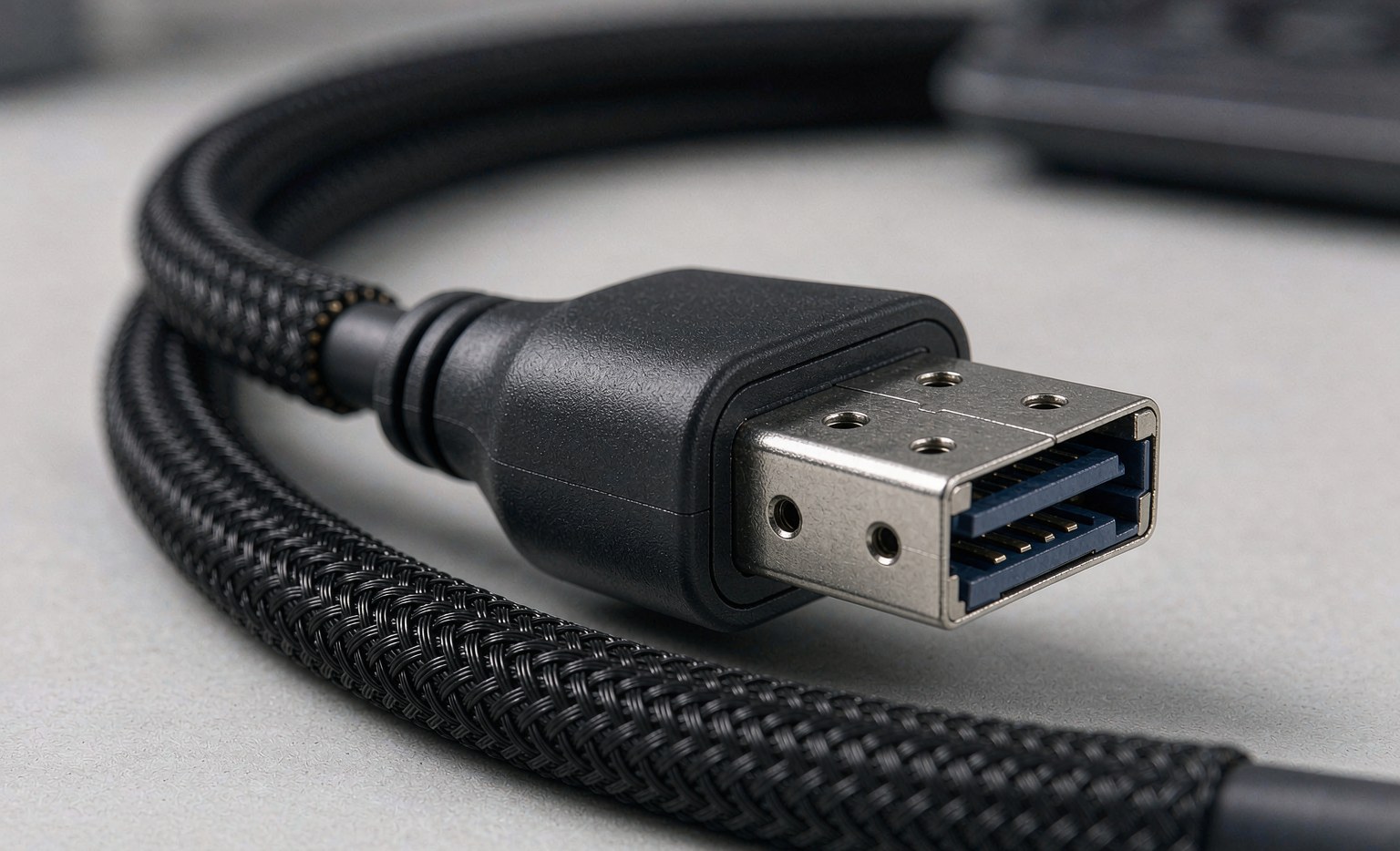
As the demand for real-time data processing and high-performance computing (HPC) accelerates, the bottlenecks of traditional storage interfaces have become a primary concern for hardware engineers. The OCuLink Cable (Optical-Copper Link) has emerged as the premier solution for extending PCIe (Peripheral Component Interconnect Express) signals outside the motherboard without the latency overhead of consumer protocols. For B2B procurement managers and system architects, the challenge lies in sourcing cables that can handle the extreme frequencies of PCIe 4.0 and 5.0. Finding a trusted supplier who can guarantee sub-millimeter precision in signal path engineering is essential for maintaining enterprise-level uptime.
Longkai Electronics (Lungkay Electronic), established in 2012, is a leading manufacturer integrating R&D and high-volume production of specialized interconnects. Our OCuLink cable assemblies are designed to provide a low-profile, high-density connection that bridges the gap between internal server backplanes and external peripherals. With over a decade of experience serving global brands like Samsung and LG, we provide the factory-direct reliability required for mission-critical data environments.
The Core Technology: SFF-8611 and PCIe Signal Integrity
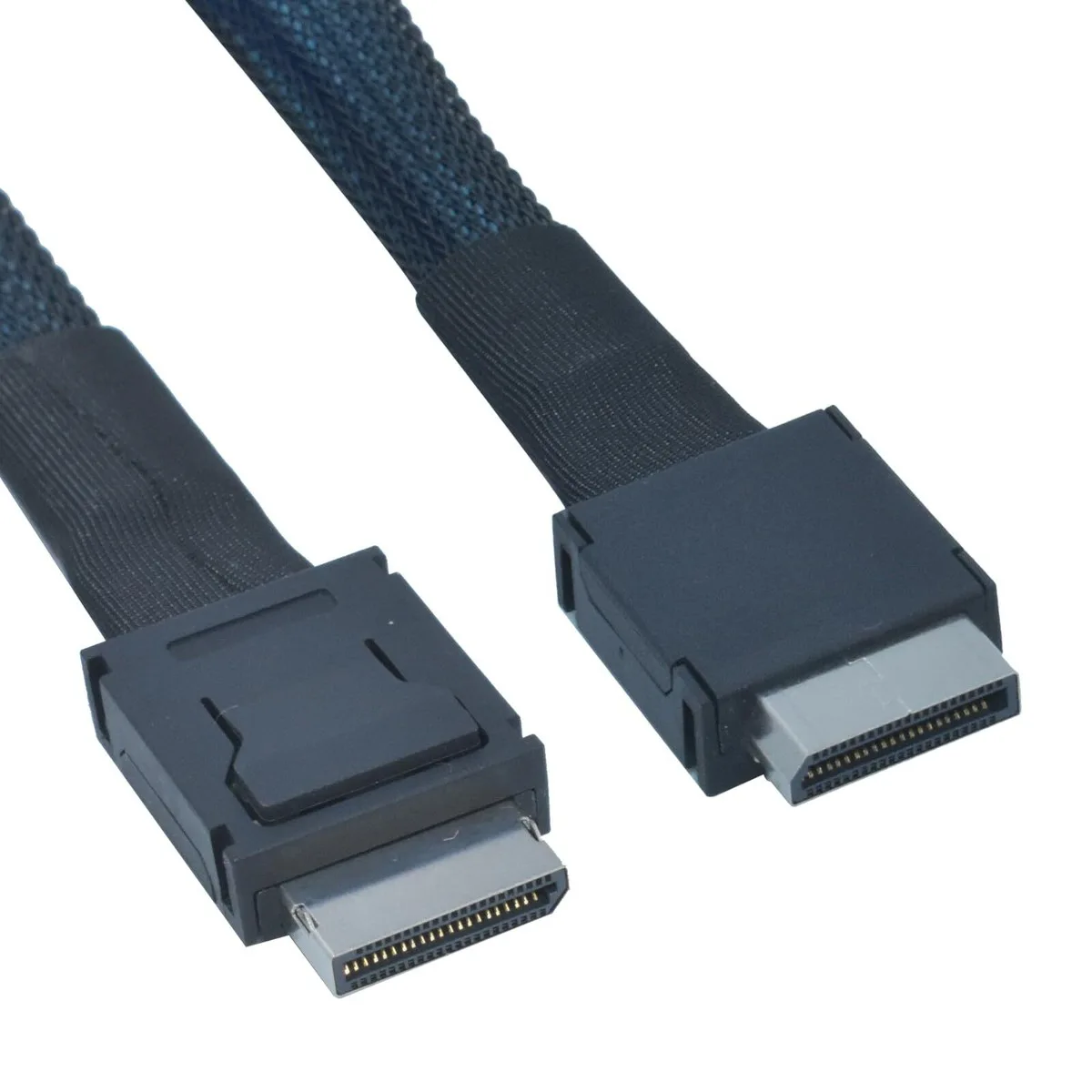
The OCuLink Cable is defined by the SFF-8611 (internal) and SFF-8612 (external) standards. Unlike standard data cables, OCuLink is essentially a “PCIe cable,” carrying four lanes (4i) of PCIe data in a very small form factor. At PCIe 4.0 speeds, each lane operates at 16 GT/s, demanding extraordinary shielding and impedance control.
At Longkai, we utilize silver-plated copper conductors to minimize skin-effect losses at high frequencies. Our SFF-8611 4i server internal lines are engineered with a 100-ohm differential impedance design, verified by Time Domain Reflectometry (TDR) to ensure that signal reflections are kept within strict decibel limits. This is critical for preventing CRC errors and link retraining in high-speed storage arrays.
High-Speed Data Interface Comparison
| Interface Type | Standard | Max Bandwidth (per 4 lanes) | Protocol Support | Primary Advantage |
|---|---|---|---|---|
| OCuLink | SFF-8611 / 8612 | 64 Gbps (PCIe 4.0 x4) | PCIe, NVMe | Direct PCIe Link, No Controller Overhead |
| MiniSAS HD | SFF-8643 | 48 Gbps (SAS 3.0) | SAS, SATA | High Storage Density |
| SlimSAS | SFF-8654 | Up to 96 Gbps (PCIe 4.0) | PCIe, SAS | Space-Saving Internal Design |
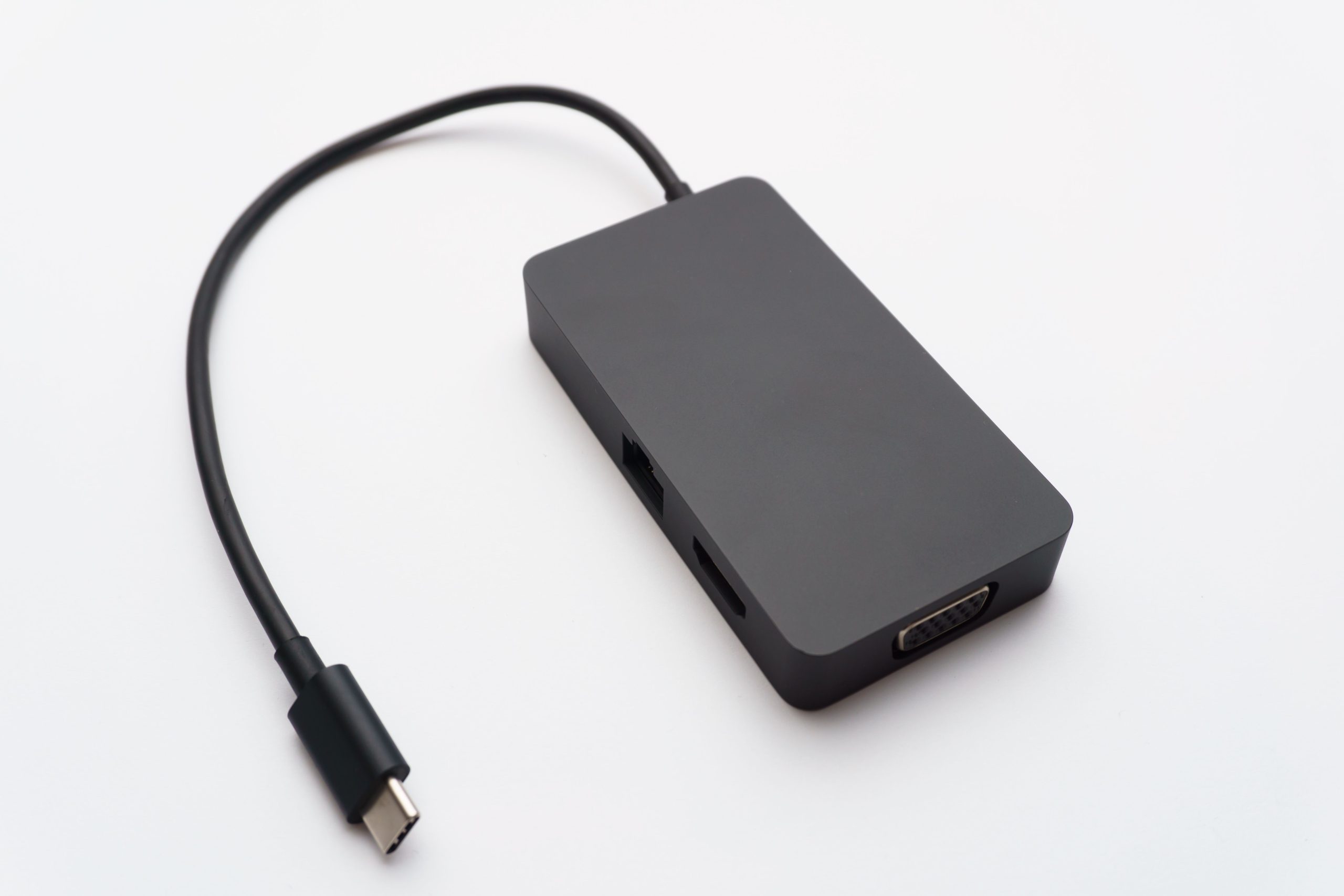
| Thunderbolt 4 | USB-C Based | 40 Gbps | PCIe, DP, USB | Hot-Swappable Consumer Convenience |
Key Industry Applications (Where & Why)
OCuLink is rapidly becoming the standard for applications that require the raw performance of PCIe in a flexible cable format. As a trusted supplier, Longkai provides the infrastructure for several high-growth B2B sectors.
1. Server-to-Backplane NVMe Expansion
Modern data centers utilize NVMe (Non-Volatile Memory Express) SSDs to eliminate the latency of SAS controllers. Our SlimSAS and OCuLink cables allow server manufacturers to link high-speed NVMe backplanes directly to the CPU’s PCIe lanes. This maximizes IOPS (Input/Output Operations Per Second) for database and AI training workloads.
2. External GPU (eGPU) and FPGA Workstations
In medical imaging and industrial simulation, engineers often need to attach external compute accelerators like GPUs or FPGAs. OCuLink provides a much higher “effective” bandwidth than Thunderbolt 4 for eGPUs because it lacks the protocol translation layers. We also offer hybrid solutions like the OCuLink SFF-8611 to MiniSAS SFF-8643 cable to facilitate connectivity between different generations of high-speed hardware.
3. High-Speed Data Acquisition (DAQ)
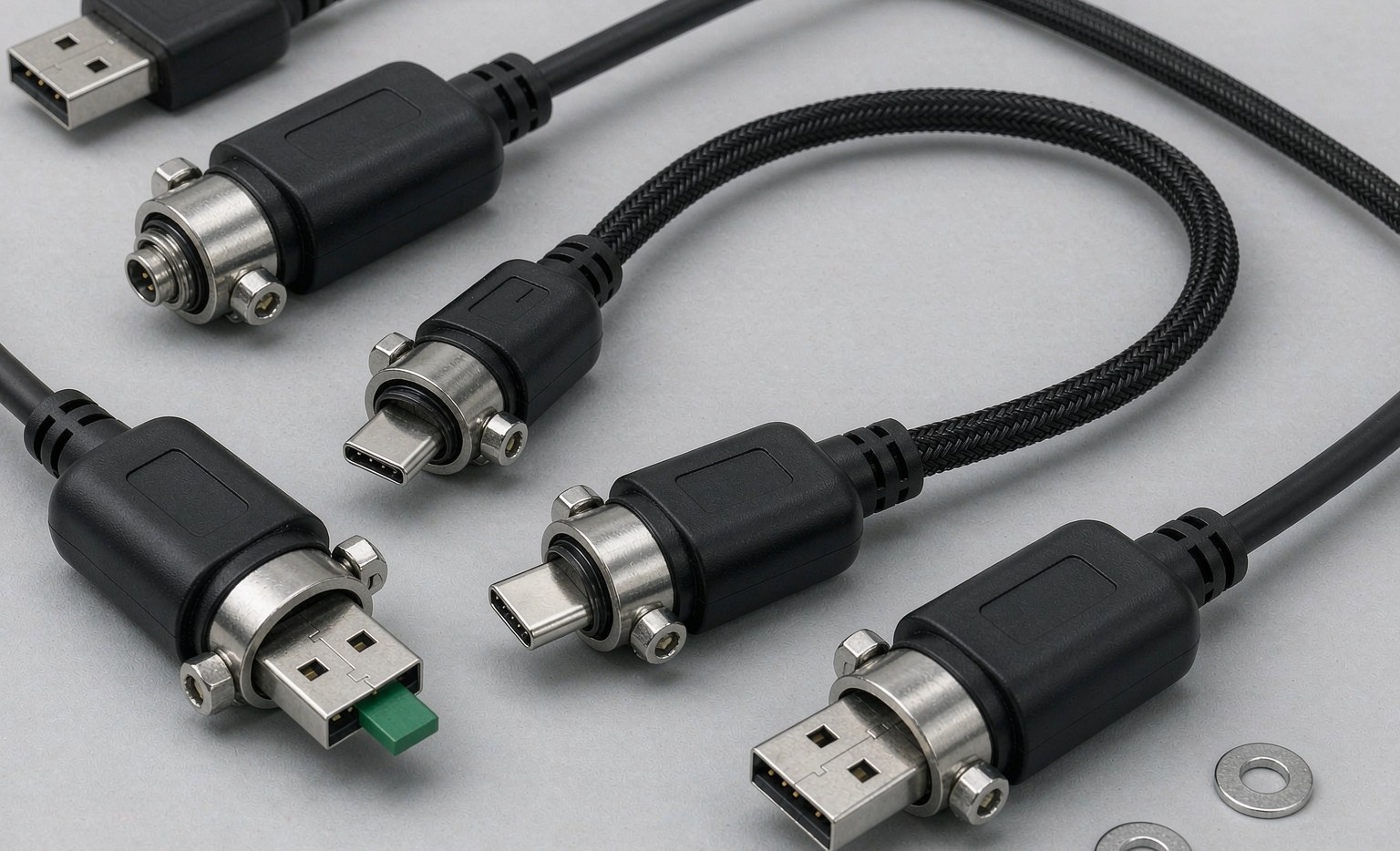
Industrial testing systems capturing millions of data points per second require a direct pipe to the system memory. The locking mechanism and low-latency nature of the OCuLink interface make it superior to USB-based solutions for these applications. For environments with vibration, we can adapt our locking connector expertise to ensure the PCIe link remains physically stable.
Technical Standards & Certifications
At frequencies reaching 16GHz and beyond, manufacturing precision is the only way to earn the status of a trusted supplier. Longkai Electronics operates under a rigorous quality management system:
- ISO 9001:2015: Our factory in Dongguan follows a strict QC protocol from the raw wire extrusion to the final automated signal test.
- SFF-8611 Compliance: Every OCuLink Cable we produce is tested for mechanical compatibility with industry-standard sockets from Molex, Amphenol, and TE Connectivity.
- Advanced SI Testing: We utilize high-bandwidth oscilloscopes and VNA (Vector Network Analyzers) to perform eye-diagram analysis, ensuring our cables meet the PCIe 4.0/5.0 signal-to-noise ratio requirements.
- RoHS & REACH: All materials are environmentally compliant, meeting the sustainable procurement standards of our B2B clients in Europe and North America.
B2B Procurement Guide: How to Choose the Right OCuLink Solution
Procuring high-speed interconnects requires a focus on the “Signal Budget.” Here are the three factors procurement officers should consider:
Cable Length vs. Signal Decay
PCIe signals are not designed for long-distance travel over copper. While a trusted supplier like Longkai can provide passive copper cables up to 1 meter for PCIe 4.0, any length beyond that may require an “Active” cable with integrated redrivers. Ensure you consult with our engineers on your specific trace length and total signal budget.
Internal vs. External Connectors
Ensure you identify whether you need SFF-8611 (internal locking) or SFF-8612 (external locking). Using an internal cable for an external application will lead to mechanical failure due to the lack of proper EMI shielding and housing durability. For internal high-density storage, also consider our MiniSAS cable options if SAS compatibility is required.
Hybrid Connectivity Needs
In many server upgrades, you may need to connect an OCuLink host to a Mini-SAS HD backplane. Our hybrid SFF-8611 to SFF-8643 cables are a high-demand item for B2B clients who are transitioning their infrastructure from SAS to NVMe.
Why Partner with Longkai Electronics?
Established in 2012, Longkai Electronics (Lungkay Electronic) is a manufacturing enterprise dedicated to “Quality leads the future and connects global possibilities.” We are not just a vendor; we are an engineering partner for over 100 well-known brands.
Our Advantages:
- Factory-Direct Customization: We offer OEM/ODM services for custom cable lengths, specialized shielding, and hybrid pinouts tailored to your hardware design.
- Proven Global Partner: Our status as a supplier for LG, Samsung, BAYER, and LITEON demonstrates our ability to pass the most rigorous quality audits.
- Vertical Integration: We control the R&D, assembly, and testing in-house, ensuring competitive B2B pricing and stable lead times.
- Comprehensive Range: From OCuLink and SlimSAS to Industrial Camera Cables, we are a one-stop-shop for industrial interconnects.
Future-proof your data infrastructure today. Contact our technical sales team for a quote on bulk OCuLink orders or to discuss your custom PCIe connectivity requirements. Explore our OCuLink range here.
Frequently Asked Questions (FAQ)
What is the maximum speed supported by Longkai’s OCuLink cables?
Our premium OCuLink cable assemblies are designed to support the PCIe 4.0 standard, delivering up to 16 GT/s per lane (64 Gbps for a 4i cable). We also offer advanced versions optimized for PCIe 5.0 (32 GT/s) for short-distance internal applications.
Is OCuLink compatible with Thunderbolt 3/4 ports?
No. While both can carry PCIe signals, OCuLink uses a specific SFF-8611/8612 connector and a direct PCIe physical layer. Thunderbolt uses the USB-C connector and requires a dedicated controller for protocol translation. OCuLink is preferred in B2B environments for its lower latency and higher effective throughput.
Do your cables support NVMe Hot-Plug?
Yes, our OCuLink Cable designs include the necessary sideband signals (like PERST# and CLKREQ#) required by the PCIe standard to support NVMe hot-plugging, provided your host controller and BIOS also support the feature.
How do you test the reliability of high-speed server cables?
Every batch of our high-speed lines undergoes automated continuity testing and insulation resistance checks. For high-frequency performance, we perform eye-diagram and crosstalk testing using high-bandwidth analyzers to ensure compliant signal integrity.