Understanding High-Speed Data Cable Solutions
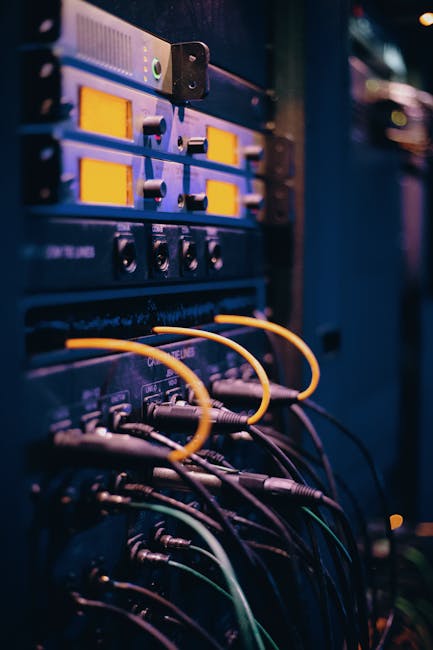
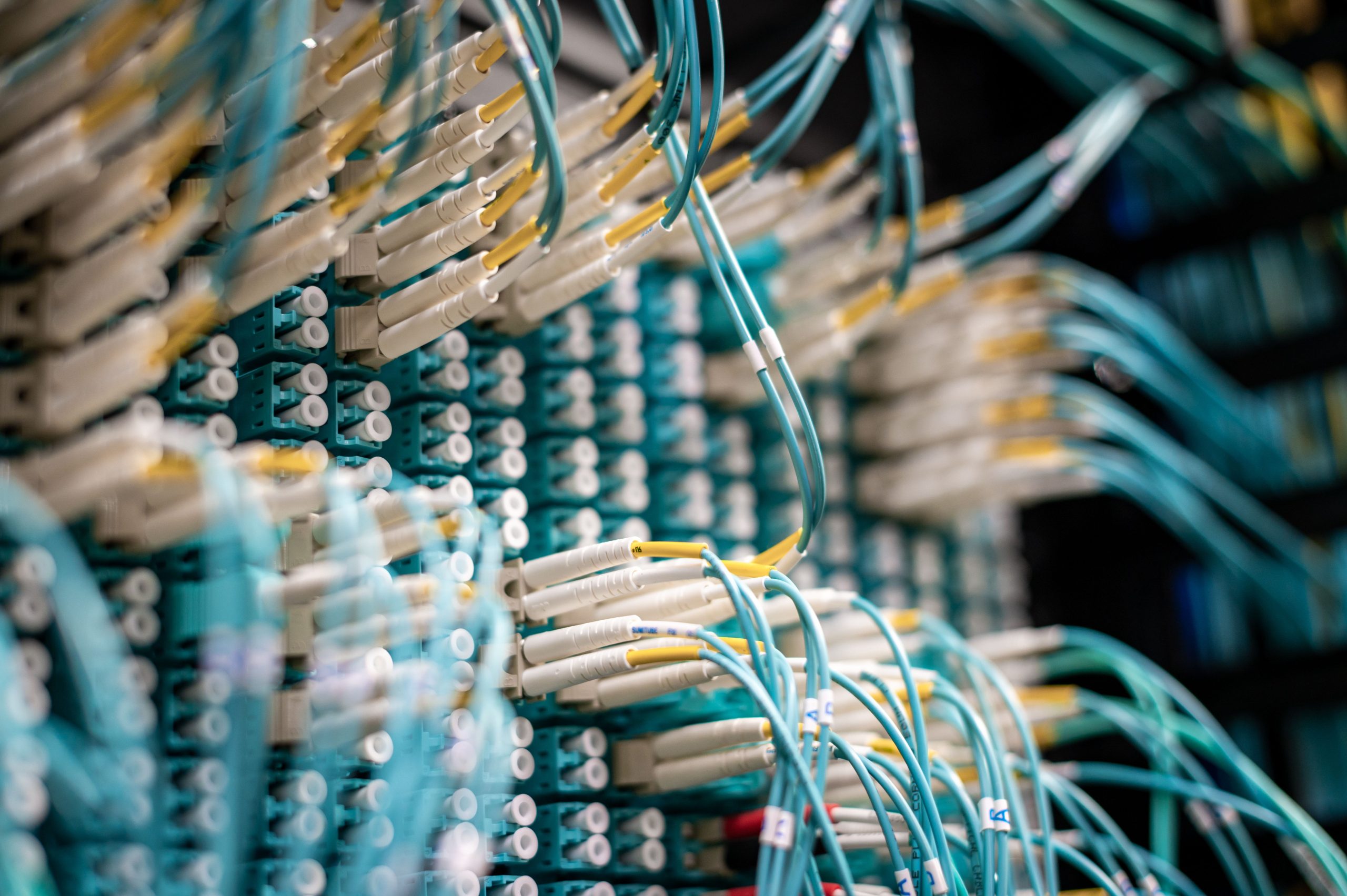
High-speed data cable solutions facilitate fast and reliable data transfer in various applications, including data centers, industrial automation, and consumer electronics. These solutions are designed to meet the increasing demand for high-bandwidth applications such as 4K video streaming, cloud computing, and big data analytics. For instance, a data center may require Reliable Cable Assemblies for Data Centers: Ensuring High-Speed Connectivity and Performance to connect servers, storage devices, and network equipment, ensuring fast and reliable data transfer. In addition, high-speed data cable solutions can help reduce latency and improve overall system performance.
- Support high-bandwidth applications such as 4K video streaming and cloud computing
- Offer faster data transfer rates and lower latency
- Used in data centers, industrial automation, and consumer electronics
- Enable real-time data processing and analysis
- Improve overall system performance and reliability
- Support multiple data streams and protocols
- Reduce electromagnetic interference (EMI) and improve signal integrity
In industrial automation, high-speed data cable solutions are used to connect sensors, actuators, and control systems, enabling real-time control and monitoring. For example, in a manufacturing plant, High-Speed Cable Assemblies for Industrial Automation: Enhancing Efficiency and Reliability can be used to connect industrial robots, sensors, and control systems, improving production efficiency and reducing downtime. Furthermore, high-speed data cable solutions can help improve the accuracy and reliability of industrial automation systems.
Key Features of High-Speed Data Cable Solutions
High-speed data cable solutions have several key features, including:
- High-speed data transfer rates (e.g., USB 3.2 Gen 2, Thunderbolt 3, PCIe)
- Low latency for real-time data processing
- High bandwidth for multiple data streams
- Signal integrity and noise reduction techniques
- Shielding and grounding for EMI protection
- Durable construction and materials for reliability
- Compliance with industry standards and regulations
| Feature | Description |
|---|---|
| High-Speed Data Transfer Rates | Support for high-bandwidth applications |
| Low Latency | Enable real-time data processing and analysis |
| Signal Integrity | Techniques to maintain signal quality and reduce noise |
| EMI Protection | Shielding and grounding to prevent electromagnetic interference |
| Durable Construction | Materials and design for reliability and longevity |
| Compliance | Compliance with industry standards and regulations |
Applications of High-Speed Data Cable Solutions
High-speed data cable solutions have various applications across industries, including:
- Data centers for fast data transfer and processing
- Industrial automation for real-time control and monitoring
- Consumer electronics, such as smartphones, laptops, and gaming consoles
- Medical devices, such as MRI and CT scanners
- Aerospace and defense, such as radar and communication systems
- Automotive, such as infotainment and autonomous driving systems
- High-performance computing, such as supercomputers and data analytics
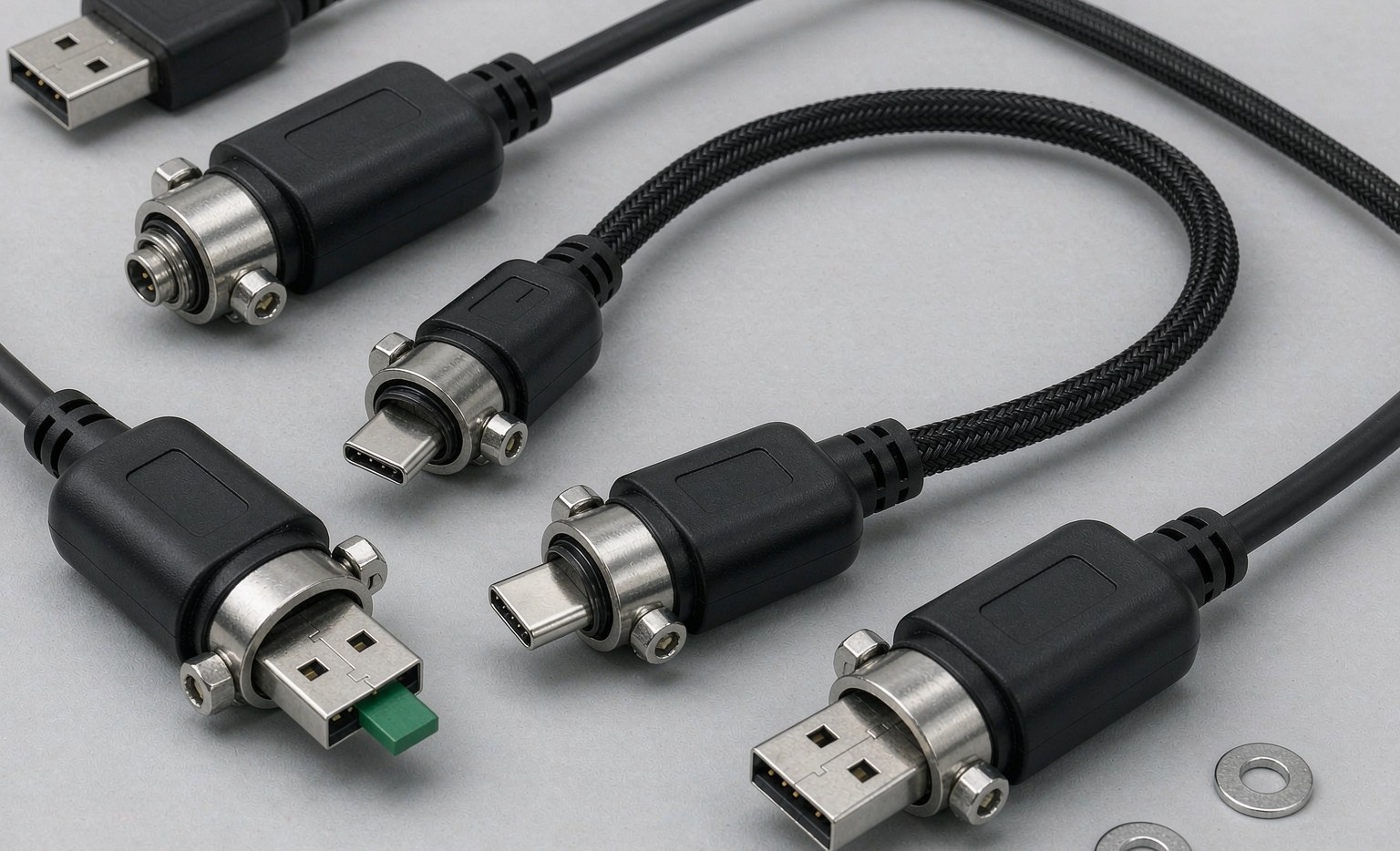
In consumer electronics, high-speed data cable solutions are used to connect devices such as smartphones, laptops, and gaming consoles, enabling fast data transfer and charging. For example, a USB C 3.1 Gen2 USB A to C Data Cable 3A Fast Charging,supports high speed data transmission up to 10Gbps, can be used to connect a smartphone to a laptop, enabling fast data transfer and charging. Additionally, high-speed data cable solutions can help improve the overall user experience by reducing latency and improving data transfer rates.
Benefits of High-Speed Data Cable Solutions
The use of high-speed data cable solutions offers several benefits, including:
- Enhanced performance and reliability
- Faster data transfer rates and lower latency
- Improved scalability for future upgrades
- Reduced electromagnetic interference (EMI)
- Increased system security
- Simplified installation and maintenance
- Cost savings through reduced downtime and improved productivity
For example, in data centers, high-speed data cable solutions can improve data transfer rates, reduce latency, and increase overall system performance, resulting in improved productivity and reduced costs. Furthermore, high-speed data cable solutions can help improve the overall reliability and availability of data center systems.
Designing and Manufacturing High-Speed Data Cable Solutions
Designing and manufacturing high-speed data cable solutions require careful consideration of material selection, cable design, and testing.
- Material selection: copper, aluminum, or fiber optic
- Cable design: conductor size, insulation type, and shielding
- Testing and validation: signal integrity testing, EMI testing, and environmental testing
- Prototyping and iteration: refining the design based on test results
- Manufacturing: production techniques and quality control
- Compliance with industry standards and regulations
The steps involved in designing and manufacturing high-speed data cable solutions include:
- Defining the application requirements and specifications
- Selecting the materials and cable design
- Prototyping and testing the cable solution
- Validating the performance and reliability of the cable solution
- Manufacturing the cable solution according to the validated design
- Conducting quality control and assurance
- Performing environmental testing and certification
When designing and manufacturing high-speed data cable solutions, it is essential to consider factors such as signal integrity, EMI protection, and environmental factors. For example, using shielding and grounding techniques can help reduce EMI and improve signal integrity. Additionally, selecting materials and designs that are resistant to environmental factors such as temperature and humidity can help improve the reliability and longevity of the cable solution.
Testing and Validation of High-Speed Data Cable Solutions
Testing and validation are critical to ensuring the performance and reliability of high-speed data cable solutions.
- Signal integrity testing: eye diagrams, jitter analysis, and bit error rate testing
- EMI testing: radiated emissions, immunity testing, and electrostatic discharge testing
- Environmental testing: temperature, humidity, and vibration testing
- Mechanical testing: bend radius, tensile strength, and flex testing
- Compliance testing: testing for compliance with industry standards and regulations
Frequently Asked Questions (FAQs) about High-Speed Data Cable Solutions:
- Q: What are the benefits of using high-speed data cable solutions?
- A: High-speed data cable solutions offer enhanced performance, faster data transfer rates, and improved reliability.
- Q: What are the key features of high-speed data cable solutions?
- A: High-speed data cable solutions have high-speed data transfer rates, low latency, and signal integrity techniques.
- Q: How are high-speed data cable solutions tested and validated?
- A: High-speed data cable solutions are tested and validated using signal integrity testing, EMI testing, and environmental testing.
- Q: What are the applications of high-speed data cable solutions?
- A: High-speed data cable solutions have various applications across industries, including data centers, industrial automation, and consumer electronics.
- Q: How do I choose the right high-speed data cable solution for my application?
- A: To choose the right high-speed data cable solution, consider factors such as data transfer rates, signal integrity, and environmental factors, and consult with a qualified engineer or manufacturer.
- Q: What are the common challenges in designing and manufacturing high-speed data cable solutions?
- A: Common challenges include ensuring signal integrity, reducing EMI, and meeting environmental and regulatory requirements.
- Q: How can I ensure the reliability and longevity of high-speed data cable solutions?
- A: To ensure reliability and longevity, consider factors such as material selection, cable design, and testing, and consult with a qualified engineer or manufacturer.