Introduction to High-Speed Data Cable Applications
High-speed data cables are essential components in modern computing and data transfer applications, enabling fast and reliable data transmission between devices. The demand for these cables has surged with the proliferation of data-intensive technologies such as cloud computing, big data analytics, and artificial intelligence. As a result, the importance of selecting the right type of high-speed data cable has become critical to ensure optimal performance. For more information on high-speed data cable solutions, refer to High-Speed Data Cable Solutions for Enhanced Performance and Reliability.
To achieve this, several factors must be considered, including data transfer rate, cable length, and environmental conditions. For instance, a data center may require cables that can support data transfer rates of up to 400Gbps, while an industrial automation application may prioritize cables with high resistance to electromagnetic interference (EMI).
- Identify the required data transfer rate for the application, such as 10Gbps, 25Gbps, or 100Gbps.
- Assess the environmental conditions in which the cable will operate, including temperature, humidity, and exposure to chemicals.
- Consider the cable length and its impact on signal integrity, as longer cables may require additional signal amplification or conditioning.
- Evaluate the type of connector and interface required for the application, such as SFP, QSFP, or USB.
- Check the cable’s compliance with relevant industry standards, such as IEEE, TIA, or IEC.
- Consider the cable’s shielding and grounding to minimize EMI and ensure signal integrity.
For example, in a data center, the selection of high-speed data cables can significantly impact the overall performance and efficiency of the facility. A case study by a leading data center operator found that upgrading to higher-speed cables reduced latency by 30% and increased data transfer rates by 25%. To implement high-speed data cables effectively, data centers can follow a step-by-step process:
- Assess the current infrastructure and identify areas for upgrade.
- Evaluate the required data transfer rates and cable lengths.
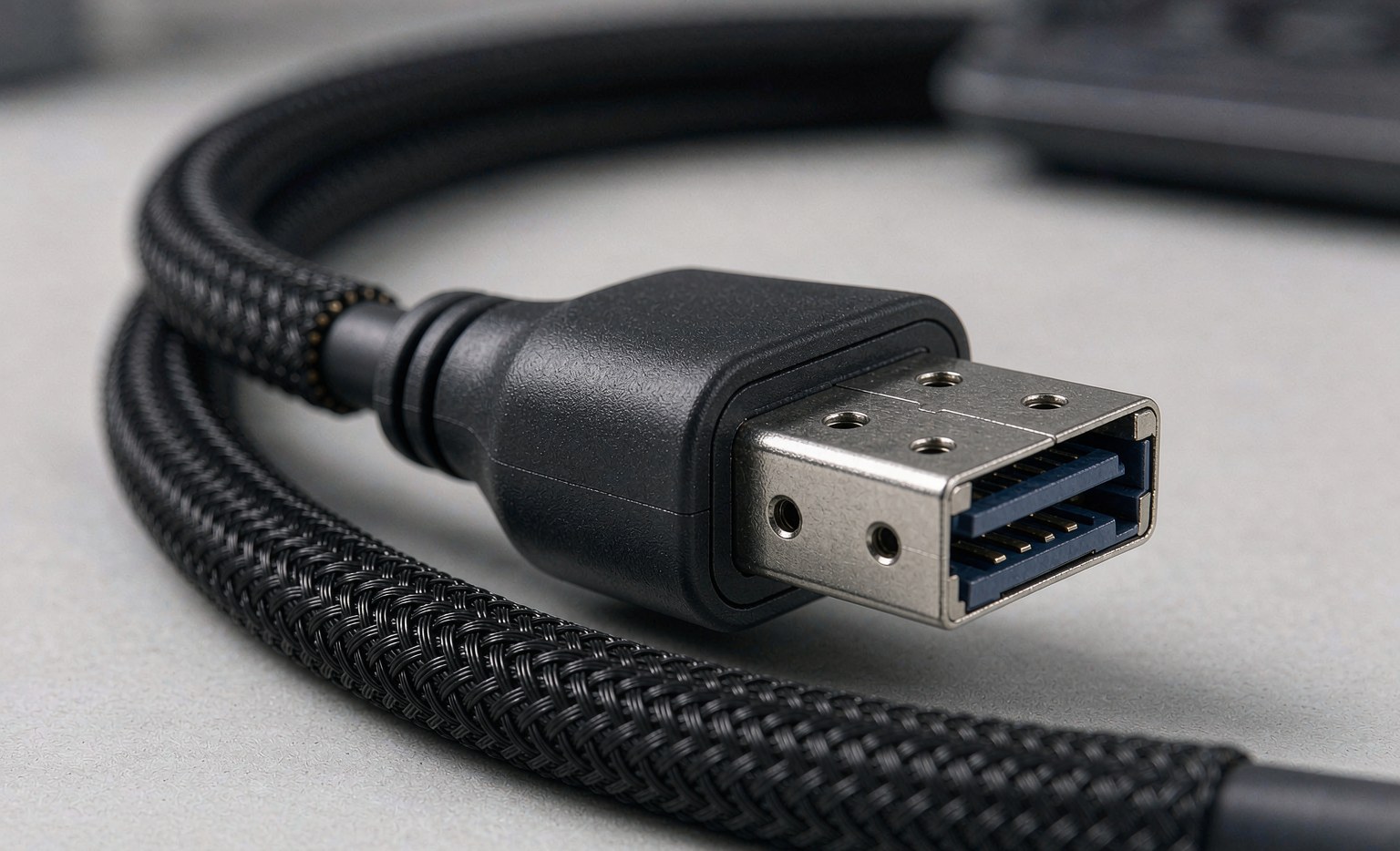
- Select the appropriate high-speed data cables and connectors, such as OCulink SFF-8611 Straight Male to Mini SAS SFF-8643 Cable.
- Install and test the new cables to ensure compatibility and performance.
- Monitor and maintain the cables to prevent degradation and ensure optimal performance.
Data Center Applications
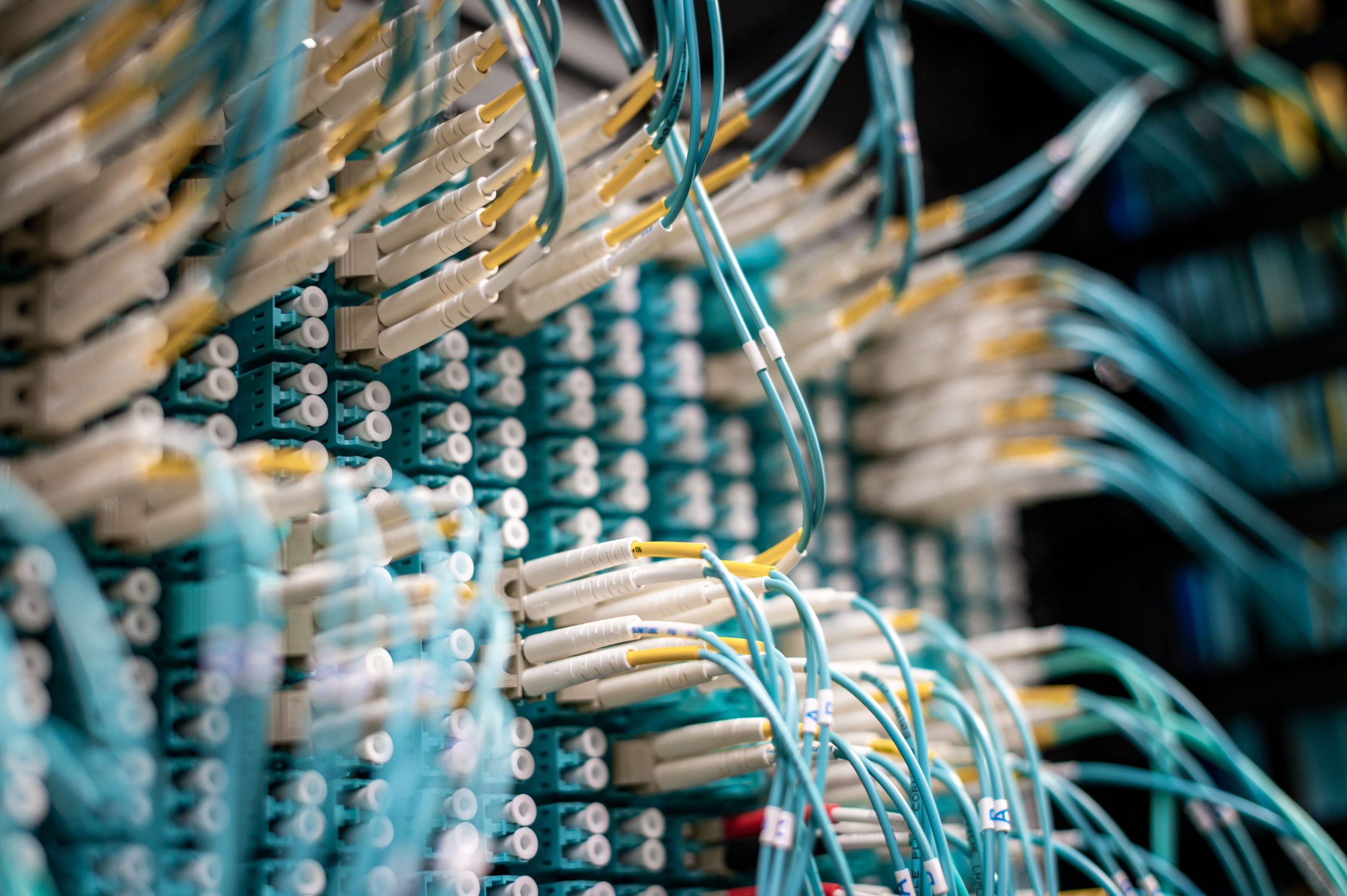
In data centers, high-speed data cables play a crucial role in ensuring efficient data transfer and connectivity. They are used in various configurations, including connecting servers to storage devices, interconnecting data center equipment, and enabling high-speed data transfer between data centers. For more information on reliable cable assemblies for data centers, refer to Reliable Cable Assemblies for Data Centers: Ensuring High-Speed Connectivity and Performance.
- Connecting servers to storage devices for rapid data access, such as using SAS or NVMe cables.
- Interconnecting data center equipment for seamless data exchange, such as using Ethernet or InfiniBand cables.
- Enabling high-speed data transfer between data centers, such as using DWDM or CWDM cables.
- Supporting cloud computing and big data analytics applications, which require high-speed data transfer and processing.
- Facilitating the adoption of emerging technologies, such as artificial intelligence and machine learning.
- Using high-speed data cables to support data center architectures such as spine-leaf and fat-tree.
| Application | Required Data Transfer Rate | Cable Length Considerations |
|---|---|---|
| Data Center Interconnect | 100Gbps – 400Gbps | Up to 100 meters |
| Server to Storage | 10Gbps – 25Gbps | Up to 30 meters |
| High-Performance Computing | 100Gbps – 200Gbps | Up to 10 meters |
| Cloud Computing | 100Gbps – 400Gbps | Up to 100 meters |
| Big Data Analytics | 100Gbps – 400Gbps | Up to 100 meters |
Modern Computing Applications
High-speed data cables are also essential in modern computing environments, including connecting peripherals to computers and supporting high-performance computing applications.
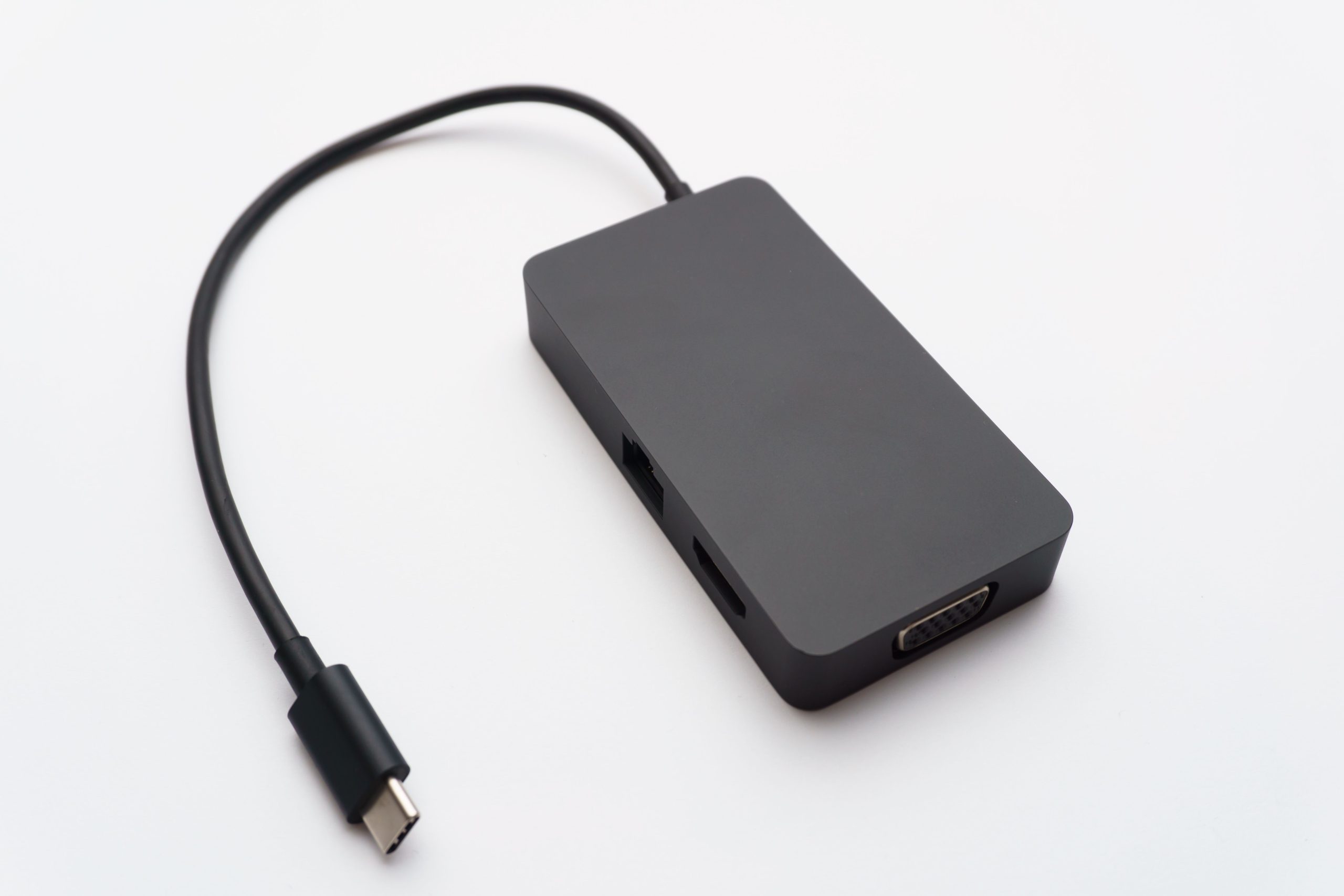
- Connecting external storage devices and graphics cards, such as using USB or Thunderbolt cables.
- Enabling high-speed data transfer between devices, such as using PCIe or NVLink cables.
- Supporting high-performance computing applications, such as gaming, video editing, and scientific simulations.
- Facilitating the adoption of emerging technologies, such as virtual reality (VR) and augmented reality (AR).
- Enhancing the overall computing experience with faster data transfer rates and lower latency.
- Using high-speed data cables to support multi-GPU configurations and high-speed storage arrays.
For instance, in the gaming industry, high-speed data cables can significantly improve the gaming experience by reducing latency and increasing data transfer rates. A study by a leading gaming hardware manufacturer found that using high-speed data cables reduced latency by 20% and improved frame rates by 15%. To optimize high-speed data cables for gaming, users can follow these steps:
- Select high-speed data cables with low latency and high data transfer rates.
- Use cables with shielding and grounding to minimize EMI.
- Ensure compatibility with gaming hardware and peripherals.
- Monitor and maintain the cables to prevent degradation and ensure optimal performance.
Industrial and Automotive Applications
Beyond computing, high-speed data cables are used in industrial automation, automotive infotainment systems, and advanced driver-assistance systems (ADAS).
- Industrial automation: transferring data between sensors and control systems, such as using EtherCAT or PROFINET cables.
- Automotive infotainment: supporting navigation and entertainment features, such as using MOST or Ethernet cables.
- ADAS: transferring data from sensors and cameras, such as using FPD-Link or GMSL cables.
- Electric vehicles: supporting high-speed data transfer between battery management systems and other vehicle systems.
- Industrial IoT: enabling the connection of industrial devices to the cloud and other devices.
- Using high-speed data cables to support industrial control systems and robotics.
For example, in the automotive industry, high-speed data cables are used to support the increasing demand for connected and autonomous vehicles. A leading automotive manufacturer reported that the use of high-speed data cables in their vehicles improved safety features and reduced the risk of accidents. To ensure the reliability and performance of high-speed data cables in automotive applications, manufacturers can follow these guidelines:
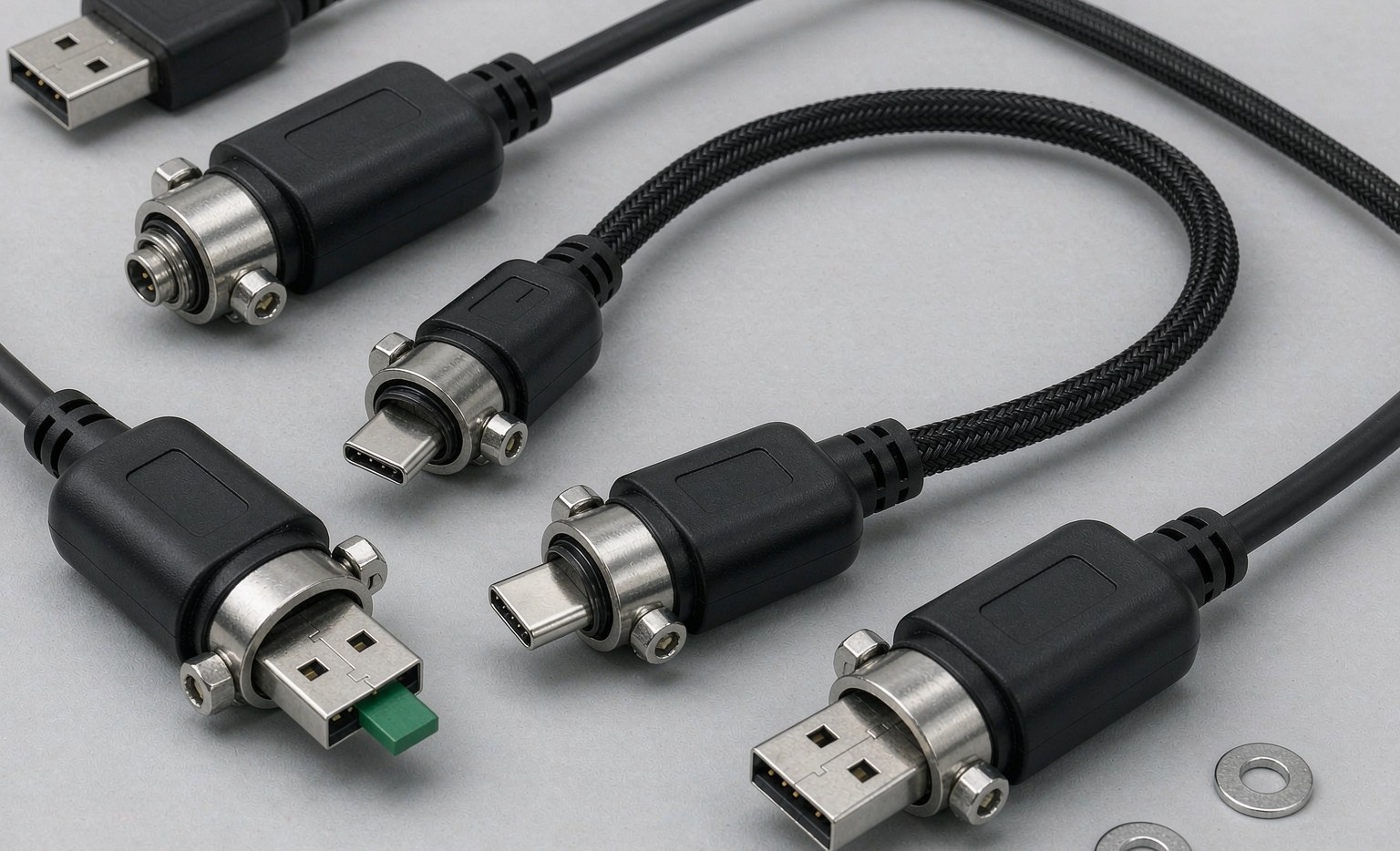
- Select high-speed data cables with ruggedized designs and materials.
- Ensure compliance with automotive industry standards and regulations.
- Test and validate the cables for performance and reliability.
- Monitor and maintain the cables to prevent degradation and ensure optimal performance.
Aerospace and Medical Applications
High-speed data cables also find applications in aerospace and medical industries, where reliability and performance are critical.
- Aerospace: high-speed data transfer in aircraft systems, such as using ARINC 664 or AS6802 cables.
- Medical: high-speed data cables for medical imaging equipment, such as using Coax or fiber optic cables.
- Medical devices: supporting high-speed data transfer between devices, such as using USB or Ethernet cables.
- Aerospace and defense: supporting high-speed data transfer in military applications, such as using ruggedized or hardened cables.
- Medical research: facilitating the transfer of large amounts of data for medical research and analysis.
- Using high-speed data cables to support aerospace and medical applications, such as navigation and diagnostic systems.
| Industry | Key Considerations |
|---|---|
| Aerospace | Reliability, resistance to extreme temperatures, and compliance with aerospace standards |
| Medical | Compliance with medical standards, signal integrity, and patient safety |
| Industrial | Ruggedization, resistance to EMI, and compliance with industrial standards |
| Automotive | Reliability, resistance to vibration, and compliance with automotive standards |
| Aerospace and Defense | Ruggedization, resistance to extreme environments, and compliance with military standards |
Frequently Asked Questions
- Q: What is the difference between a high-speed data cable and a standard data cable?
- A: High-speed data cables are designed to support faster data transfer rates and have stricter specifications for signal integrity and EMI resistance.
- Q: How do I choose the right high-speed data cable for my application?
- A: Consider factors such as data transfer rate, cable length, environmental conditions, and connector type.
- Q: Can high-speed data cables be used in harsh environments?
- A: Yes, some high-speed data cables are designed for use in harsh environments, such as industrial or aerospace applications.
- Q: What are the benefits of using high-speed data cables in data centers?
- A: High-speed data cables can improve data transfer rates, reduce latency, and increase the overall efficiency of data centers.
- Q: Are high-speed data cables compatible with existing infrastructure?
- A: Yes, many high-speed data cables are designed to be backward compatible with existing infrastructure, making it easier to upgrade and integrate new technologies.
- Q: How do I ensure the reliability and performance of high-speed data cables?
- A: Monitor and maintain the cables to prevent degradation and ensure optimal performance, and follow industry standards and guidelines for installation and testing.
Conclusion
High-speed data cables are versatile components with a wide range of applications across various industries. Understanding their applications and benefits is crucial for industries to make informed decisions and stay competitive in today’s fast-paced technological landscape.
By selecting the right high-speed data cable for a specific application, industries can ensure optimal performance, reliability, and future-proofing. As technology continues to evolve, the demand for high-speed data cables will only continue to grow, driving innovation and advancements in various fields.