The Core Technology: Material Engineering in SFF-8654 Assemblies
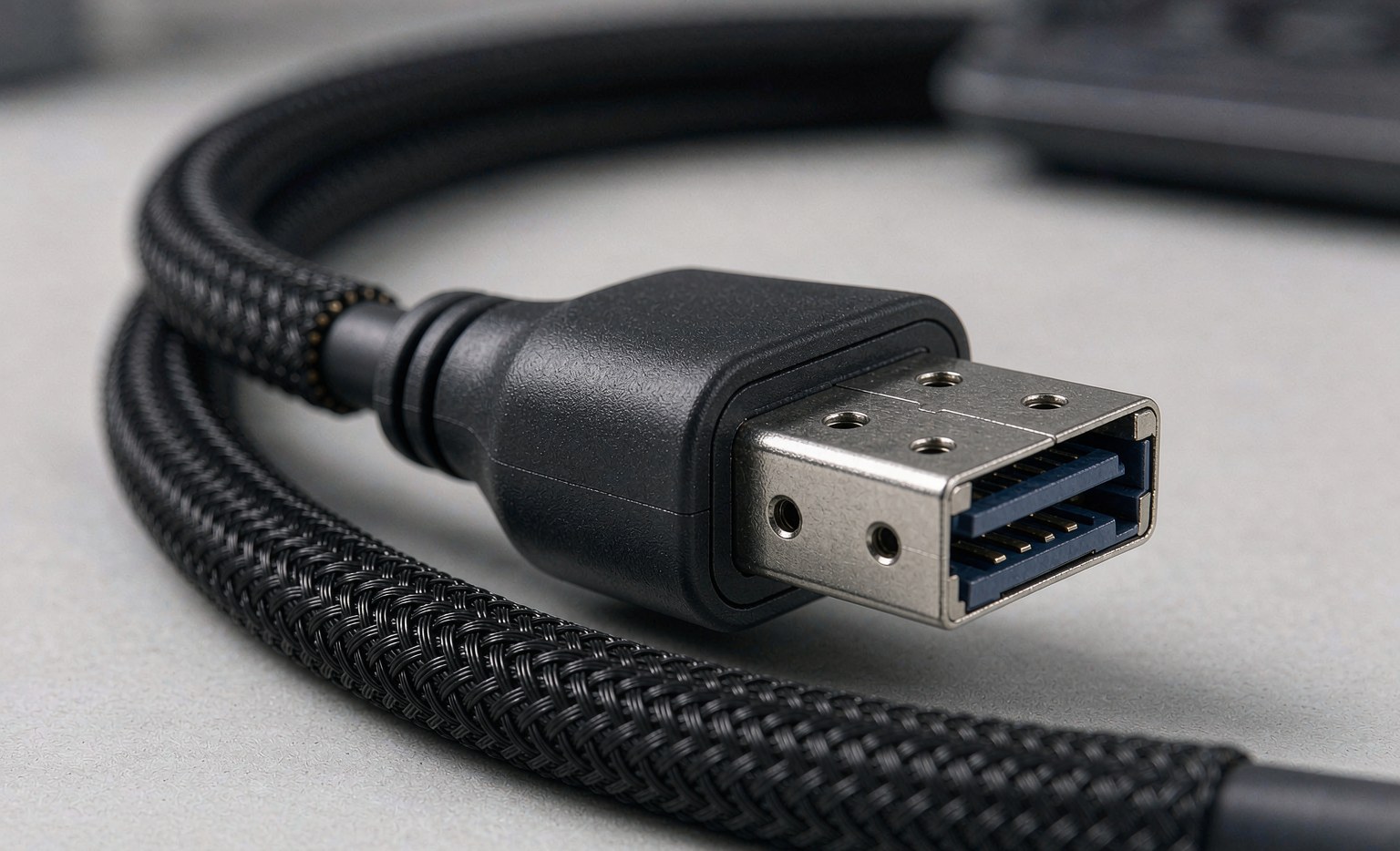
The SlimSAS cable is not merely a copper wire; it is a precision-engineered transmission line. At frequencies required for PCIe 4.0 (16 GT/s per lane), signal integrity is highly sensitive to the physical properties of the cable. As a trusted supplier, Longkai focuses on three technical pillars to ensure data integrity.
1. Differential Impedance Matching
Our SlimSAS assemblies are designed to maintain a strict 100-ohm (or 85-ohm for specific PCIe applications) differential impedance. We utilize high-purity silver-plated copper conductors and low-Dk (dielectric constant) insulation materials. This reduces signal attenuation and prevents the “echoes” or reflections that cause bit errors in high-speed NVMe arrays.
2. High-Density Shielding
Server environments are dense with electromagnetic noise. Our SFF-8654 8i UltraPort cables feature multi-layer shielding, incorporating aluminum-mylar foil for each pair and an overall tinned copper braid. This ensures that Near-End Crosstalk (NEXT) is kept well below industry-standard thresholds.
3. Low-Profile Mechanical Design
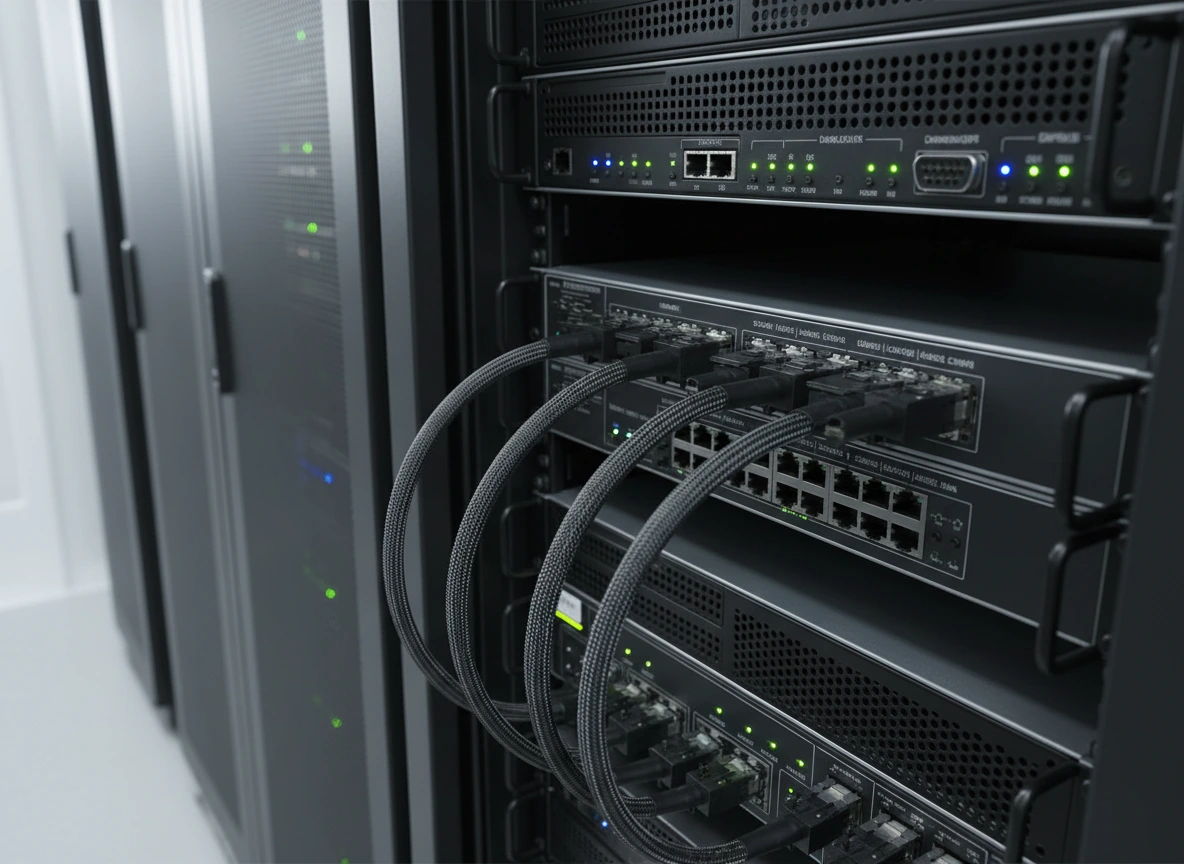
The “Slim” in SlimSAS refers to its reduced height and width compared to MiniSAS HD. This allows for better airflow within the server chassis, which is critical for maintaining the thermal health of the CPU and high-performance NVMe drives. Our 24Gbps compatible server cables provide the necessary flexibility for tight routing without compromising the internal wire structure.
| Standard | Interface Type | Lanes | Max Throughput | Primary Use Case |
|---|---|---|---|---|
| SFF-8654 4i | SlimSAS 4i | 4 Lanes | Up to 12Gbps (SAS) / 16GT/s (PCIe 4.0) | NVMe Boot Drives, Mid-range Storage |
| SFF-8654 8i | SlimSAS 8i | 8 Lanes | Up to 24Gbps (SAS) / 32GT/s (PCIe 5.0) | High-Density Backplanes, GPU Links |
| SFF-8643 | MiniSAS HD | 4 Lanes | Up to 12Gbps | Legacy Storage, SAS 3.0 Arrays |
Key Industry Applications (Where & Why)
The versatility of SlimSAS makes it the interconnect of choice for diverse B2B applications where performance cannot be sacrificed for size.
1. Enterprise NVMe Storage Arrays
Modern RAID controllers and HBAs (Host Bus Adapters) utilize SlimSAS to connect to high-speed backplanes. Our SFF-8654 8i to Dual SFF-8643 cables are a popular choice for bridging the gap between newer 8i controllers and legacy MiniSAS HD backplanes, providing a cost-effective upgrade path for data centers.
2. High-Performance Computing (HPC) & AI Servers
AI workloads require rapid data exchange between the CPU and specialized accelerators. The low latency of a direct PCIe link via SlimSAS is superior to traditional network-based storage. Longkai serves as a trusted supplier for AI infrastructure firms, providing the high-speed interconnects needed for real-time data processing.
3. Medical Imaging Systems
High-resolution diagnostic equipment often uses embedded servers to process massive image files. The reliability of our OCuLink and SlimSAS products ensures that medical data is transmitted without the risk of corruption, which is vital for patient safety and diagnostic accuracy.
Technical Standards & Certifications
In the industrial cabling sector, certifications are the foundation of E-E-A-T. Longkai Electronics operates a world-class manufacturing facility in Dongguan, certified to the highest international standards:
- ISO 9001:2015 & ISO 14001: Our factory management ensures consistent quality and environmental responsibility.
- CE & FCC Certification: Essential for B2B global trade, ensuring our SlimSAS cable assemblies meet all safety and electromagnetic requirements.
- Automated Testing: 100% of our high-speed cables undergo TDR (Time Domain Reflectometry) and eye-diagram testing to verify bandwidth and impedance compliance.
- RoHS & REACH: We use lead-free and non-toxic materials, facilitating sustainable supply chain practices for our global partners.
B2B Procurement Guide: Choosing the Right Solution
When ordering SlimSAS cable assemblies in bulk, engineers must look beyond the connector type. Consider these critical procurement factors:
Cable Length vs. Signal Integrity
PCIe 4.0 signals decay rapidly. While a trusted supplier like Longkai can produce cables up to 1 meter, we recommend keeping high-speed links as short as possible. For runs over 0.5 meters, we utilize higher-gauge (28AWG or 30AWG) silver-plated copper to maintain the signal-to-noise ratio.
Connector Orientation
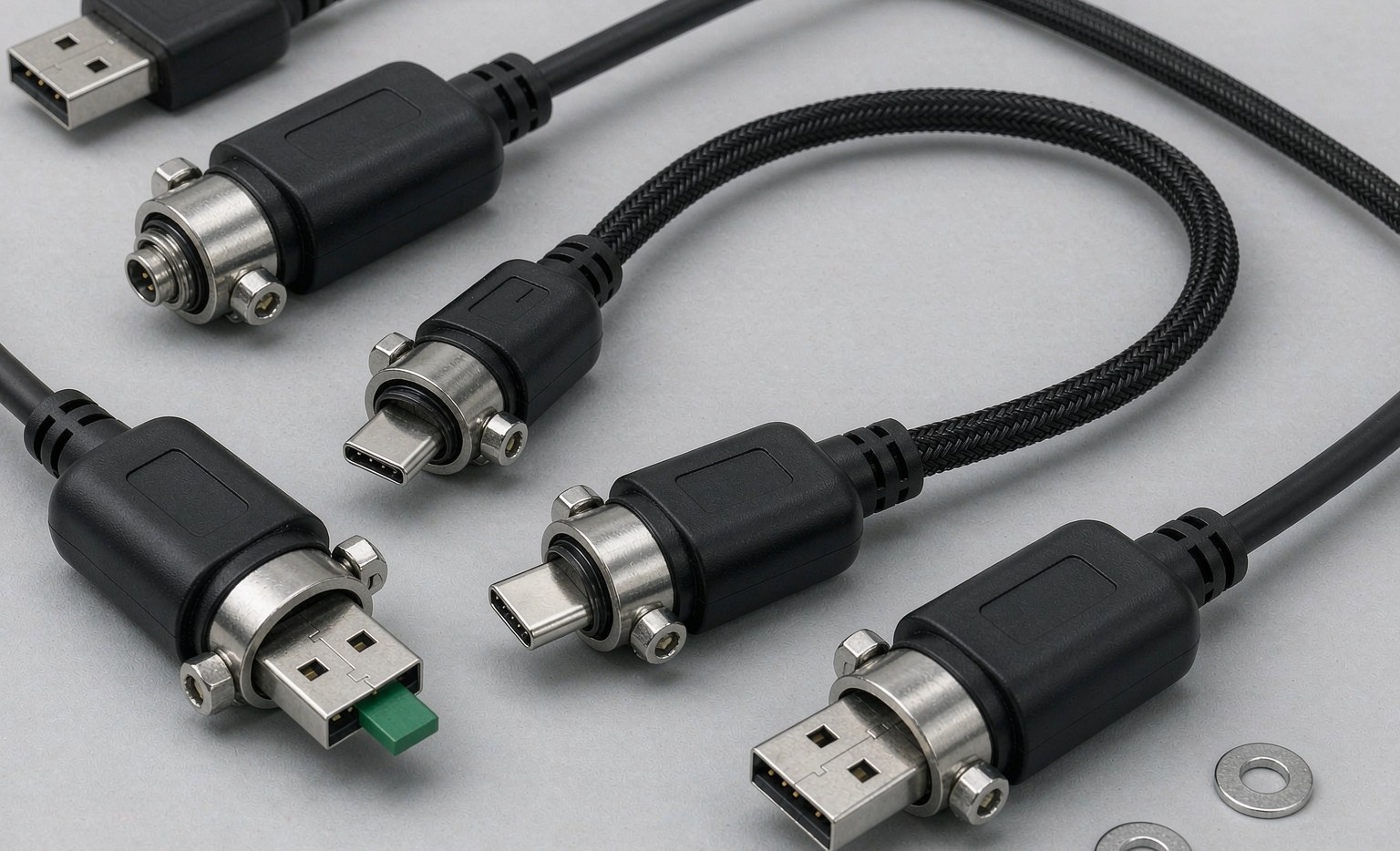
Server chassis are notoriously cramped. We offer straight, right-angle, and side-exit connectors to prevent unnecessary cable stress. Proper orientation reduces the risk of internal wire breakage and improves the longevity of the server’s internal wiring.
Hybrid Connectivity
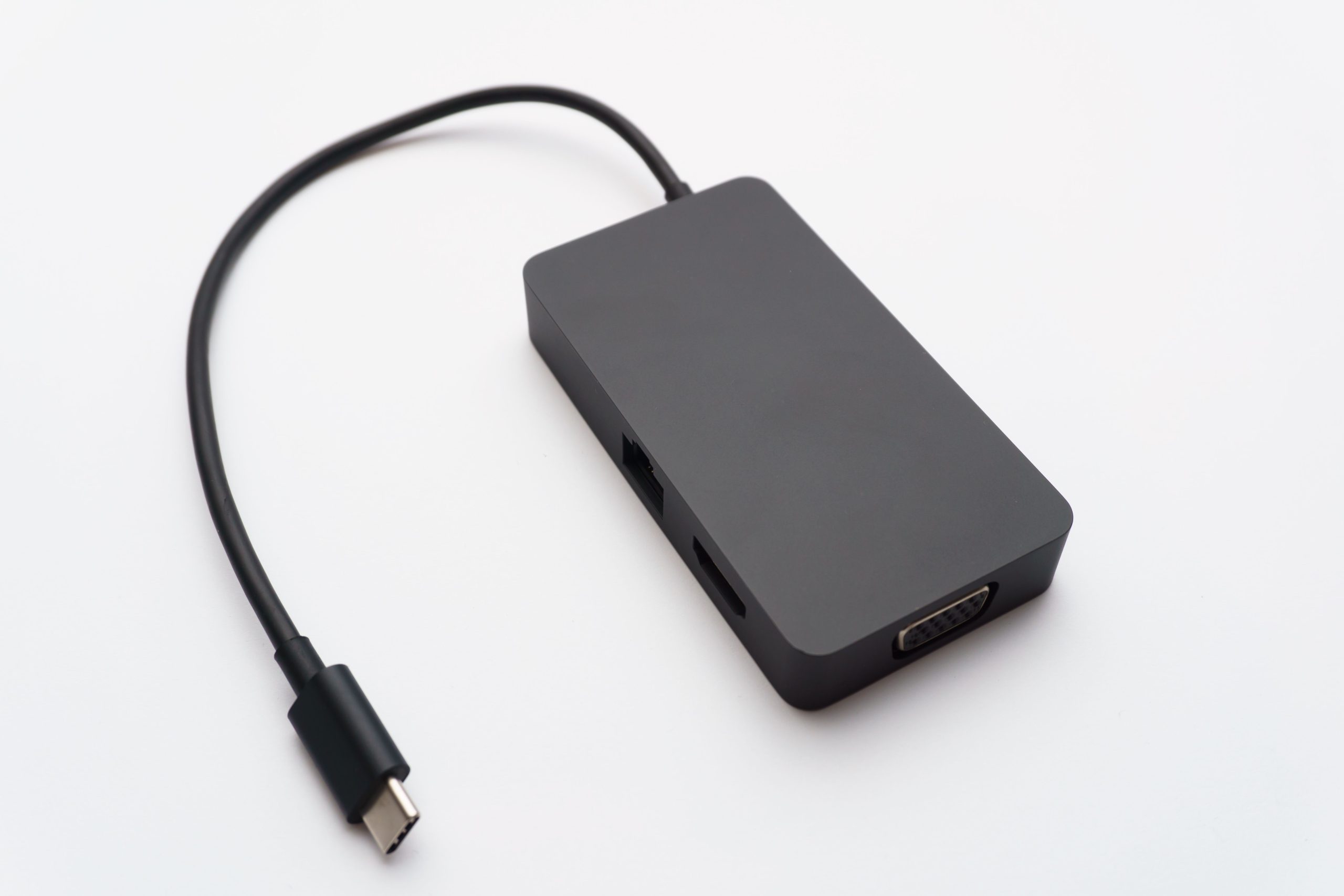
Many systems require connecting different standards. Whether you need MiniSAS HD to SlimSAS or OCuLink to SlimSAS, Longkai provides specialized hybrid assemblies that ensure seamless communication across hardware generations.
Why Partner with Longkai Electronics?
Since our establishment in 2012, Longkai Electronics (Lungkay Electronic) has adhered to the philosophy: “Quality leads the future and connects global possibilities.” We are a vertically integrated manufacturer, meaning we control the R&D, assembly, and testing in-house.
The Longkai Advantage:
- Proven Performance: Partnered with over 100 brands, including Samsung, LG, and BAYER.
- OEM/ODM Experts: We welcome custom requirements for pinouts, lengths, and specialized shielding for unique industrial hardware.
- Global Reach: We export to North America, East Asia, and Europe, providing a stable supply chain in an unpredictable market.
- Factory Direct: Gain direct access to our technical support team and competitive B2B pricing by eliminating middleman markups.
Optimize your storage infrastructure today. Contact Longkai Electronics for technical samples or a bulk quote on high-density SlimSAS interconnects. Explore our SlimSAS catalog here.
Frequently Asked Questions (FAQ)
What is the difference between SlimSAS 4i and 8i?
The “4i” and “8i” refer to the number of data lanes. SlimSAS 4i has 4 lanes (typically 38 pins), while SlimSAS 8i has 8 lanes (typically 74 pins). The 8i version provides double the bandwidth, making it ideal for high-performance RAID controllers and GPU interconnects.
Does Longkai support custom lengths for SFF-8654 cables?
Yes. As a trusted supplier with a dedicated R&D department, we can manufacture SlimSAS cable assemblies to your exact specifications. However, for PCIe 4.0 speeds, we provide engineering guidance to ensure the length does not exceed the signal integrity budget.
Is SlimSAS compatible with NVMe drives?
Absolutely. SlimSAS is one of the primary interfaces used to carry PCIe signals directly to NVMe backplanes. It is widely used in U.2 and U.3 storage ecosystems for high-speed, low-latency data transfer.
How do you ensure the durability of your high-speed server cables?
We use precision molding and reinforced strain relief to protect the delicate solder joints. Every cable undergoes mechanical pull tests and 100% electrical continuity testing to ensure it can withstand the rigors of server installation and maintenance.