In the modern data center environment, the explosive growth of Big Data and AI-driven workloads has placed unprecedented strain on storage architecture. The bottleneck of system performance often isn’t the drive itself, but the interconnect that bridges the controller and the backplane. The MiniSAS cable (Serial Attached SCSI) remains the industry standard for high-bandwidth, low-latency storage connectivity. However, as signal speeds transition from 6Gbps to 12Gbps and beyond, the physical integrity of these cables becomes a high-stakes variable. For IT managers and server engineers, finding a trusted supplier who can guarantee impedance matching and signal purity is no longer a luxury—it is a technical necessity.
Longkai Electronics (Lungkay Electronic), established in 2012, has evolved into a powerhouse for high-speed communication interconnects. We specialize in the R&D and production of professional MiniSAS cable assemblies, ensuring that data integrity is maintained even in high-density server environments. By partnering with global technology leaders like Samsung, LG, and LITEON, we have refined our manufacturing processes to meet the most stringent enterprise-level standards.
The Core Technology: SFF Standards and Signal Engineering
MiniSAS technology is defined by the Small Form Factor (SFF) committee standards. A trusted supplier must demonstrate a deep understanding of these specifications to ensure multi-vendor interoperability. Whether you are deploying internal storage or external JBOD arrays, the electrical characteristics of the cable—specifically crosstalk and insertion loss—determine the stability of the entire storage area network (SAN).
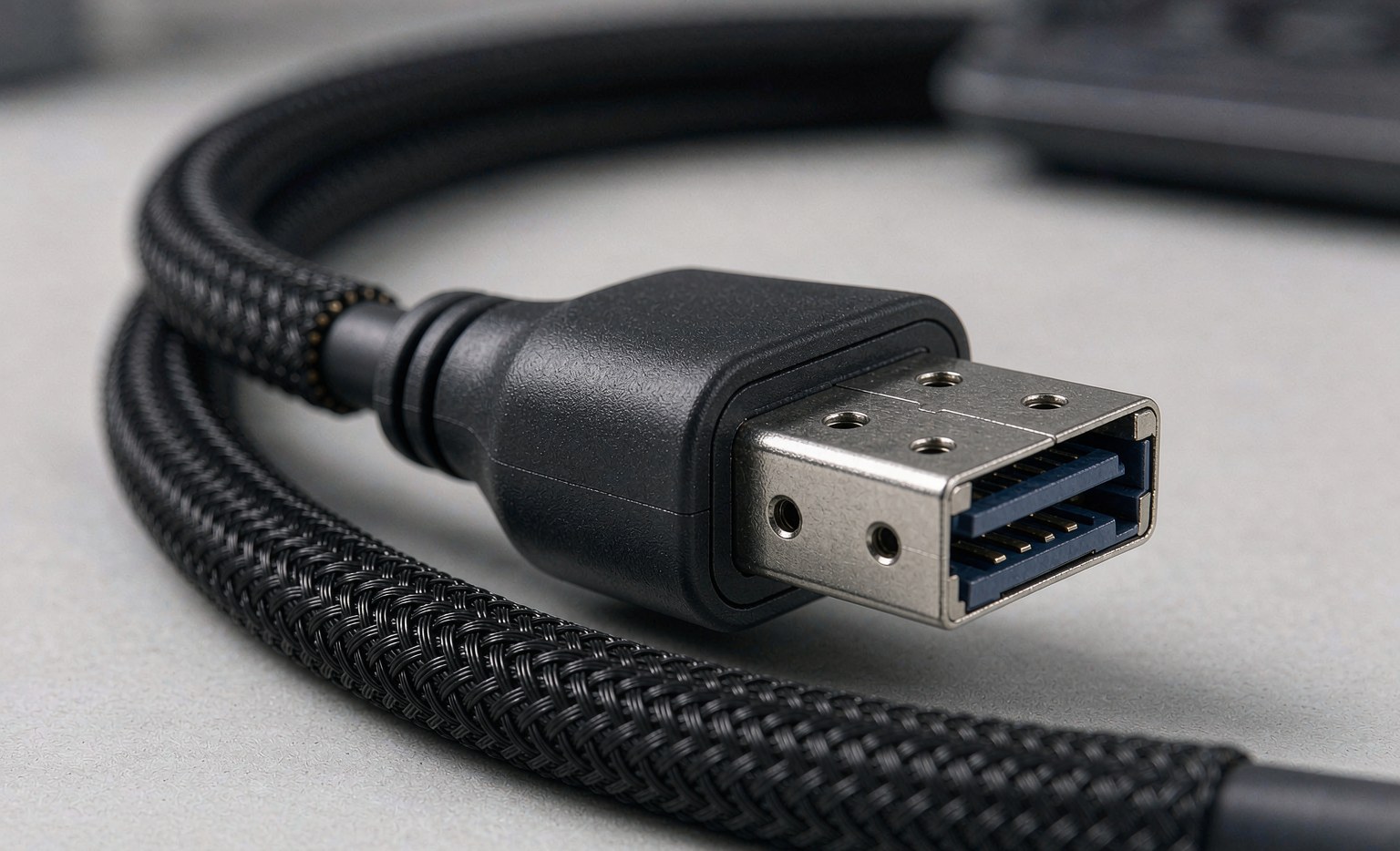
At Longkai, our MiniSAS HD cable series is engineered with high-purity silver-plated copper conductors. These conductors are essential for maintaining signal strength at 12Gbps (SAS 3.0) over longer distances. We utilize specialized twinaxial wiring that provides precise 100-ohm impedance matching, which is critical for preventing signal reflections that cause data corruption.
MiniSAS Connector Specification Comparison
| SFF Standard | Interface Name | Max Bandwidth | Location | Common Application |
|---|---|---|---|---|
| SFF-8087 | Mini SAS 4i | 6 Gbps per lane | Internal | Legacy Server Backplanes |
| SFF-8088 | Mini SAS 4x | 6 Gbps per lane | External | External RAID Enclosures |
| SFF-8643 | Mini SAS HD 4i | 12 Gbps per lane | Internal | Modern SAS 3.0 Controllers |
| SFF-8644 | Mini SAS HD 4x | 12 Gbps per lane | External | High-speed Data Center Interconnects |
| SFF-8654 | SlimSAS | 24 Gbps (SAS 4.0) | Internal | NVMe and Next-Gen Storage |
Key Industry Applications (Where & Why)
The versatility of SAS technology allows it to bridge the gap between traditional hard drives and modern NVMe SSDs. Longkai provides a wide array of specialized internal communication cables to meet these diverse needs.
1. Data Center Server Backplanes
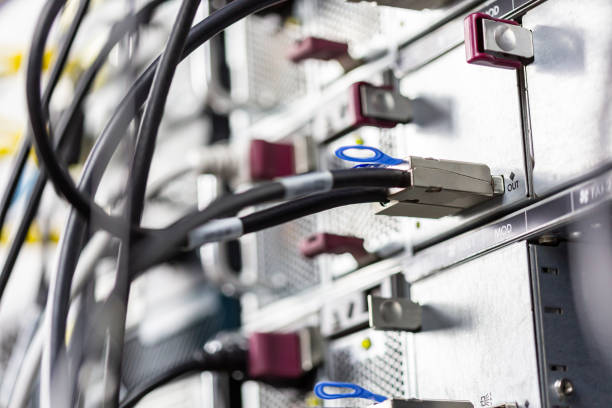
In high-density 1U and 2U servers, space is at a premium. Our MiniSAS HD 8i line bundles allow for a high concentration of data lanes in a slim profile, facilitating better airflow and cooling within the chassis. This is essential for preventing thermal throttling in high-performance computing clusters.
2. External Storage Arrays (JBOD)
For external storage expansion, mechanical durability is as important as electrical performance. Longkai’s external MiniSAS HD cables feature robust metal housings and secure pull-to-release latches, ensuring that connections remain stable even in environments with physical vibration.
3. NVMe Hybrid Infrastructure
Many modern architectures require bridging different standards. We offer specialized solutions like the OCuLink SFF-8611 to MiniSAS SFF-8643 cable. This allows legacy SAS infrastructure to interface with newer OCuLink-based NVMe controllers, providing a cost-effective path for storage upgrades.
Technical Standards & Certifications
As a trusted supplier, Longkai Electronics adheres to a global standard of excellence. Our manufacturing facility in Dongguan is optimized for high-frequency cable assembly, backed by the following credentials:
- ISO 9001:2015: Our quality management system ensures that every MiniSAS cable is traceable and meets rigorous manufacturing tolerances.
- CE & FCC Certification: Our products are tested for electromagnetic interference, ensuring they meet the legal requirements for export to North America and the EU.
- SAS 3.0 / 4.0 Compliance: We verify our high-speed cables using advanced network analyzers to ensure they support 12Gbps and 24Gbps bandwidth requirements.
- RoHS & REACH: All materials used in our SlimSAS and MiniSAS solutions are environmentally friendly and compliant with global chemical safety standards.
B2B Procurement Guide: Choosing the Right MiniSAS Cable
When procuring storage cables at scale, minor technical oversights can lead to major deployment delays. Consider the following factors before finalizing your order:
Connector Orientation and Pitch
MiniSAS connectors come in straight, right-angle, and side-exit configurations. Choosing the wrong orientation can lead to excessive cable bending, which increases signal attenuation. Always verify the clearance inside your server chassis to determine the optimal exit angle.
Sideband Signaling
A standard MiniSAS cable often includes sideband wires (SGPIO). These are critical for backplane management tasks such as drive activity LEDs and enclosure management. Ensure your supplier provides cables with correctly mapped sideband pinouts to avoid “drive-not-found” errors.
Passive vs. Active Copper
For internal connections under 1 meter, passive copper is standard. However, for external connections between racks, you may need active optical cables (AOC) or active copper to maintain signal integrity over longer distances. As a trusted supplier, we can consult on the best medium for your specific distance requirements.
Why Partner with Longkai Electronics?
Longkai Electronics (Lungkay Electronic) is not just a cable factory; we are an engineering-driven partner dedicated to your supply chain’s success. Since our establishment in 2012, we have focused on the philosophy: “Quality leads the future and connects global possibilities.”
Our Advantages Include:
- Vetted by Industry Giants: Our cables are deployed in systems for LG, Samsung, and CATL, proving our ability to meet the highest corporate quality audits.
- Vertical Production: From the initial R&D phase to high-volume manufacturing, we control every step. This vertical integration allows us to offer competitive factory-direct pricing for MiniSAS cable orders.
- OEM/ODM Flexibility: Need a custom length or a hybrid OCuLink to SlimSAS cable? Our engineering team specializes in custom harness design for specialized server builds.
- Global Supply Chain: With our facility strategically located in China’s manufacturing heartland and a robust logistics network, we ensure reliable delivery to North America, East Asia, and Europe.
Optimize your storage performance today. Contact our technical sales team for a quote or to request samples for your next server deployment. Explore our full MiniSAS and Storage range here.
Frequently Asked Questions (FAQ)
What is the difference between SFF-8087 and SFF-8643?
SFF-8087 is the legacy MiniSAS standard, supporting up to 6Gbps per lane (SAS 2.0). SFF-8643 is the MiniSAS HD (High Density) standard, supporting up to 12Gbps per lane (SAS 3.0). SFF-8643 has a smaller physical footprint, allowing for more connectors on a single RAID controller card.
Are MiniSAS cables backward compatible with SATA drives?
Yes. SAS controllers and cables are designed to be backward compatible with SATA drives. You can connect SATA drives to a SAS backplane using our MiniSAS cable assemblies, though you cannot connect SAS drives to a standard SATA controller.
What is the maximum length for a 12Gbps MiniSAS HD cable?
For internal passive copper cables (SFF-8643), the maximum recommended length to maintain 12Gbps signal integrity is typically 1 meter. For external connections (SFF-8644), passive copper can reach up to 6-7 meters, while active optical solutions can extend much further.
Do you support custom pinouts for specialized server backplanes?
Absolutely. As a trusted supplier with a dedicated R&D department, we can manufacture MiniSAS and SlimSAS cables with custom sideband configurations or hybrid connector ends to meet the specific requirements of OEM server hardware.