
Gbps Data Cable Technology: Enhancing High-Speed Data Transfer
Understanding Gbps Data Cable Technology
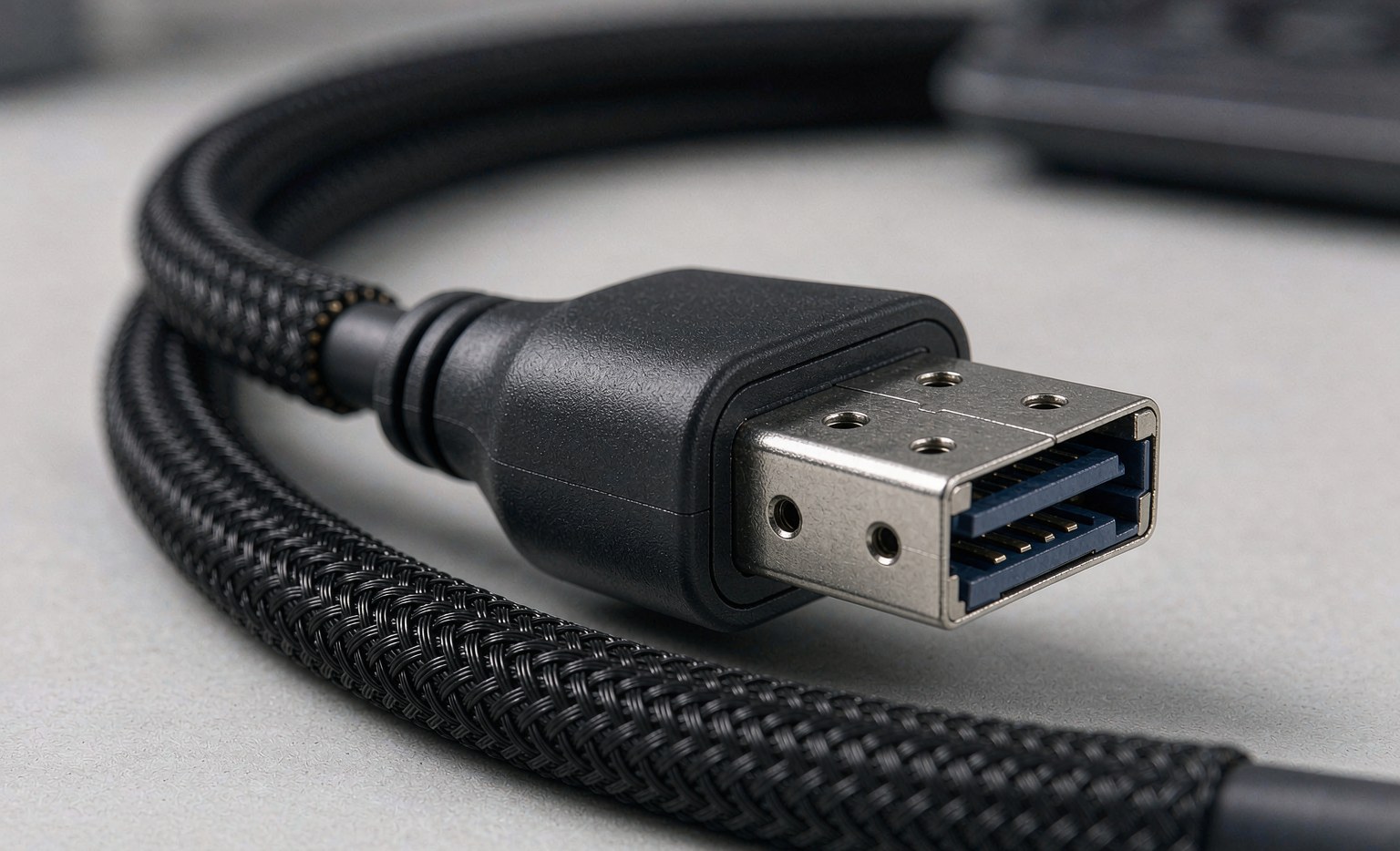
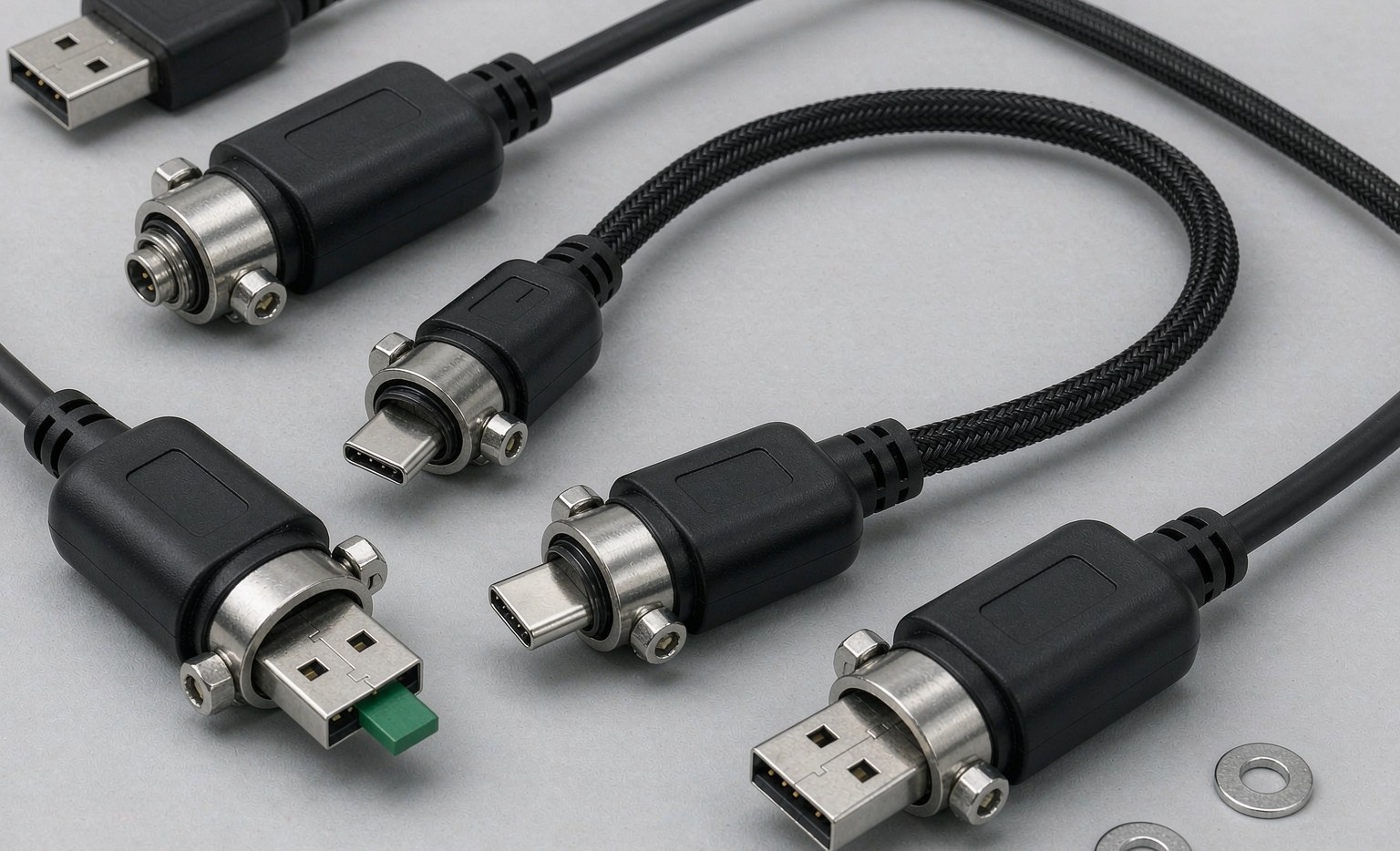
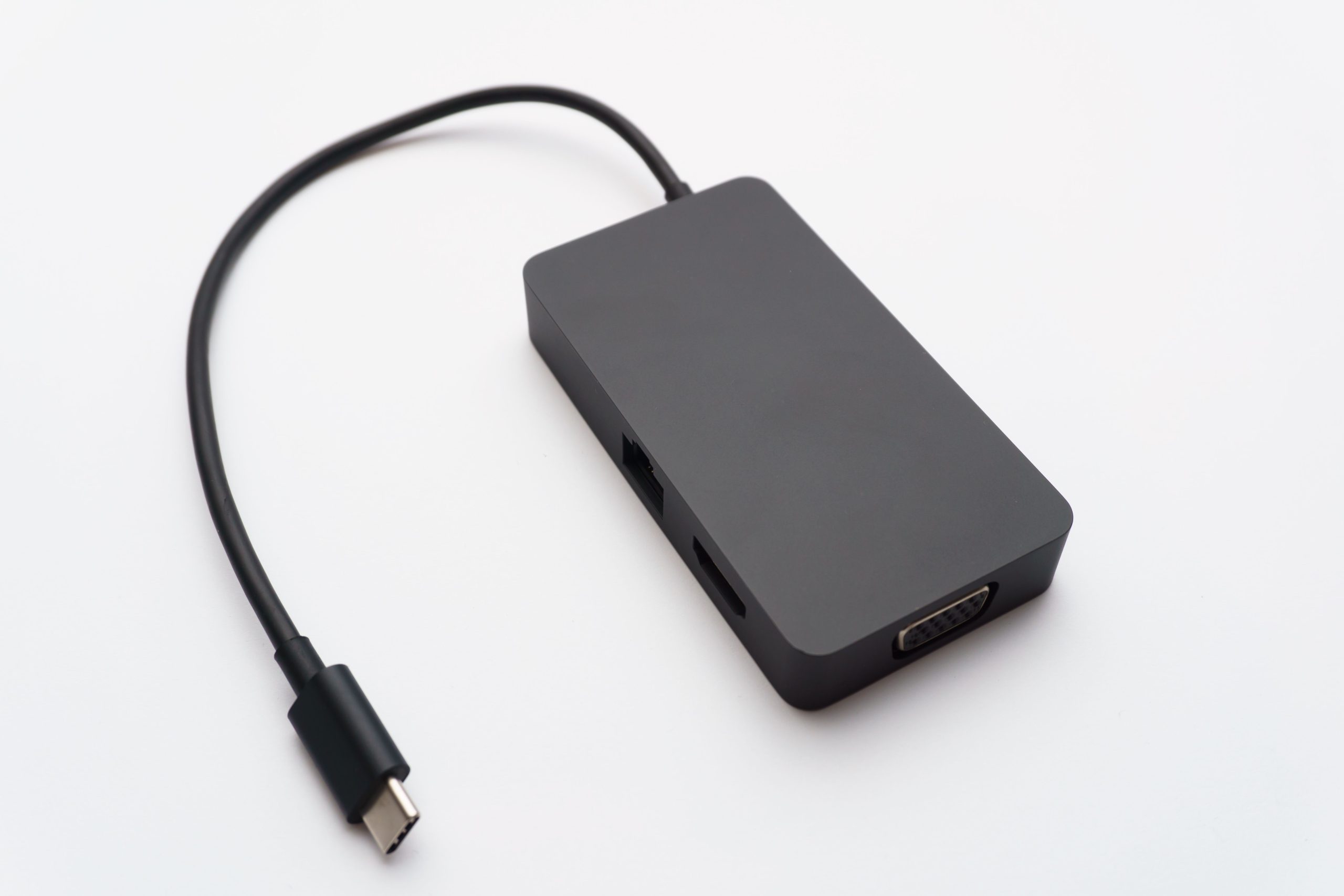
Gbps data cable technology refers to advancements in data cable design and manufacturing that enable high-speed data transfer rates measured in gigabits per second (Gbps). This technology supports data-intensive applications in various industries, such as data centers, high-performance computing, and 5G networks. The growing demand for high-speed data transfer has driven the development of Gbps data cable technology, which is becoming increasingly important for applications that require fast and reliable data transfer. For instance, USB4 Cable, with Thunderbolt 5 Cable, 240 W Charging Cable, 40 Gbps Data Cable, Gen3 cable,16K@60Hz 4K120Hz HDR, USB C to USB C Cable is a product that embodies this technology.
To achieve high-speed data transfer rates, Gbps data cable technology focuses on several key factors, including:
- Higher bandwidth capabilities: Gbps data cables are designed to support higher bandwidths, enabling faster data transfer rates. For example, USB4 cables support up to 40 Gbps, while Thunderbolt 5 cables support up to 80 Gbps.
- Improved signal integrity: Advanced materials and manufacturing processes are used to minimize signal degradation and ensure reliable data transmission. This includes the use of high-quality copper and fiber optic cables, as well as advanced shielding techniques.
- Enhanced durability and reliability: Gbps data cables are built to withstand the demands of high-speed data transfer, with features such as robust construction and advanced shielding. This ensures that the cables can operate reliably in a variety of environments.
- Advanced materials and manufacturing processes: The use of advanced materials, such as high-quality copper and fiber optic cables, and manufacturing processes, such as precision extrusion and advanced shielding techniques, enables the production of high-performance Gbps data cables. Solutions like High-Speed Data Cable Solutions for Enhanced Performance and Reliability are crucial in this aspect.
| Cable Type | Data Transfer Rate | Application |
|---|---|---|
| USB4 | Up to 40 Gbps | Multiple devices and applications, such as external storage devices and displays. |
| Thunderbolt 5 | Up to 80 Gbps | High-performance applications, such as data transfer between devices and external storage. |
| QSFP28 | Up to 100 Gbps | High-density data center applications, such as data center interconnects and high-performance computing. |
| QSFP-DD | Up to 400 Gbps | High-density data center applications, such as data center interconnects and cloud computing. |
| CFP8 | Up to 400 Gbps | High-density data center applications, such as data center interconnects and high-performance computing. |
When selecting a Gbps data cable, it is essential to consider factors such as data transfer rate, cable length, and compatibility with devices. For example, USB4 cables are suitable for multiple devices and applications, while Thunderbolt 5 cables are designed for high-performance applications. Additionally, it is crucial to ensure that the cable is compatible with the devices being used and that it meets the required industry standards, similar to those discussed in Cable Assemblies for High-Speed Data Transmission: Performance and Reliability Solutions.
The steps to choose the right Gbps data cable include:
- Determine the required data transfer rate: Identify the data transfer rate required for your application.
- Select the appropriate cable type: Choose a cable type that supports the required data transfer rate, such as USB4 or Thunderbolt 5.
- Consider cable length: Ensure that the cable is the correct length for your application.
- Check compatibility: Verify that the cable is compatible with your devices.
- Verify industry standards compliance: Ensure that the cable meets the required industry standards and specifications.
Applications of Gbps Data Cable Technology
Gbps data cable technology has various applications across industries, including:
- Data centers: Gbps data cables enable high-speed data transfer between servers, storage devices, and network equipment. This is critical for applications such as cloud computing, big data analytics, and high-performance computing.
- High-performance computing: Gbps data cables support high-speed data transfer between devices, such as supercomputers and high-performance storage systems. This enables fast data processing and analysis.
- Medical diagnostic equipment: Gbps data cables enable high-speed data transfer between medical devices, such as MRI and CT scanners, and data storage systems. This is essential for medical imaging and diagnostics.
- Cloud computing: Gbps data cables support high-speed data transfer between cloud infrastructure, such as data centers and cloud storage systems. This enables fast data access and processing.
- 5G networks: Gbps data cables enable high-speed data transfer between 5G network equipment, such as base stations and core networks. This is critical for the deployment of 5G networks.
- Artificial intelligence and machine learning: Gbps data cables support high-speed data transfer between AI and ML devices, such as GPUs and TPUs, and data storage systems. This enables fast data processing and analysis.
- High-speed storage: Gbps data cables enable high-speed data transfer between storage devices, such as NVMe SSDs, and host systems.
In data centers, Gbps data cables are used to interconnect servers, storage devices, and network equipment, enabling high-speed data transfer and supporting cloud computing, big data analytics, and other data-intensive applications. The use of Gbps data cables in data centers can help to reduce latency, improve performance, and increase scalability.
Some notable examples of Gbps data cable technology in data centers include:
- Facebook’s data center infrastructure, which uses high-speed interconnects to enable fast data transfer between servers and storage devices.
- Google’s data center infrastructure, which uses advanced networking technologies, including Gbps data cables, to support high-speed data transfer and cloud computing.
- Amazon’s data center infrastructure, which uses high-speed interconnects, including Gbps data cables, to support fast data transfer and cloud computing.
Benefits of Gbps Data Cable Technology
The adoption of Gbps data cable technology offers several benefits, including:
- Enhanced performance: Gbps data cables enable high-speed data transfer, reducing latency and improving overall system performance.
- Increased reliability: Gbps data cables are designed to ensure reliable data transmission, minimizing errors and data loss.
- Future-proofing: Gbps data cables are designed to support future technologies and applications, ensuring compatibility and scalability.
- Reduced costs: Gbps data cables can reduce costs by minimizing the need for multiple cables and connections.
- Improved scalability: Gbps data cables enable easy scalability, supporting the addition of new devices and applications.
- Simplified installation: Gbps data cables can simplify installation by reducing the number of cables required and providing a more straightforward installation process.
To ensure optimal performance and reliability, it is essential to follow best practices when installing and maintaining Gbps data cables, such as:
- Proper cable routing and management: This includes planning the cable route, securing the cables, and ensuring that they are not damaged or bent excessively.
- Secure connections and terminations: This includes ensuring that the cables are properly connected to devices and that the connections are secure.
- Regular cable inspection and testing: This includes regularly inspecting the cables for damage or wear and testing them to ensure that they are functioning correctly.
- Compliance with industry standards and specifications: This includes ensuring that the cables meet the required industry standards and specifications, such as those for data transfer rate and signal integrity.
Frequently Asked Questions (FAQs):
- Q: What is the difference between Gbps and GBps?
A: Gbps refers to gigabits per second, while GBps refers to gigabytes per second. Gbps is a measure of data transfer rate, while GBps is a measure of data storage or transfer capacity. - Q: What are the advantages of using Gbps data cables over traditional data cables?
A: Gbps data cables offer higher data transfer rates, improved signal integrity, and enhanced durability and reliability compared to traditional data cables. - Q: Can Gbps data cables be used with older devices?
A: Gbps data cables can be used with older devices that support the same interface and data transfer rate. However, the data transfer rate will be limited by the older device’s capabilities. - Q: How do I choose the right Gbps data cable for my application?
A: When choosing a Gbps data cable, consider factors such as data transfer rate, cable length, and compatibility with devices. Ensure that the cable meets the required industry standards and specifications. - Q: What are the common applications of Gbps data cable technology?
A: Gbps data cable technology has various applications across industries, including data centers, high-performance computing, medical diagnostic equipment, cloud computing, 5G networks, and artificial intelligence and machine learning. - Q: What are the benefits of using Gbps data cables in data centers?
A: Gbps data cables can help to reduce latency, improve performance, and increase scalability in data centers. - Q: How do I ensure the reliability and performance of Gbps data cables?
A: To ensure the reliability and performance of Gbps data cables, follow best practices for installation and maintenance, such as proper cable routing and management, secure connections and terminations, and regular cable inspection and testing.

Additional considerations for Gbps data cable technology include:
- Signal integrity: Gbps data cables require careful consideration of signal integrity to ensure reliable data transmission.
- Electromagnetic interference (EMI): Gbps data cables can be susceptible to EMI, which can impact signal integrity and data transfer rates.
- Cable management: Proper cable management is essential to ensure that Gbps data cables are installed and maintained correctly.
- Testing and validation: Gbps data cables should be tested and validated to ensure that they meet the required industry standards and specifications.