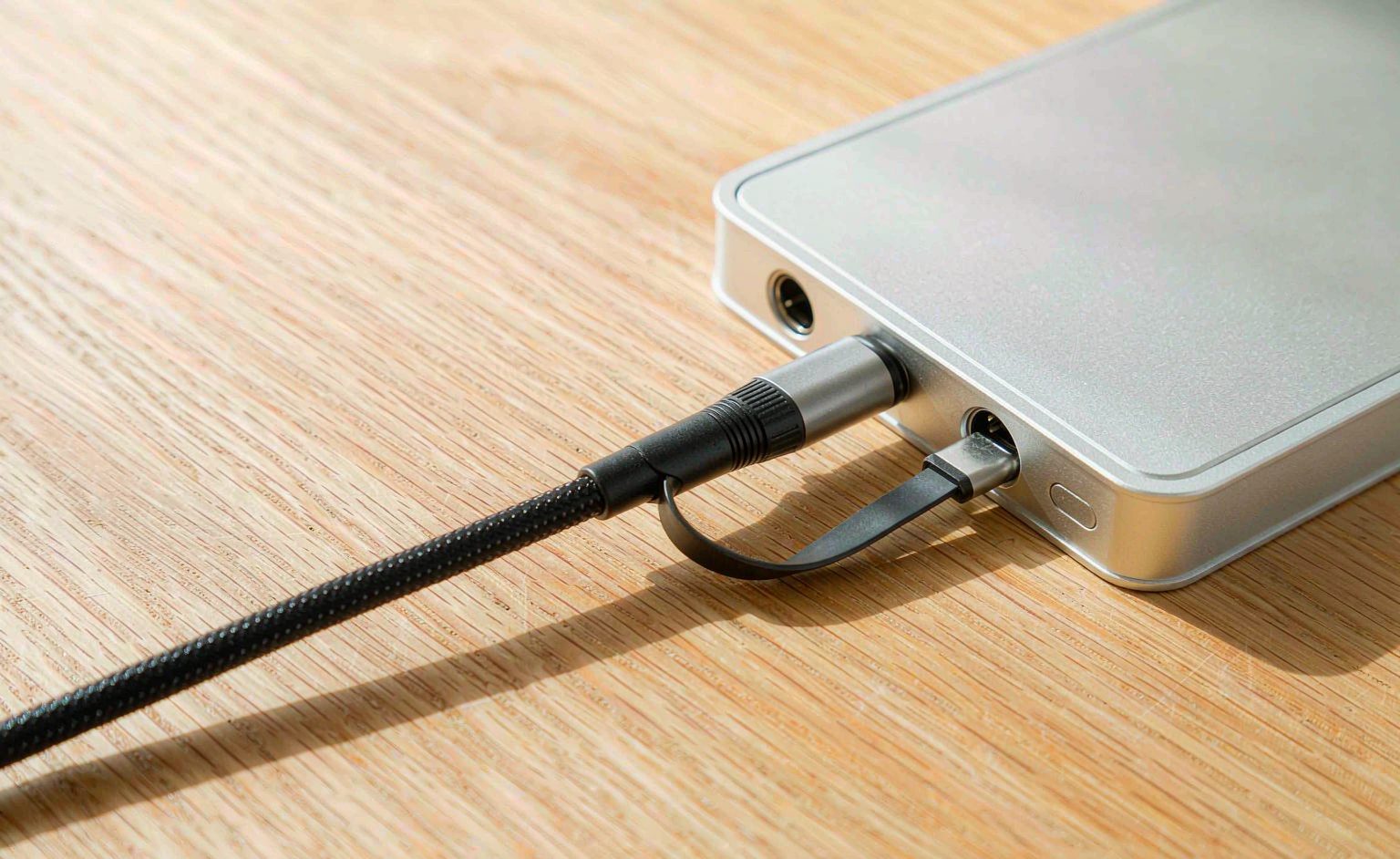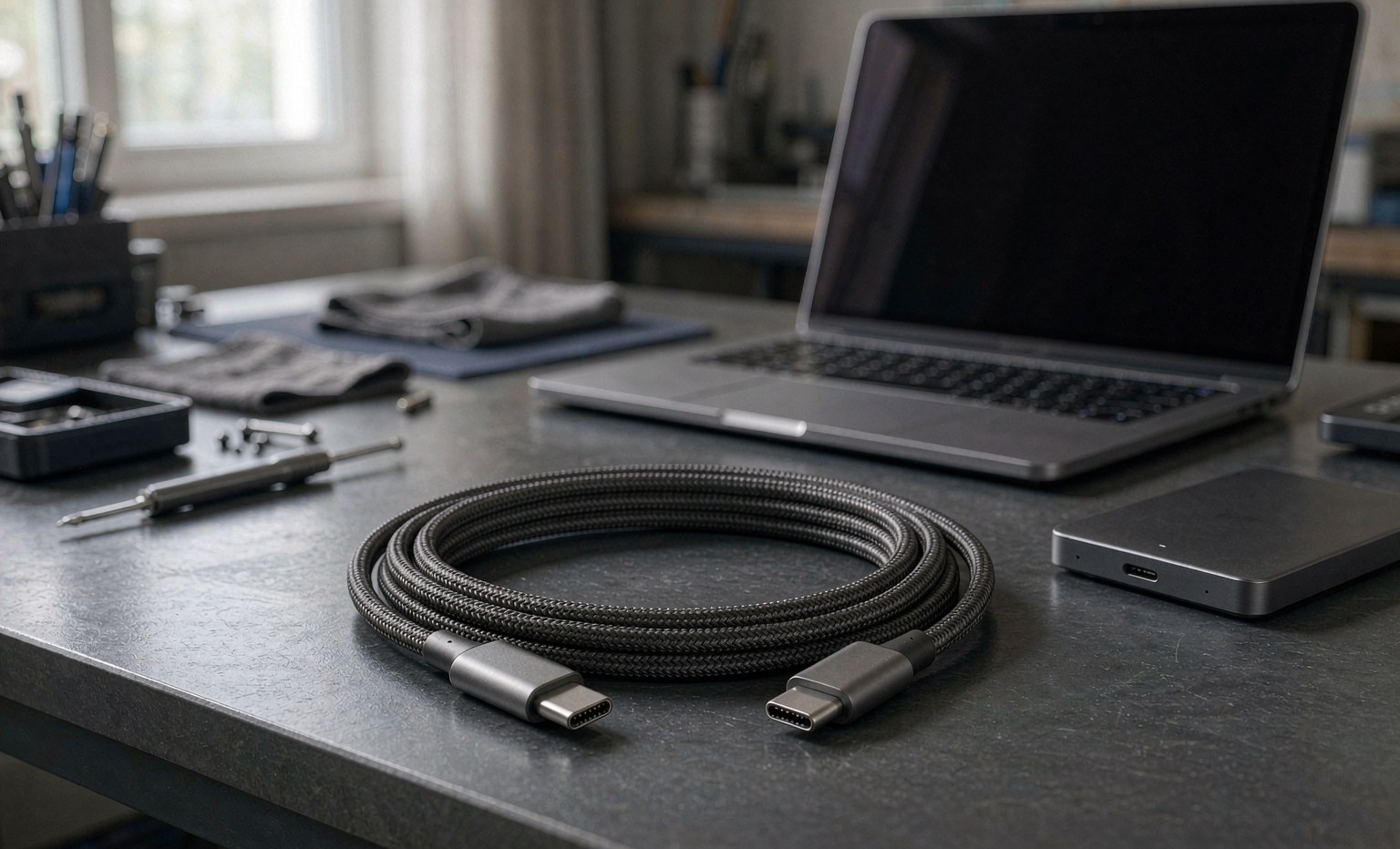
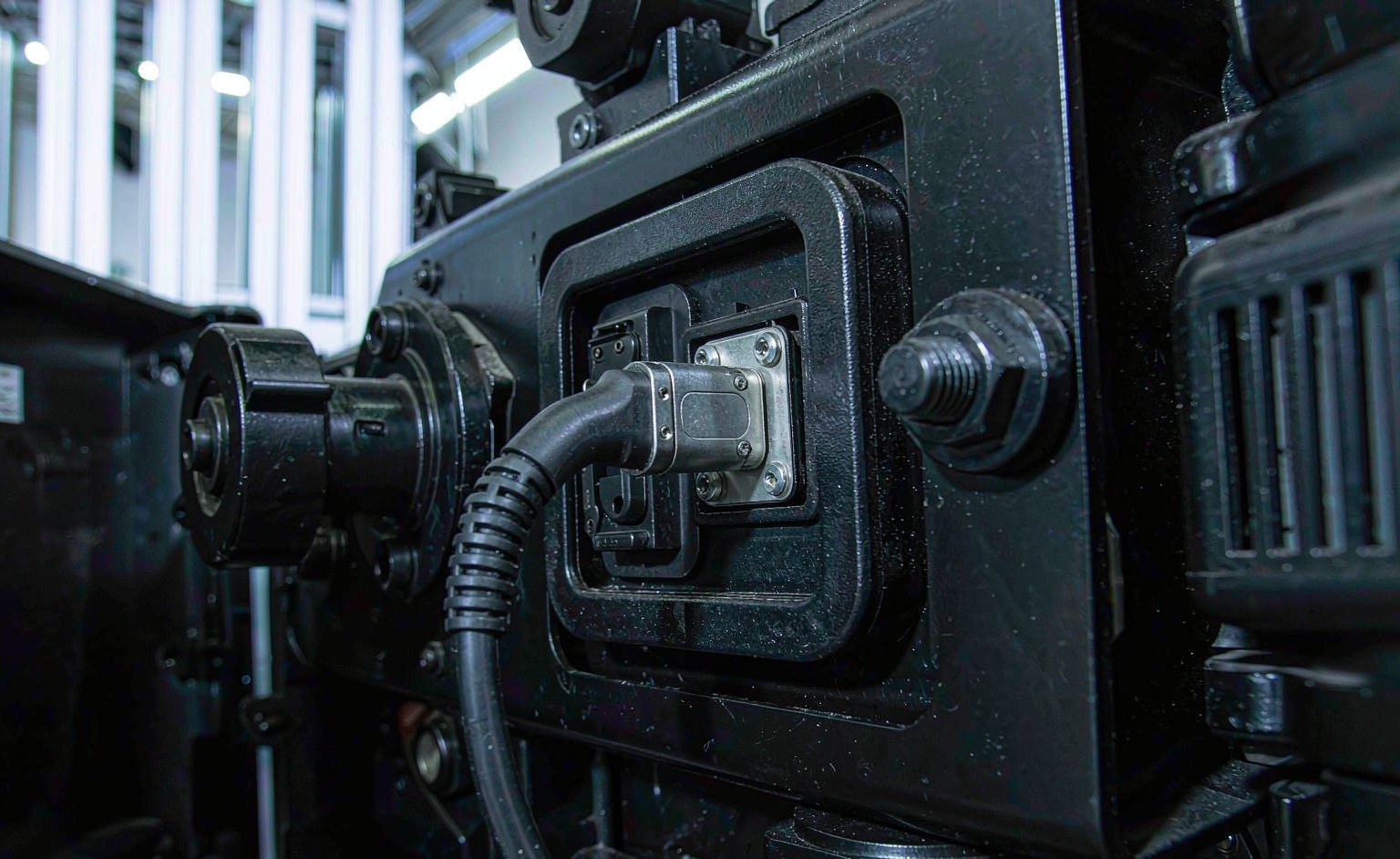
USB-C is rated for roughly 10,000 mating cycles, which sounds like forever and rarely is. In a lab, yes; in a factory floor, a vehicle or a field device, the rating is eaten by abrasion, corrosion, mechanical strain and cheap plating. Durability is a system property — the receptacle, the cable’s overmold, the retention, and the environment — not a single number. This guide covers the rating, the failure modes that actually kill connectors, and how to specify one that survives.
Key Takeaways
- The ~10,000-cycle rating is lab-based; real life (abrasion, corrosion, strain) cuts it sharply.
- Failure modes: plating wear, spring/receptacle fatigue, overmold cracking, retention loss.
- Industrial use needs stainless/screwed retention, not friction-fit consumer shells.
- Gold flash vs hard gold vs tin plating changes corrosion and wear behavior.
- Spec the whole assembly (receptacle + cable + strain relief), not the connector alone.
The Rating and What It Really Means
The 10,000-cycle figure comes from controlled lab mating at specified force and cleanliness. Real environments add grit, humidity, repeated strain and cheaper materials, and the effective life drops. The universal standard behind the connector is in our USB-C explainer. The rating is a ceiling, not a promise, which is why the assembly matters more than the headline number.
| Failure mode | Cause | Mitigation |
|---|---|---|
| Plating wear | Repeated contact friction | Hard gold / thicker plating |
| Spring fatigue | Receptacle leaf spring loses tension | Specified cycle-rated receptacle |
| Overmold crack | Strain at cable boot | Strain relief, molded boot |
| Retention loss | Environmental vibration | Screw-lock / latching |
Plating and Corrosion
Contact plating decides both wear and corrosion. A gold flash looks gold and wears through quickly; hard gold (thicker, sometimes with an underlayer) lasts far longer in cycling and humid use. Tin is cheap and fine in benign indoor use but tarnishes. For industrial and field equipment, the choice is a durability decision, not a cosmetic one, and it pairs with the power rating covered in our wire-gauge and power guide.
Retention for Harsh Environments
Consumer USB-C relies on friction fit — fine on a desk, fatal on a vibrating machine or a vehicle. Industrial variants add screw-locking or latching retention so the connection cannot walk out. The retention logic is in our industrial USB cable specs, and the 240W high-power case — where heat compounds wear — is in our e-marker guide.
Preguntas frecuentes
Is 10,000 cycles realistic?
In a clean lab, yes; in field or industrial use with abrasion, humidity and strain, real life is much shorter.
What actually fails first?
Usually plating wear or receptacle spring fatigue, then overmold cracking at the cable boot.
Does gold plating matter?
Yes for cycling and humidity; a gold flash wears through fast, hard gold lasts far longer.
How do I make USB-C survive vibration?
Use screw-locking or latching retention instead of friction fit.
Should I spec the connector or the assembly?
The assembly — receptacle, cable overmold, strain relief and retention together decide life.
Does high power hurt durability?
Heat from high-power transfer accelerates wear and plating degradation; account for it at 240W.
Technical background: USB-C, USB and reversible connectors cover the standard.