Prologue: The $500,000 Connector
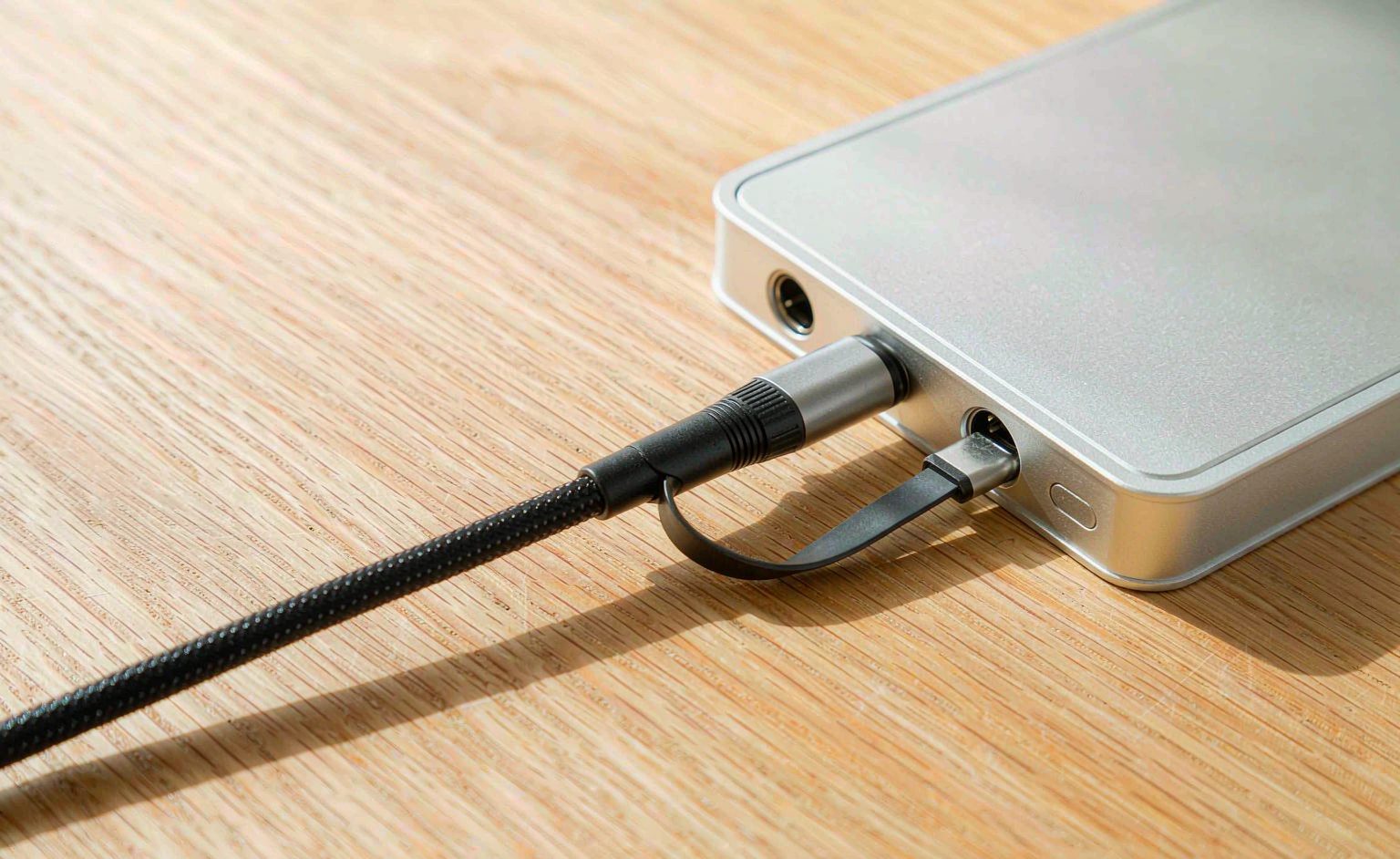
In the spring of 2023, a mid-sized automotive parts manufacturer in the American Midwest faced a catastrophic failure. For six hours, one of its primary robotic assembly lines went dark. The cause, discovered after a frantic, line-by-by-line diagnostic process, was not a software bug or a mechanical breakdown of a multi-million-dollar robot. It was a single, frayed Cable industrial—a component with a purchase price of less than fifty dollars. The connection to a critical sensor on a robotic arm had failed due to years of unmitigated vibration and flex fatigue. The direct cost of the downtime—lost production, idle labor, and expedited shipping to meet client deadlines—was estimated by the company’s COO to be in excess of half a million dollars. This was, for all intents and purposes, a $500,000 connector.
This story, based on a real-world event with details anonymized, is not an anomaly. It is a stark illustration of a hidden crisis that plays out every day in factories, data centers, and critical infrastructure around the globe. It is the crisis of the “low-cost component,” a pervasive mindset that treats connectivity as a disposable commodity, ignoring the monumental financial and operational risks of its failure. We have become experts at calculating the upfront cost of a cable, but we remain dangerously naive about its true cost—the colossal, cascading impact of its failure.
This investigative report will dissect the anatomy of these failures and quantify their true cost. We will move beyond the simple price tag and explore the complex, interconnected web of consequences that a single failed connection can trigger. Through an analysis of real-world scenarios in data centers, industrial automation, and professional environments, we will build a compelling economic case for a new philosophy of connectivity: one that treats the quality of a Ensamblaje de cable not as an expense, but as one of the most critical investments a technology-driven organization can make. This is an exploration of the ripple effect, a deep dive into the profound and often devastating consequences of the weakest link.
Part I: The Data Center Blackout — When Latency Becomes a Liability
El moderno centro de datos is the engine of the digital economy. It is a high-performance ecosystem where success and failure are measured in microseconds. For financial trading firms, e-commerce giants, and cloud service providers, downtime is not just an inconvenience; it is a direct and immediate loss of revenue. A 2022 industry report by the Uptime Institute revealed that over 60% of all significant data center outages cost more than $100,000, with 15% costing over $1 million. While the causes of these outages are varied, a surprising number can be traced back to the physical layer, the humble infrastructure of cables and connectors.
Case Study: The Intermittent Storage Array
Consider a common but insidious scenario: a high-traffic e-commerce platform running on a storage area network (SAN). The storage arrays are connected to the core servers using a series of MINI SAS cables. One of these cables, a non-certified, low-cost alternative purchased to save a few hundred dollars on a multi-million-dollar server deployment, has a microscopic flaw in its termination. It doesn’t fail completely; instead, it begins to introduce a higher-than-normal bit error rate (BER) under heavy load.
The immediate consequences are not a full outage, but a subtle and corrosive degradation of performance:
- Increased Latency: The storage protocol (SAS) has built-in error correction. When it detects a corrupted data packet, it requests a retransmission. This process happens in milliseconds, but when it happens thousands of times a minute, it introduces significant latency into the system. For the end-user, this translates to slower page load times and a frustrating checkout experience.
- The Diagnostic Nightmare: This “soft failure” is incredibly difficult to diagnose. The system logs will show performance issues, but they won’t point to a “failed cable.” The IT team will spend days, or even weeks, troubleshooting the software, the network switches, and the server itself, burning hundreds of hours of expensive engineering time.
- The Tipping Point: During a peak traffic event, like a holiday sale, the retransmission requests overwhelm the controller, causing the entire storage array to drop from the fabric. The website goes down.
The true cost in this scenario is a multi-layered financial disaster:
- Direct Revenue Loss: Every minute the site is down translates to lost sales.
- Wasted Operational Expense: The cost of the engineering hours spent troubleshooting the wrong problem.
- Reputational Damage: Customers who have a bad experience may never return. The long-term loss of customer trust can be the most damaging cost of all.
The “savings” of a few hundred dollars on the initial es un componente complejo e ingenierizado con precisión, pero a menudo se percibe y vende como una simple mercancía. Esta desconexión crea un terreno fértil para fabricantes que toman atajos, sustituyendo la calidad por ganancias. Estos compromisos, aunque a menudo invisibles al ojo desnudo, pueden clasificarse en tres "pecados" fundamentales que definen el cable de baja calidad. purchase has created a ripple effect costing tens or hundreds of thousands of dollars. A modern, high-performance solution like a certified Cable SlimSAS, built with the precision to handle high-frequency signals without degradation, would have prevented this entire cascade of failure.
Part II: The Factory Floor Shutdown — Where Reliability is Production
Si el centro de datos es el motor de la economía digital, la fábrica automatizada es el motor de la física. En el mundo de la Industria 4.0, el objetivo es el “manufacturamiento sin luces” (lights-out), un proceso completamente automatizado donde cada componente funciona en perfecta e ininterrumpida armonía. En este entorno, la fiabilidad no es solo una característica; es la única métrica de éxito. Todo el modelo financiero de una fábrica automatizada se basa en el tiempo operativo, y la amenaza más común a ese tiempo operativo es la falla de la capa de conectividad física.
Estudio de caso: El robot ciego
Devolvamos la atención a nuestro ejemplo inicial del fabricante de piezas automotrices. El componente que falló era un Cable industrial que conectaba una cámara de visión por máquina con su controlador. El trabajo de esta cámara era guiar un brazo robótico para realizar una soldadura de alta precisión. Analicemos los fracasos de ingeniería y económicos que condujeron a este incidente de medio millón de dólares.
El cable original era un cable USB estándar de catálogo, no un conjunto industrial de propósito específico. Esta única decisión creó múltiples puntos de falla:
- Falta de seguridad mecánica: El cable utilizaba un conector USB estándar de ajuste por fricción. Las vibraciones constantes y de alta frecuencia del brazo robótico hicieron que el conector se aflojara gradualmente con el tiempo. La falta de un USB Cable locking mecanismo fue el defecto de diseño principal.
- Fatiga por flexión: El cable no estaba calificado para una alta vida de flexión. La constante flexión y torsión del movimiento del brazo robótico hicieron que los conductores de cobre dentro del cable se vuelvan frágiles y finalmente se agrieten.
- Blindaje inadecuado: El cable se enruta en un Arnés de cable junto a líneas de alimentación de motores de alta tensión. Las intensas EMI de estas líneas probablemente causaron corrupción intermitente de datos mucho antes de la falla física final, lo que condujo a defectos de producción sutiles y sin seguimiento.
El verdadero costo de esta falla se puede desglosar en una ecuación financiera devastadora:
- Costo de Tiempo Inactivo = (Unidades Perdidas por Hora x Ganancia por Unidad x Horas de Tiempo Inactivo) + Costos de Mano de Obra Inactiva
- Costo de Reparación = Costo de Repuestos de Reemplazo + (Horas para Diagnosticar x Tasa de Mano de Obra) + (Horas para Reparar x Tasa de Mano de Obra)
- Costo de Riesgo = Costo de Materiales Desperdiciados + Costo de Envío Expresado + Posibles Penalizaciones por Entrega Tardía
Cuando se suma esta ecuación, la diferencia de precio aparentemente insignificante entre un cable estándar y uno Cable industrial becomes laughably small. An investment in a properly engineered solution—one with locking connectors, a high-flex-life rating, and durable multi-layer shielding—is not a cost; it is an insurance policy against a catastrophic financial event.

Parte III: Los costes ocultos en cada entorno — Un principio universal
Aunque las consecuencias del fallo son más dramáticas en centros de datos y fábricas, el efecto dominó de una conectividad deficiente es un principio universal que impacta todos los entornos tecnológicos, aunque a escalas diferentes.
La hora perdida del profesional
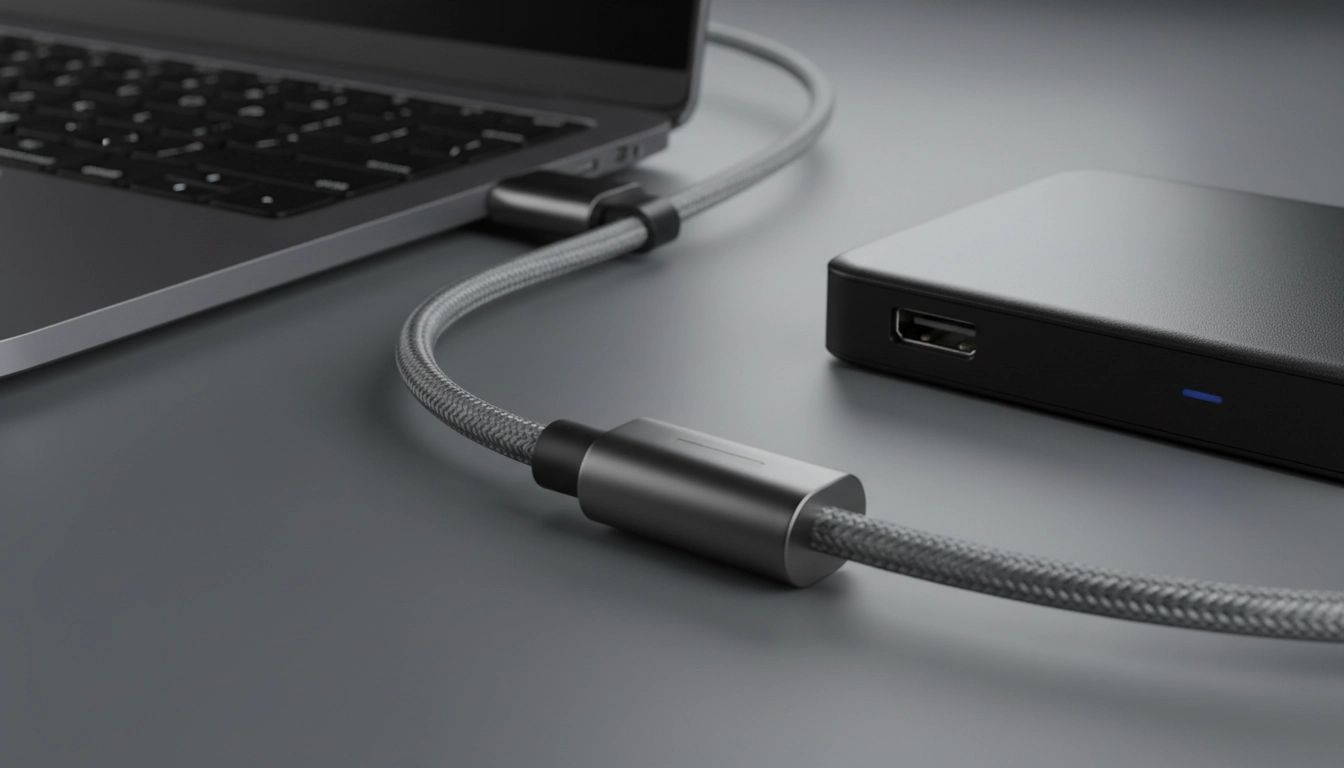
Considere a un editor de video que trabaja con un plazo ajustado. Está utilizando un portátil de última generación con un rendimiento potente Cable U4 puerto, conectado a un SSD externo de alta velocidad. Sin embargo, está usando un cable barato y no certificado Cable Tipo C que venía con un dispositivo diferente. El cable no puede mantener la integridad de la señal requerida para velocidades de 40 Gbps, y la conexión se interrumpe constantemente o se ahoga, convirtiendo una transferencia de archivos de 10 minutos en una odisea de 45 minutos. El coste aquí no es una parada de fábrica, pero es real: una hora del tiempo de un profesional altamente remunerado desperdiciada, un plazo incumplido y una enorme frustración personal. Multiplicado por toda una organización, este “coste blando” por pérdida de productividad puede ser considerable.
La red poco fiable
En una oficina corporativa, se instala una nueva red Gigabit, pero para ahorrar dinero, se reutiliza la infraestructura existente, más antigua. ethernet cable Muchas de estas cables son Cat 5, no el Cat 5e o Cat 6 requerido. El resultado es que toda la red rinde por debajo de su capacidad, con empleados que experimentan un acceso lento a archivos y videollamadas cortadas. El coste es un arrastre sutil pero pervasivo sobre la eficiencia de toda la empresa, un impuesto diario pagado por un fallo único de invertir en la infraestructura física adecuada.
Parte IV: La solución proactiva — Diseñar para la fiabilidad
La evidencia es abrumadora. Tratar la conectividad como un producto de bajo coste es una estrategia fracasada que conduce a consecuencias financieras previsibles y a menudo desastrosas. La solución es invertir el paradigma: tratar la capa de conectividad física como una pieza de infraestructura crítica, digna del mismo nivel de planificación estratégica e inversión que los servidores y maquinaria que conecta. Esta es la filosofía de “diseñar para la fiabilidad”.”
This approach requires a partnership with a manufacturer that understands and embodies this philosophy. It requires a partner whose business is selling cables and, just as importantly, engineering solutions to complex connectivity challenges. This is the role that a company like Longkai Electronics plays in the modern technology ecosystem.
Diseñar para la fiabilidad significa:
- Especificar para el entorno, no solo para el conector: Significa ir más allá de “necesito un cable USB” a “necesito una solución USB con un conector de bloqueo, una funda de PUR y una clasificación certificada de vida de flexión alta para una aplicación robótica”.”
- Exigir calidad verificable: Significa elegir un socio cuyo compromiso con calidad is a marketing claim and, just as importantly, is proven by internationally recognized certifications like ISO 9001 and backed by a rigorous, multi-stage testing protocol for every single Ensamblaje de cable.
- Invertir en longevidad: Significa comprender que el verdadero costo de un componente es su precio de adquisición más el costo de todas las fallas que causará durante su vida útil. Un cable ligeramente más caro, diseñado por expertos y con una tasa de falla prácticamente nula, siempre tendrá un Costo Total de Propiedad menor que una alternativa barata.
Esta es la experiencia que Longkai Electronics ha cultivado desde 2012. Nuestro enfoque integrado en I+D y fabricación, nuestro profundo conocimiento de las aplicaciones empresariales e industriales, y nuestras asociaciones con más de 100 de las empresas tecnológicas más exigentes del mundo, se basan todas en este compromiso fundamental de diseñar para la confiabilidad.
Conclusión: Más allá del enlace roto
The story of the $500,000 connector is a cautionary tale, but it is also a call to action. It is a call to move beyond the short-sighted focus on upfront costs and to embrace a more complete, strategic understanding of the economics of connectivity. The ripple effect of a single failed cable can be immense, spreading from a simple broken link to a wave of financial, operational, and reputational damage.
By understanding these risks, by quantifying the true cost of failure, and by architecting our systems with a foundational commitment to reliability, we can break this destructive cycle. The future of technology will be built on a network of connections that are faster and smarter and, just as importantly, are fundamentally more resilient. The decision to invest in quality connectivity is not just an engineering choice; it is one of the most astute financial decisions an organization can make in an increasingly connected world.