
Understanding EMI Shielded Industrial Cables
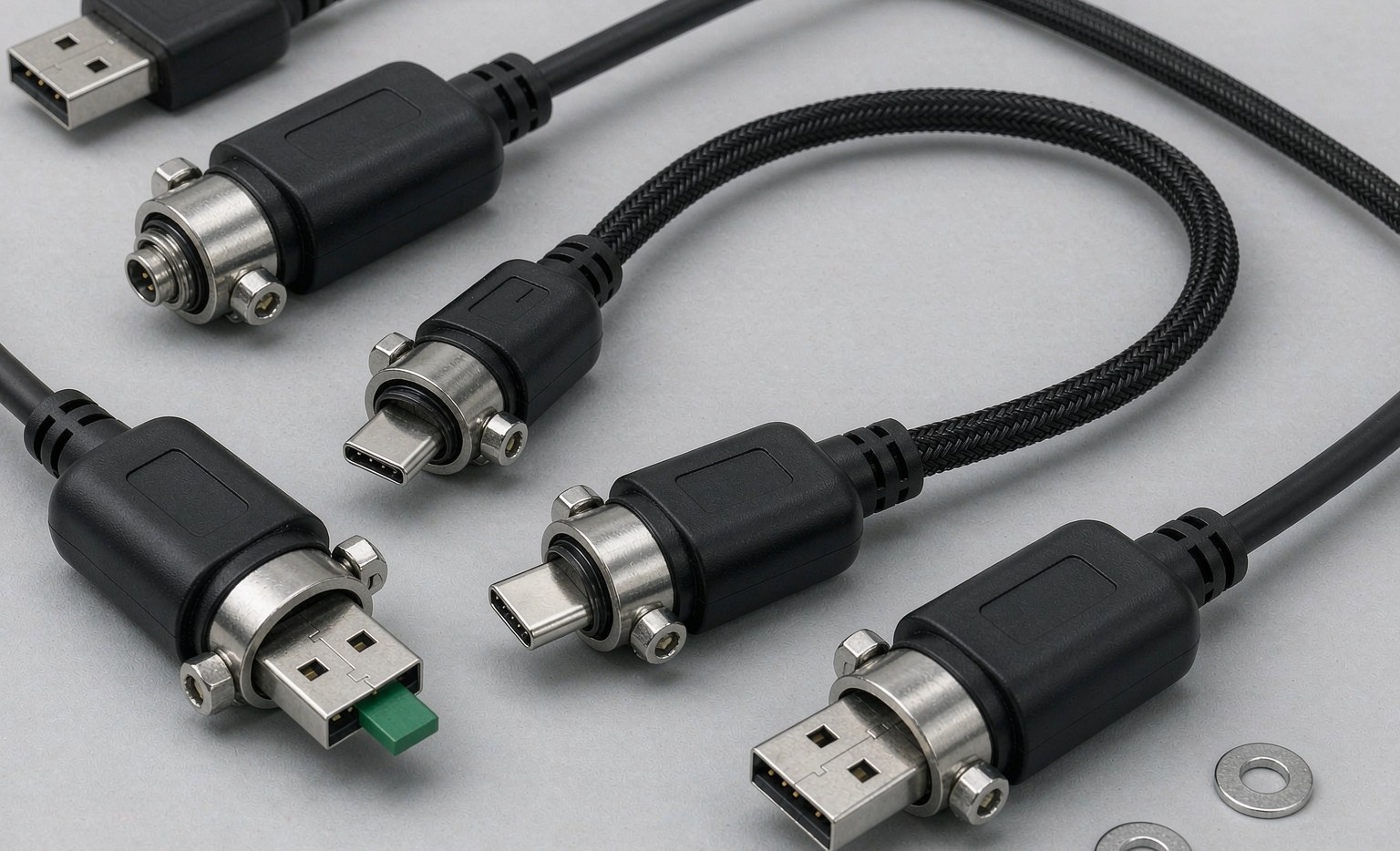
EMI shielded industrial cables protect data transmission from electromagnetic interference (EMI), a common issue in manufacturing environments that can cause data corruption and signal degradation. These cables ensure reliable data transmission and maintain the efficiency of industrial automation systems. For more information on the importance of reliable data transmission in industrial automation, see Shielded Cables for Industrial Automation: Ensuring Reliable Data Transmission and Power Supply.
Manufacturing environments are becoming increasingly complex and reliant on advanced automation technologies, making EMI shielded industrial cables crucial. They prevent data corruption and signal degradation caused by EMI, which can be generated by machinery, power lines, and radio frequency interference (RFI).
For instance, in a factory setting, machinery such as welding equipment and conveyor belts can generate significant EMI, potentially disrupting the operation of nearby automation systems. EMI shielded industrial cables can mitigate this issue by absorbing or reflecting EMI, thus safeguarding data transmission.
To illustrate this, consider a manufacturing plant that uses robotic arms for assembly. The robotic arms are controlled by complex automation systems that rely on precise data transmission. Without EMI shielded cables, the EMI generated by the robotic arms’ motors and other machinery could disrupt the data transmission, causing errors and downtime. By using EMI shielded industrial cables, the plant can ensure reliable data transmission and maintain the efficiency of its automation systems. More details on the role of cables in industrial automation can be found in Expert ODM Cable Manufacturing for Industrial Applications: Enhancing Efficiency and Reliability.
EMI shielded cables work by incorporating various shielding types, including:
- Foil shielding: Effective against high-frequency EMI, often used in high data transmission rate applications such as data centers and high-speed production lines.
- Braided shielding: Effective against low-frequency EMI, often used where high flexibility is required, such as in robotics and machine vision systems.
- Combination shielding: Provides comprehensive EMI protection against both high-frequency and low-frequency EMI, making it suitable for applications requiring robust shielding.
- Conductive polymer shielding: Effective against high-frequency EMI, used in applications requiring high flexibility and chemical resistance, such as in chemical processing plants.
- Hybrid shielding: Combines different shielding materials and techniques to provide enhanced EMI protection, often used in critical applications such as aerospace and defense.
- Serval Shielding: Some cables use multiple layers of shielding to provide enhanced protection against EMI.
| Shielding Type | Effectiveness | Application |
|---|---|---|
| Foil Shielding | High-frequency EMI | High data transmission rates, data centers |
| Braided Shielding | Low-frequency EMI | High flexibility required, robotics |
| Combination Shielding | Both high and low-frequency EMI | Comprehensive protection, industrial automation |
| Conductive Polymer Shielding | High-frequency EMI | High flexibility and chemical resistance, chemical processing |
| Hybrid Shielding | Enhanced EMI protection | Critical applications, aerospace and defense |
| Serval Shielding | Multi-layered EMI protection | High-reliability applications, medical equipment |
When selecting EMI shielded industrial cables, it’s essential to consider the specific requirements of the application, including the type of EMI present, the level of shielding required, and the environmental conditions in which the cables will operate. For insights into selecting the right cables, refer to Precision Control Cables for Industrial Automation: Design, Selection, and Best Practices.
The steps to select the right EMI shielded industrial cables include:
- Assessing the EMI environment: Identify the sources and types of EMI present in the application.
- Determining the required shielding level: Based on the EMI assessment, determine the level of shielding required to ensure reliable data transmission.
- Choosing the shielding type: Select the appropriate shielding type based on the application requirements, such as foil shielding, braided shielding, or combination shielding.
- Considering environmental factors: Ensure the cables are designed to withstand the environmental conditions of the application, such as temperature, humidity, and chemical exposure.
- Verifying compliance: Ensure the cables comply with relevant industrial safety and performance standards, such as UL and IEC standards.
- Evaluating cable flexibility and durability: Consider the cable’s flexibility and durability to ensure it can withstand the application’s mechanical demands.
- Assessing connector options: Choose connectors that are compatible with the cable and suitable for the application.
Key Features of EMI Shielded Industrial Cables
- Effective EMI shielding to prevent data corruption and ensure reliable data transmission.
- Durable construction for harsh industrial environments, including resistance to chemicals, abrasion, and extreme temperatures.
- High-quality insulation for signal integrity, minimizing signal attenuation and distortion.
- Compliance with industrial safety and performance standards, such as UL and IEC standards.
- Flexible and robust design for easy installation and maintenance, reducing downtime and improving overall efficiency.
- Customizable designs: Many manufacturers offer customizable EMI shielded industrial cables to meet specific application requirements.
- High-temperature resistance: Some cables are designed to operate in high-temperature environments, making them suitable for applications such as foundries and smelters.
- Chemical resistance: Some cables are designed to resist chemical corrosion, making them suitable for applications such as chemical processing plants.
To ensure optimal performance, manufacturers should follow best practices for cable installation and maintenance, including:
- Proper routing: Avoiding sharp bends and proximity to EMI sources.
- Regular inspection: Checking for signs of damage or wear.
- Replacement of damaged cables: Promptly replacing cables that show signs of damage or degradation.
- Secure connections: Ensuring that connections are secure and not subject to vibration or movement.
- Cable management: Implementing effective cable management practices to reduce clutter and improve accessibility.
- Labeling and documentation: Labeling cables and maintaining documentation to facilitate identification and maintenance.
- Training personnel: Training personnel on proper cable installation, maintenance, and troubleshooting procedures.
Additionally, manufacturers should consider factors such as cable length, connector type, and certification requirements when specifying EMI shielded industrial cables.
Benefits and Applications
The use of EMI shielded industrial cables offers several benefits, including improved data transmission reliability, reduced downtime, and enhanced efficiency of industrial automation systems. They are used in various applications such as:
- Industrial automation and control systems, where reliable data transmission is critical for maintaining production efficiency and product quality.
- Robotics and machine vision systems, where EMI shielded cables help ensure accurate and reliable data transmission.
- Power generation and distribution systems, where EMI shielded cables help protect against EMI generated by power equipment.
- Process control and monitoring systems, where EMI shielded cables help ensure reliable data transmission and accurate process control.
- Aerospace and defense applications, where EMI shielded cables are used in critical systems such as navigation, communication, and control systems.
- Medical equipment, where EMI shielded cables help ensure reliable data transmission and accurate diagnosis.
- High-speed data transmission applications, such as data centers and high-speed production lines.
- Chemical processing plants, where EMI shielded cables provide chemical resistance and reliable data transmission.
Some frequently asked questions about EMI shielded industrial cables include:
- Q: What is the difference between foil shielding and braided shielding?
- A: Foil shielding is effective against high-frequency EMI, while braided shielding is effective against low-frequency EMI.
- Q: How do I determine the level of shielding required for my application?
- A: The level of shielding required depends on the type and level of EMI present, as well as the specific requirements of the application.
- Q: Can EMI shielded industrial cables be used in harsh environments?
- A: Yes, EMI shielded industrial cables are designed to withstand harsh industrial environments, including extreme temperatures, chemicals, and abrasion.
- Q: What are the benefits of using EMI shielded industrial cables?
- A: The benefits include improved data transmission reliability, reduced downtime, and enhanced efficiency of industrial automation systems.
- Q: How do I ensure the EMI shielded industrial cables are properly installed and maintained?
- A: Follow best practices for cable installation and maintenance, including proper routing, regular inspection, and replacement of damaged cables.
- Q: Can EMI shielded industrial cables be customized for specific applications?
- A: Yes, many manufacturers offer customizable EMI shielded industrial cables to meet specific application requirements.
- Q: What standards should EMI shielded industrial cables comply with?
- A: EMI shielded industrial cables should comply with relevant industrial safety and performance standards, such as UL and IEC standards.
By understanding the benefits and applications of EMI shielded industrial cables, manufacturers can make informed decisions about cable selection and installation, ensuring reliable data transmission and maintaining the efficiency of their industrial automation systems.