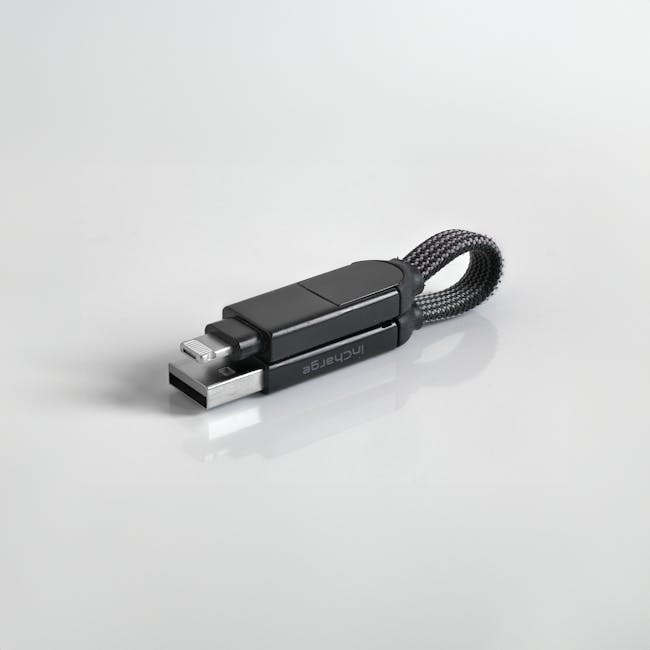
Importance of Custom Data Cables in Medical Applications
Medical devices require high-quality data cables to ensure accurate and reliable data transmission. Custom data cables are designed to meet the specific needs of medical applications, providing enhanced performance and reliability. For instance, in diagnostic imaging equipment, custom data cables enable high-speed data transfer, facilitating the creation of detailed images that aid in accurate diagnoses. In addition, custom data cables play a critical role in patient monitoring systems, where reliable connectivity is essential for real-time monitoring and timely interventions. Designing Cable Interconnects for Medical Devices: Reliability and Safety Considerations is a crucial aspect to consider when developing custom data cables for medical use.
- High-speed data transfer for diagnostic imaging equipment
- Reliable connectivity for patient monitoring systems
- Durable construction for withstanding harsh medical environments
- Flexibility and compact design for minimally invasive surgical devices
- Biocompatibility and material selection to ensure patient safety
- Customized shielding and insulation for signal integrity and noise reduction
- Compliance with regulatory standards such as IEC 60601
- Low power consumption for portable medical devices
- Resistance to environmental factors such as temperature and humidity
- High-precision control for medical devices requiring accurate control
| Medical Application | Custom Data Cable Requirements |
|---|---|
| Diagnostic Imaging Equipment | High-speed data transfer, shielding for EMI reduction, high-resolution imaging |
| Patient Monitoring Systems | Reliable connectivity, durable construction, real-time monitoring |
| Minimally Invasive Surgical Devices | Flexibility, compact design, biocompatibility, high-precision control |
| Portable Medical Devices | Compact design, low power consumption, reliable connectivity |
| Defibrillators and Pacemakers | High-reliability connectivity, biocompatibility, resistance to environmental factors |
| Ventilators and Respiratory Devices | Durable construction, reliable connectivity, high-precision control |
| Infusion Pumps and Medical Delivery Systems | High-precision control, reliable connectivity, biocompatibility |
| Medical Imaging Workstations | High-speed data transfer, reliable connectivity, high-resolution imaging |
To illustrate the importance of custom data cables in medical applications, consider the example of a hospital using custom data cables in its diagnostic imaging equipment. The custom data cables enabled high-speed data transfer, resulting in improved image quality and faster diagnosis times. This, in turn, led to better patient outcomes and increased efficiency in the hospital’s radiology department. Furthermore, the use of custom data cables in patient monitoring systems ensured reliable connectivity, enabling healthcare professionals to respond promptly to changes in patient conditions. The role of Medical Electronic Device Data Cables: Ensuring Reliable Data Transmission in Healthcare is vital in such applications.
Custom data cables can be used in a variety of medical applications, including:
- Diagnostic imaging equipment, such as MRI and CT scanners
- Patient monitoring systems, such as ECG and blood pressure monitors
- Minimally invasive surgical devices, such as laparoscopic instruments
- Portable medical devices, such as defibrillators and insulin pumps
- Medical imaging workstations, such as those used for image processing and analysis
Benefits of Custom Data Cables for Medical Devices
The use of custom data cables in medical devices offers several benefits, including improved data transmission accuracy and reliability, enhanced performance and efficiency, and reduced risk of data corruption and signal interference. By designing custom data cables that meet the specific needs of medical applications, manufacturers can ensure that their devices operate reliably and effectively. Moreover, Expert Custom Cable Assembly Services for Enhanced Connectivity Solutions can provide valuable support in this process.
- Improved data transmission accuracy and reliability
- Enhanced performance and efficiency of medical devices
- Customized design to meet specific application requirements
- Reduced risk of data corruption and signal interference
- Increased patient safety through biocompatibility and material selection
- Compliance with regulatory standards such as IEC 60601
- Flexibility and compact design for minimally invasive surgical devices
- High-speed data transfer for diagnostic imaging equipment
- Low power consumption for portable medical devices
- Resistance to environmental factors such as temperature and humidity
For example, a medical device manufacturer may design custom data cables with shielding and insulation to reduce electromagnetic interference (EMI) and ensure signal integrity. This can be particularly important in medical applications where data accuracy is critical, such as in patient monitoring systems. Additionally, custom data cables can be designed to meet the specific requirements of portable medical devices, such as low power consumption and compact design.
Design Considerations for Custom Data Cables in Medical Applications
When designing custom data cables for medical applications, several factors must be considered, including material selection, shielding and insulation, connector selection, and compliance with regulatory standards. By carefully considering these factors, manufacturers can ensure that their custom data cables meet the specific needs of medical applications and provide reliable performance.
- Material selection for durability and biocompatibility
- Shielding and insulation for signal integrity and noise reduction
- Connector selection for reliable connectivity
- Compliance with regulatory standards such as IEC 60601
- Flexibility and compact design for minimally invasive surgical devices
- High-speed data transfer for diagnostic imaging equipment
- Low power consumption for portable medical devices
- Resistance to environmental factors such as temperature and humidity
- High-precision control for medical devices requiring accurate control
The design process for custom data cables typically involves several steps, including:
- Needs assessment: identifying the specific requirements of the medical application
- Material selection: choosing materials that meet the requirements of the application
- Design and prototyping: creating a custom data cable design and prototype
- Testing and validation: testing the custom data cable to ensure it meets the required specifications
- Certification and compliance: ensuring the custom data cable complies with relevant regulatory standards
- Manufacturing and quality control: ensuring the custom data cable is manufactured to high-quality standards
To ensure the quality and reliability of custom data cables, manufacturers should follow a rigorous testing and validation process, including:
- Environmental testing: testing the custom data cable in various environmental conditions
- Performance testing: testing the custom data cable to ensure it meets the required performance specifications
- Reliability testing: testing the custom data cable to ensure it can withstand the demands of the medical application
- Compliance testing: testing the custom data cable to ensure it complies with relevant regulatory standards
Frequently Asked Questions about Custom Data Cables for Medical Applications
- Q: What are the benefits of using custom data cables in medical devices? A: Custom data cables offer improved data transmission accuracy and reliability, and reduced risk of data corruption and signal interference.
- Q: How are custom data cables designed for medical applications? A: Custom data cables are designed by considering factors such as material selection, shielding and insulation, and compliance with regulatory standards.
- Q: What are the key considerations for material selection in custom data cables for medical applications? A: Material selection should consider factors such as biocompatibility, durability, and resistance to environmental factors.
- Q: How can custom data cables improve patient safety in medical applications? A: Custom data cables can improve patient safety by ensuring reliable data transmission, reducing the risk of data corruption and signal interference, and meeting regulatory standards for biocompatibility and material selection.
- Q: What regulatory standards must custom data cables comply with in medical applications? A: Custom data cables must comply with regulatory standards such as IEC 60601, which governs the safety and performance of medical electrical equipment.
- Q: Can custom data cables be designed for use in harsh medical environments? A: Yes, custom data cables can be designed to withstand harsh medical environments, including high temperatures, humidity, and exposure to chemicals.
- Q: How can I ensure that my custom data cables meet the required specifications for my medical application? A: To ensure that your custom data cables meet the required specifications, work with a reputable manufacturer that has experience in designing and manufacturing custom data cables for medical applications.
- Q: What is the typical lead time for custom data cable design and manufacturing? A: The lead time for custom data cable design and manufacturing can vary depending on the complexity of the design and the manufacturer’s production schedule.
- Q: Can custom data cables be designed for use in multiple medical applications? A: Yes, custom data cables can be designed to be used in multiple medical applications, reducing the need for multiple cable designs and simplifying inventory management.