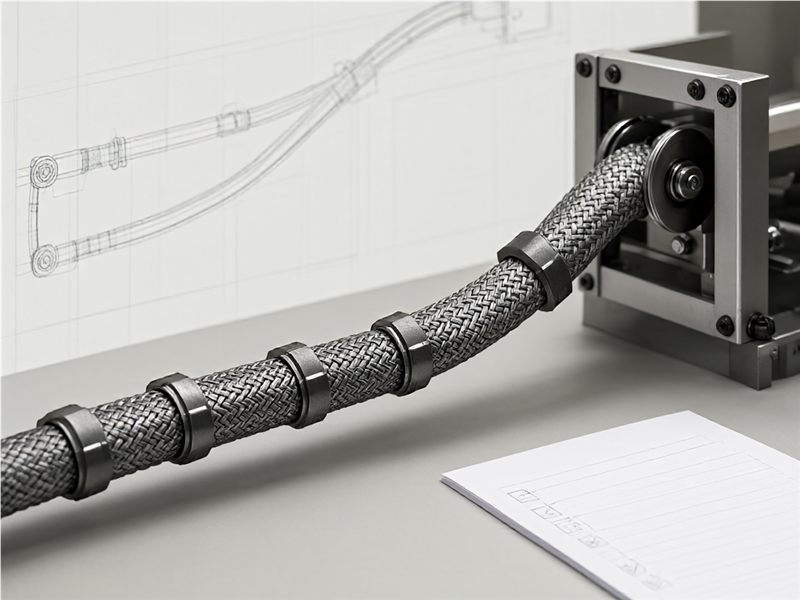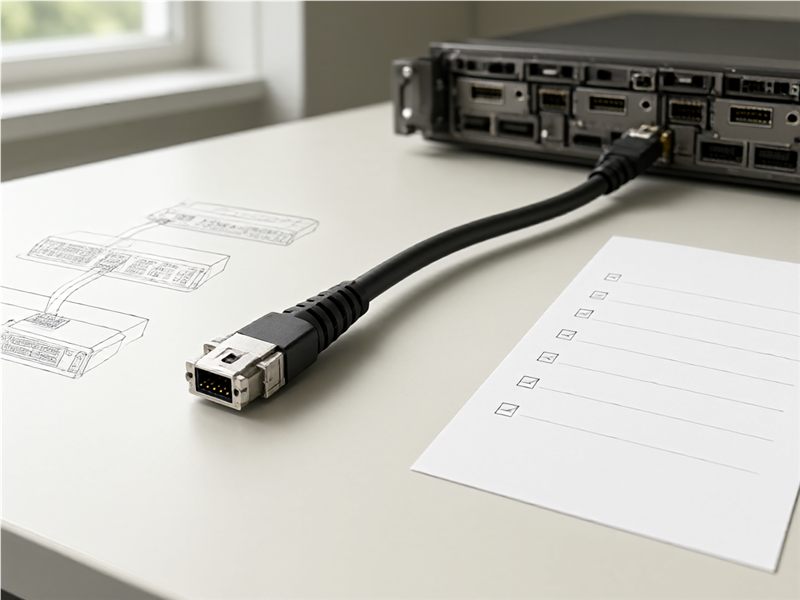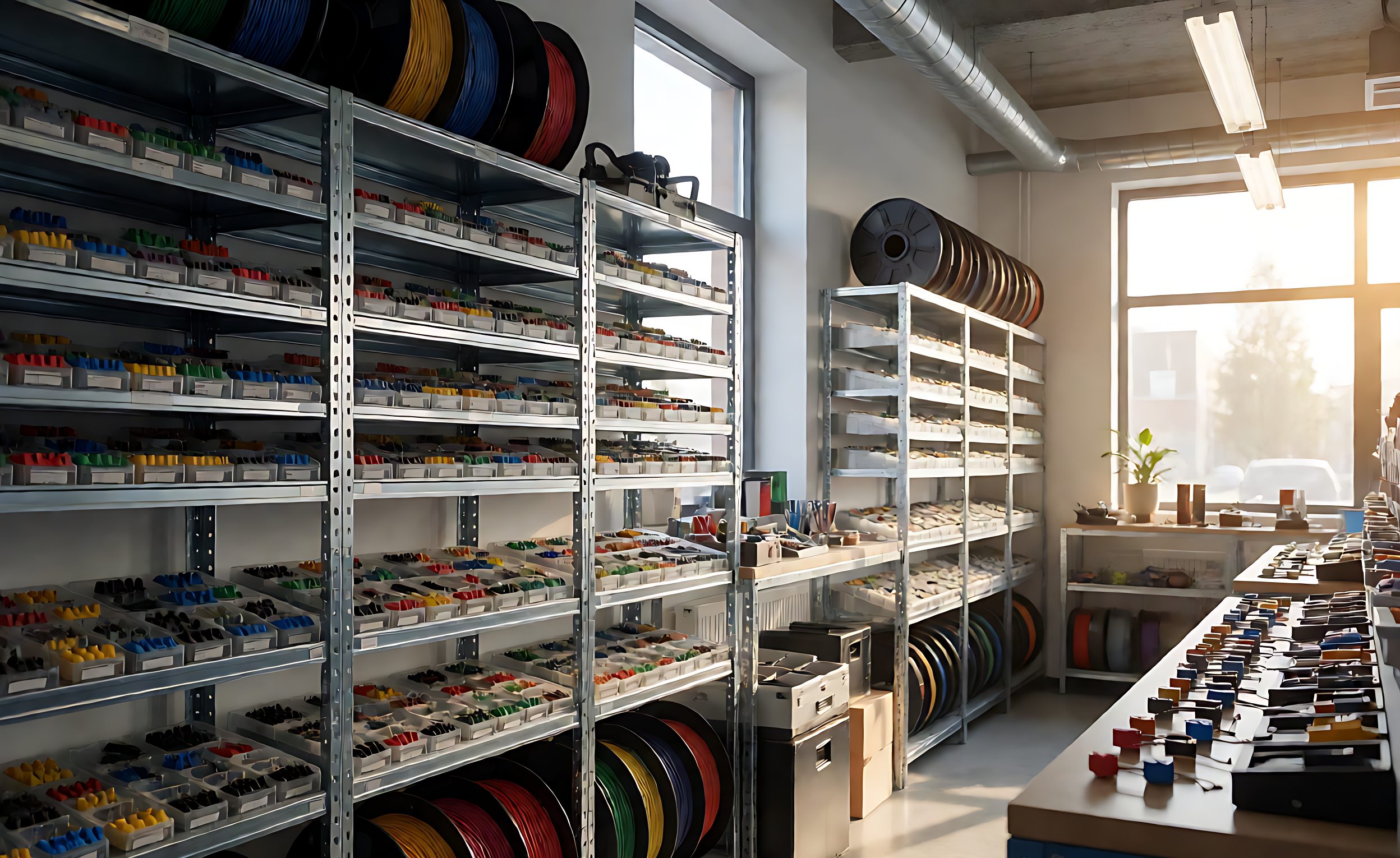
Component obsolescence is the most predictable disruption in cable assembly supply. A connector is discontinued, a wire insulation grade is withdrawn, or a terminal is replaced by a version with a different plating. The notice arrives months in advance, and in most organisations it is read by nobody whose job includes acting on it. By the time the line needs the part, the last-time buy window has closed.
The disruption is entirely avoidable at low cost. What it requires is a monitoring habit and a decision process that runs while there is still time to choose between the two responses: stockpile the old part, or qualify a replacement.
How Obsolescence Reaches an Assembly
The path is always the same. A component manufacturer issues an end-of-life notice with a last-order date and a last-ship date. The assembly supplier either passes the notice on or does not. If the notice is not passed on, the buyer discovers the problem when the assembly supplier can no longer source the part, at which point the options are narrower and more expensive.
- Connectors – the most common source, with families discontinued in favour of newer interfaces.
- Wire and cable – insulation grades and constructions withdrawn for regulatory or commercial reasons.
- Terminals and contacts – plating changes and design revisions that are not drop-in replacements.
- Accessories – seals, grommets and clips that quietly disappear from a catalogue.
The Monitoring Habit
Monitoring does not require software. It requires that the BOM for each active assembly is checked against current component status on a fixed cycle – annually is usually enough – and that the check is somebody’s named responsibility. Where a supplier maintains the BOM, the check is a request to them, and the request belongs in the supply agreement rather than in goodwill.
The obsolescence notices that matter most are the ones affecting high-volume assemblies, because the volume is what makes a last-time buy expensive and a line stoppage costly. Review the BOMs in volume order rather than alphabetically.

Sizing a Last-Time Buy
When a component is discontinued and no replacement is qualified, the choice is a last-time buy sized to cover the assembly’s remaining life. The sizing calculation is straightforward: remaining demand for the affected assemblies, plus a buffer, minus any usable existing stock. The safety stock buffer should reflect the forecast error rather than a flat percentage, because a flat percentage on a volatile forecast is either waste or exposure.
Two errors are common. Buying too little leaves a stoppage that arrives after the window has closed, which is the worse error. Buying too much ties up cash in a component that will never be used, which is expensive but survivable. Where the forecast is uncertain, the bias should be towards the buffer.
The Alternative: Qualify a Replacement
Where the assembly has a long remaining life, qualifying a replacement is usually cheaper than stockpiling. The qualification cost is a sample build, a test set and a documentation update, and it removes the obsolescence permanently rather than deferring it. The qualification route is the right answer when the remaining demand is large relative to the stockpile that would be required.
The decision between the two routes is arithmetic once the remaining demand is known, which is why the monitoring habit matters: it is what preserves the option to choose.
One further habit worth building: record the last-time buy decision and its rationale. When the same component family is discontinued again, the previous calculation is the starting point rather than a fresh exercise, and stock that resulted from the last decision is visible in the calculation rather than forgotten in a warehouse.
It is also worth asking the supplier directly about component roadmap. A supplier who knows which families are being phased out can flag the assemblies at risk before a formal notice arrives, and that conversation is far cheaper than a broker search after the last-order date has passed.
Related reading for buyers working through the same question: 12 gbps cable specifications for high speed data transfer applications, a diagnostic guide to common cable failures identifying and solving connectivity issues and a strategists guide to high speed cable selection from specification to application cover the surrounding decisions this specification depends on.
Frequently Asked Questions
How much notice does an end-of-life notice give?
Typically several months between last-order and last-ship dates. That window is enough to act, but only if somebody is watching for the notice.
Should the supplier pass on obsolescence notices?
Yes, and the obligation belongs in the supply agreement. A notice that reaches the buyer late is a notice that has already cost the buyer options.
How do I size a last-time buy?
Remaining demand for the affected assemblies plus a forecast-error buffer, minus usable existing stock. Bias towards the buffer where the forecast is uncertain.
Is stockpiling or requalifying cheaper?
It depends on remaining demand. Large remaining demand favours requalification; small remaining demand favours a last-time buy. The comparison is arithmetic.
How often should BOMs be checked for obsolescence?
Annually for stable products, and whenever a component notice arrives. Review in volume order so the high-impact assemblies are checked first.
What if the notice arrives after the last-order date?
Options narrow to broker stock, salvage from returned units, or requalification under time pressure. All three are more expensive than acting on the notice.
Does obsolescence affect drawings too?
Yes. A component change should update the drawing and the documentation together, because a drawing that shows a discontinued part produces an order that cannot be built.
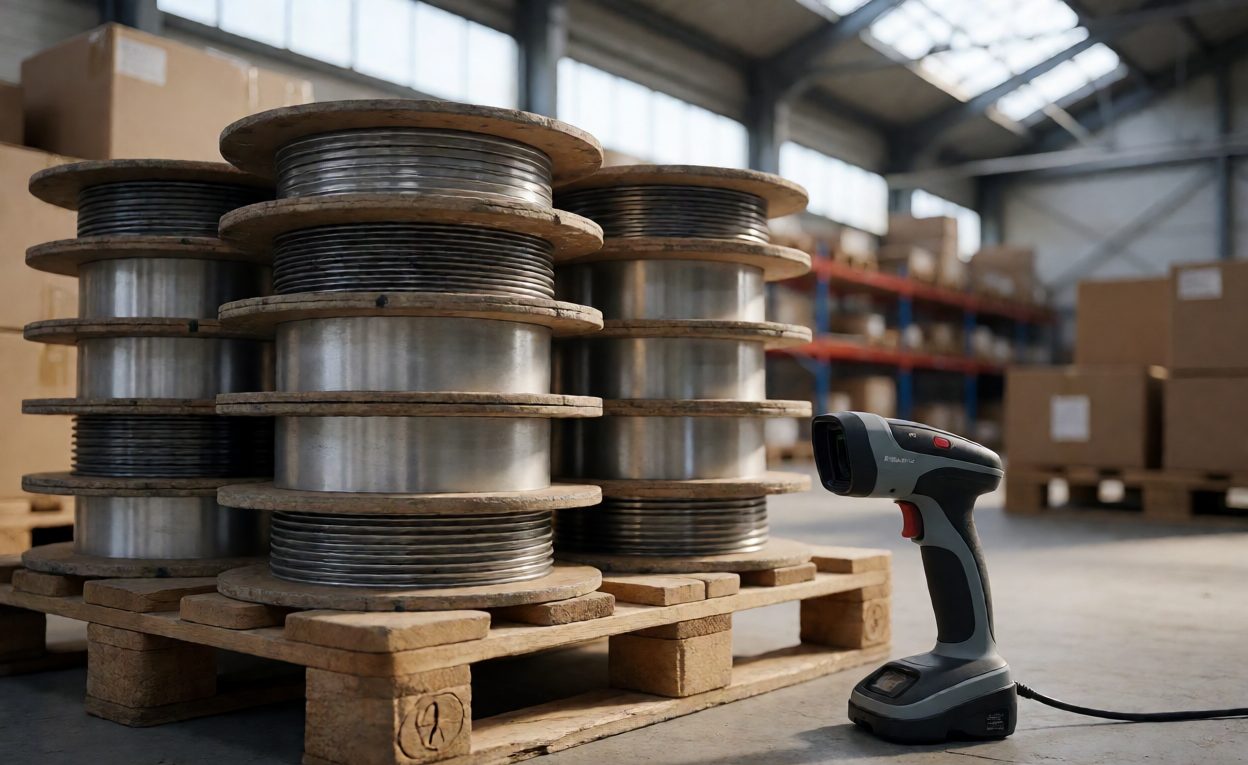
One further habit worth building: record the last-time buy decision and its rationale. When the same component family is discontinued again, the previous calculation is the starting point rather than a fresh exercise, and the stock that resulted from the last decision is visible in the calculation.