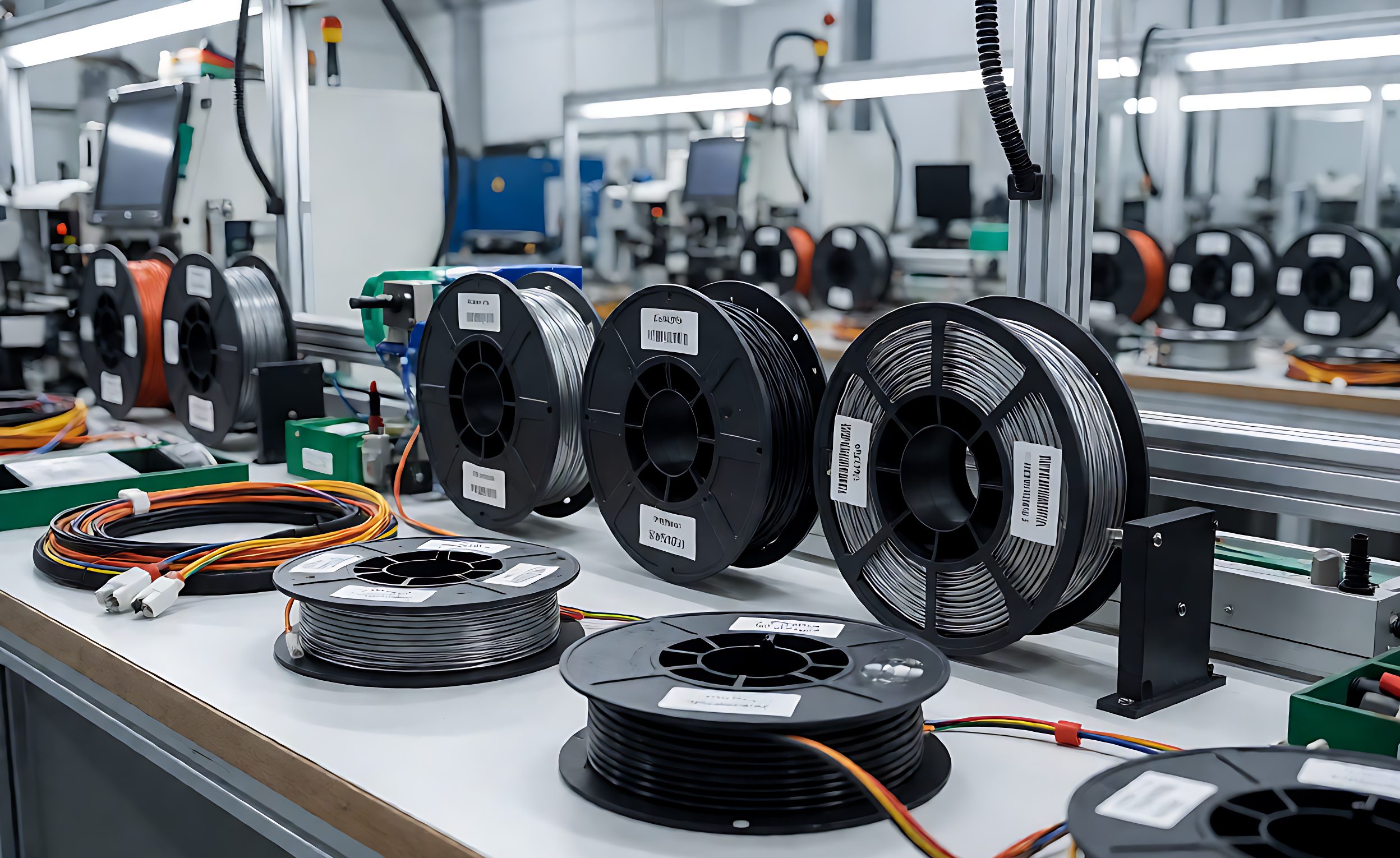
Traceability is the least visible part of a cable assembly order and the most valuable when something goes wrong. A field failure without traceability becomes a broad investigation: which production run, which component lot, which crimp tool, which operator. The same failure with traceability becomes a narrow one, because the records point directly at the population at risk and the population that is not.
The cost of traceability is administrative, not technical, and it is almost always smaller than buyers expect. The value shows up once, usually badly, and that single occurrence is what justifies the requirement in every subsequent order.
What Traceability Means Here
For a cable assembly, traceability means that any finished unit can be linked back to the components it contains and the process that produced it. The link is normally carried by a serial or lot number on the assembly, matched to a production record that lists the component lots consumed, the equipment used and the date.
- Assembly identification – a serial or lot number physically marked on the finished harness.
- Component lots – which reel or batch of wire, connector and terminal went into each production run.
- Process records – the crimp tool or applicator used, its last verification date, and the operator.
- Test records – the electrical test results for the specific units shipped.
The traceability requirement should be stated in the order, because a supplier who knows the requirement will build the record; one who discovers it later has to reconstruct it.
How Much Is Enough
Full serial-level traceability is not always necessary. The right level depends on the consequence of failure and the volume. For high-consequence applications – safety circuits, medical, aerospace-adjacent – serial-level is the norm. For commodity harnesses, lot-level traceability with a defined production window is usually sufficient and cheaper to maintain.
The decision should be explicit rather than defaulted. A buyer who states the required level gets it; a buyer who does not gets whatever the supplier’s standard happens to be, which varies from full serial records to none at all.
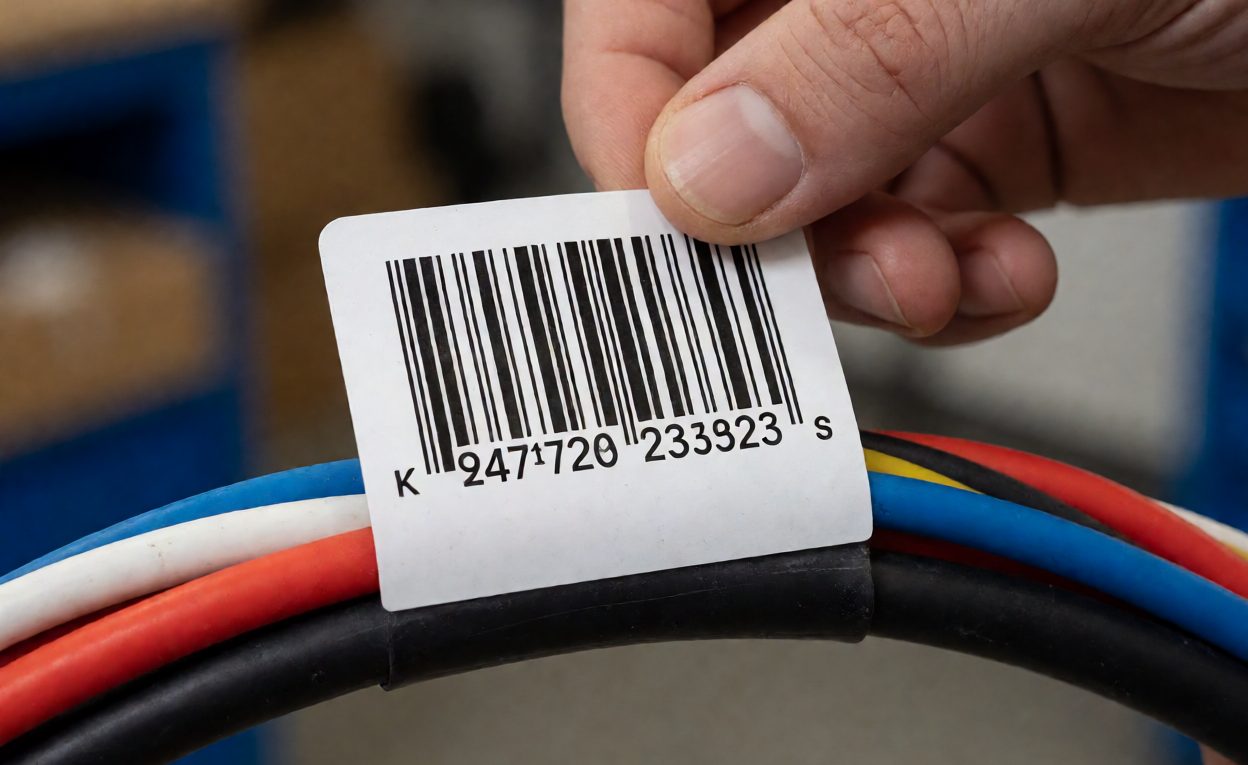
What the Records Must Contain
The minimum useful record set is short: assembly serial or lot, production date, component lots consumed, equipment used with verification status, test results, and the shipment the units went out on. Six fields, and they answer almost every question a field failure raises without further investigation.
The linkage that matters most is to the shipment. Knowing which assemblies went to which customer turns a failure report into a containment action within hours rather than weeks, and containment speed is usually the difference between a recall of a few hundred units and a recall of everything ever shipped.
Using Traceability During a Failure
When a failure arrives, the sequence is: identify the assembly, retrieve its record, determine the component lot and process window, then compare against the failure mode. If the component lot is implicated, the record identifies every other assembly that consumed it, which is the containment list. If the process is implicated, the record identifies the window and the equipment.
Without records, the same sequence becomes a statistical exercise over an entire production history, and it takes weeks. The failure analysis that traceability enables is the difference between a controlled correction and an open-ended exposure.
One further point on the record format: agree it before production starts. A supplier who delivers records in a structure the buyer cannot query has delivered data rather than traceability, and the data management question is far easier to settle while the order is being placed than during an investigation.
It is also worth keeping a retained sample per production lot, not just per approval. A retained sample from the run that produced a failed unit is what turns an argument about process variation into a measurement, and the cost of retaining one harness per lot is negligible.
One more consideration for multi-site programmes: agree whether records are held centrally or per site. Central records simplify queries but depend on each site submitting on time, and the discipline that keeps them complete is the same either way.
Related reading for buyers working through the same question: 12 gbps cable specifications for high speed data transfer applications, a diagnostic guide to common cable failures identifying and solving connectivity issues and a strategists guide to high speed cable selection from specification to application cover the surrounding decisions this specification depends on.
Frequently Asked Questions
Does traceability cost more per unit?
Marginally, and mostly in record-keeping rather than production. It is almost always cheaper than the first investigation it shortens.
Is lot-level enough for safety applications?
Usually not. Safety circuits normally require serial-level so that a specific unit can be traced to specific components and test results.
How long should records be kept?
For the product’s service life plus a margin. Records are cheap to keep and expensive to reconstruct, and the reconstruction happens exactly when they are needed.
Should the buyer or supplier hold the records?
Both. The supplier holds production detail; the buyer holds the shipment linkage. Either alone leaves a gap that appears during an investigation.
What is the most commonly missing record?
The link between assembly and shipment. Production records are common; the shipping linkage is what enables containment and is what most often does not exist.
Can traceability be added to an existing order?
Yes, prospectively. Records for units already shipped cannot be created, which is why the requirement belongs in the order rather than after the first failure.
Does marking the assembly matter?
It is what makes the record usable. A serial number that exists only in a database is a number nobody can read off the returned part.
One further point: agree the record format before production. A supplier who delivers records in a format the buyer cannot query has delivered data rather than traceability, and the format question is best settled while the order is being placed rather than during an investigation.