Introduction to Screw-Locking Connector Assemblies
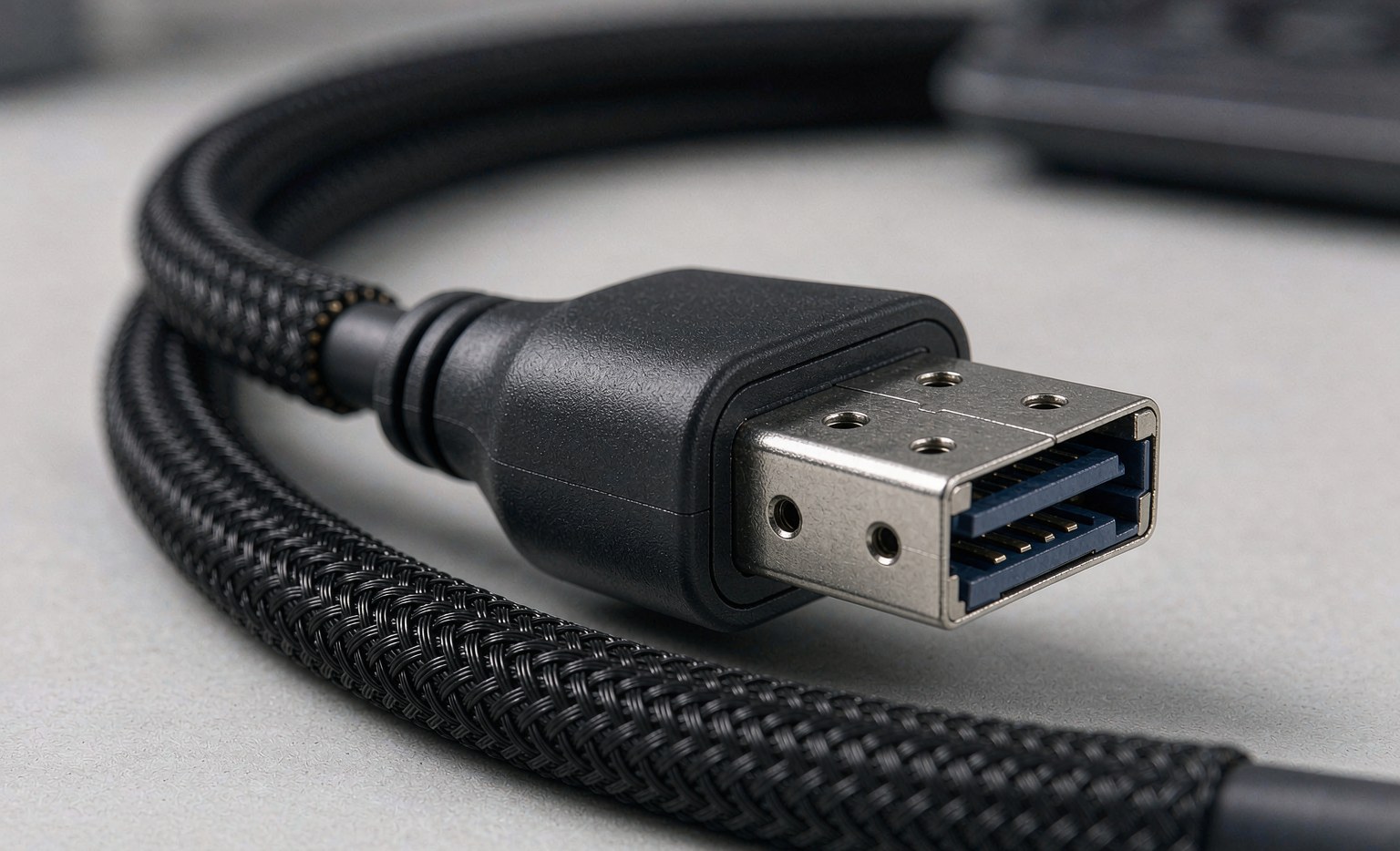
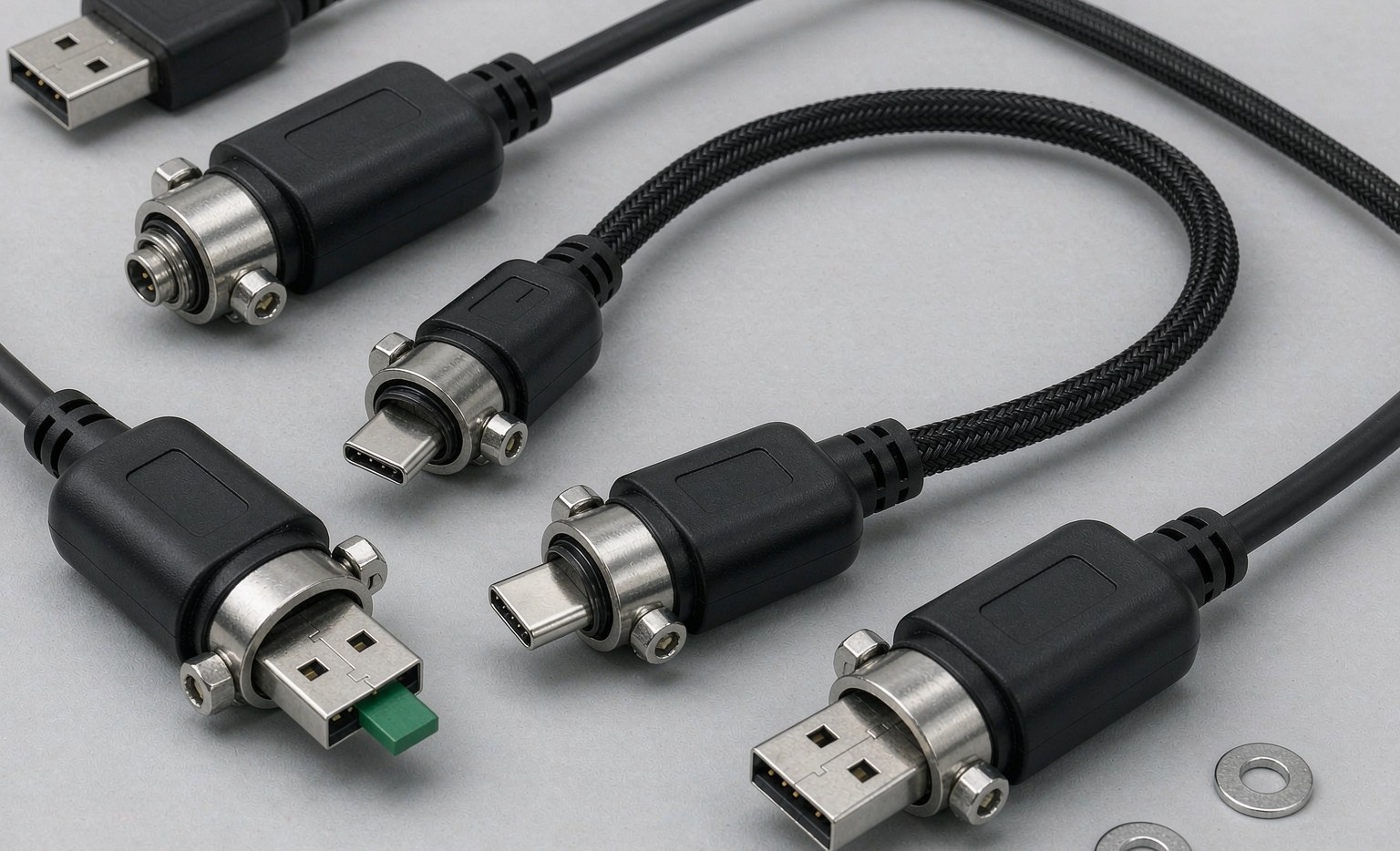
Screw-locking connector assemblies are designed to provide a secure and reliable connection in electrical systems. They are widely used in various industries, including aerospace, automotive, and industrial automation. The screw-locking mechanism ensures that the connector remains in place, even in harsh environments or under heavy vibration. For instance, in the aerospace industry, screw-locking connector assemblies are used in critical systems such as navigation and communication equipment, where a loose connection can have catastrophic consequences. In fact, a study by the Aerospace Industries Association found that the use of screw-locking connector assemblies reduced connector-related failures by 30% in aerospace applications. For more information on the advantages of custom cable interconnects in aerospace systems, please refer to Advantages of Custom Cable Interconnects in Aerospace Systems.
The importance of reliable connections in electrical systems cannot be overstated. A loose or disconnected connector can lead to system failure, downtime, and even safety hazards. In fact, according to a study by the IEEE, connector-related failures account for a significant percentage of overall system failures in various industries. For example, a study by the NASA found that connector failures were responsible for nearly 20% of all electronic system failures on spacecraft. Furthermore, a survey by the International Electrotechnical Commission (IEC) found that 75% of electrical system failures were attributed to connector-related issues.
Key Benefits of Screw-Locking Connector Assemblies
- Enhanced reliability: Screw-locking connector assemblies reduce the risk of connector loosening or disconnection, ensuring that the system remains operational even in harsh environments.
- Improved safety: The secure connection provided by screw-locking connector assemblies minimizes the risk of electrical shock or other safety hazards, protecting both people and equipment.
- Increased durability: Screw-locking connector assemblies are designed to withstand harsh environments and heavy use, reducing the need for frequent maintenance or replacement.
- Reduced maintenance: With a secure connection, the need for frequent maintenance or repair is minimized, reducing downtime and increasing overall system availability.
- Flexibility: Screw-locking connector assemblies are available in a wide range of configurations, including circular, rectangular, and D-sub connectors, making them suitable for a variety of applications.
- High-speed data transmission: Screw-locking connector assemblies can be designed to support high-speed data transmission, making them suitable for applications that require high-bandwidth connectivity, such as those discussed in Types of Interconnect Cables Used in Server Racks.
- High-current carrying capacity: Screw-locking connector assemblies can be designed to carry high currents, making them suitable for power transmission applications.
| Industry | Application | Benefits |
|---|---|---|
| Aerospace | Critical systems, such as navigation and communication equipment | Enhanced reliability, improved safety |
| Automotive | Safety-critical systems, such as airbags and anti-lock braking systems | Improved safety, increased durability |
| Industrial Automation | Industrial control systems and other automation applications | Enhanced reliability, reduced maintenance |
| Medical Devices | Medical equipment, such as patient monitoring systems and diagnostic equipment | Improved safety, increased durability |
| Railway | Signaling and communication systems | Enhanced reliability, improved safety |
| Marine | Navigation and communication equipment | Improved safety, increased durability |
| Energy and Renewable Energy | Power generation and transmission systems | Enhanced reliability, improved safety |
| Industrial Machinery | Heavy machinery and equipment | Increased durability, reduced maintenance |
Design Considerations for Screw-Locking Connector Assemblies
When designing screw-locking connector assemblies, several factors must be considered, including environmental conditions, mechanical stress, and electrical requirements. Here are some key design considerations:
- Environmental conditions: The connector assembly must be designed to withstand the environmental conditions in which it will be used, such as temperature, humidity, and exposure to chemicals or other substances.
- Mechanical stress: The connector assembly must be designed to withstand mechanical stress, such as vibration and shock, which can cause connector loosening or disconnection.
- Electrical requirements: The connector assembly must meet the electrical requirements of the system, including voltage, current, and signal integrity.
- Mating and unmating cycles: The connector assembly must be designed to withstand the expected number of mating and unmating cycles, ensuring that it remains secure and reliable over time.
- Material selection: The materials used in the connector assembly must be compatible with the environmental conditions and mechanical stress, and must meet the required electrical performance. For instance, SCSI connector/MCR ribbon: SCSI 68P MALE zinc alloy assembled housing screw type is a suitable choice for applications requiring high reliability and durability.
- Corrosion protection: The connector assembly must be designed to provide adequate corrosion protection, such as through the use of corrosion-resistant materials or coatings.
- Sealing: The connector assembly must be designed to provide adequate sealing, such as through the use of seals or gaskets, to prevent the ingress of moisture or other contaminants.
To design a screw-locking connector assembly, follow these steps:
- Step 1: Define the application requirements, including environmental conditions, mechanical stress, and electrical requirements.
- Step 2: Select a suitable connector type, such as circular, rectangular, or D-sub.
- Step 3: Choose a screw-locking mechanism that meets the application requirements, such as a threaded coupling or a bayonet coupling.
- Step 4: Design the connector assembly to withstand the expected mechanical stress and environmental conditions.
- Step 5: Test the connector assembly to ensure that it meets the application requirements and is reliable and secure.
- Step 6: Validate the design through prototyping and testing, and make any necessary revisions.
- Step 7: Consider factors such as cost, manufacturability, and maintainability when finalizing the design.
Applications of Screw-Locking Connector Assemblies
Screw-locking connector assemblies are used in a wide range of applications, including aerospace, automotive, industrial automation, and medical devices. Some common types of screw-locking connector assemblies include:
- Circular connectors: Used in applications where a secure connection is required, such as in aerospace and defense.
- Rectangular connectors: Used in applications where a high-density connection is required, such as in industrial automation.
- D-sub connectors: Used in applications where a compact connection is required, such as in medical devices.
- Push-pull connectors: Used in applications where a quick and easy connection is required, such as in audio-visual equipment.
- Hybrid connectors: Used in applications where a combination of power, signal, and data transmission is required.
- Miniature connectors: Used in applications where space is limited, such as in portable medical devices.
- High-speed connectors: Used in applications that require high-bandwidth connectivity, such as in data centers and telecommunications equipment.

In addition to these common types, screw-locking connector assemblies are also used in other applications, such as:
- Energy and renewable energy systems
- Transportation systems, such as railway and marine
- Industrial machinery and equipment
- Medical equipment and devices
- Aerospace and defense systems
- Automotive systems, such as safety-critical systems and infotainment systems
Frequently Asked Questions (FAQs)
Here are some frequently asked questions about screw-locking connector assemblies:
- Q: What is the purpose of a screw-locking connector assembly?
- A: The purpose of a screw-locking connector assembly is to provide a secure and reliable connection in electrical systems.
- Q: What are the benefits of using a screw-locking connector assembly?
- A: The benefits of using a screw-locking connector assembly include enhanced reliability, improved safety, and increased durability.
- Q: How do I design a screw-locking connector assembly?
- A: To design a screw-locking connector assembly, follow the steps outlined above, including defining the application requirements, selecting a suitable connector type, and testing the connector assembly.
- Q: What are the different types of screw-locking connector assemblies?
- A: The different types of screw-locking connector assemblies include circular, rectangular, D-sub, push-pull, and hybrid connectors.
- Q: What are the key design considerations for screw-locking connector assemblies?
- A: The key design considerations for screw-locking connector assemblies include environmental conditions, mechanical stress, electrical requirements, mating and unmating cycles, and material selection.
- Q: How do I ensure that my screw-locking connector assembly is reliable and secure?
- A: To ensure that your screw-locking connector assembly is reliable and secure, follow the design considerations and steps outlined above, and test the connector assembly to ensure that it meets the application requirements.
- Q: Can screw-locking connector assemblies be used in harsh environments?
- A: Yes, screw-locking connector assemblies can be designed to withstand harsh environments, such as high temperatures, humidity, and exposure to chemicals or other substances.
Conclusion
Screw-locking connector assemblies offer numerous benefits in electrical systems, including enhanced reliability, improved safety, and increased durability. By understanding the advantages and design considerations of screw-locking connector assemblies, engineers can select the right connector assembly for their application, ensuring that their system remains operational and reliable over time.
In conclusion, screw-locking connector assemblies are a critical component in many electrical systems, providing a secure and reliable connection that is essential for safe and efficient operation. By following the design considerations and steps outlined above, engineers can design and implement screw-locking connector assemblies that meet the specific needs of their application.