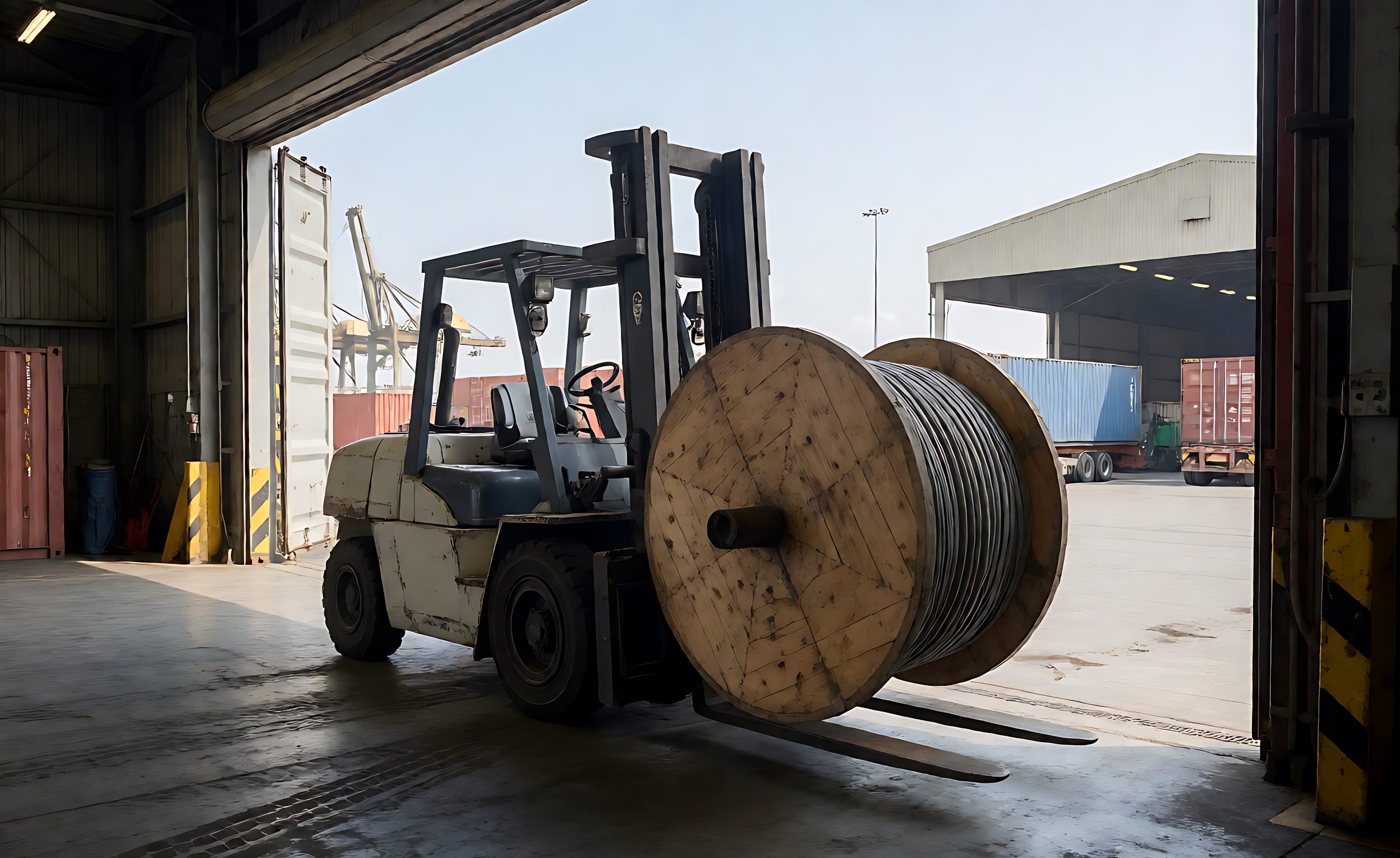
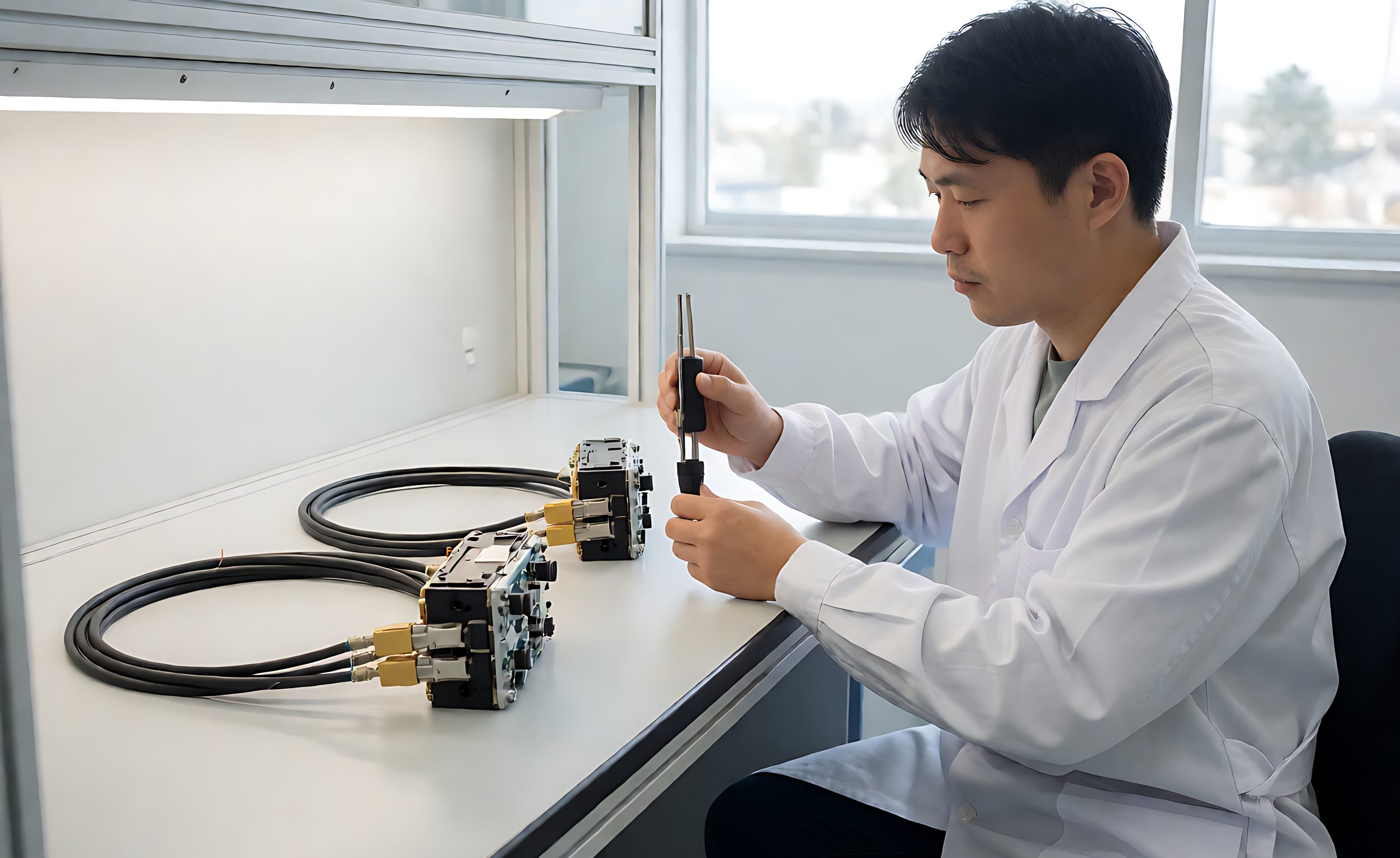
Dual sourcing is the standard answer to supply risk, and for cable assemblies it is harder than it looks. Two suppliers can build to the same drawing and produce parts that are not interchangeable: different connector plating, a different jacket compound, a different crimp geometry, a different moulding process. The parts fit, they test fine on a basic continuity check, and they behave differently after six months in service.
The purpose of qualification is to establish equivalence in the properties that matter, not merely in the drawing. That requires deciding what matters before the alternate builds anything.
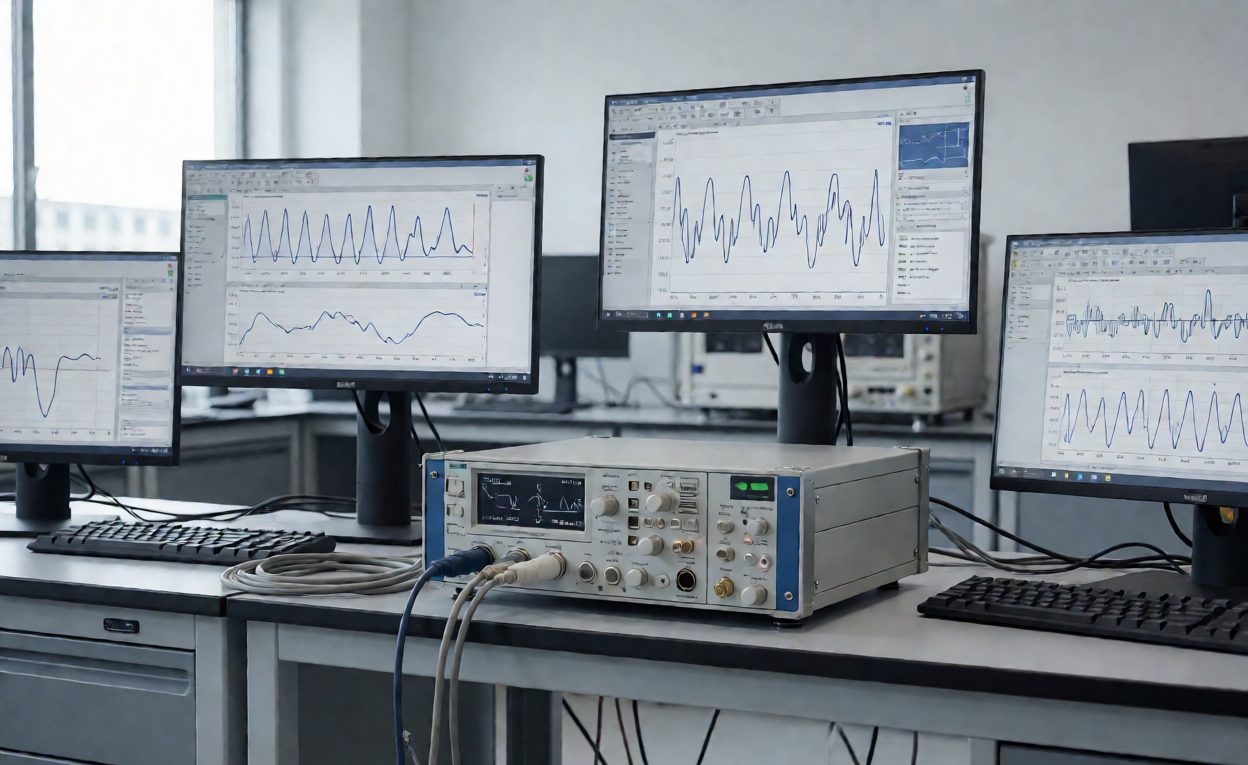
Define Equivalence Before Qualifying
Write down what “the same part” means for this application. For most assemblies the list includes:
- Electrical performance: conductor resistance, insulation resistance, and for high-speed parts the signal integrity parameters that actually matter.
- Mechanical performance: pull force at the termination, mating cycles, flex life, bend radius behaviour.
- Material and plating: jacket compound and its ratings, contact plating type and thickness.
- Environmental ratings: temperature range, ingress protection where applicable, flame rating.
- Dimensional fit: not just the connector, but the overmould profile and the cable outer diameter where they affect routing or sealing.
That list becomes the qualification test plan. Without it, the comparison is a fit check, and a fit check approves a part whose long-term behaviour is unknown.

What to Test on the Alternate
Test the alternate against the incumbent rather than against the drawing, because the incumbent is the known-good reference. Run the same electrical tests, then the mechanical and environmental ones the application demands, and include at least one accelerated or endurance test – mating cycles, flex cycling, or thermal cycling – because that is where material and process differences surface.
Sample from a production-equivalent build, not from a hand-made prototype. This is the same principle as approving a golden sample: a part built outside the production flow tells you nothing about repeatability.
Where the assembly sits inside a certified product, check whether a component change triggers re-qualification of the finished item. Finding that out after the alternate is approved is expensive, and it is the single most common reason a second-source programme stalls.
Keeping Two Sources Interchangeable
Equivalence decays. The alternate improves its process, changes a sub-supplier, or switches a plating vendor, and the qualified part quietly becomes a different part. Three controls keep it stable: a retained reference sample from the qualification build, a requirement to declare changes in writing, and a periodic re-test at a defined interval.
Segregate stock by source as well. Two visually identical parts from different suppliers stored together will be mixed, and once mixed, field data cannot be attributed – which removes the evidence the qualification was meant to provide.

Technical Background
Managing more than one approved supplier is a procurement strategy whose risk sits in the supply chain rather than in a single vendor, described generally under supply chain management. The mechanism that makes alternates genuinely interchangeable is standardisation of the specification, so that two suppliers are building to the same defined requirement rather than to two interpretations of a drawing.
Making the Second Source Worth Having
A second source with no volume is a second source that will not be ready when needed. Allocate a small share of regular volume to the alternate so it stays current on process and materials, and requalify on a schedule rather than only when a crisis forces it.
Then measure. Track failure and return rates separately by source; if the alternate performs materially worse, either the qualification was incomplete or the specification is not being followed, and both are worth knowing before the incumbent has a problem.
Cost is the other half of the picture. An alternate is usually priced slightly above or below the incumbent, and the gap matters less than availability, but it should still be tracked, because a widening difference is often the first sign that one supplier has quietly changed material or process. Document the equivalence criteria somewhere both suppliers can see. When two sources know they are compared on the same defined properties, specification drift becomes visible early and the buyer is not left arbitrating between two competing claims of conformance. That single document is usually what turns dual sourcing from a paper exercise into genuine resilience.
Requalify on a schedule rather than only when a crisis forces it, because an alternate that has not built the part for two years is not really a qualified alternate.
Qualification connects to the testing evidence in the test reports an OEM should provide and to cost comparison in total cost of ownership. Supplier evaluation is covered in choosing a custom cable manufacturer, material behaviour in cable jacket materials, and durability expectations in connector durability.
ЧАСТО ЗАДАВАЕМЫЕ ВОПРОСЫ
Почему два поставщика могут изготавливать одну и ту же деталь по чертежу по-разному?
Because drawings rarely specify plating thickness, jacket compound, crimp geometry or moulding process, and those determine long-term behaviour.
Should I test the alternate against the drawing or the incumbent?
Against the incumbent, because the incumbent is the known-good reference for how the part behaves in service.
What sample should be qualified?
A production-equivalent build, not a hand-made prototype, because repeatability is what is being approved.
Does a component change require re-qualifying the finished product?
Sometimes, and finding out late is expensive. Check before approving an alternate for a certified product.
How do I stop the alternate drifting?
Retain a qualification reference, require written change declaration, and re-test periodically.
Should stock from two sources be stored together?
No. Segregate and label by source so field data can be attributed and equivalence remains verifiable.
Should the alternate get regular volume?
Yes, a small share, so it stays current on process and is ready if the incumbent fails.