Оптимизация производительности серверных стоек с помощью высокоскоростных соединительных кабелей
Understanding High-Speed Interconnect Cables
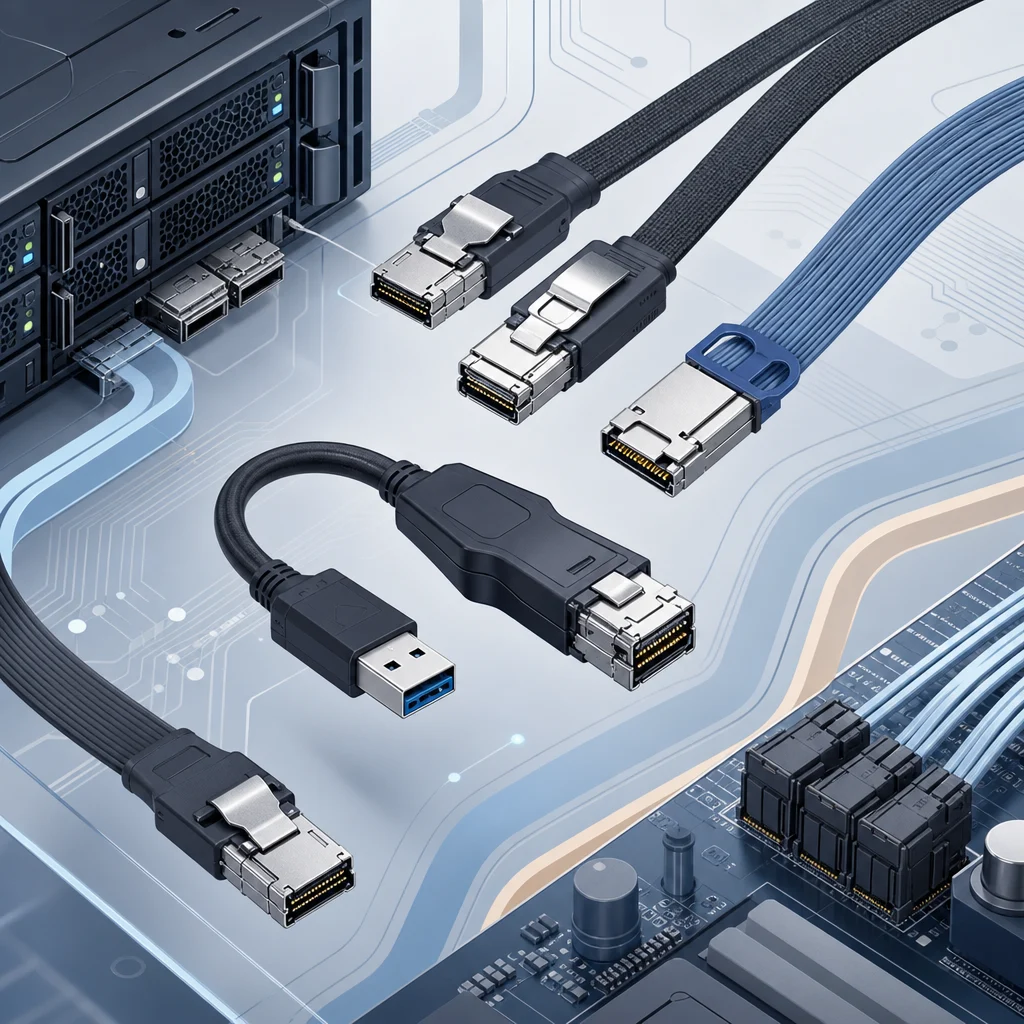
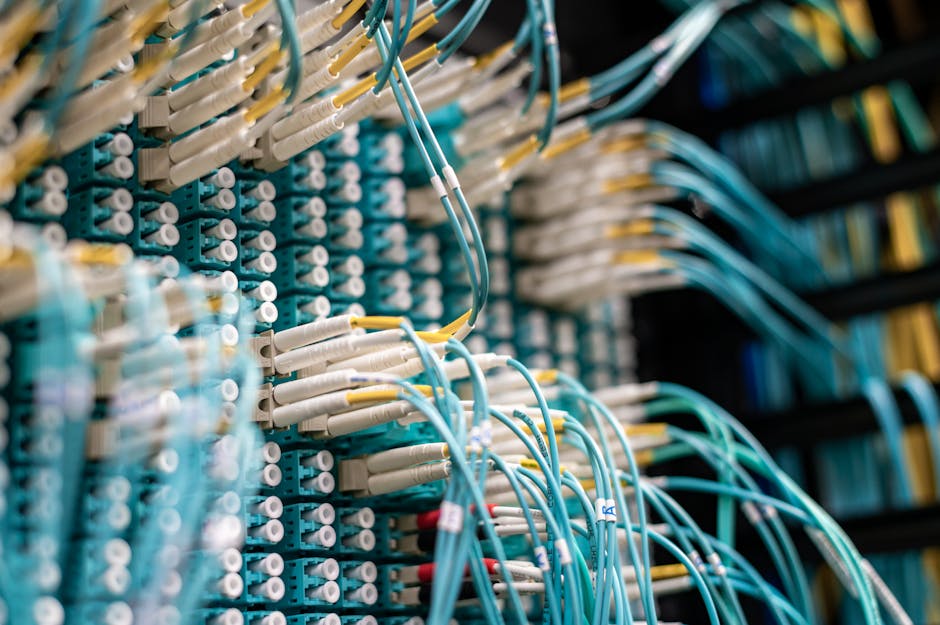
High-speed interconnect cables play a crucial role in server racks within data centers, facilitating fast and reliable data transmission between servers and storage devices. These cables are designed to meet the increasing demands for higher bandwidth and faster data transfer rates. As data centers continue to grow in complexity and scale, the importance of high-quality interconnect cables cannot be overstated. For instance, a data center with a large-scale cloud storage infrastructure may require Надежные решения высокоскоростных интерфейсов для повышения производительности to support the high-bandwidth demands of its storage systems.
- High-speed interconnect cables support various protocols, including PCIe, SAS, and SATA, ensuring compatibility with a wide range of devices. For example, PCIe cables are commonly used for high-speed storage and GPU applications, while SAS cables are used for storage and tape drives. In addition, some high-speed interconnect cables may also support emerging protocols such as NVMe and CXL.
- They are engineered to minimize signal degradation and ensure data integrity, using advanced materials and manufacturing techniques. Techniques such as shielding and twisting are used to reduce electromagnetic interference (EMI) and crosstalk. For example, some high-speed interconnect cables may use foil shielding or braided shielding to reduce EMI.
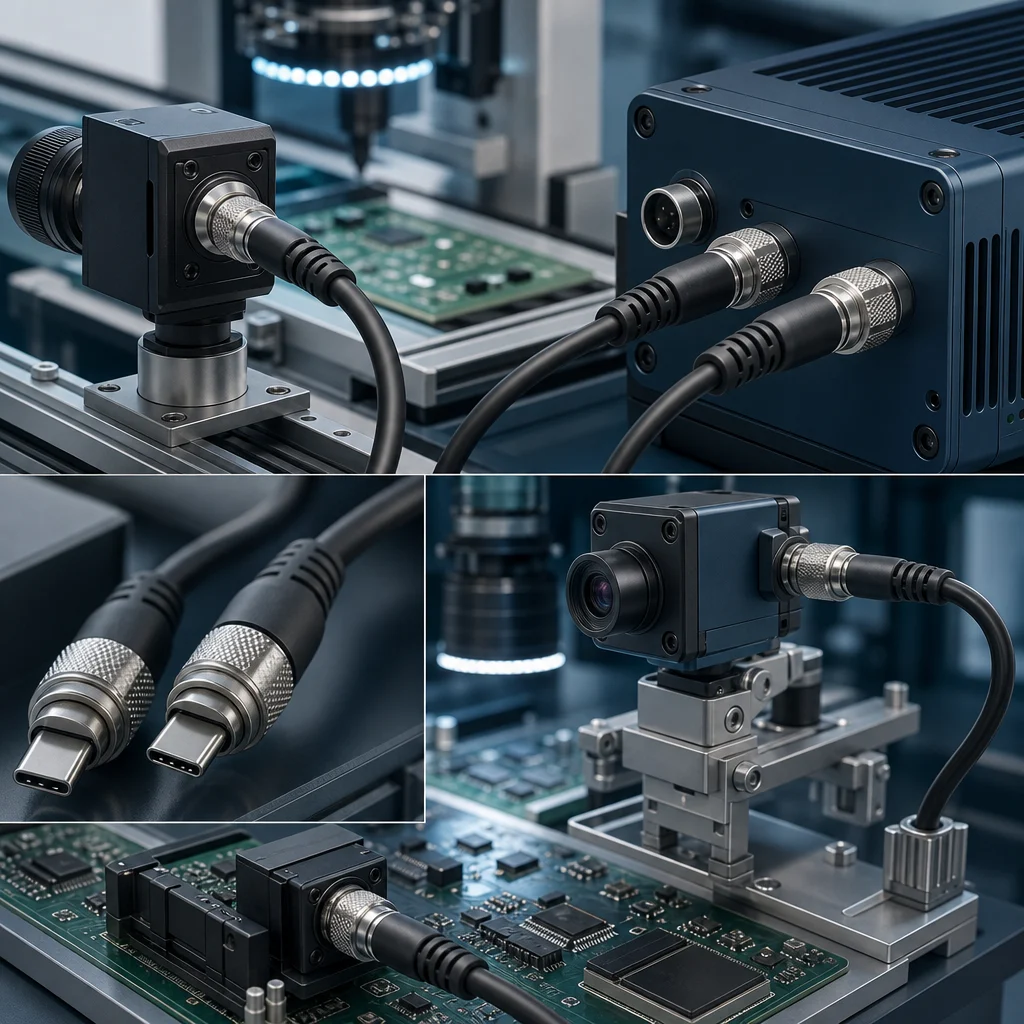
- These cables are available in various configurations, such as straight, angled, and custom lengths, to accommodate different server rack layouts and requirements. Custom lengths, for instance, can help reduce clutter and improve airflow within the rack. Moreover, some manufacturers may offer Индивидуальные кабельные сборки высокой скорости для повышения производительности и надёжности to meet specific customer requirements.
- High-speed interconnect cables are designed to operate in high-density environments, withstanding the challenges of crowded server racks and data centers. They are built to withstand the rigors of frequent insertion and removal, as well as exposure to varying temperatures and humidity levels. For example, some high-speed interconnect cables may be designed to operate in temperatures ranging from -20°C to 80°C.
| Тип кабеля | Скорость передачи данных | Protocol Support | Типичные области применения |
|---|---|---|---|
| High-Speed Interconnect Cable | До 100 Гбит/с | PCIe, SAS, SATA | High-performance computing, data center interconnects |
| Standard Interconnect Cable | До 10 Гбит/с | SAS, SATA | Storage and tape drives, legacy systems |
| Active Optical Cable (AOC) | До 400 Гбит/с | InfiniBand, Ethernet | High-density data center interconnects, HPC applications |
| Fiber Optic Cable | Up to 1 Tbps | Ethernet, InfiniBand | High-speed data center interconnects, long-haul applications |
Benefits of High-Speed Interconnect Cables in Server Racks
The use of high-speed interconnect cables in server racks offers several benefits, including enhanced performance, increased reliability, and improved scalability. By enabling faster data transfer rates and reducing latency, these cables can significantly improve overall system performance. For example, in high-performance computing (HPC) applications, Решения кабельных соединений для высокоскоростной передачи данных: повышение производительности и надёжности can reduce job completion times and improve overall productivity.
- High-speed interconnect cables enable faster data transfer rates, reducing latency and improving overall system performance. For instance, in applications such as artificial intelligence and machine learning, high-speed interconnects can accelerate data processing and improve model training times.
- They provide reliable connectivity, minimizing the risk of data loss and system downtime. By using high-quality materials and manufacturing techniques, these cables can ensure signal integrity and reduce the risk of errors or data corruption. For example, some high-speed interconnect cables may be designed with built-in error detection and correction mechanisms.
- These cables support scalable architectures, allowing data centers to easily expand their infrastructure as needed. By using modular and flexible interconnect solutions, data centers can adapt to changing demands and requirements. For instance, some high-speed interconnect cables may be designed to support future upgrades and expansions.
- High-speed interconnect cables can also help reduce power consumption and improve energy efficiency. By minimizing the need for repeaters and other signal conditioning devices, these cables can help reduce overall power consumption and heat generation. For example, some high-speed interconnect cables may be designed with low-power consumption in mind, using techniques such as low-voltage differential signaling (LVDS).
Design Considerations for High-Speed Interconnect Cables
When designing high-speed interconnect cables for server racks, several factors must be considered to ensure optimal performance and reliability. Cable designers must balance competing demands for high-speed performance, low latency, and reliability, while also ensuring compatibility with a wide range of devices and systems.
- Cable material and construction play a critical role in signal integrity and durability. The choice of materials, such as copper or fiber optic, will depend on the specific application and requirements. For example, copper cables may be used for shorter distances, while fiber optic cables may be used for longer distances.
- Shielding and grounding techniques are essential for minimizing electromagnetic interference (EMI) and ensuring reliable data transmission. Techniques such as foil shielding and braided shielding can be used to reduce EMI and improve signal integrity. For instance, some high-speed interconnect cables may use a combination of shielding and grounding techniques to minimize EMI.
- Cable routing and management are also important considerations. By using cable management systems and routing techniques, data centers can reduce clutter and improve airflow within the rack. For example, some data centers may use cable ties or cable organizers to keep cables organized and secure.
- Testing and validation are critical steps in the design process. By subjecting cables to rigorous testing and validation, manufacturers can ensure that they meet industry standards and protocols, such as PCIe and SAS. For instance, some manufacturers may perform Advanced Cable Testing Techniques for High-Speed Connectivity and Reliability to validate their cables.
Testing and Validation of High-Speed Interconnect Cables
To ensure the performance and reliability of high-speed interconnect cables, rigorous testing and validation are necessary. This includes a range of tests, such as signal integrity testing, compliance testing, and environmental testing.
- Signal integrity testing verifies the cable’s ability to transmit data accurately and reliably. This includes tests such as eye diagrams and bit error rate (BER) testing. For example, some manufacturers may use signal integrity testing to validate the performance of their cables at high data rates.
- Compliance testing ensures that the cables meet industry standards and protocols, such as PCIe and SAS. This includes testing for parameters such as data transfer rates, signal amplitude, and jitter. For instance, some manufacturers may perform compliance testing to ensure that their cables meet the requirements of specific industry standards.
- Environmental testing, such as temperature and humidity testing, ensures that the cables can operate reliably in a variety of environments. For example, some manufacturers may test their cables in extreme temperatures, such as -20°C to 80°C, to ensure that they can operate reliably.
- Mechanical testing, such as insertion and removal testing, ensures that the cables can withstand the rigors of frequent use. For instance, some manufacturers may test their cables for thousands of insertion and removal cycles to ensure that they remain reliable.
Best Practices for Implementing High-Speed Interconnect Cables
To get the most out of high-speed interconnect cables, data centers should follow best practices for implementation. This includes careful planning, installation, and maintenance.
- Carefully plan the cable layout and routing to minimize clutter and improve airflow within the rack. For example, some data centers may use cable management systems to keep cables organized and secure.
- Use high-quality cables that meet industry standards and protocols. For instance, some data centers may specify cables that meet specific industry standards, such as PCIe or SAS.
- Ensure that cables are properly installed and secured to prevent damage or signal degradation. For example, some data centers may use cable ties or cable organizers to keep cables secure.
- Regularly inspect and maintain cables to ensure that they remain reliable and performant. For instance, some data centers may perform regular cable inspections to identify and replace damaged or worn-out cables.
Часто задаваемые вопросы (FAQ)
- Q: What are the benefits of using high-speed interconnect cables in server racks?
A: High-speed interconnect cables offer several benefits, including enhanced performance, increased reliability, and improved scalability. - Q: What types of protocols are supported by high-speed interconnect cables?
A: High-speed interconnect cables support a range of protocols, including PCIe, SAS, and SATA. - Q: How do I choose the right high-speed interconnect cable for my application?
A: When choosing a high-speed interconnect cable, consider factors such as data transfer rates, protocol support, and cable length. - Q: What are the key design considerations for high-speed interconnect cables?
A: Key design considerations include cable material and construction, shielding and grounding techniques, and cable routing and management. - Q: How can I ensure that my high-speed interconnect cables are properly tested and validated?
A: Look for manufacturers that perform rigorous testing and validation, including signal integrity testing, compliance testing, and environmental testing. - Q: What are some best practices for implementing high-speed interconnect cables?
A: Best practices include careful planning, installation, and maintenance, as well as using high-quality cables that meet industry standards and protocols.