Medical Device Connectivity Solutions for Enhanced Healthcare
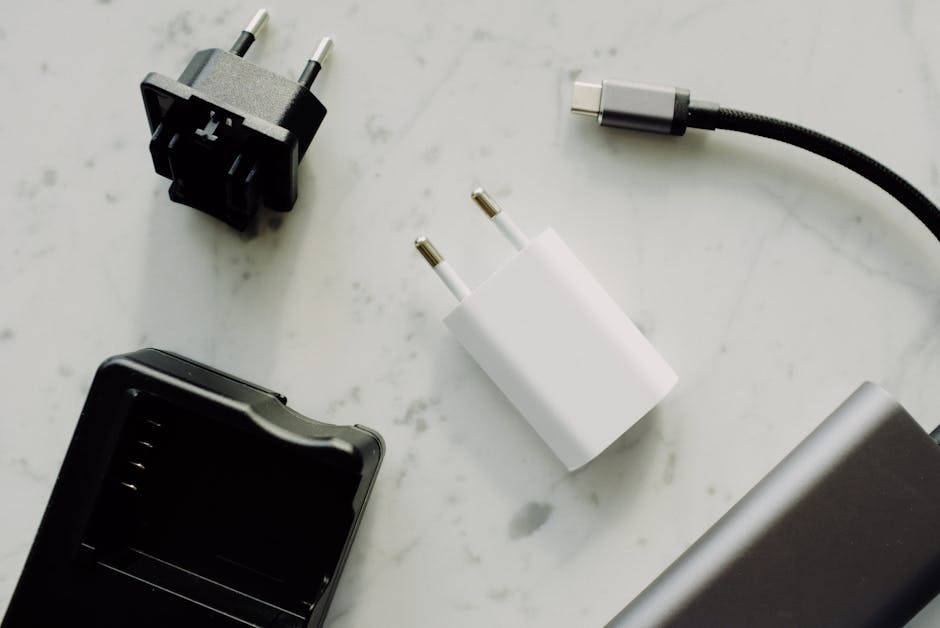
Understanding Medical Device Connectivity Solutions
Medical device connectivity solutions are critical in modern healthcare, enabling seamless integration and communication between medical devices and systems. These solutions facilitate efficient data exchange, enhancing patient care and operational efficiency. For instance, a hospital in the United States implemented a Кабели передачи данных медицинских электронных устройств: обеспечение надёжной передачи данных в здравоохранении solution that integrated data from various devices, resulting in a 30% reduction in patient wait times and a 25% decrease in medical errors. Another example is a clinic in Europe that used medical device connectivity solutions to integrate patient data from various sources, improving patient outcomes and reducing costs.
- Improved data accuracy and reliability through standardized data transmission protocols, such as HL7 and DICOM
- Enhanced interoperability between devices from different manufacturers, enabling seamless communication and data exchange
- Streamlined clinical workflows through automated data transfer, reducing manual data entry and minimizing errors
- Better patient outcomes through real-time data analysis and decision-making, enabling healthcare professionals to respond promptly to patient needs
- Reduced medical errors due to accurate and timely data transmission, improving patient safety and care
- Improved patient engagement through personalized care plans and remote monitoring, enhancing patient satisfaction and outcomes
| Преимущества | Описание |
|---|---|
| Improved data accuracy | Standardized data transmission protocols ensure reliable data exchange, reducing errors and improving patient care |
| Enhanced interoperability | Devices from different manufacturers can communicate effectively, enabling seamless integration and data exchange |
| Streamlined clinical workflows | Automated data transfer reduces manual data entry, minimizing errors and improving operational efficiency |
| Real-time data analysis | Enabling healthcare professionals to respond promptly to patient needs, improving patient outcomes and reducing medical errors |
Key Components of Medical Device Connectivity Solutions
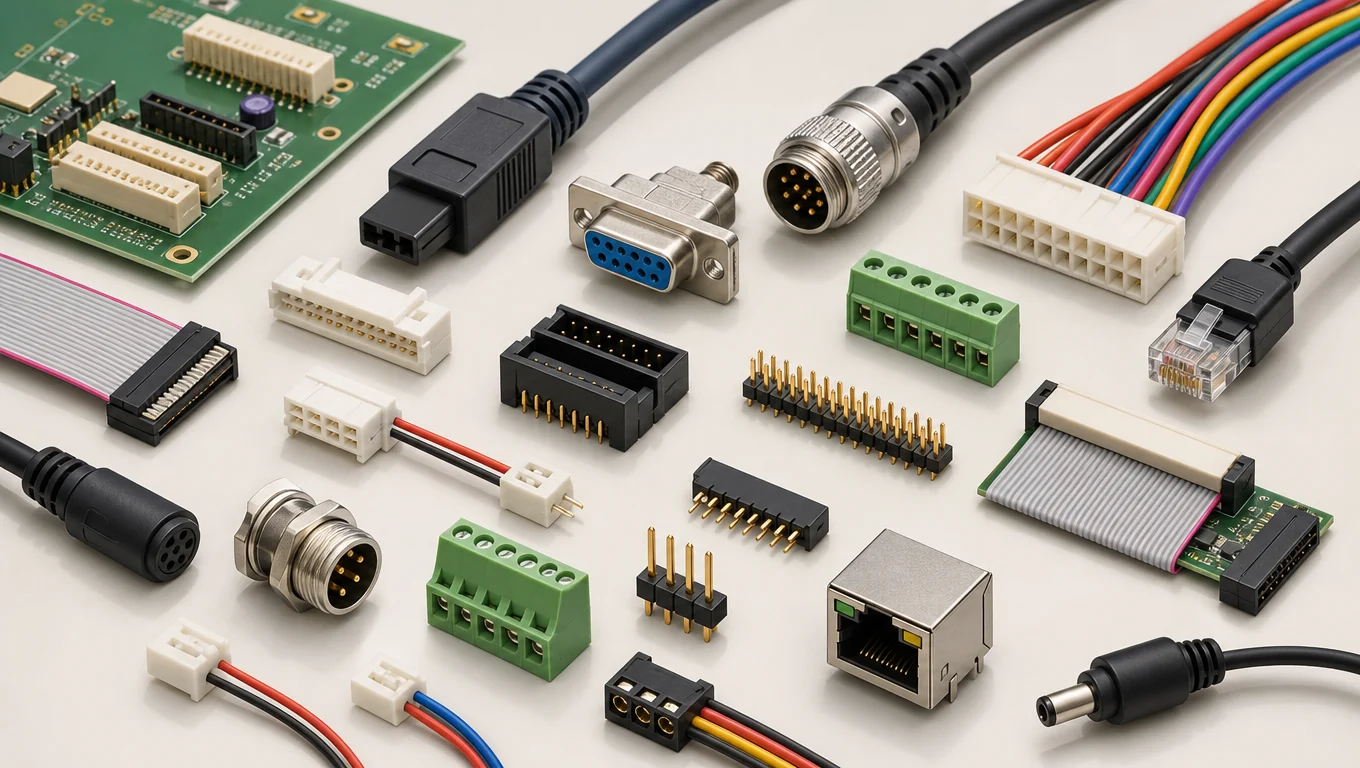
Effective medical device connectivity solutions rely on high-quality cables, connectors, and cable assemblies that meet stringent performance, reliability, and safety standards. When selecting these components, it is essential to consider factors such as data transfer rates, signal integrity, and environmental conditions. For example, high-speed data cables for medical devices, such as USB, HDMI, and Ethernet, are designed to meet specific data transfer rate requirements, ensuring reliable data transmission. Проектирование кабельных соединений для медицинских устройств: надёжность и вопросы безопасности is crucial to ensure the overall performance of the solution.
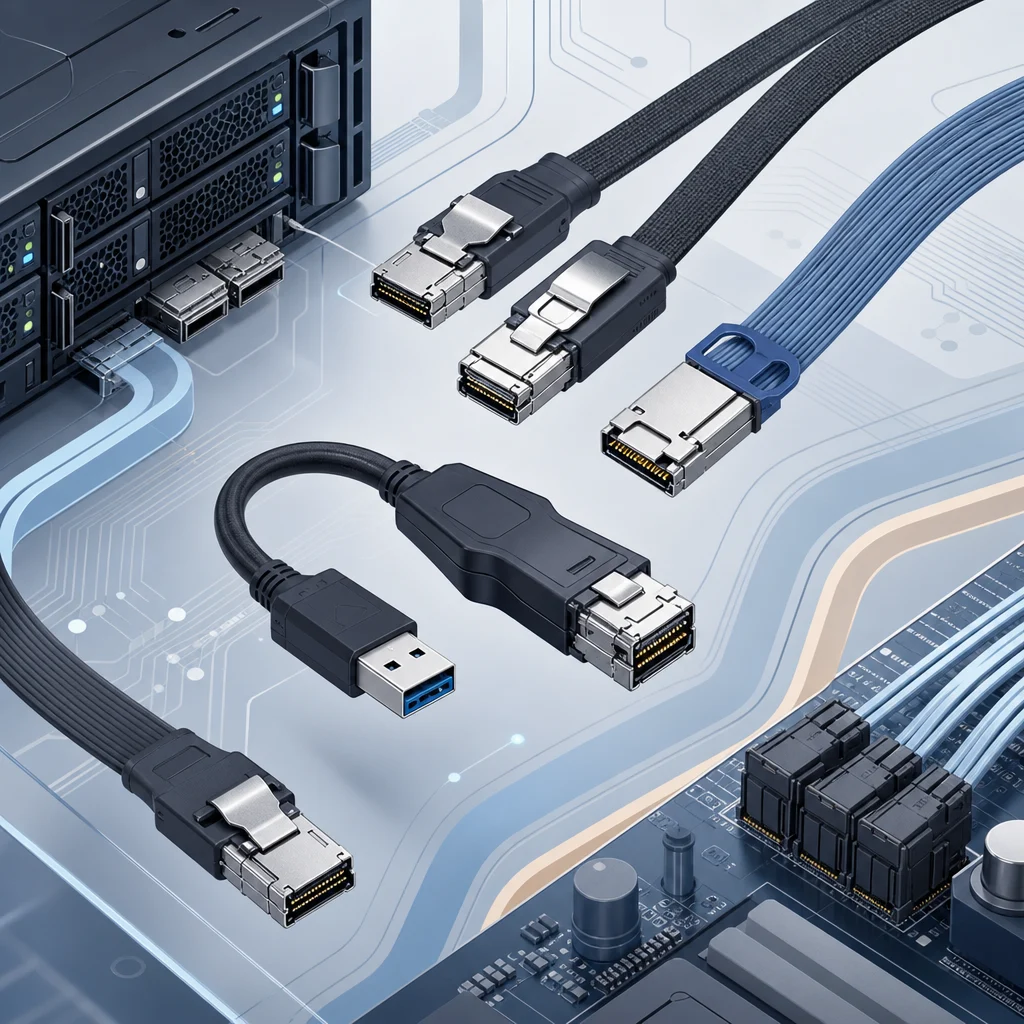
- High-speed data cables for medical devices (e.g., USB, HDMI, Ethernet), designed to meet specific data transfer rate requirements
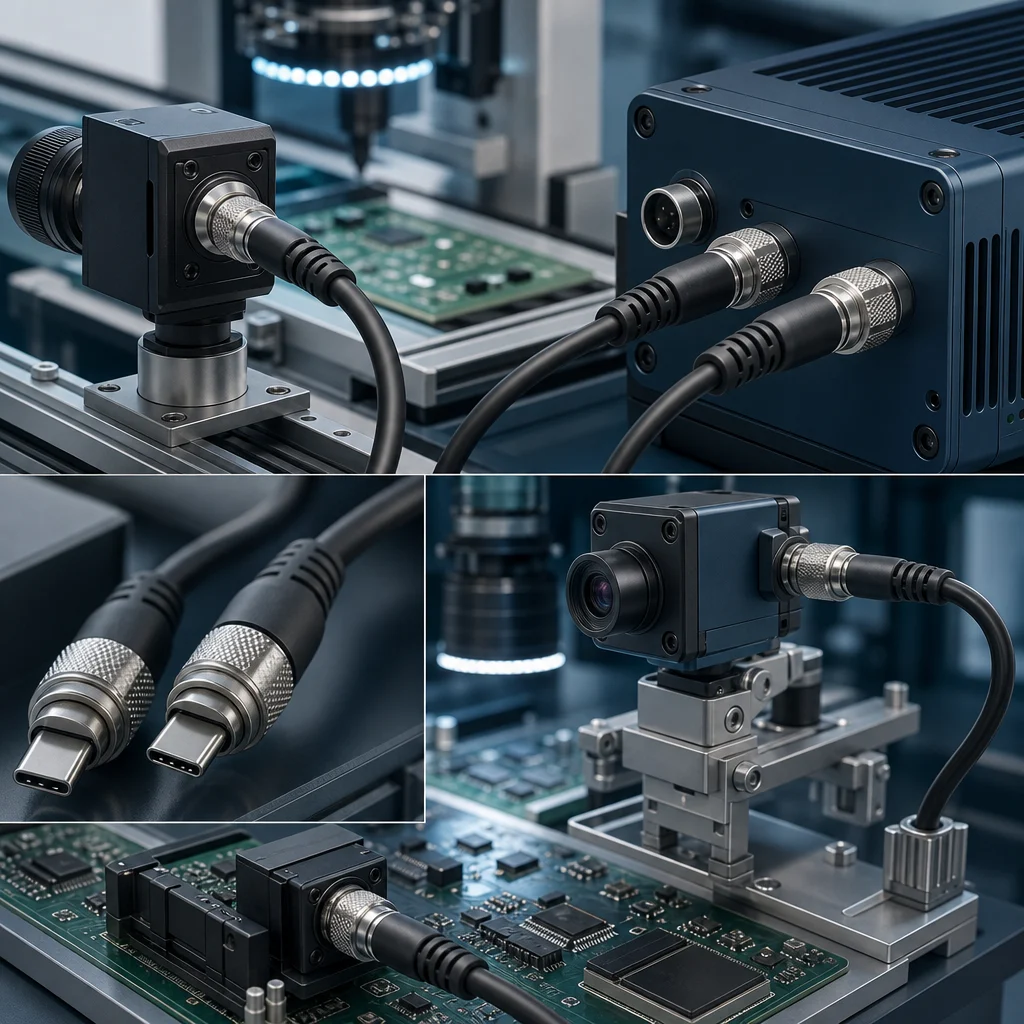
- Custom cable assemblies for specific medical applications, tailored to unique needs and requirements
- Connector solutions meeting medical industry standards (e.g., IEC), ensuring compatibility and reliability
- Cable management systems for organizing and securing cables, reducing clutter and improving maintenance
- Shielding and insulation materials to minimize electromagnetic interference (EMI) and ensure signal integrity
| Component | Описание |
|---|---|
| High-speed data cables | Designed for specific data transfer rate requirements, ensuring reliable data transmission |
| Custom cable assemblies | Tailored to unique needs of each medical device, ensuring compatibility and performance |
| Connector solutions | Meeting medical industry standards, ensuring reliability and safety |
| Cable management systems | Reducing clutter and improving maintenance, ensuring efficient and reliable data transmission |
Benefits of Advanced Medical Device Connectivity Solutions
Advanced medical device connectivity solutions offer numerous benefits, including improved patient care, enhanced operational efficiency, and reduced costs. These solutions enable healthcare professionals to make informed decisions, respond promptly to patient needs, and improve overall patient outcomes. For example, a hospital in Asia implemented an advanced medical device connectivity solution that integrated data from various devices, resulting in a 20% reduction in patient length of stay and a 15% decrease in readmission rates.
- Real-time monitoring and data analysis for clinical decision-making, enabling healthcare professionals to respond promptly to patient needs
- Improved device interoperability to reduce errors and enhance patient care, ensuring seamless communication and data exchange
- Enhanced patient safety through accurate and timely data transmission, reducing medical errors and improving patient outcomes
- Reduced costs through streamlined clinical workflows and improved operational efficiency, minimizing waste and optimizing resources
- Improved patient engagement through personalized care plans and remote monitoring, enhancing patient satisfaction and outcomes
Implementing Medical Device Connectivity Solutions: Steps and Considerations
Implementing medical device connectivity solutions requires careful planning, execution, and maintenance. The following steps can help ensure a successful implementation:
- Assess current infrastructure and device compatibility, identifying potential challenges and opportunities
- Develop a comprehensive plan for device integration and data exchange, ensuring seamless communication and interoperability
- Select high-quality cables, connectors, and cable assemblies that meet medical industry standards, ensuring reliability and safety. Специализированные кабельные сборки для электроники: решения для производительности и надежности can be considered for specific requirements.
- Implement robust data security measures, protecting patient data and ensuring compliance with regulatory standards
- Provide training and support for healthcare professionals, ensuring they can effectively use and maintain the solution
- Continuously monitor and evaluate the solution, identifying areas for improvement and optimizing performance
Challenges and Considerations
Implementing medical device connectivity solutions presents challenges, including ensuring device interoperability, maintaining data security, and complying with regulatory standards. To overcome these challenges, it is essential to:
- Ensure compatibility between devices from different manufacturers, using standardized protocols and interfaces
- Implement robust data security measures, protecting patient data and ensuring compliance with regulatory standards
- Comply with medical industry regulations and standards (e.g., FDA, IEC), ensuring safety and efficacy
- Provide ongoing maintenance and support, ensuring the solution remains effective and efficient over time
- Stay up-to-date with emerging technologies and trends, ensuring the solution remains relevant and effective
Часто задаваемые вопросы (FAQ)
Q: What are the benefits of medical device connectivity solutions?
A: Medical device connectivity solutions offer numerous benefits, including improved patient care, enhanced operational efficiency, and reduced costs.
Q: How do I ensure device interoperability?
A: Ensure compatibility between devices from different manufacturers by using standardized protocols and interfaces.
Q: What are the key components of medical device connectivity solutions?
A: High-quality cables, connectors, and cable assemblies that meet medical industry standards are essential components of medical device connectivity solutions.
Q: How do I implement robust data security measures?
A: Implement robust data security measures by using encryption, access controls, and audit trails, ensuring compliance with regulatory standards.
Q: What are the future trends in medical device connectivity?
A: Emerging technologies, including IoMT, AI, and 5G connectivity, are expected to shape the future of medical device connectivity, enabling new applications and improving patient care.
Future Trends in Medical Device Connectivity
Emerging technologies, including IoMT, AI, and 5G connectivity, are expected to shape the future of medical device connectivity. These technologies will enable new applications, improve patient care, and enhance operational efficiency. For example, IoMT devices can enable real-time monitoring and data analysis, while AI can improve predictive analytics and clinical decision-making.
- Increased adoption of IoMT devices for real-time monitoring and data analysis, enabling healthcare professionals to respond promptly to patient needs
- Integration of AI for predictive analytics and clinical decision-making, improving patient outcomes and reducing medical errors
- Enhanced connectivity through 5G networks for high-speed data transfer, enabling seamless communication and data exchange
- Development of new applications and services, such as remote patient monitoring and telemedicine, improving patient care and access to healthcare
- Improved cybersecurity measures to protect patient data and prevent cyber threats, ensuring safety and efficacy