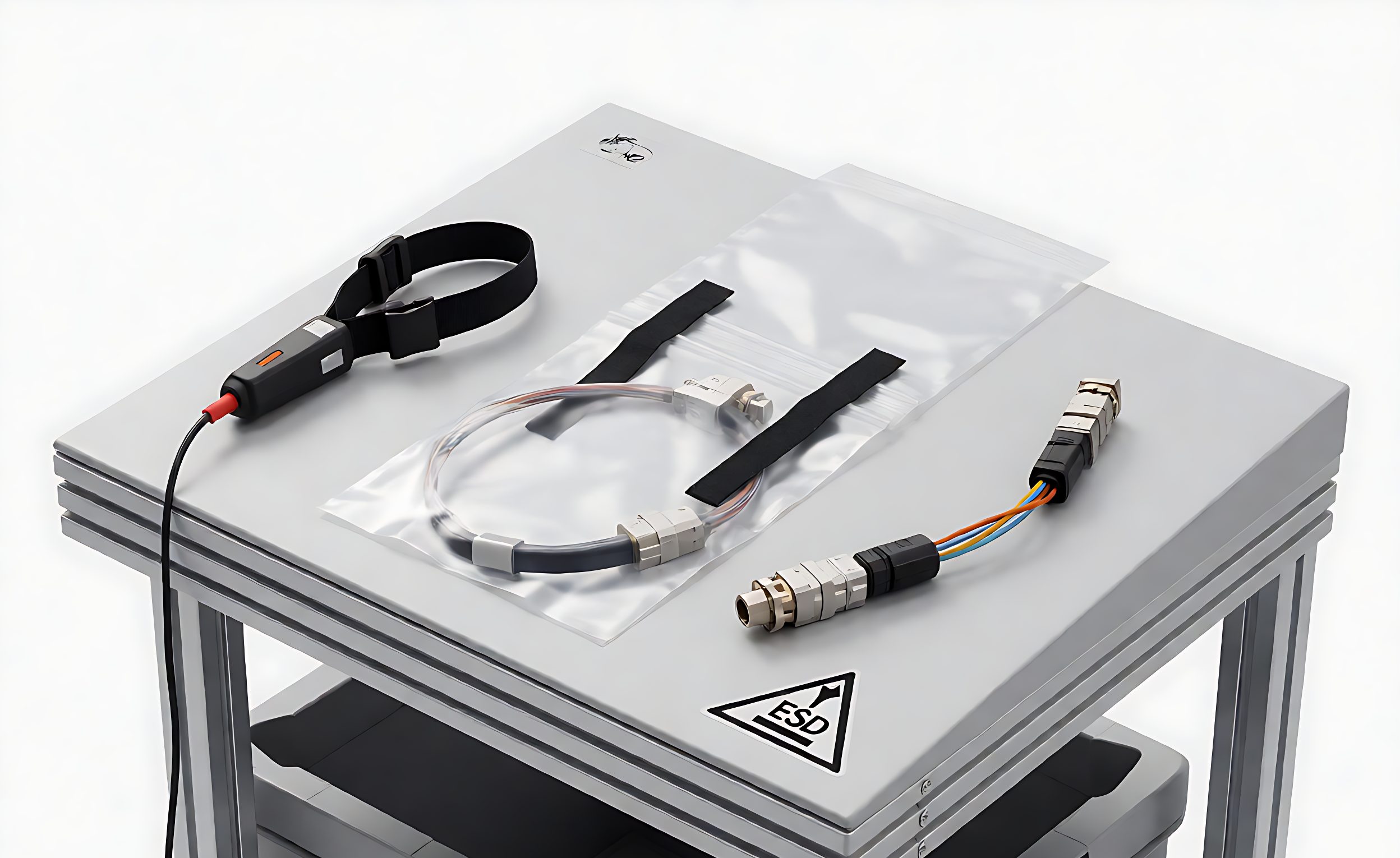
A cable assembly sits at the intersection of two compliance regimes: substance restrictions that apply to the materials it is made from, and safety approvals that apply to the product it becomes part of. Procurement teams tend to request a single “RoHS certificate” and treat the matter as closed, which is the reason audits fail. Compliance is a set of documents tied to specific materials from specific suppliers, and it has to be maintained rather than collected once.
The practical shift is from asking “are you compliant” to asking “show me the declaration that covers this part number, dated within the period, referencing these materials”.
Substance Restrictions
The European restriction regime limits specified hazardous substances in electrical equipment, and cable assemblies are in scope as components. The chemical registration regime requires communication about substances of concern present above a threshold, and it is updated periodically with new candidate substances – which is why a declaration from three years ago may no longer be adequate.
Compliance flows through the supply chain by declaration. The cable manufacturer declares against its material suppliers, the assembly manufacturer consolidates those into a declaration for the finished part, and the buyer holds that as evidence. Each link has to be current, because a declaration is only as good as the data underneath it.
What to request: a declaration referencing the specific part number or product family, dated, stating the standard or regulation it addresses, and naming the issuing entity. A generic statement on a website is not evidence for a specific shipment.

Safety Approvals and Marks
Safety marks apply to the end product, and components can carry recognitions that simplify the end approval. For cable, the relevant schemes cover flammability, temperature rating and voltage rating of the insulation and jacket. A component recognition is not a product approval: it says the material or construction was evaluated for certain properties, not that the finished equipment is safe.
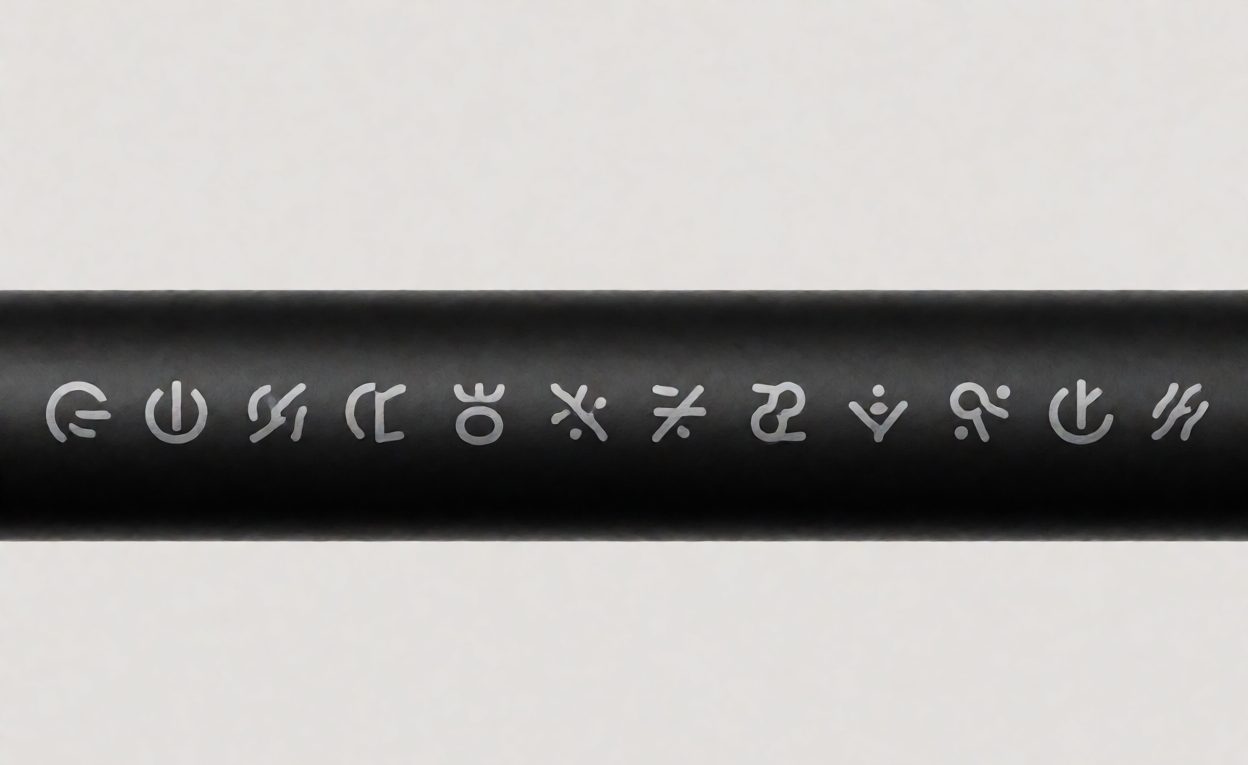
The practical consequence is that buyers should specify the rating they need – temperature, voltage, flame class – and verify that the cable jacket is marked accordingly. Jacket printing is the primary evidence, and it should include the manufacturer, the cable type, the ratings and any approval marking.
The CE mark on a finished assembly indicates conformity with the applicable European requirements for that product category. It is a declaration by the responsible party, supported by a technical file, not a certificate issued by an authority for most product types.
Where Declarations Go Wrong
Three recurring problems:
- Scope mismatch. The declaration covers a product family, but the ordered part uses a connector or jacket from outside that family.
- Stale dates. The declaration predates a candidate list update or a material change, so it no longer reflects the product.
- Unverified sub-tier data. The assembler declares based on a supplier’s statement it never checked, which is common with generic connectors bought on the open market.
The third is the hardest to detect and the most consequential. Ask whether the assembler purchases connectors from authorised channels with declaration support, because open-market components are the most common source of a compliance gap in an otherwise well-documented supply chain.
Technical Background
The substance side is governed by the restriction of hazardous substances regime and by the chemicals registration regime, which together define what is restricted and what must be communicated. The conformity mark that appears on finished goods is CE marking, a self-declaration supported by a technical file for most product categories.
Building a Compliance File That Survives an Audit
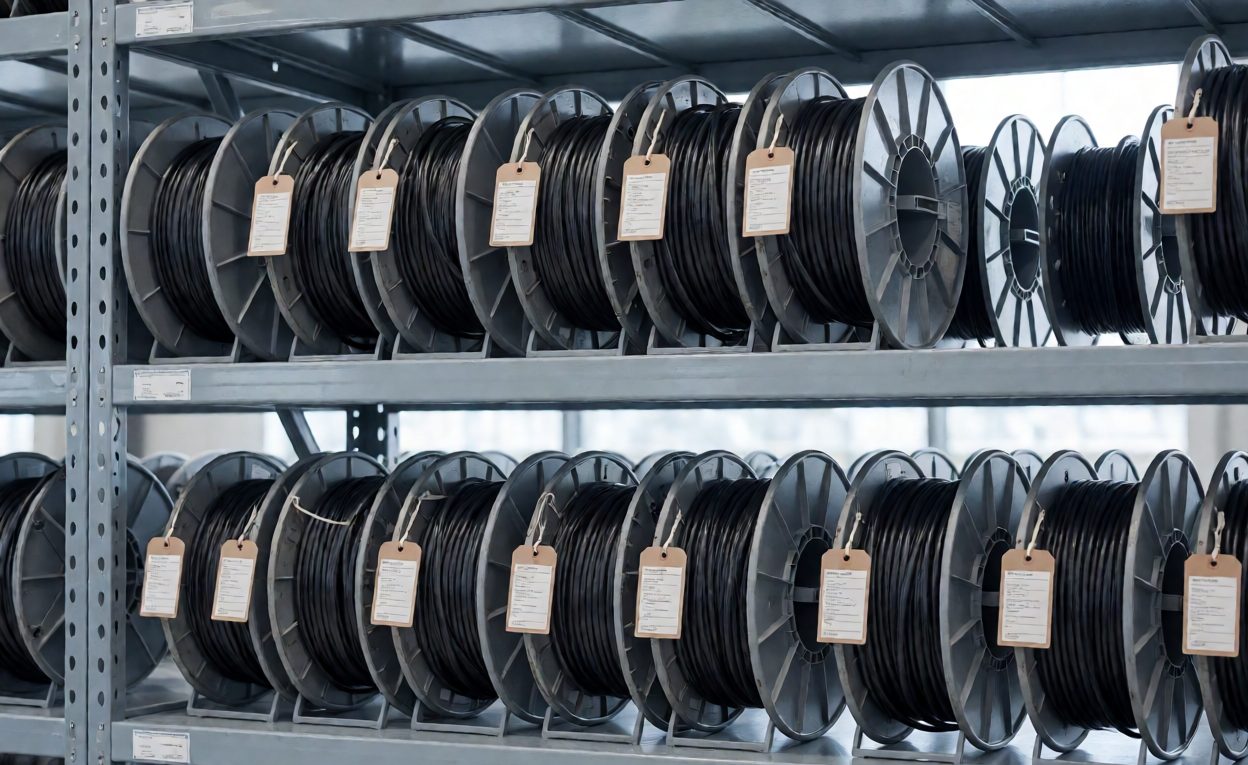
Keep, per part number: the current substance declaration with its date, the material or component certificates it depends on, the jacket marking specification, and the technical file or declaration of conformity for the finished assembly where one is required. Record when each document was last refreshed.
Treat the compliance file as part of the part record rather than as a folder somewhere. When a part number is revised or a supplier changes, the file should move with it, because an audit asks for the evidence that matches the part as built rather than the part as originally specified.
Set a review trigger as well as a calendar one. Any change of connector supplier, jacket material or plating process should prompt a fresh declaration, because the existing documents describe the previous construction.
Compliance documentation connects to the quality systems described in ISO certification in cable manufacturing and to quality control in certified processes. Material choices are covered in cable jacket materials, supplier selection in choosing a custom cable manufacturer, and test evidence in the test reports an OEM should provide.
ЧАСТО ЗАДАВАЕМЫЕ ВОПРОСЫ
Is a single RoHS certificate enough?
No. You need a declaration covering the specific part number, dated, naming the regulation and the issuing entity, backed by current sub-tier data.
Why does declaration age matter?
Restricted substance lists are updated periodically, and a declaration predating an update may no longer reflect the product.
Is a component recognition a product approval?
No. It evaluates a material or construction for defined properties; the finished equipment still needs its own conformity assessment.
What evidence should be on the cable itself?
Jacket printing showing manufacturer, cable type, temperature and voltage ratings, and any applicable approval marking.
What is the most common compliance gap?
Open-market components whose substance data was never verified, particularly generic connectors.
When should declarations be refreshed?
On any change of connector supplier, jacket material or plating process, and periodically as restricted substance lists change.
Who issues the CE declaration?
The responsible party placing the product on the market, supported by a technical file, not an authority for most categories.