
A first quotation for a custom assembly often carries charges the buyer did not expect: non-recurring engineering, tooling, sample fees, test fixture costs. None of these are padding. They are real work that happens once, before a single production unit exists, and the argument is not about whether they exist but about whether they are fair, itemised and credited where appropriate.
Buyers who understand what each charge covers can negotiate the structure rather than the number, which is usually the more productive conversation.
What NRE Actually Covers
Non-recurring engineering is the one-off work of turning a requirement into a repeatable build. In practice it includes:
- Drawing and specification review, and the internal documentation created to make the part buildable.
- Process definition: strip lengths, crimp or solder parameters, moulding conditions, assembly sequence.
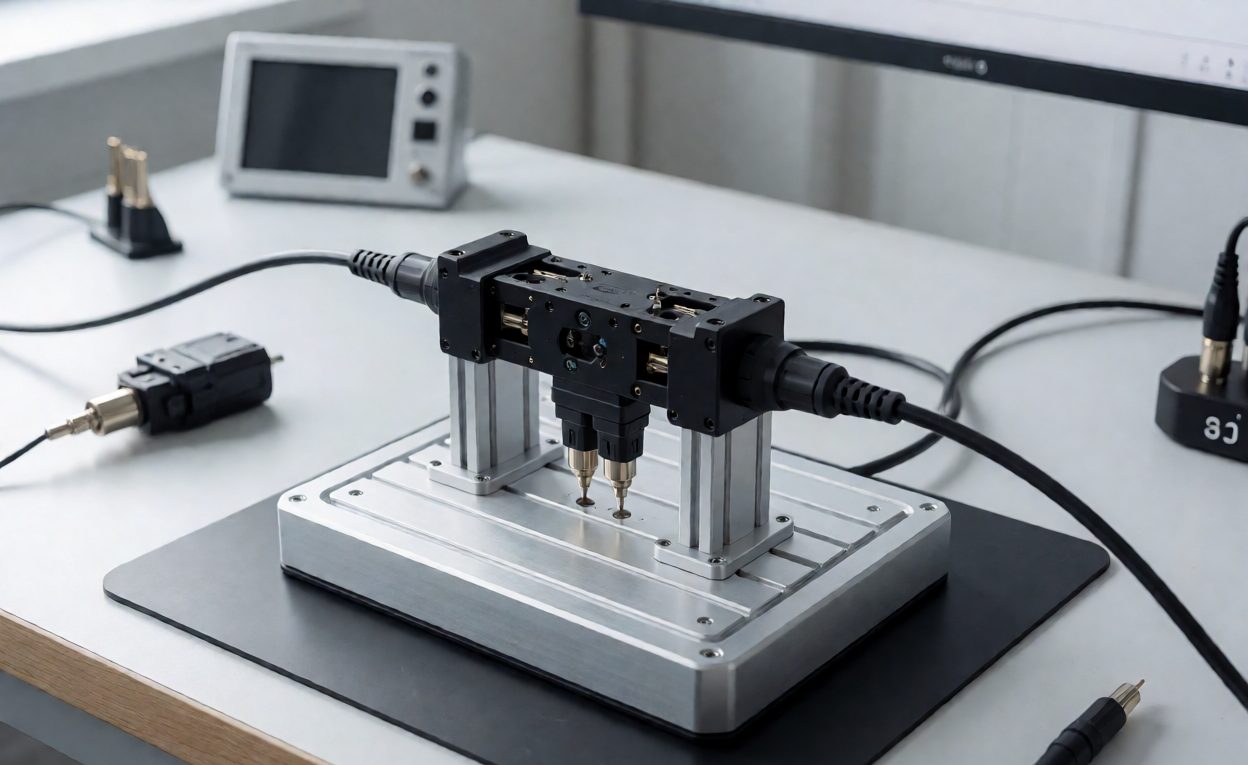
- Test fixture design and build, which for an assembly with many conductors can be the largest single item.
- First article build and verification, including measurement reports and any test data the buyer requires.
- Programming for automated cutting, stripping, crimping or testing equipment.
The test fixture is the item buyers most often underestimate. A simple continuity check needs a modest fixture; a high-speed assembly requiring signal verification needs something considerably more substantial, and that cost is driven by the specification rather than by the supplier’s appetite.
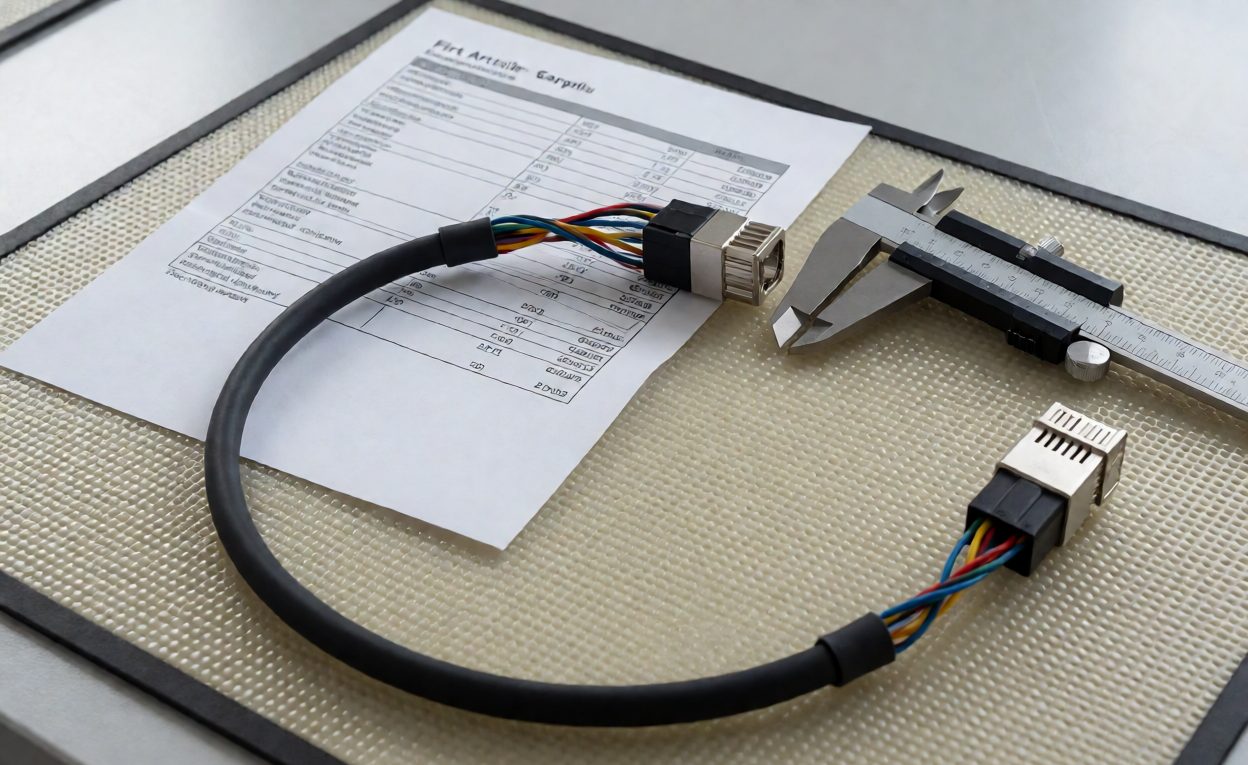
One test of a fair NRE figure is whether it scales with complexity. A simple two-conductor assembly should not carry the same engineering charge as a shielded high-speed harness, and a quotation charging the same for both is worth questioning line by line.
Tooling Versus NRE
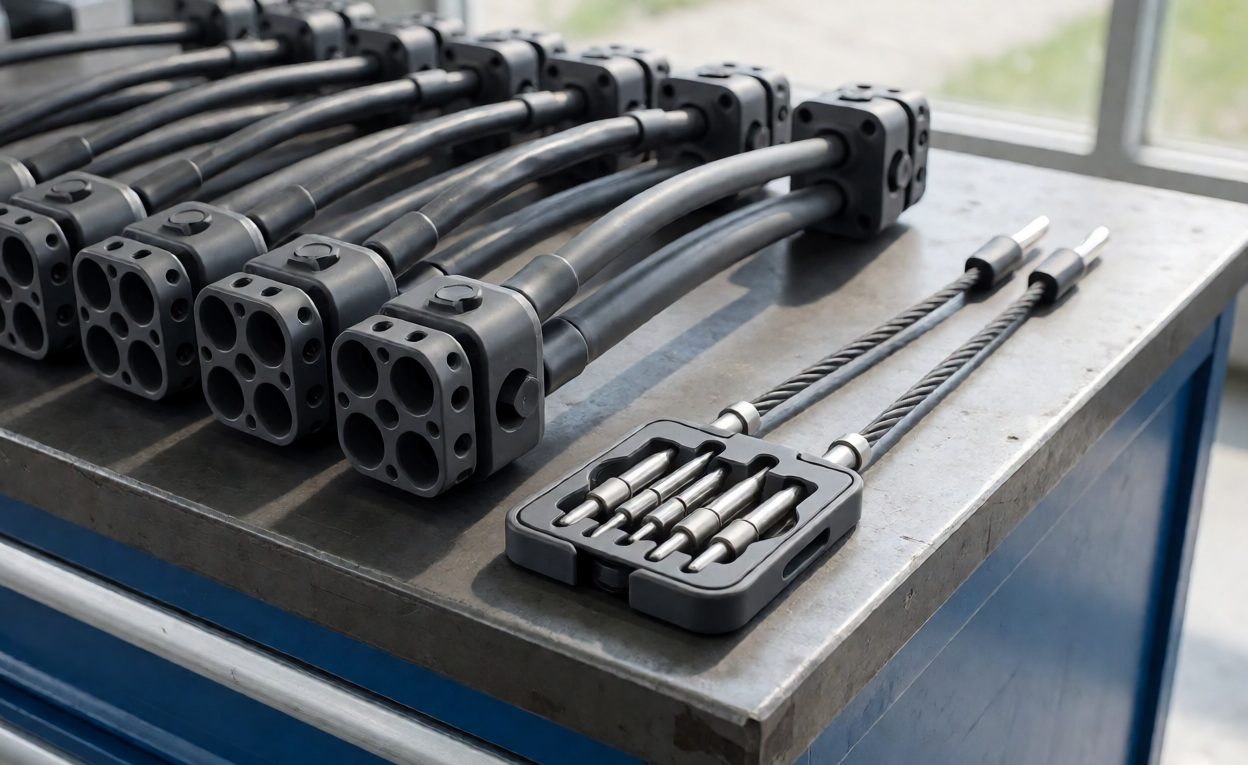
Tooling is a physical asset – an overmould tool, a crimping die set, a bending jig – and it is owned by whoever paid for it. NRE is work. The distinction matters because tooling retains value and can be moved or reused, while NRE does not.
Both are commonly handled in one of three ways: charged separately and paid upfront, amortised into the unit price against a committed volume, or waived against a volume commitment with a clawback if the volume is not met. Each is legitimate. The buyer’s question is which matches the programme: upfront for a long programme with firm volume, amortised for a first launch, waived only where the commitment is real and documented.
Sample Charges and What They Buy
Samples cost more per unit than production parts, because they are made outside a production flow. A reasonable sample policy states the quantity included, the price for additional units, whether the cost is credited against the first production order, and how long the quoted sample lead time is.
Crediting is the point worth negotiating. Many suppliers credit sample and sometimes tooling charges against a first production order above a threshold, which aligns both sides: the buyer is not paying twice for development, and the supplier is not funding speculative enquiries.
Ask what the sample represents. A sample built on production tooling with production material is a valid reference; a hand-built prototype is useful for fit and function but tells you little about repeatability.
Technical Background
One-off development cost of this kind is generally treated as engineering work rather than production, which is why it is billed separately from units. The physical assets it produces are tooling, retained and reusable across orders. The output the buyer evaluates before committing is a prototype or first article, whose value depends on whether it was made the way production parts will be.
Agreeing Terms Before Work Starts
Four items belong in writing before NRE is paid: what the charge covers and what it excludes, ownership of any tooling, whether the charge is credited against production and at what volume threshold, and what happens if the programme is cancelled or the design changes materially after start.
Two further items are worth settling because they are cheap now and expensive later. Confidentiality: the drawing and specification should be protected, and a test fixture built for the part should not be repurposed. Rights in the design: where the buyer’s design is embodied in tooling or a fixture, state that it exists to serve this part rather than others. Finally, ask what happens if the project is cancelled before production, whether NRE remains payable in full, and whether partially built tooling can be completed and transferred.
The last one prevents most disputes. Engineering work is quoted against a defined requirement; when the requirement changes mid-project, additional work is genuinely additional. Agreeing how that is handled upfront is far easier than arguing about it later.
Charge structure connects to MOQ, lead time and the quality checklist and to the price build-up in cable quotation cost drivers. The development path is described in the process from drawing to sample to bulk, and supplier evaluation criteria in choosing a custom cable manufacturer.
ЧАСТО ЗАДАВАЕМЫЕ ВОПРОСЫ
What does NRE cover on a cable assembly?
One-off work: specification review, process definition, test fixture design and build, first article verification and equipment programming.
Is NRE the same as tooling?
No. Tooling is a physical asset that can be moved or reused; NRE is engineering work that cannot.
Why are samples expensive per unit?
Because they are built outside a production flow, with setup and handling that a production run spreads across many units.
Should sample charges be credited?
Often negotiable against a first production order above a threshold, which aligns both sides on a real programme.
What makes a sample a valid reference?
Being built on production tooling with production material, so it represents what bulk production will deliver.
What should be agreed before paying NRE?
Scope and exclusions, tooling ownership, credit terms against production, and how design changes after start are handled.
Can tooling be moved to another supplier?
Only if the contract allows it. State ownership and transfer terms before paying.