
Automotive Electronics Wiring Harness Testing: Methods and Importance
Introduction to Automotive Electronics Wiring Harnesses
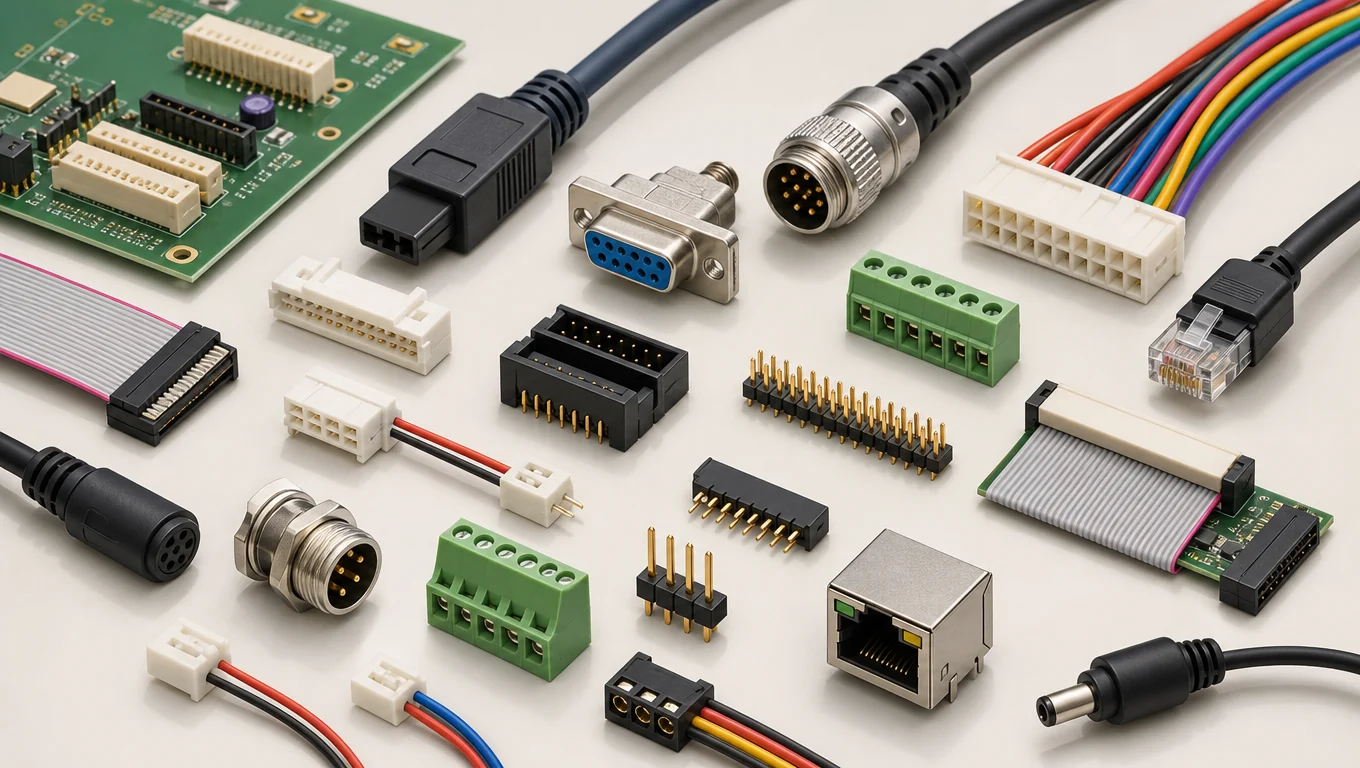
Automotive electronics wiring harnesses are complex assemblies that play a crucial role in the functioning of modern vehicles. They connect various electronic components, such as sensors, actuators, and control units, to ensure the smooth operation of the vehicle’s systems. A typical wiring harness includes multiple conductors, insulation, and protective coverings, all of which must be carefully designed and manufactured to meet the specific requirements of the vehicle. For more information on Rigorous Cable Testing Methods for Ensuring Cable Quality and Reliability, you can visit our dedicated page.
The design and manufacturing process of wiring harnesses involves several key steps:
- Designing the wiring harness layout, taking into account factors such as routing, securement, and connector installation
- Selecting the appropriate materials and components, including conductors, insulation, and protective coverings
- Manufacturing the wiring harness, using techniques such as cutting, stripping, and crimping
- Testing and validation, to ensure that the wiring harness meets the required standards
For example, a wiring harness for a vehicle’s engine control system may require specialized connectors and insulation to withstand high temperatures and vibrations. In addition, the wiring harness must be designed to meet the specific requirements of the vehicle, including factors such as durability, reliability, and safety. Our Precision Cable Harness Assembly for Automotive Applications showcases our expertise in this area.
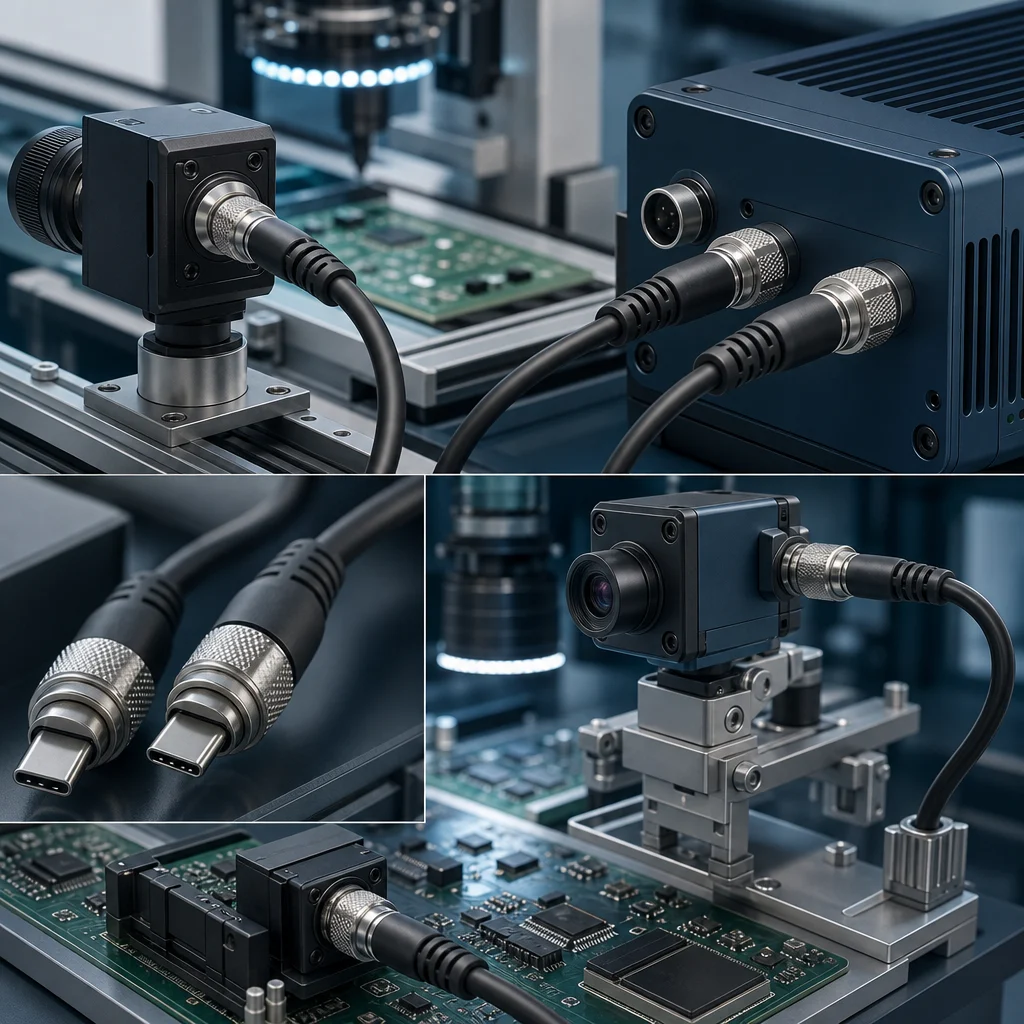
To illustrate the complexity of wiring harness design, consider a modern vehicle with advanced safety features, such as lane departure warning and blind spot detection. The wiring harness for this vehicle must be designed to connect multiple sensors and cameras, while also ensuring reliable data transmission and minimizing electromagnetic interference.
Importance of Testing Automotive Electronics Wiring Harnesses
Testing automotive electronics wiring harnesses is essential to ensure their reliability and performance. A faulty wiring harness can lead to electrical shorts, signal interference, and even complete system failure. Some common issues that can arise from faulty wiring harnesses include:
- Intermittent or lost connections, which can cause system malfunctions or failure
- Electrical noise or interference, which can affect the performance of sensitive electronic components
- Short circuits or overheating, which can cause damage to the wiring harness or other components
- System malfunctions or failure, which can compromise the safety and reliability of the vehicle
Manufacturers must implement rigorous testing protocols to ensure that their wiring harnesses meet the required standards. This includes testing for continuity, insulation resistance, and high-voltage withstand capability.
| Testing Method | Описание |
|---|---|
| Continuity Testing | Verifies the electrical connections within the wiring harness |
| Insulation Resistance Testing | Measures the resistance of the insulation between conductors |
| High-Voltage Testing | Verifies that the wiring harness can withstand high voltages without breaking down |
| Environmental Testing | Simulates real-world conditions to verify that the wiring harness can withstand various environmental factors |
In addition to these testing methods, manufacturers may also use other techniques, such as visual inspection and functional testing, to ensure that their wiring harnesses meet the required standards. For industrial automation applications, High-Performance Servo Motor Wiring Harness Solutions are also available.
Types of Testing Methods for Automotive Electronics Wiring Harnesses
There are several testing methods used to verify the integrity and functionality of automotive electronics wiring harnesses. These include:
- Visual inspection to identify any physical damage or defects
- Continuity testing to verify the electrical connections
- Insulation resistance testing to ensure the integrity of the insulation
- High-voltage testing to verify the harness’s ability to withstand high voltages
- Environmental testing to simulate real-world conditions
For example, a manufacturer may use a combination of visual inspection and continuity testing to verify that a wiring harness is free from defects and functions correctly. In addition, the manufacturer may use insulation resistance testing and high-voltage testing to ensure that the wiring harness can withstand the electrical stresses imposed by the vehicle’s systems.
Visual Inspection
Visual inspection involves examining the wiring harness for any signs of physical damage, such as cuts, abrasions, or burns. This includes checking:
- Cable routing and securement, to ensure that the wiring harness is properly secured and routed
- Connector installation and mating, to ensure that connectors are properly installed and mated
- Wire insulation and jacketing, to ensure that the insulation and jacketing are intact and undamaged
- Labeling and identification, to ensure that the wiring harness is properly labeled and identified
Visual inspection is typically performed using a combination of visual examination and measurement tools, such as calipers and micrometers. In addition, manufacturers may use specialized equipment, such as borescopes or fiberscopes, to inspect hard-to-reach areas of the wiring harness.
Continuity Testing
Continuity testing is used to verify that the electrical connections within the wiring harness are correct and functional. The steps involved in continuity testing include:
- Identifying the conductors to be tested
- Setting up the testing equipment, such as a multimeter or continuity tester
- Performing the continuity test, by applying a voltage or current to the conductors and measuring the response
- Analyzing the test results, to determine whether the electrical connections are correct and functional
Continuity testing is typically performed using a multimeter or continuity tester, and may involve testing individual conductors or entire circuits. In addition, manufacturers may use automated testing equipment, such as continuity testers with multiple probes, to speed up the testing process.
Insulation Resistance Testing
Insulation resistance testing measures the resistance of the insulation between conductors. The steps involved in insulation resistance testing include:
- Preparing the wiring harness for testing, by cleaning and drying the insulation
- Setting up the testing equipment, such as an insulation resistance tester
- Applying the test voltage, typically a high-voltage DC signal
- Measuring the insulation resistance, using a device such as a megohmmeter
Insulation resistance testing is typically performed using a specialized tester, and may involve testing individual conductors or entire circuits. In addition, manufacturers may use temperature and humidity control to simulate real-world conditions and ensure that the insulation resistance meets the required standards.
High-Voltage Testing
High-voltage testing verifies that the wiring harness can withstand high voltages without breaking down. The steps involved in high-voltage testing include:
- Preparing the wiring harness for testing, by cleaning and drying the insulation
- Setting up the testing equipment, such as a high-voltage tester
- Applying the high voltage, typically a high-voltage AC or DC signal
- Monitoring the test results, to determine whether the wiring harness can withstand the high voltage
High-voltage testing is typically performed using a specialized tester, and may involve testing individual conductors or entire circuits. In addition, manufacturers may use ramp testing or step testing to simulate real-world voltage transients and ensure that the wiring harness can withstand the electrical stresses imposed by the vehicle’s systems.
Environmental Testing
Environmental testing involves simulating real-world conditions to verify that the wiring harness can withstand various environmental factors. This includes testing for:
- Temperature cycling, to simulate the effects of temperature changes on the wiring harness
- Humidity testing, to simulate the effects of humidity on the wiring harness
- Vibration testing, to simulate the effects of vibration on the wiring harness
- Exposure to chemicals or contaminants, to simulate the effects of exposure to chemicals or contaminants on the wiring harness
Environmental testing is typically performed using specialized equipment, such as climate chambers or vibration tables. In addition, manufacturers may use combined environmental testing, such as temperature and vibration testing, to simulate real-world conditions and ensure that the wiring harness meets the required standards.
Часто задаваемые вопросы
Some common questions about automotive electronics wiring harness testing include:
- Q: What is the purpose of continuity testing?
- A: Continuity testing is used to verify that the electrical connections within the wiring harness are correct and functional.
- Q: What is insulation resistance testing?
- A: Insulation resistance testing measures the resistance of the insulation between conductors.
- Q: Why is high-voltage testing important?
- A: High-voltage testing verifies that the wiring harness can withstand high voltages without breaking down.
- Q: What is environmental testing?
- A: Environmental testing involves simulating real-world conditions to verify that the wiring harness can withstand various environmental factors.
- Q: How can I ensure that my wiring harness meets the required standards?
- A: To ensure that your wiring harness meets the required standards, you should implement a rigorous testing protocol that includes a combination of visual inspection, continuity testing, insulation resistance testing, high-voltage testing, and environmental testing.
Заключение
Automotive electronics wiring harnesses are critical components in modern vehicles, and their testing is essential to ensure reliability and performance. By using a combination of testing methods, including visual inspection, continuity testing, insulation resistance testing, high-voltage testing, and environmental testing, manufacturers can ensure that their wiring harnesses meet the required standards.