Machine vision systems in industrial automation rely heavily on high-quality camera cables to maintain data integrity and system uptime. Signal interference, loose connections, and incompatible interfaces can lead to costly downtime and reduced productivity. For instance, a single faulty camera cable can halt an entire production line, resulting in significant financial losses.
Core Technology and Material Deep Dive
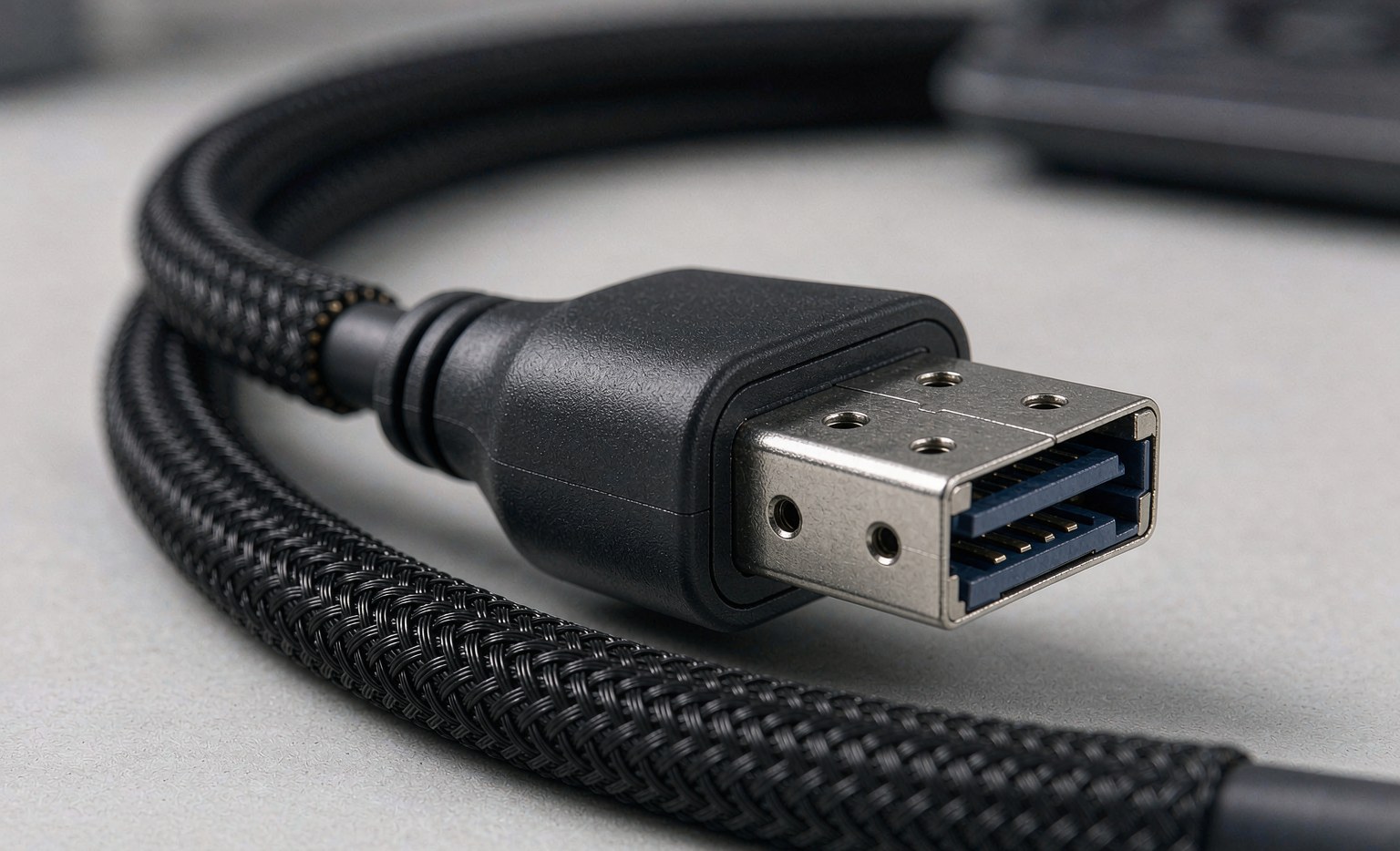
Industrial camera cables require robust construction and advanced materials to withstand harsh environments. Key features include:
- EMI/RFI multilayer shielding for signal integrity, reducing electromagnetic interference by up to 90%
- 24-32 AWG conductors for optimal data transmission, ensuring signal quality and minimizing data loss
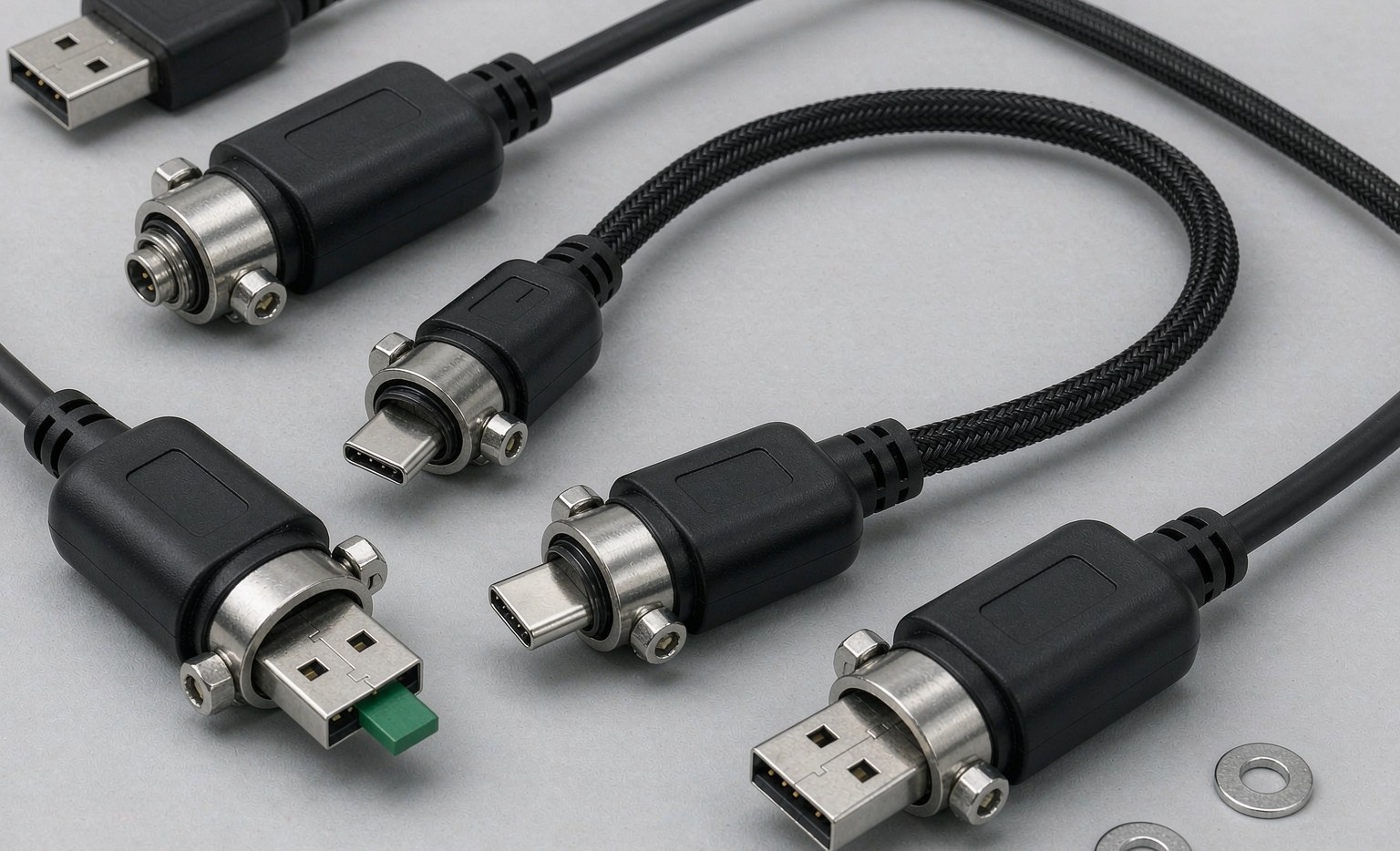
- Screw-lock or latch-lock mechanisms for secure connections, preventing loose connections due to machine vibration
- High-flexibility designs for durability in dynamic applications, withstanding repeated bending and twisting
| Cable Type | Data Rate | Locking Mechanism | Typical Application |
|---|---|---|---|
| USB 3.0 | 5 Gbps | Screw-lock | Industrial inspection systems |
| USB-C | 10 Gbps | Latch-lock | High-speed machine vision applications |
| Camera Link | 6.8 Gbps | Screw-lock | High-resolution imaging systems |
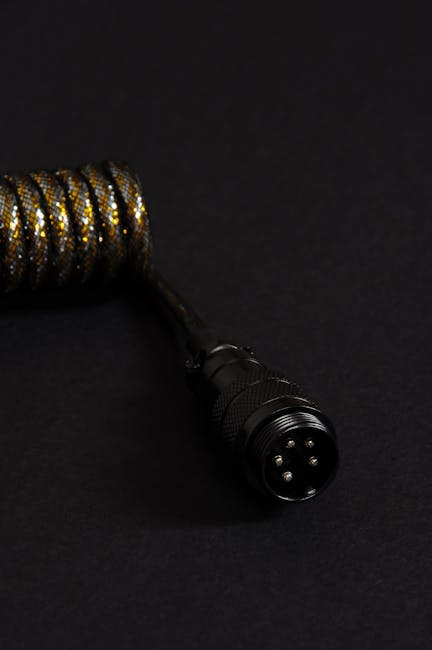
When designing industrial camera cables, it’s essential to consider factors such as cable length, connector type, and shielding effectiveness. For example, our 6-core power cable for industrial cameras offers high flexibility and integrated design, making it suitable for applications with limited space.
Key Industry Applications
Industrial camera cables are used in various machine vision applications, including:
- Industrial automation equipment, such as robotic inspection systems and quality control systems
- Medical electronic devices, such as medical imaging systems and diagnostic equipment
- Automotive electronics inspection, including component inspection and quality control
- Food and beverage inspection, including packaging inspection and quality control
For instance, our industrial camera cables have been used in automotive manufacturing to inspect components and detect defects. By ensuring high-quality images and reliable data transmission, our cables help manufacturers improve product quality and reduce waste.
Technical Standards & Certifications
Longkai Electronics adheres to stringent industry standards, including:
- ISO 9001 and ISO 14001 certifications, ensuring quality management and environmental responsibility
- CE and FCC compliance, meeting regulatory requirements for safety and electromagnetic compatibility
- Internal testing for impedance and signal integrity, ensuring high-quality cables that meet customer requirements
To ensure compliance with industry standards, we conduct rigorous testing and inspection procedures, including:
- Visual inspection to detect any defects or damage
- Electrical testing to verify signal integrity and impedance matching
- Environmental testing to simulate real-world conditions and ensure durability
B2B Procurement Guide
When selecting industrial camera cables, consider the following factors:
- Data rate and bandwidth requirements, ensuring compatibility with your machine vision system
- Environmental conditions, such as temperature, vibration, and exposure to chemicals or moisture
- Connector type and locking mechanism, ensuring secure connections and compatibility with your equipment
- Supplier certifications and quality control processes, ensuring reliability and consistency
To ensure a smooth procurement process, we recommend:
- Clearly defining your requirements and specifications
- Requesting samples and testing them in your application
- Evaluating supplier certifications and quality control processes
- Negotiating pricing and lead times to meet your budget and schedule
For more information on high-performance industrial camera cable solutions, visit our dedicated page. You can also explore our product center for a comprehensive range of industrial camera cables.
Why Partner with Longkai Electronics?
Established in 2012, Longkai Electronics is a trusted supplier of high-quality industrial camera cables. Our strengths include:
- Over a decade of industry experience, providing expertise and knowledge to meet customer needs
- Strong partnerships with >100 well-known brands, ensuring reliability and consistency
- Comprehensive product range and customization capabilities, meeting specific customer requirements
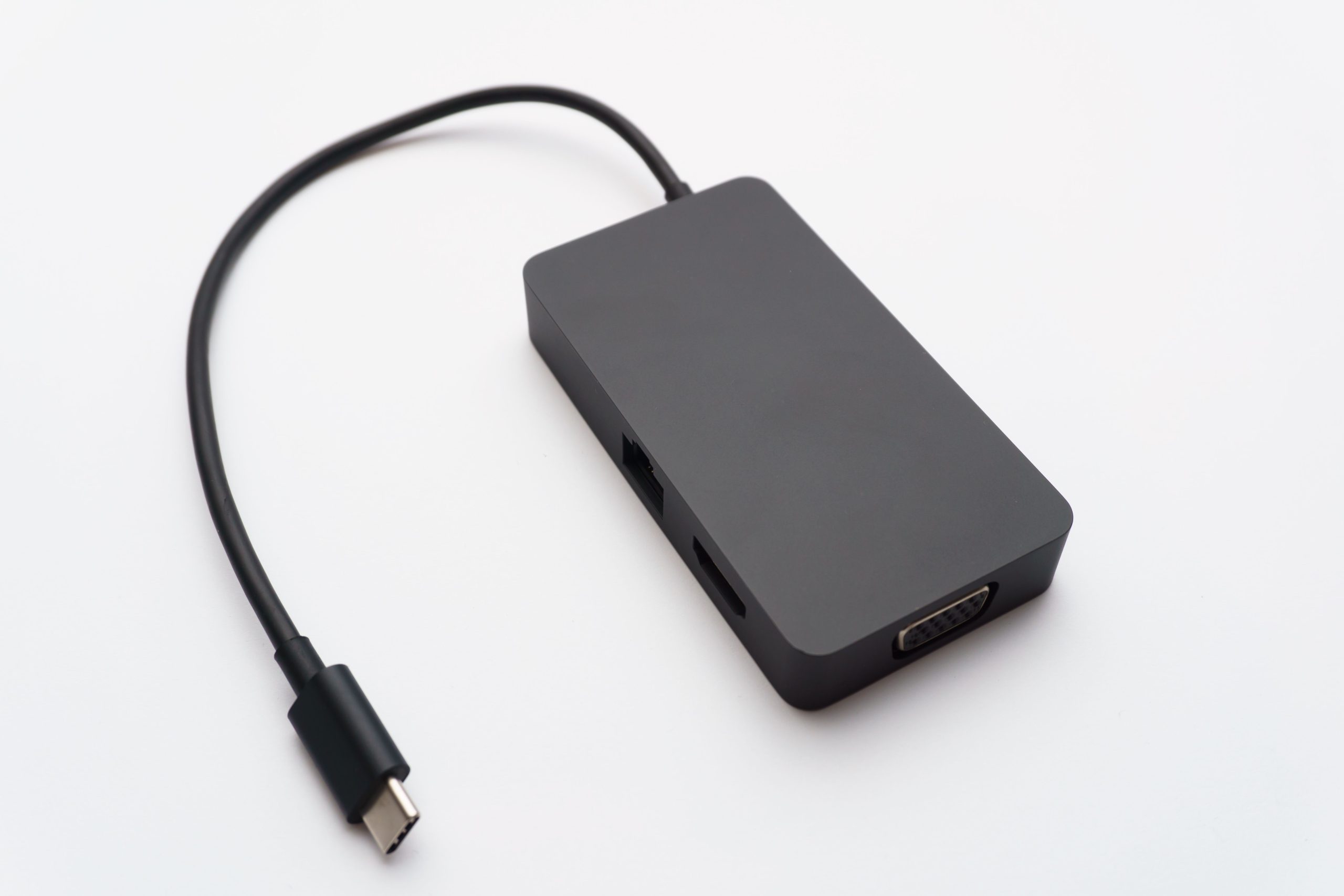
Discover how our industrial USB adapter solutions can complement your camera cable needs. We also offer servo motor wiring harnesses and other related products to support your machine vision applications.
FAQ
What are the key considerations when selecting industrial camera cables?
When selecting industrial camera cables, consider factors such as data rate, environmental conditions, connector type, and supplier certifications. It’s also essential to evaluate the cable’s shielding effectiveness, flexibility, and durability.
How do Longkai Electronics’ industrial camera cables ensure data integrity?
Our industrial camera cables feature EMI/RFI multilayer shielding, high-quality conductors, and secure locking mechanisms to ensure data integrity. We also conduct rigorous testing and inspection procedures to verify signal integrity and impedance matching.
Can Longkai Electronics provide customized industrial camera cable solutions?
Yes, we offer customization capabilities to meet specific customer requirements. Our team of experts will work with you to design and manufacture cables that meet your unique needs and specifications.
What is the typical lead time for industrial camera cable orders?
The lead time for industrial camera cable orders varies depending on the specific product and quantity. Typically, our standard products have a lead time of 2-4 weeks, while customized products may take 6-8 weeks or longer. We will work with you to provide a detailed delivery schedule and ensure timely delivery.