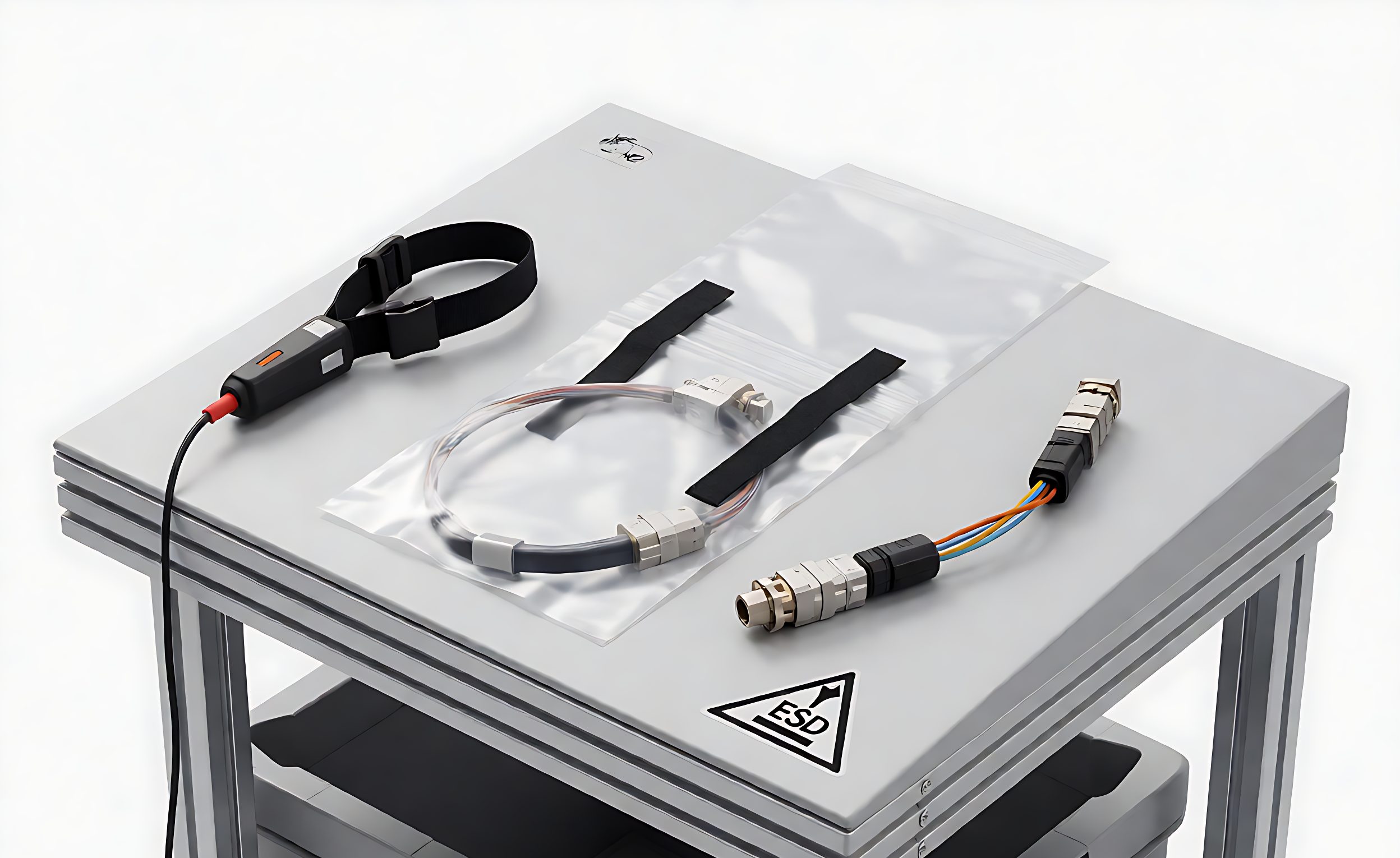

A connector end-of-life notice is usually one page long and changes more than it appears to. The part is discontinued, orders close on a stated date, and everything built around it – cable assemblies, harnesses, the mating hardware on someone else’s product, the spares pool for a fleet in the field – inherits the problem. Procurement teams that handle the notice well treat it as a project with a deadline, not as an email to file.
The decisions available are always the same three: buy enough to cover the remaining life of the product, qualify a replacement, or redesign. Choosing among them well is mostly about how quickly the facts are assembled, because the last-time-buy clock does not pause for analysis.
What an EOL Notice Actually Says
Typical notices state the last order date, the last shipment date, and sometimes a recommended replacement that the manufacturer is careful not to guarantee as form-fit-function. What they do not state is the part of the picture that matters most to a cable program: the buy has to cover not just production but the service horizon of every assembly that uses the connector, and it has to account for the assembler’s own minimums and yield.
There is also a second-order effect that catches teams out. A discontinued connector often has a discontinued crimp contact, cover, wedge or gasket attached to it, each with its own EOL date. A lifetime buy of the shell without the contacts is an expensive ornament. The first task after receiving a notice is therefore a full bill of materials sweep for every sub-component of the connector system, not just the part number on the notice.
When a Lifetime Buy Makes Sense
A lifetime buy is the right answer when most of the following are true:
- The end product has a long service life with a real installed base and a spares commitment the company intends to honor.
- Demand is predictable. A stable production forecast makes a buy a calculation; erratic demand makes it a gamble either way.
- No credible replacement exists at acceptable qualification cost, or the mating side is fixed by someone else’s product.
- The cash and storage burden is manageable relative to the risk it retires.
When those hold, the sizing question is arithmetic: production forecast to end of life, plus service stock for the support horizon, plus a manufacturing yield and attrition margin, plus the assembler’s minimum order quantity where it exceeds demand. Teams that forget the last two items are back in the market within two years paying far more for residual stock.
When It Does Not
- The product is early in its life and a redesign can absorb a connector change without disturbing the installed base.
- A form-fit-function alternative exists and can be qualified with a modest test program.
- Demand is small and uncertain, so the buy would be mostly scrap.
- The connector was single-sourced by habit rather than by technical necessity, which is a second-sourcing problem wearing an obsolescence costume.

Sizing the Buy Without Guessing
The honest inputs are the production plan, the installed base, the observed service failure rate for assemblies using the part, and the assembler’s minimums and yield. Where the service history is thin, a conservative service margin costs far less than a second buy on the grey market, where prices for discontinued connectors routinely reach multiples of the original and authenticity is a separate risk. Any residual stock is inventory; a shortage is a redesign on someone else’s schedule.
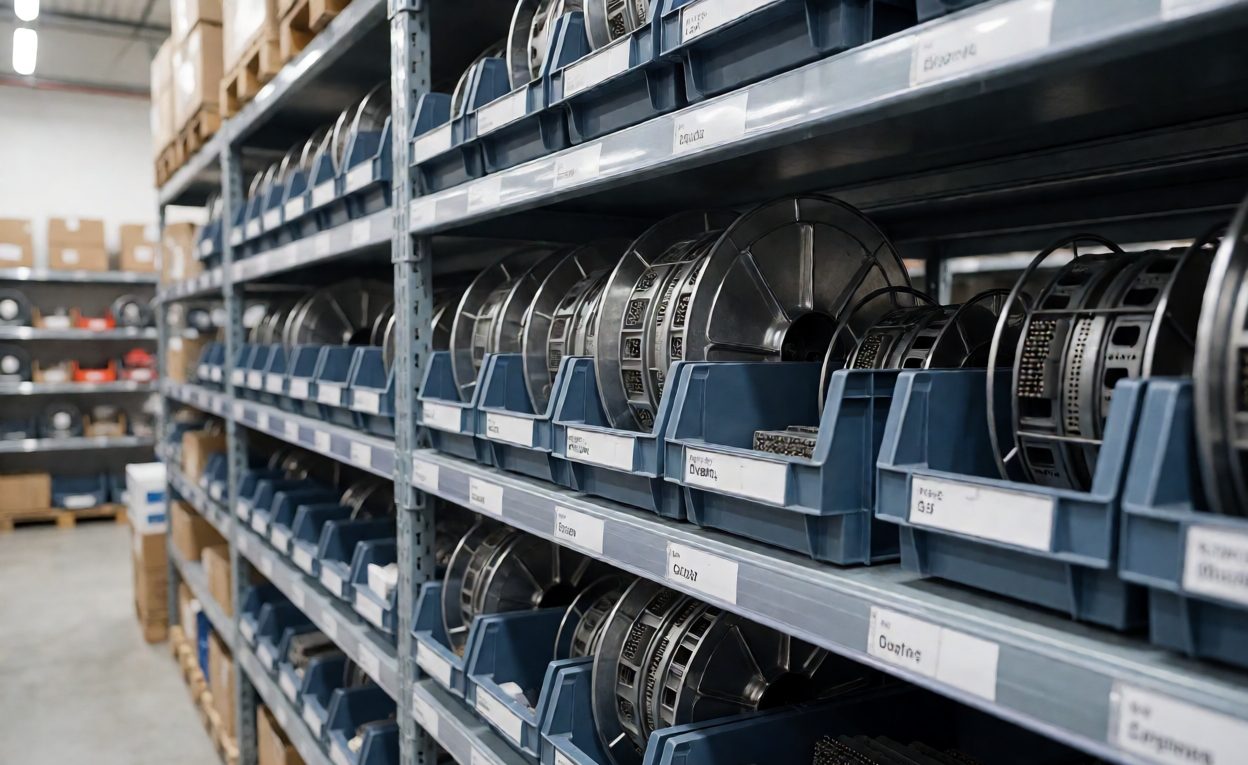
Storage conditions matter for the buy as well. Connectors age on the shelf through plating degradation and contact corrosion, so a ten-year cover needs packaging, environment and a shelf-life policy agreed with the assembler, not just warehouse floor space.
Technical Background
The general phenomenon is obsolescence, and in electronics it is managed as a lifecycle discipline rather than reacted to as an event. The parts affected are electronic components whose manufacturers consolidate lines over time, and the inventory held against uncertain future demand follows safety stock logic: cover is bought against variability and service level, not against optimism.
Alternatives Worth Pricing Before Committing
A second source is usually cheaper than it looks and a redesign is usually dearer, which is why both deserve a number before the lifetime buy is signed. A form-fit-function replacement can often be qualified with electrical testing, mating-cycle verification and a first article, without touching the end product. A redesign pays back over the remaining product life when it also removes a cost or a single-source dependency, and it is the only option that truly closes the problem.

Whichever route is taken, write the decision down with its deadline. EOL management fails more often from diffusion of ownership than from bad analysis: nobody was sure whether engineering, procurement or the supplier had the action, and the last-time-buy date passed quietly.
Qualifying a second source follows the discipline in second-source qualification for cable assemblies, and shelf-life planning for the parts bought is covered in connector plating shelf life and storage. The cost logic of holding cover is part of total cost of ownership for cable assemblies, and supplier-side planning appears in realistic expectations on MOQ and lead time.
Perguntas Frequentes
What is a last time buy?
The final window in which a discontinued part can still be ordered, after which only residual stock or grey-market sources remain.
What should a lifetime buy include?
Production forecast to end of life, service stock for the support horizon, manufacturing attrition, and every sub-component of the connector system.
Is the recommended replacement always form-fit-function?
No. Manufacturers suggest replacements but rarely guarantee equivalence, so the replacement needs its own qualification.
When is a lifetime buy the wrong choice?
When demand is small and uncertain, the product is early in its life, or a replacement can be qualified cheaply.
How much extra stock should the buy carry?
A yield and attrition margin over calculated need; shortages later cost multiples through grey-market sources.
Do connectors degrade in storage?
Yes, through plating and contact surface aging, so long covers need proper packaging, environment and shelf-life controls.
Who should own the EOL decision?
One named owner with a deadline, coordinating procurement, engineering and the assembler, because diffusion of ownership is how deadlines get missed.