Introduction: A Different Class of Connectivity
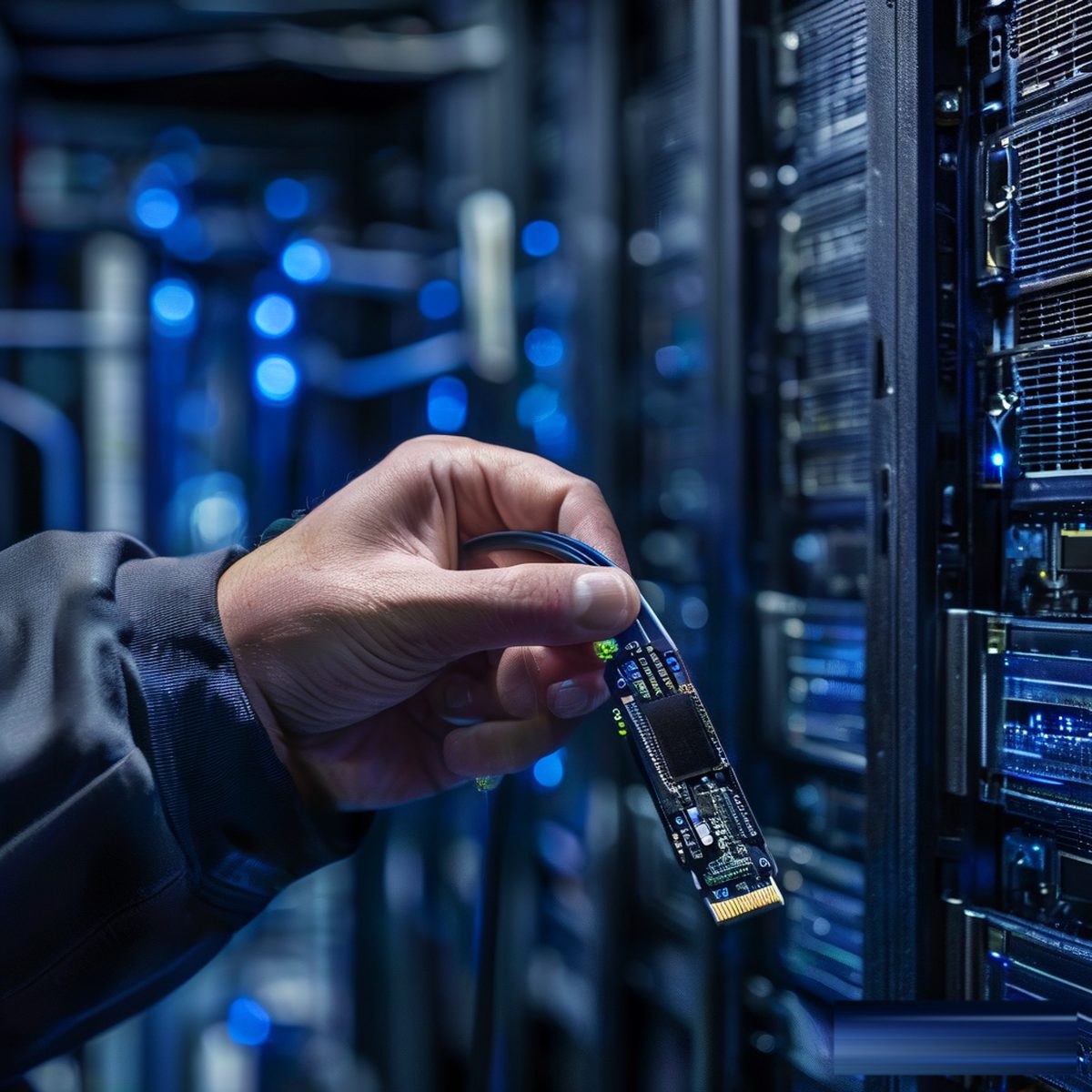
In a standard office environment, the requirements for a cabo are simple: connect two devices and reliably transfer data. The common cabo ethernet or USB cord is designed for a world of climate control, minimal physical stress, and low electromagnetic interference. However, when these connections are moved into the demanding world of industry—the factory floor, an automotive assembly line, or a medical operating room—they enter an environment that is actively hostile to standard electronics. Here, a cable is not a mere accessory; it is a piece of critical infrastructure where failure can lead to costly downtime, production errors, and significant safety risks.
Um Cabo de rede industrial is a fundamentally different product from its consumer counterpart, engineered from the inside out to survive conditions that would quickly destroy a standard cable. It must withstand constant vibration, resist chemical corrosion, repel moisture, and maintain perfect signal integrity while surrounded by powerful electrical “noise.” This resilience is the result of deliberate engineering choices in materials, construction, and design, from the connector housing to the core conductors.
Este guia abordará os desafios únicos apresentados pelos ambientes industriais e as soluções de engenharia específicas que definem um cabo industrial de alta resistência. Examinaremos as tecnologias que combatem o estresse mecânico, a interferência eletromagnética e os perigos ambientais, destacando por que a parceria com um fabricante especializado, como a Longkai Electronics, é essencial para construir um sistema verdadeiramente durável e confiável.
The Challenge of Mechanical Stress: Vibration and Physical Durability
The “silent killer” of connections in any industrial setting is constant, low-level vibration. Originating from motors, conveyor systems, and heavy machinery, this vibration can cause a standard friction-fit connector to gradually work itself loose, leading to intermittent signal loss and difficult-to-diagnose “ghost” failures. Beyond vibration, cables are often subjected to pulling, flexing, and abrasion.
Solution: Secure Locking Mechanisms
To eliminate vibration-induced disconnections, industrial cables employ mechanical locking systems. This is a non-negotiable feature for any critical connection. Examples include:
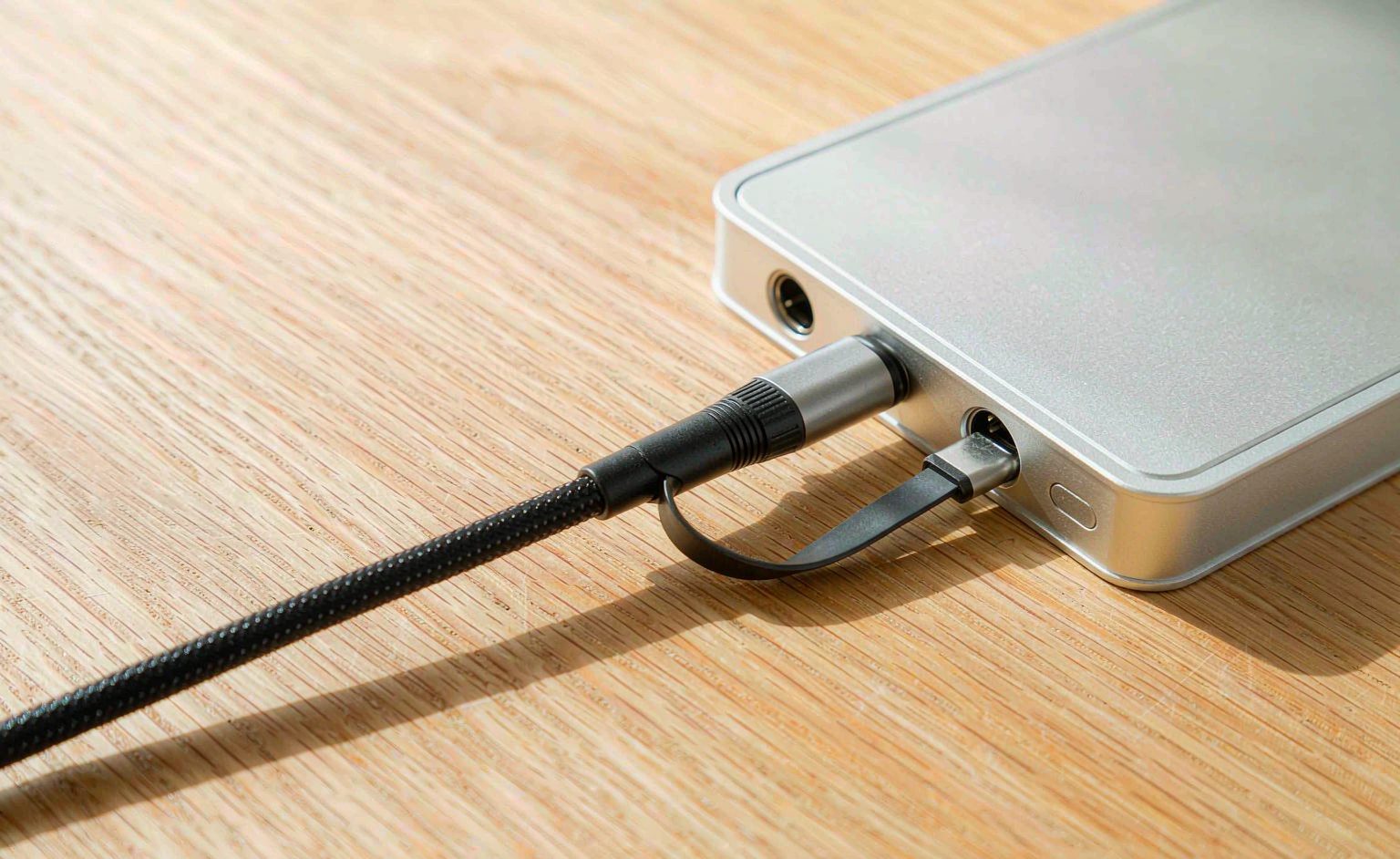
- Thumbscrew Connectors: This is the most common and reliable solution. Standards like Travamento de cabo USB and locking Type-C connectors feature integrated screws that securely fasten the plug to the port, creating a rock-solid, vibration-proof link.
- Latch Mechanisms: Connectors for standards like DisplayPort and SAS often include a physical latch that must be depressed to release the cable, preventing accidental pull-outs.
Solution: Rugged Construction and High-Flex Life
To withstand physical abuse, the entire Montagem de cabos must be built for durability. This involves using a ruggedized outer jacket, often made of PUR (polyurethane), which offers superior resistance to abrasion and tearing compared to standard PVC. For applications involving repeated movement, such as on a robotic arm, cables are specifically designed for a high “flex-life,” meaning they can be bent millions of times without the internal conductors breaking.
The Invisible Threat: Combating Electromagnetic Interference (EMI)
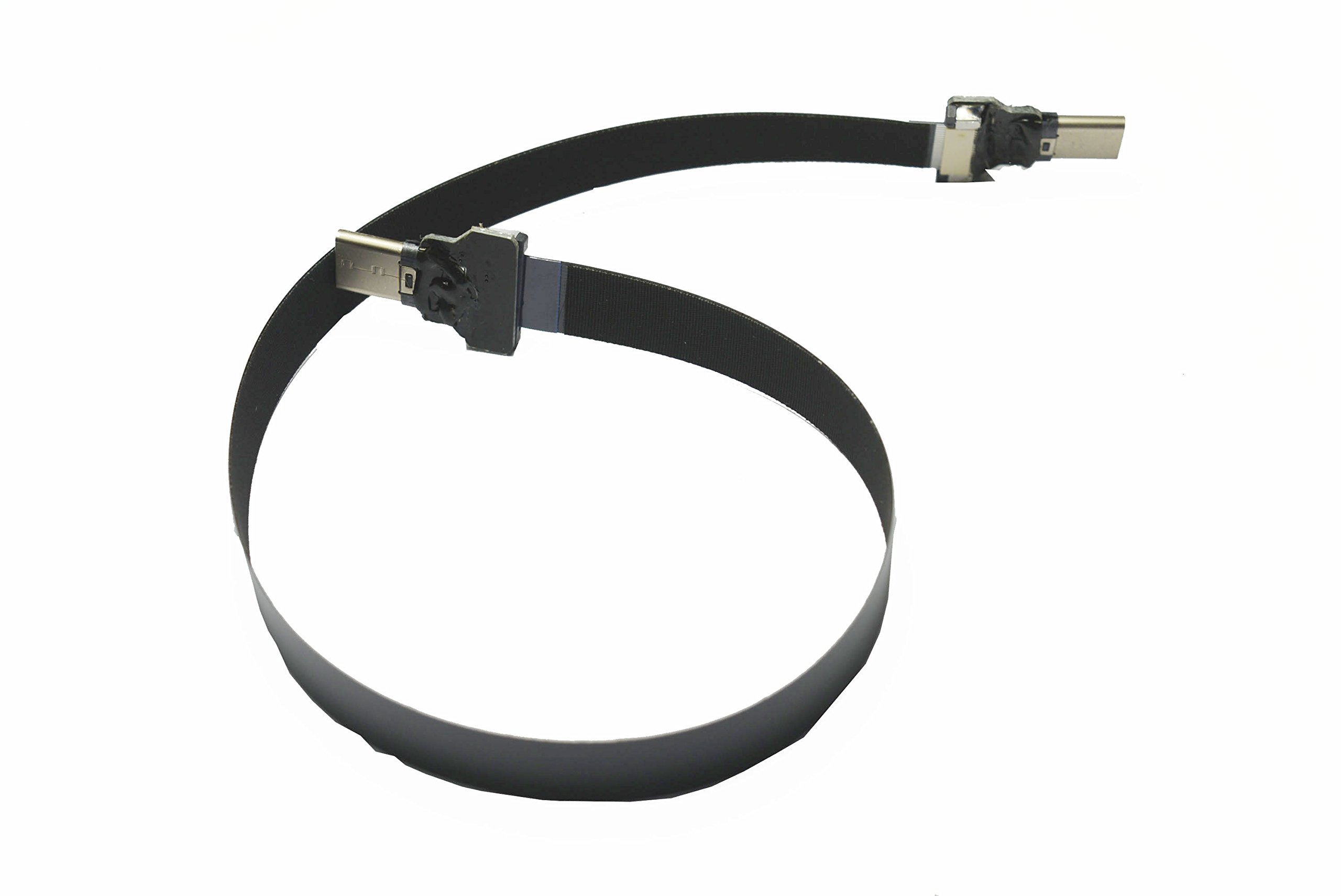
The industrial environment is saturated with electromagnetic interference (EMI), or electrical noise. This is generated by powerful motors, variable frequency drives (VFDs), welding equipment, and high-voltage power lines. For a data cable, this noise is a constant barrage that can easily corrupt the delicate signals traveling within it, leading to data errors, reduced speeds, or total connection failure. An Cabo para câmera industrial, for example, must transmit a high-bandwidth video feed with perfect integrity to be useful.
Solution: Advanced Shielding
Um Cabo de rede industrial is defined by its superior shielding. While a basic consumer cable might have a single layer of foil shielding, an industrial-grade cable employs a multi-layered defense:
- Foil Shielding on Pairs: Each individual twisted pair of conductors is wrapped in its own foil shield to protect it from interfering with its neighbors (crosstalk).
- Overall Braid Shield: All the internal components are then encased in a woven braid of tinned copper. This braid is highly effective at blocking low-frequency interference and adds significant physical strength to the cable.
- Double Shielding: Os cabos mais duráveis utilizam tanto uma blindagem de folha de cobertura total quanto uma blindagem de trança de alta densidade em conjunto, proporcionando a proteção definitiva contra todas as formas de EMI.
Conquering Environmental Extremes: Moisture, Chemicals, and Temperature
Beyond mechanical and electrical challenges, industrial cables must often survive exposure to a range of environmental hazards that would render a standard cable inoperable.
Solution: Ingress Protection (IP Ratings)
For applications where dust, water, or cleaning solutions are present, a sealed and waterproof connection is required. This is achieved using connectors with an IP (Ingress Protection) rating. A connector like a Conector D-SUB à prova d'água uses rubber gaskets and a screw-down housing to create a sealed interface that is impervious to liquids and fine particulates. This is essential for food processing, outdoor installations, and medical equipment that undergoes regular sterilization.
Solution: Chemical and Temperature Resistant Materials
O material da camisa externa é cuidadosamente escolhido devido à sua capacidade de resistir aos desafios específicos do ambiente. Em aplicações automotivas ou de usinagem, a camisa do cabo deve ser capaz de suportar a exposição a óleos e solventes sem se degradar. Para ambientes externos ou refrigerados, o material deve permanecer flexível em temperaturas baixas e resistir à degradação por UV da luz solar.
A Soma das Partes: Precisão no chicote de fiação e na montagem
Um cabo industrial raramente é um cabo simples e reto. Ele geralmente é parte de um conjunto complexo Conjunto de fiação, uma montagem personalizada que integra vários cabos e conectores em um único feixe otimizado. Isso requer um nível de precisão de fabricação e de conhecimento especializado muito superior ao de um produto de comodity.
O processo de fabricação dessas montagens é onde a qualidade de um parceiro se torna fundamental. Na Longkai Electronics, nossa abordagem, aprimorada desde 2012, é construída sobre uma base de excelência em engenharia.
- Projeto Integrado: Trabalhamos com clientes para projetar chicotes que se encaixam perfeitamente, com pontos de ramificação específicos, comprimentos personalizados e características de fixação integradas que simplificam a montagem do produto final.
- Controle de Qualidade Inabalável: Nosso processo inteiro é regido por um sistema científico de gestão da qualidade, validado por nossas certificações ISO9001 e ISO14001.
- Confiabilidade Certificada: Cada componente que produzimos atende rigorosos padrões CE e FCC, garantindo que nossos produtos funcionem com segurança e confiabilidade. Este compromisso com a qualidade nos rendeu a confiança de mais de 100 marcas globais, incluindo líderes do setor como CATL e BAYER.
Conclusão: Projetado para Confiabilidade, Construído para Sobrevivência
A seleção de um cabo industrial é uma decisão estratégica de engenharia que tem impacto direto no tempo de atividade operacional, na integridade dos dados e na longevidade do sistema. Diferentemente dos produtos de consumo, as soluções industriais são projetadas de forma holística para superar a tríade de desafios: estresse mecânico, interferência elétrica e riscos ambientais. Ao priorizar recursos como conectores com trava de segurança, blindagem multicamada avançada e materiais reforçados, você está investindo em confiabilidade. Parcerias com um fabricante que possua experiência profunda nessas aplicações exigentes garantem que sua infraestrutura crítica seja construída não apenas para funcionar, mas para durar.