Server Rack Cabling Solutions for Data Center Optimization
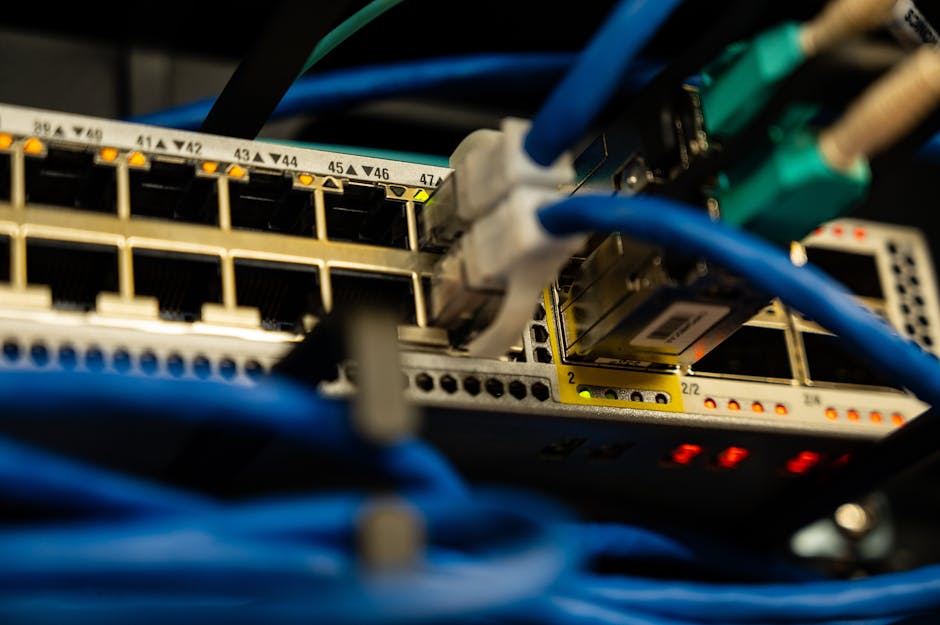
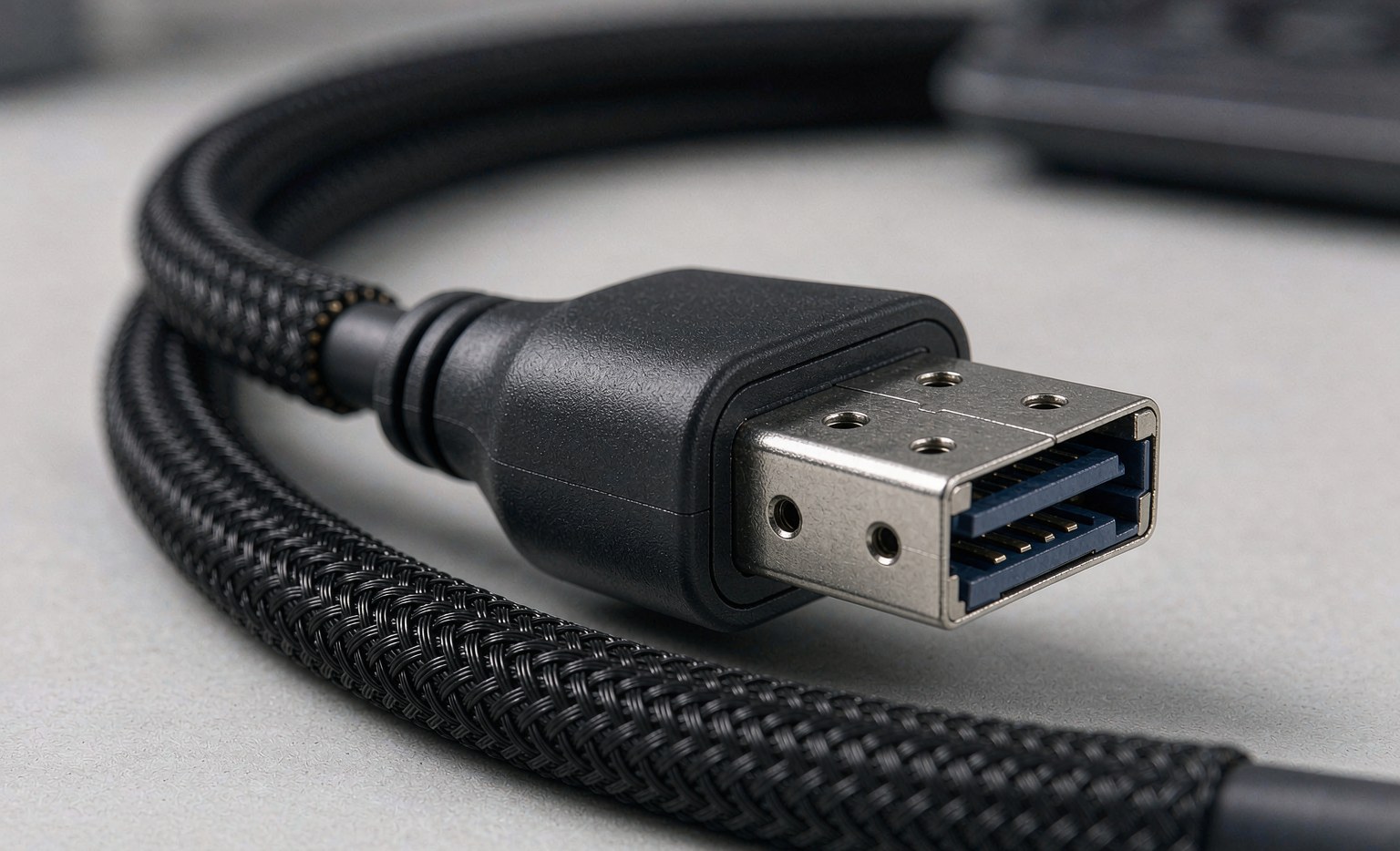
Server rack cabling solutions are critical for the efficient operation of data centers. Proper cabling ensures reliable data transmission, reduces downtime, and enhances overall data center performance. A well-designed cabling system is essential for supporting the high-density connectivity required in modern data centers. Effective server rack cabling involves a comprehensive approach, including cable selection, cable management, and maintenance. For instance, a well-planned cabling system can help reduce the risk of cable damage, overheating, and signal attenuation, ultimately leading to improved data center reliability and performance. By utilizing Cable Assemblies for High-Speed Data Transmission: Performance and Reliability Solutions, data centers can achieve high-speed data transfer and reduced cable clutter.
Key Benefits of Effective Server Rack Cabling
- Improved cable management and organization, reducing the risk of cable damage and overheating
- Enhanced data transmission reliability, minimizing the risk of data loss and corruption
- Increased scalability and flexibility, allowing for easy upgrades and modifications
- Reduced maintenance and troubleshooting time, resulting in lower operational costs
- Better airflow and cooling within the data center, reducing the risk of equipment overheating
- Simplified identification and troubleshooting through color-coding and labeling, reducing the risk of human error
- Compliance with industry standards and regulations, such as TIA and ISO/IEC
- Improved data center aesthetics, resulting in a more organized and professional environment
Effective server rack cabling involves selecting the right cables, connectors, and cable management systems. High-density cabling solutions can significantly improve data center connectivity by providing high-speed data transfer and reduced cable clutter. For example, using Category 6A or higher cabling can support 10 Gbps data transfer rates, while fiber optic cabling can support even higher speeds over longer distances. When selecting cabling solutions, it is essential to consider factors such as data transfer rate, cable length, and environmental conditions. Additionally, factors such as cable durability, flexibility, and compatibility with existing infrastructure should also be considered. High-Density SlimSAS Cable Solutions: Navigating PCIe 4.0 Connectivity with a Trusted Supplier can provide high-performance and reliable connectivity.
| Cable Type | Data Transfer Rate | Application |
|---|---|---|
| Category 6A | 10 Gbps | High-speed data transfer |
| Fiber Optic | 100 Gbps | High-speed data transfer over long distances |
| Category 8 | 25 Gbps | High-speed data transfer in high-density environments |
| OM4 Fiber Optic | 100 Gbps | High-speed data transfer over long distances in data centers |
| QSFP28 | 100 Gbps | High-speed data transfer in high-density environments |
| SFP+ | 10 Gbps | High-speed data transfer in data centers and high-performance computing applications |
| Micro-Coaxial | 25 Gbps | High-speed data transfer in high-density environments, such as data centers and HPC applications |
Best Practices for Server Rack Cabling
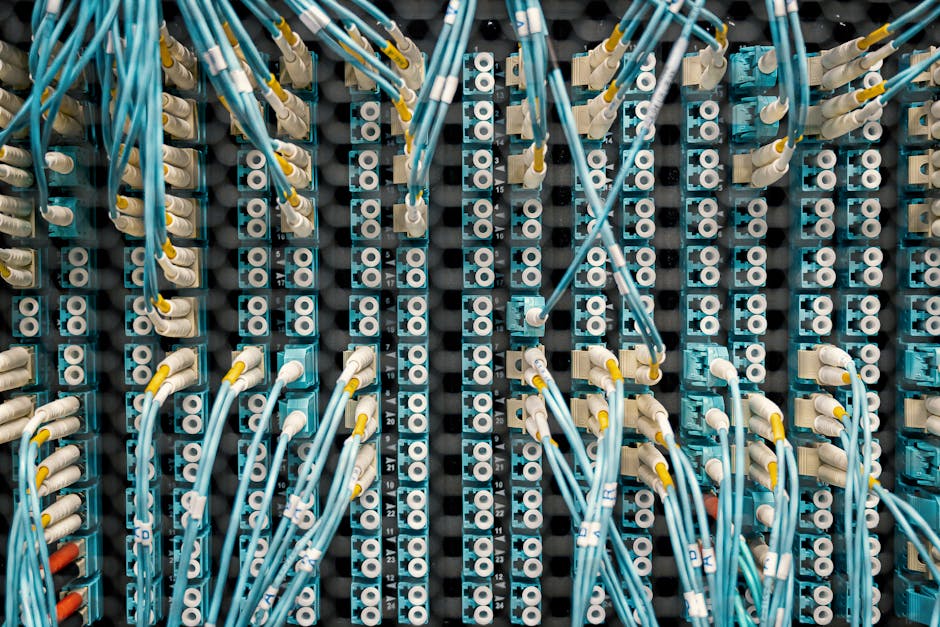
Implementing best practices for server rack cabling is essential for optimizing data center infrastructure. This includes planning and documenting cable layouts, using high-quality cables and connectors, and implementing effective cable management systems. Cable management systems, such as cable ties and organizers, help to reduce cable clutter and improve airflow within the data center. For example, using cable ties and organizers can help to keep cables organized and secure, reducing the risk of cable damage and improving data center aesthetics.
- Planning and documenting cable layouts to ensure scalability and flexibility
- Using high-quality cables and connectors to ensure reliable data transmission
- Implementing effective cable management systems, such as cable ties and organizers
- Regularly maintaining and inspecting cabling infrastructure to prevent damage and degradation
- Using color-coding and labeling to simplify identification and troubleshooting
- Following industry standards and best practices for cabling installation and maintenance
- Training personnel on cabling installation and maintenance procedures
- Using cable management software to track and manage cabling infrastructure
Steps for Implementing Effective Server Rack Cabling
- Assess the data center’s cabling requirements and plan the cabling layout
- Select the right cables, connectors, and cable management systems for the application
- Install the cabling infrastructure, following industry standards and best practices
- Test and verify the cabling infrastructure to ensure reliable data transmission
- Document the cabling infrastructure, including cable layouts and connections
- Regularly maintain and inspect the cabling infrastructure to prevent damage and degradation
- Perform routine cable management tasks, such as cable cleaning and replacement
- Continuously monitor and analyze cabling infrastructure performance to identify areas for improvement
High-Performance Interconnect Solutions for Server Racks
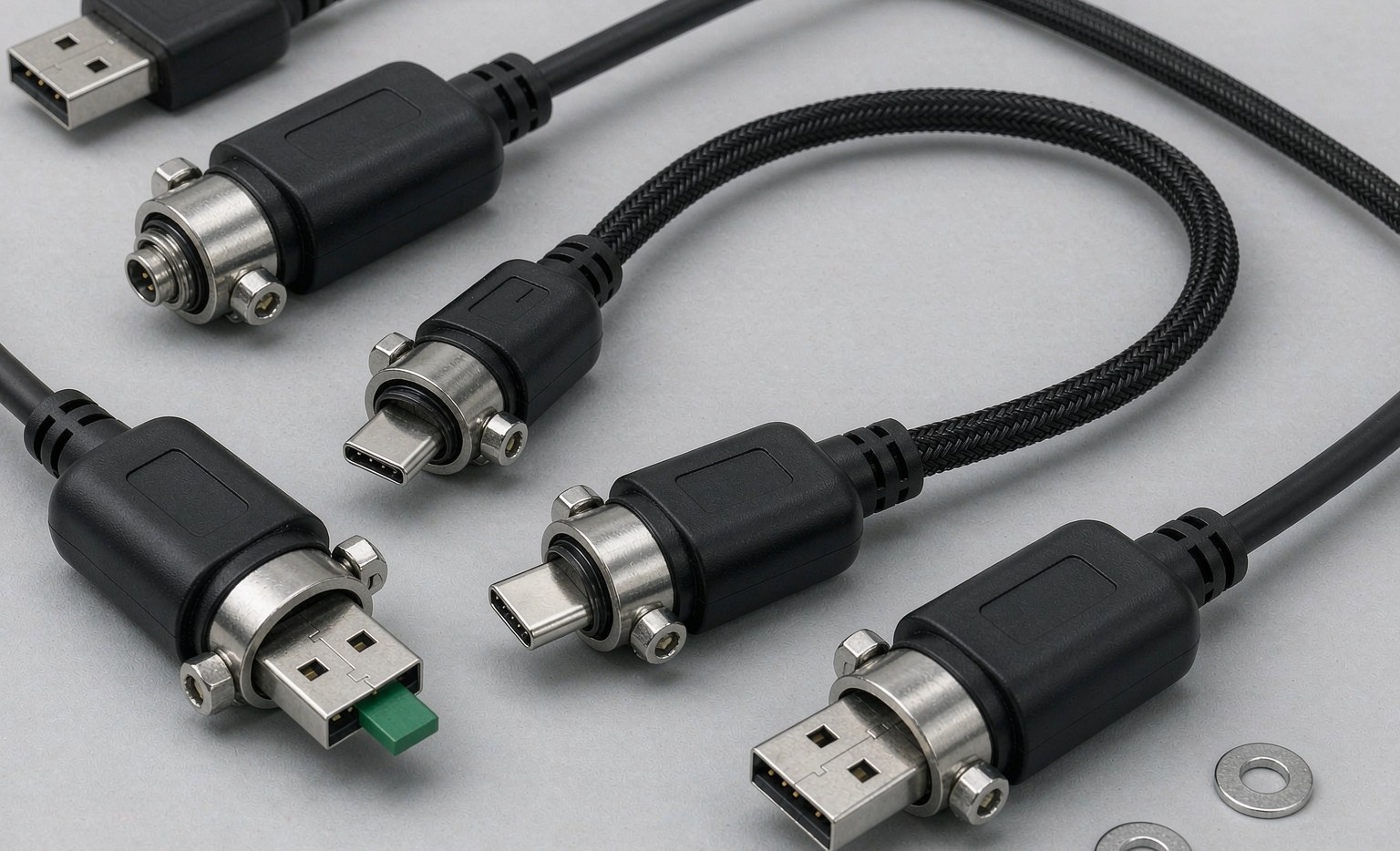
High-performance interconnect solutions are vital for server rack cabling. These solutions include Reliable High-Speed Interconnect Solutions for Enhanced Performance, custom cable interconnect solutions, and high-speed cable assemblies. High-speed cable assemblies, such as QSFP and SFP+, provide high-speed data transfer and reduced cable clutter. For example, using QSFP28 cable assemblies can support 100 Gbps data transfer rates, while SFP+ cable assemblies can support 10 Gbps data transfer rates.
- High-speed cable assemblies, such as QSFP and SFP+
- Custom cable interconnect solutions, designed to meet specific application requirements
- Reliable high-speed interconnect solutions, such as those using advanced materials and manufacturing techniques
- High-density interconnect solutions, such as those using micro-connectors and cabling
- Optical interconnect solutions, such as those using fiber optic cabling and optical transceivers
- Active optical cables (AOCs) and direct attach cables (DACs) for high-speed data transfer

Frequently Asked Questions (FAQs) about Server Rack Cabling
- Q: What is the difference between Category 6A and Category 8 cabling?
A: Category 6A cabling supports up to 10 Gbps data transfer rates, while Category 8 cabling supports up to 25 Gbps. - Q: What are the benefits of using fiber optic cabling?
A: Fiber optic cabling provides high-speed data transfer over long distances, with low signal attenuation and high reliability. - Q: How often should I inspect and maintain my cabling infrastructure?
A: Regular inspections and maintenance should be performed at least annually, or more frequently in high-traffic or high-availability environments. - Q: What are the best practices for cable management?
A: Best practices for cable management include using cable ties and organizers, labeling cables, and routing cables in a logical and organized manner. - Q: How do I ensure compliance with industry standards and regulations?
A: Ensure compliance by following industry standards and best practices for cabling installation and maintenance, and by consulting with experts and manufacturers as needed. - Q: What are the benefits of using high-density cabling solutions?
A: High-density cabling solutions provide improved data center connectivity, reduced cable clutter, and increased scalability and flexibility.
Future Trends in Server Rack Cabling Solutions
The future of server rack cabling solutions is shaped by emerging technologies and evolving data center requirements. Trends include increased adoption of high-density cabling solutions, growing demand for high-speed interconnect solutions, and advancements in cable management and organization.
- Increased adoption of high-density cabling solutions, such as those using micro-connectors and cabling
- Growing demand for high-speed interconnect solutions, such as those supporting 400 Gbps and 800 Gbps data transfer rates
- Advancements in cable management and organization, such as intelligent cable management systems
- Emergence of new cabling technologies, such as wireless and optical interconnects
- Increased focus on sustainability and environmental responsibility in cabling solutions
- Development of more flexible and adaptable cabling solutions to support evolving data center architectures
Case Studies: Successful Server Rack Cabling Implementations
Several organizations have successfully implemented effective server rack cabling solutions, resulting in improved data center performance and reduced operational costs.
- A financial services company implemented a high-density cabling solution, resulting in a 30% reduction in cable clutter and a 25% improvement in data transfer rates.
- A cloud services provider implemented a custom cable interconnect solution, resulting in a 40% reduction in latency and a 20% improvement in overall system performance.
- A healthcare organization implemented a cable management system, resulting in a 50% reduction in cable-related downtime and a 15% improvement in overall data center efficiency.
- A technology company implemented a high-speed interconnect solution, resulting in a 50% improvement in data transfer rates and a 20% reduction in power consumption.
- A government agency implemented a fiber optic cabling solution, resulting in a 75% reduction in signal attenuation and a 30% improvement in overall system reliability.