Understanding High-Quality Connector Assembly Solutions
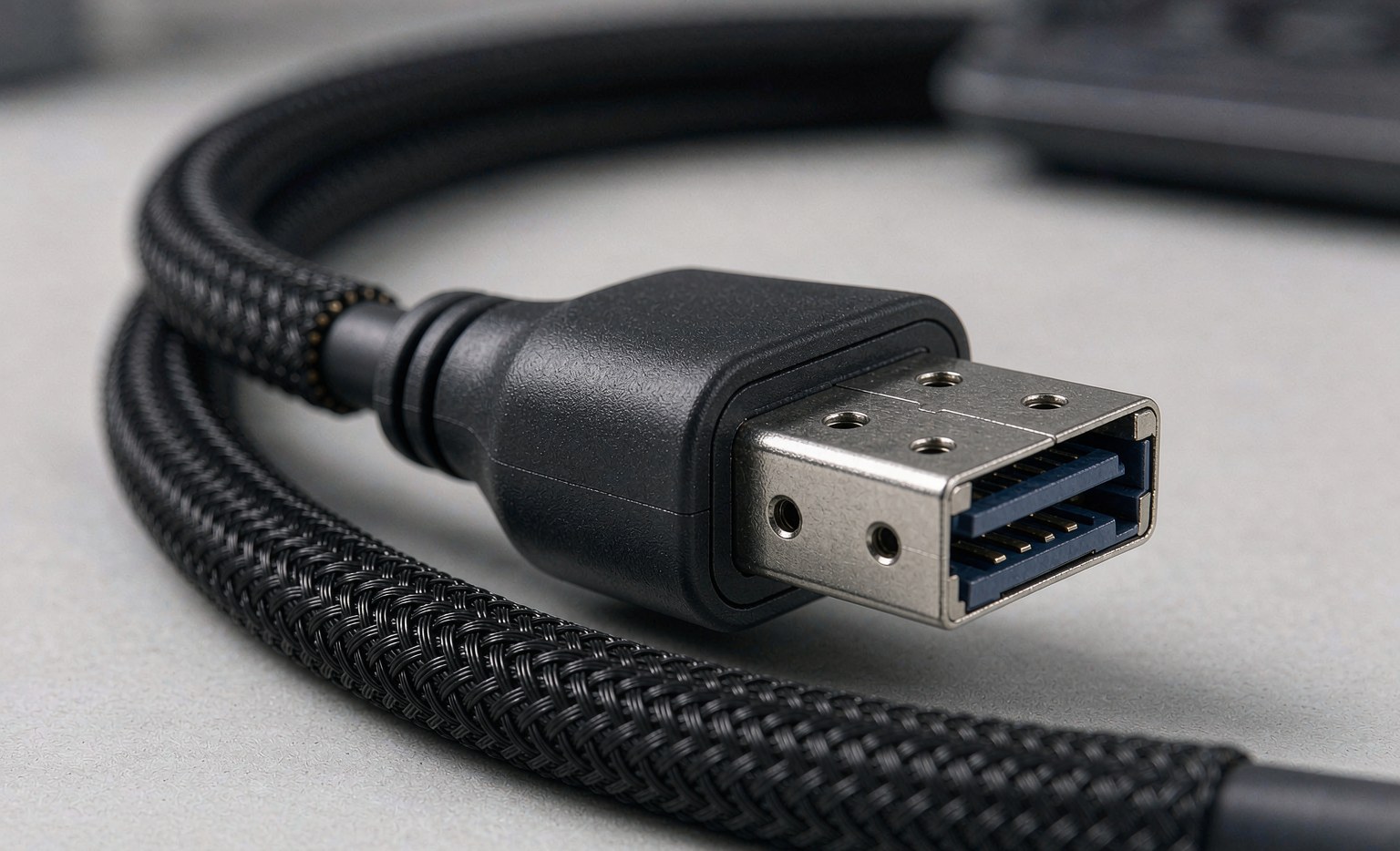
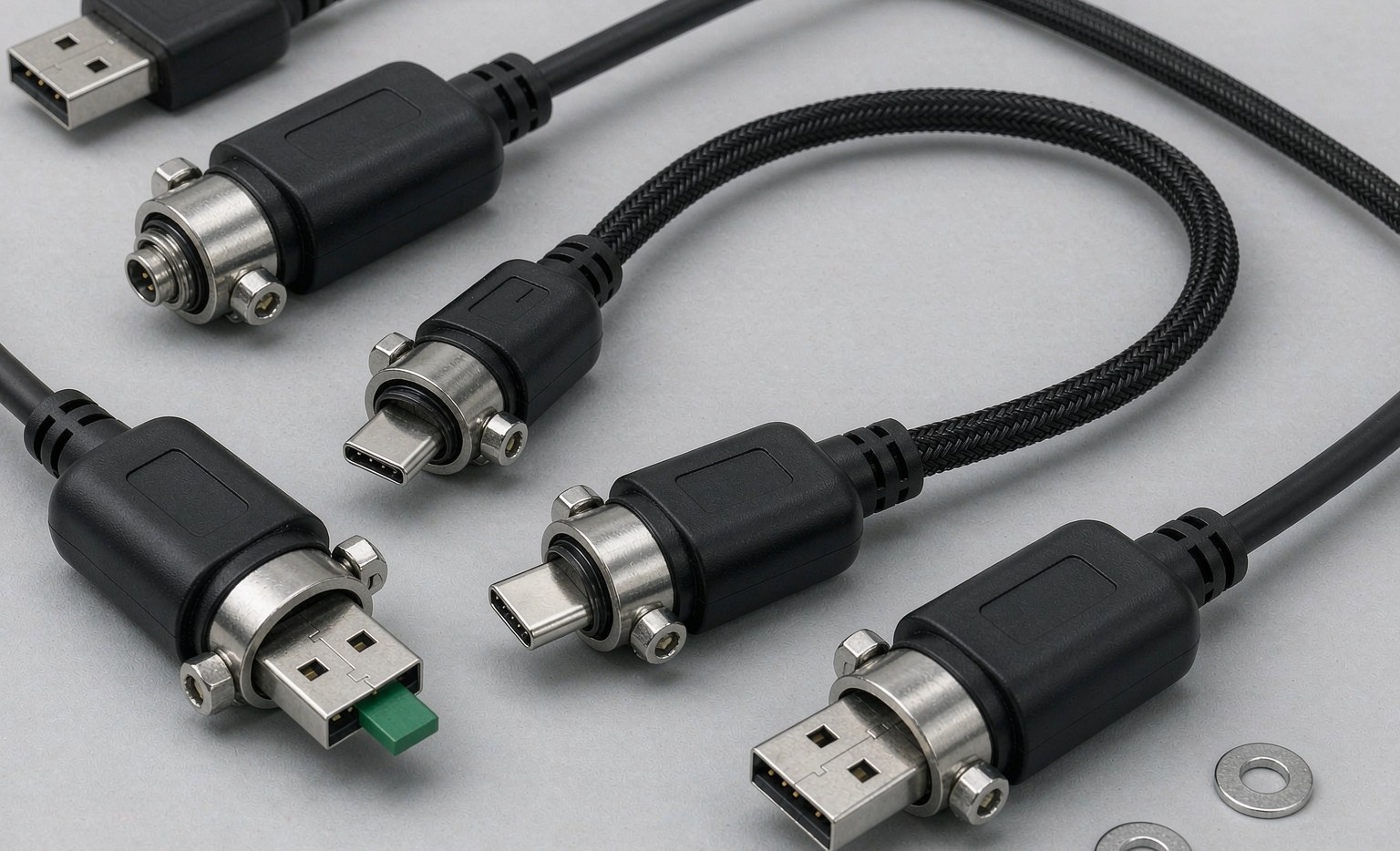
High-quality connector assembly solutions are crucial for ensuring reliable and efficient connectivity in various electronic and industrial applications. These solutions involve the precise manufacturing and assembly of connectors and cables to meet specific performance and durability requirements. For instance, in data centers, high-quality connector assemblies enable fast data transfer and minimize downtime, while in medical devices, they ensure accurate and reliable data transmission. A notable example is the use of high-quality connector assemblies in the aerospace industry, where they are used to connect critical systems such as navigation and communication equipment. In the automotive industry, high-quality connector assemblies are used in advanced driver-assistance systems (ADAS) and autonomous vehicles to ensure reliable data transmission and connectivity. For more information on high-quality connector assemblies, see High-Density SlimSAS Cable Solutions: Navigating PCIe 4.0 Connectivity with a Trusted Supplier.
Connector assemblies are used in a wide range of industries, including data centers, industrial automation, medical devices, telecommunications, aerospace, and automotive. The demand for high-performance and reliable connector solutions has increased significantly due to the growing need for high-speed data transfer and robust connectivity. As technology continues to advance, the importance of high-quality connector assembly solutions will only continue to grow. For example, the increasing adoption of 5G technology and the Internet of Things (IoT) is driving the demand for high-quality connector assemblies that can support high-speed data transfer and low latency.
To achieve high-quality connector assembly solutions, manufacturers must consider several key factors, including the selection of high-quality materials, precise manufacturing processes, and rigorous testing and quality assurance protocols. By combining these elements, manufacturers can produce connector assemblies that meet the demanding requirements of various industries. For instance, manufacturers can use high-quality materials such as copper and gold to ensure reliable signal transmission and minimize signal loss. The importance of quality is highlighted in The Quality Equation: Inside the High-Stakes World of Precision Cable Manufacturing.
The manufacturing process for high-quality connector assemblies typically involves several steps, including:
- Material selection and sourcing
- Connector and cable manufacturing
- Assembly and integration
- Testing and quality assurance
- Inspection and packaging
Some best practices for manufacturing high-quality connector assemblies include:
- Using automated manufacturing processes to ensure precision and consistency
- Implementing strict quality control measures to detect and prevent defects
- Collaborating with suppliers to ensure the quality and reliability of materials and components
- Continuously monitoring and improving manufacturing processes to ensure optimal performance and efficiency
Key Benefits of High-Quality Connector Assembly Solutions
- Enhanced reliability and durability
- Improved signal integrity and reduced signal loss
- Increased data transfer speeds
- Better resistance to environmental factors such as temperature and vibration
- Customization options to meet specific application requirements
- Reduced maintenance and repair costs
- Improved system performance and efficiency
- Compliance with industry standards and regulations
| Industry | Application Requirements | Connector Assembly Benefits |
|---|---|---|
| Data Centers | High-speed data transfer, reliability | Fast data transfer, minimized downtime |
| Medical Devices | Accurate and reliable data transmission | Ensured patient care and safety |
| Industrial Automation | Robust connectivity, resistance to environmental factors | Improved system performance and efficiency |
| Telecommunications | High-speed data transfer, signal integrity | Improved network performance and reliability |
| Aerospace | Reliable data transmission, resistance to environmental factors | Ensured safety and reliability of critical systems |
| Automotive | Reliable data transmission, resistance to environmental factors | Improved safety and performance of advanced driver-assistance systems (ADAS) and autonomous vehicles |
Some case studies that demonstrate the benefits of high-quality connector assembly solutions include:
- A data center that implemented high-quality connector assemblies to improve data transfer speeds and reduce downtime, resulting in significant cost savings and improved efficiency.
- A medical device manufacturer that used high-quality connector assemblies to ensure accurate and reliable data transmission, resulting in improved patient care and safety.
- An aerospace company that implemented high-quality connector assemblies to ensure reliable data transmission and resistance to environmental factors, resulting in improved safety and reliability of critical systems.
Design Considerations for Connector Assemblies
Designing connector assemblies requires careful consideration of several factors, including the type of connector, cable material, and application requirements. To ensure optimal performance, designers must consider the following key factors:
- Signal integrity and data transfer rates
- Electromagnetic interference (EMI) shielding
- Mechanical durability and resistance to environmental factors
- Cable routing and management
- Connector mating and unmating forces
- Thermal management and heat dissipation
The design process typically involves several steps, including:
- Defining application requirements and specifications
- Selecting suitable connector and cable materials
- Designing the connector assembly configuration
- Prototyping and testing the connector assembly
- Validating the design through rigorous testing and quality assurance protocols
- Iterating and refining the design based on test results and feedback
Some best practices for designing connector assemblies include:
- Using simulation tools to model and analyze the connector assembly’s performance
- Collaborating with manufacturers and suppliers to ensure compatibility and reliability
- Considering the environmental and operational conditions of the application
- Designing for manufacturability and ease of assembly
Testing and Quality Assurance for Connector Assemblies
Ensuring the quality and reliability of connector assemblies is critical for their performance in various applications. To guarantee high-quality connector assemblies, manufacturers must implement rigorous testing and quality assurance protocols, such as those described in SCSI connector/MCR ribbon cable: SCSI 20P MALE IDC pierced assembly-type body.
- Cable performance testing, including insertion loss and return loss testing
- Environmental testing, including temperature and humidity testing
- Mechanical testing, including mating and unmating force testing
- Certification and compliance testing, including UL and CE certification
- Visual inspection and quality control checks
- Reliability testing, including accelerated life testing and durability testing
Some common testing methods for connector assemblies include:
- Time-domain reflectometry (TDR) testing
- Frequency-domain testing
- Insertion loss and return loss testing
- Crosstalk and electromagnetic interference (EMI) testing
Some frequently asked questions about high-quality connector assembly solutions include:
- What are the key benefits of high-quality connector assembly solutions?
- How are connector assemblies designed and manufactured?
- What testing and quality assurance protocols are used to ensure the quality of connector assemblies?
- Can connector assemblies be customized to meet specific application requirements?
- What industries use high-quality connector assembly solutions?
- How can I ensure the reliability and durability of connector assemblies in my application?
- What are the most common failure modes for connector assemblies, and how can they be mitigated?
- How do I select the right connector assembly for my application?
- What are the key considerations for designing and testing connector assemblies?
By understanding the importance of high-quality connector assembly solutions and the factors that contribute to their performance, manufacturers can produce reliable and efficient connectivity solutions for a wide range of industries. By following best practices for design, testing, and quality assurance, manufacturers can ensure the quality and reliability of their connector assemblies and meet the demanding requirements of various applications.