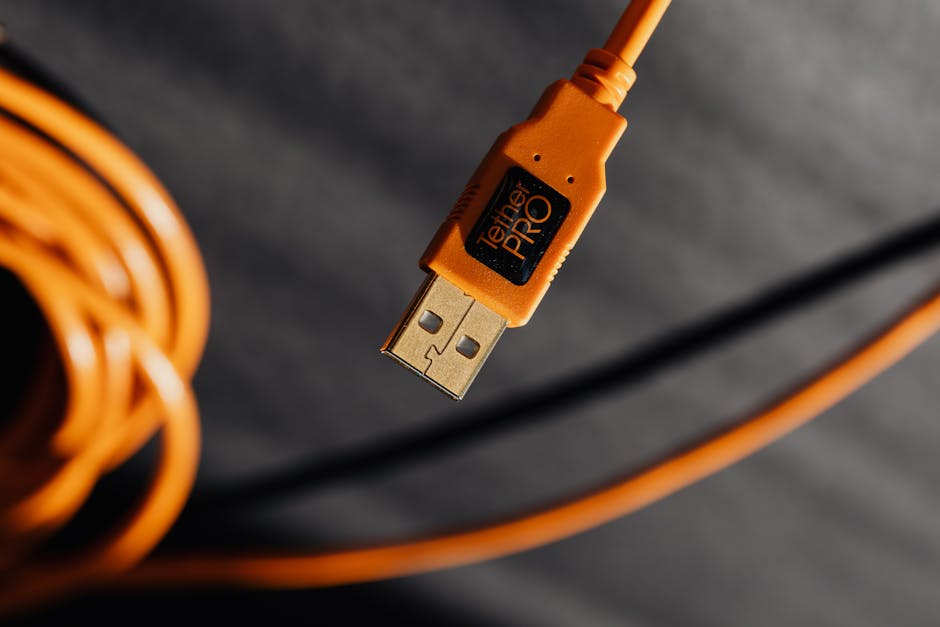
Understanding High-Frequency Cable Assemblies
High-frequency cable assemblies are critical components in modern high-speed data transmission systems. They maintain signal integrity and ensure reliable performance in applications with exceptionally high data transfer rates. The increasing demand for high-speed data transmission has driven the development of high-frequency cable assemblies, which are designed to minimize signal loss and distortion. For more information on signal integrity, refer to Signal Integrity: The Unseen Factor Defining High-Speed Cable Performance.
- High-frequency cables minimize signal loss and distortion, ensuring accurate and reliable data transmission.
- They are used in aerospace, data centers, and industrial automation, where high-speed data transmission is critical.
- Design and manufacturing require precise engineering and high-quality materials for optimal performance.
- High-frequency cable assemblies operate at frequencies above 1 GHz, used in 5G networks, radar systems, and high-speed data centers.
- Manufacturers consider signal integrity, impedance matching, and shielding to minimize signal loss and distortion.
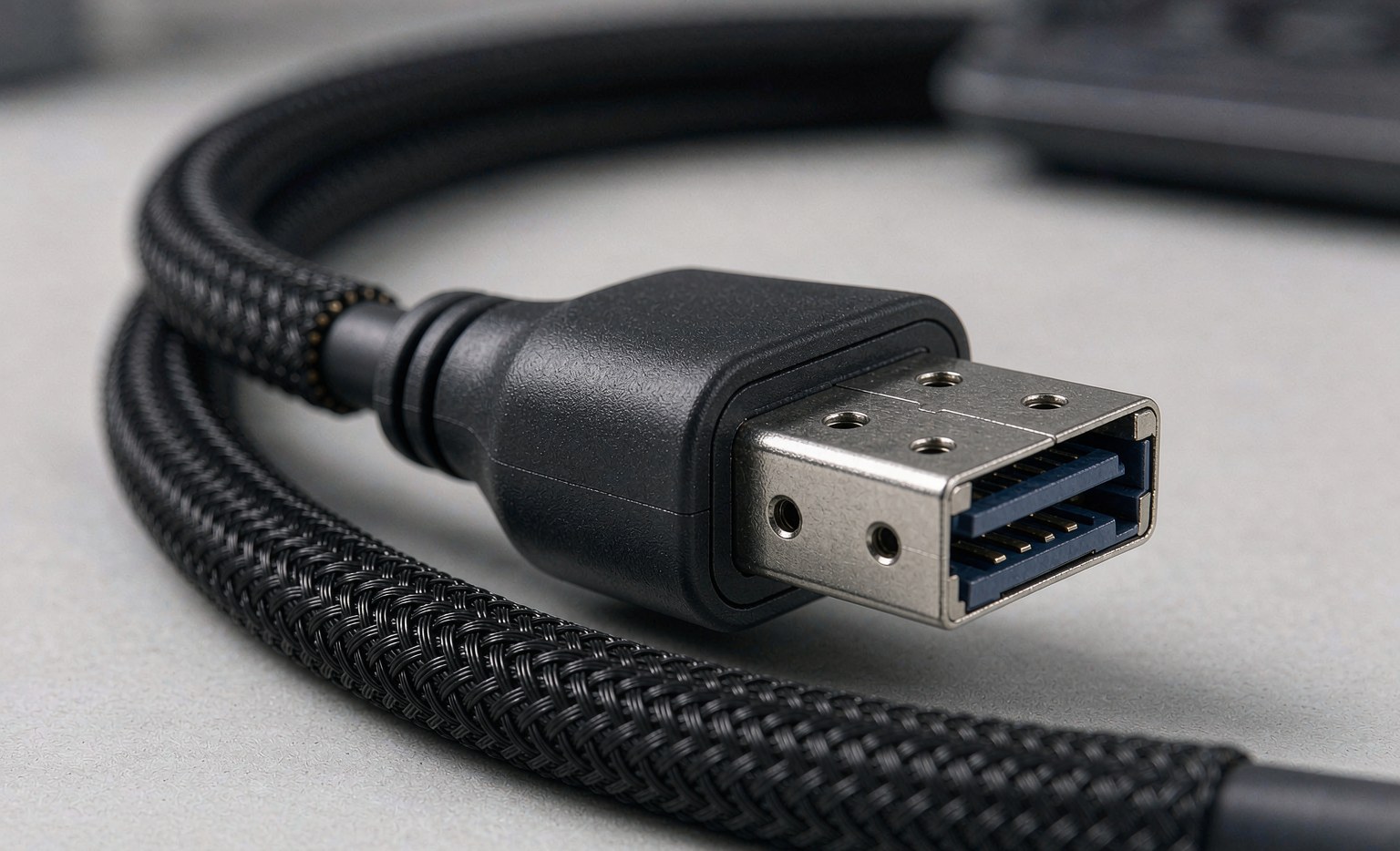
To ensure optimal performance, high-frequency cable assemblies must be designed and manufactured with careful consideration of signal integrity, impedance matching, and shielding. High-quality shielding materials prevent electromagnetic interference (EMI) and ensure reliable data transmission. For instance, using materials like copper or silver for shielding can significantly reduce EMI. In addition, the use of advanced materials and manufacturing techniques, such as micro-coaxial cables and precision connectors, can further enhance the performance of high-frequency cable assemblies. You can explore our product offerings, such as SFF 8644 to 8644 internal high-speed cable, to learn more about our high-frequency cable solutions.
Some common challenges in designing and manufacturing high-frequency cable assemblies include managing signal attenuation, crosstalk, and EMI. To overcome these challenges, manufacturers can employ various techniques, such as using low-loss dielectric materials, optimizing cable geometry, and implementing advanced shielding designs.
Key Features of High-Frequency Cable Assemblies Solutions
When selecting high-frequency cable assemblies, consider the following key features:
- Signal Integrity: High-frequency cables reduce attenuation and crosstalk, ensuring accurate and reliable data transmission.
- High-Speed Data Transfer: These cables support high data transfer rates, suitable for data centers and high-speed industrial automation.
- Durability and Flexibility: High-frequency cable assemblies withstand harsh environments and frequent bending without compromising performance.
- Impedance Matching: High-frequency cables match the impedance of connected devices, minimizing signal reflections.
- Shielding: High-frequency cables are shielded to prevent EMI and ensure reliable data transmission.
- Customization: Many suppliers offer customization options to meet specific application requirements.
| Feature | Description |
|---|---|
| Signal Integrity | Reducing attenuation and crosstalk for accurate data transmission |
| High-Speed Data Transfer | Supporting high data transfer rates for demanding applications |
| Durability and Flexibility | Withstanding harsh environments and frequent bending |
| Impedance Matching | Matching the impedance of connected devices to minimize signal reflections |
| Shielding | Preventing EMI and ensuring reliable data transmission |
To achieve optimal performance, it’s essential to follow a step-by-step guide when designing and manufacturing high-frequency cable assemblies:
- Step 1: Define the application requirements, including frequency range, data transfer rate, and environmental conditions.
- Step 2: Select the appropriate materials and components, such as cables, connectors, and shielding materials.
- Step 3: Design the cable assembly, considering signal integrity, impedance matching, and shielding.
- Step 4: Prototype and test the cable assembly to ensure it meets the required specifications.
- Step 5: Manufacture the cable assembly using high-quality materials and construction techniques.
- Step 6: Perform thorough testing and validation to ensure the cable assembly meets the required performance standards.
Some common testing and validation techniques for high-frequency cable assemblies include:
- Time-domain reflectometry (TDR) to measure signal reflections and impedance matching.
- Frequency-domain analysis to measure signal attenuation and crosstalk.
- Environmental testing to ensure the cable assembly can withstand harsh environmental conditions.
Applications of High-Frequency Cable Assemblies
High-frequency cable assemblies are used in various applications where high-speed data transmission is critical:
- Data Centers: Connecting servers and storage devices for high-speed data transfer.
- Aerospace and Defense: Used in radar systems, communication equipment, and other critical applications.
- Industrial Automation: Enabling fast and reliable data transfer in high-speed industrial cameras and automation equipment. For more information on industrial camera cable solutions, visit High-Performance Industrial Camera Cable Solutions: Why Longkai is the Trusted Supplier for Machine Vision.
- 5G Networks: Supporting high-speed data transmission and reliable performance.
- Medical Equipment: Used in medical imaging and diagnostic equipment, where high-speed data transmission is essential.
When using high-frequency cable assemblies in different applications, it’s essential to consider the specific requirements and challenges of each application. For example, in aerospace and defense, high-frequency cable assemblies must withstand harsh environmental conditions, such as extreme temperatures and vibrations. In medical equipment, high-frequency cable assemblies must meet strict regulatory requirements and ensure reliable performance in critical applications.
Benefits of High-Quality High-Frequency Cable Assemblies
Investing in high-quality high-frequency cable assemblies offers several benefits:
- Improved Performance: Ensuring reliable data transmission and minimizing downtime.
- Enhanced Signal Integrity: Reducing signal degradation for accurate data transmission.
- Long-Term Reliability: Extending the lifespan of cables with high-quality materials and construction.
- Reduced Maintenance: Minimizing the need for maintenance and repair.
- Increased Efficiency: Enabling faster data transfer rates and improving overall system efficiency.
To maximize the benefits of high-quality high-frequency cable assemblies, it’s essential to follow best practices for installation, maintenance, and testing. This includes:
- Properly installing and securing the cable assemblies to prevent damage and signal degradation.
- Regularly inspecting and testing the cable assemblies to ensure they meet the required performance standards.
- Using high-quality connectors and terminations to ensure reliable connections and minimize signal loss.
Designing and Manufacturing High-Frequency Cable Assemblies
The design and manufacturing of high-frequency cable assemblies require careful consideration of signal integrity, impedance matching, and shielding.
- Signal Integrity: Designing cables to maintain signal integrity and reduce attenuation and crosstalk.
- Impedance Matching: Matching the impedance of connected devices to minimize signal reflections.
- Shielding: Using high-quality shielding materials to prevent EMI.
- Material Selection: Selecting materials that meet the required specifications and environmental conditions.
- Testing and Validation: Testing and validating the cable assembly to ensure it meets the required specifications.
Some common design and manufacturing challenges for high-frequency cable assemblies include:
- Managing signal attenuation and crosstalk.
- Ensuring impedance matching and minimizing signal reflections.
- Preventing EMI and ensuring reliable data transmission.
- Meeting strict regulatory requirements and industry standards.
Frequently Asked Questions (FAQs) about High-Frequency Cable Assemblies:
- Q: What are high-frequency cable assemblies used for?
A: High-frequency cable assemblies are used in applications where high-speed data transmission is critical, such as data centers, aerospace and defense, and industrial automation. - Q: What are the key features of high-frequency cable assemblies?
A: The key features of high-frequency cable assemblies include signal integrity, high-speed data transfer, durability and flexibility, impedance matching, and shielding. - Q: How are high-frequency cable assemblies designed and manufactured?
A: High-frequency cable assemblies are designed and manufactured with careful consideration of signal integrity, impedance matching, and shielding, using high-quality materials and construction techniques. - Q: What are some common testing and validation techniques for high-frequency cable assemblies?
A: Some common testing and validation techniques include TDR, frequency-domain analysis, and environmental testing.


Best Practices for Using High-Frequency Cable Assemblies
To ensure optimal performance and reliability, follow these best practices when using high-frequency cable assemblies:
- Use high-quality cable assemblies that meet the required specifications.
- Follow proper installation and handling procedures.
- Regularly inspect and maintain the cable assemblies.
- Use shielding materials to prevent EMI.
- Consider the environmental conditions and application requirements when selecting cable assemblies.
- Perform thorough testing and validation to ensure the cable assembly meets the required performance standards.
By following these best practices and investing in high-quality high-frequency cable assemblies, you can ensure reliable data transmission and optimal performance in your high-speed data transmission applications.