Technical Overview
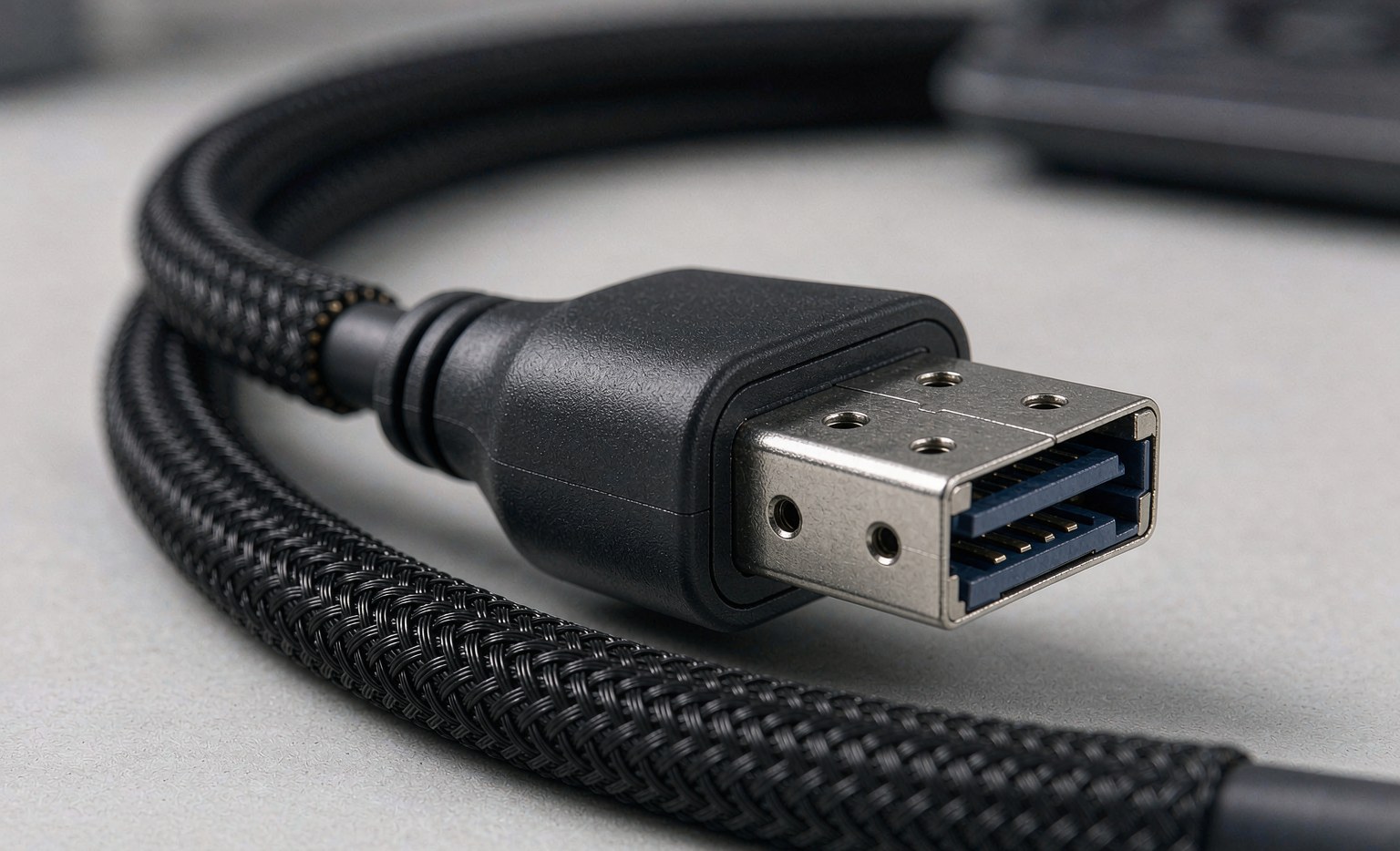
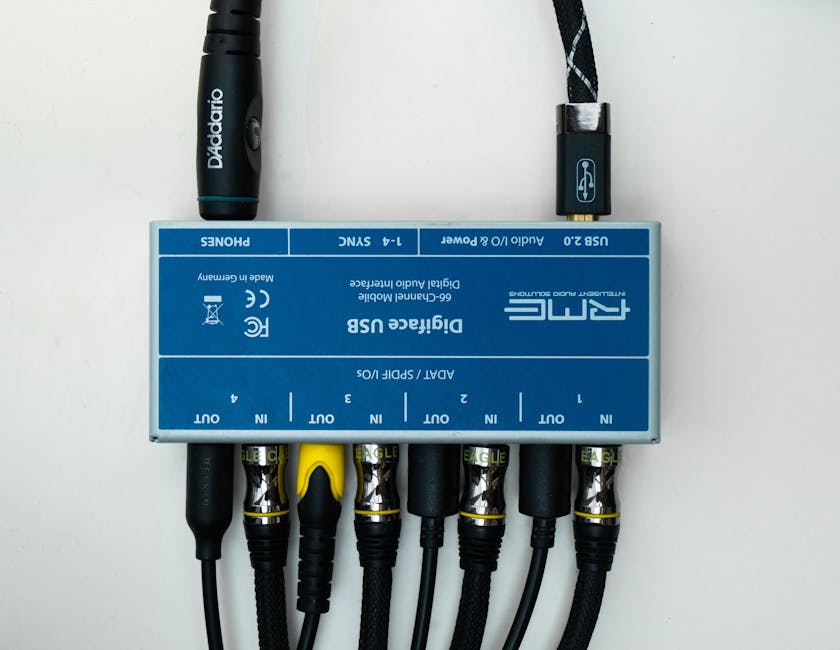
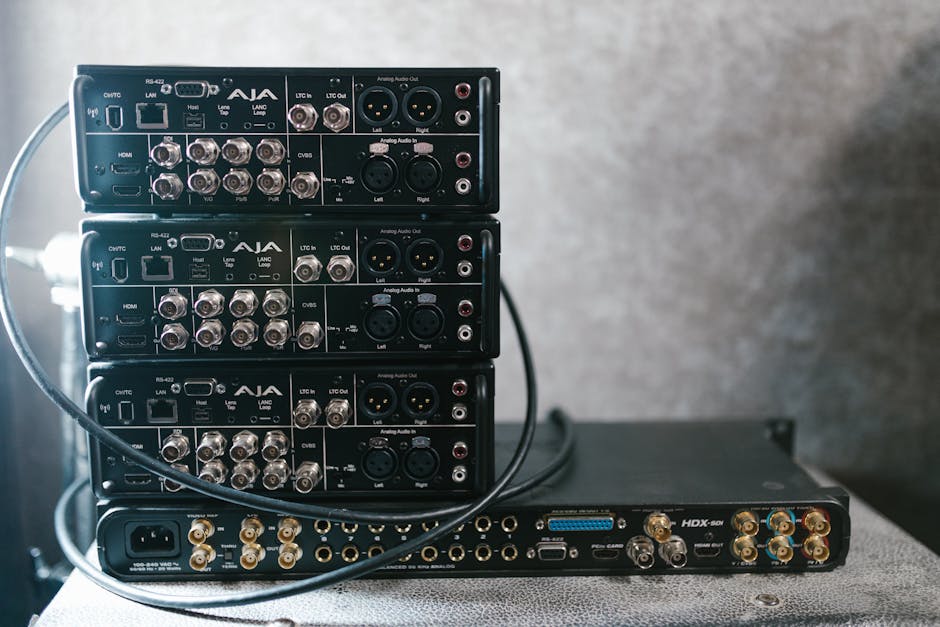
Gold-plated connector interface cables provide a high-quality connection between audio equipment, ensuring reliable data transmission and optimal performance. The gold plating on the connectors prevents corrosion and oxidation, which can degrade signal quality over time. This is particularly important in applications where signal integrity is critical, such as in professional recording studios and live performances. For example, a high-end recording studio may use gold-plated connector interface cables to connect their mixing console to their audio interface, ensuring that the audio signal is transmitted with minimal loss or distortion. The use of gold-plated connectors also ensures a secure and reliable connection, reducing the risk of signal degradation or equipment damage. In data-intensive applications like medical equipment, the importance of reliable data transmission cannot be overstated, as highlighted in Data Cables for Medical Equipment: Ensuring Reliable Data Transmission.
- Improved signal integrity due to reduced oxidation
- Enhanced durability and resistance to corrosion
- Optimal performance in high-frequency applications
- Reduced signal loss due to improved conductivity
- Compatibility with a wide range of audio equipment
- Reduced risk of equipment damage due to corrosion or oxidation
| Cable Specification | Description |
|---|---|
| Gauge Rating | Lower gauge rating for better signal quality. For example, a 24 AWG cable is generally considered to be of higher quality than a 28 AWG cable. When choosing a cable, consider the length and the type of application. For longer cables, a lower gauge rating is recommended to minimize signal loss. It’s also essential to consider the cable’s flexibility and durability when selecting a gauge rating, much like when choosing High-Performance Ethernet Cables for Enhanced Network Efficiency. |
| Shielding | Available with shielding to reduce electromagnetic interference (EMI). Shielding can be achieved through the use of materials such as braided copper or foil. Shielded cables are particularly useful in applications where EMI is a concern, such as in live performances or recording studios. When selecting a shielded cable, ensure that the shielding is properly grounded to maximize its effectiveness. |
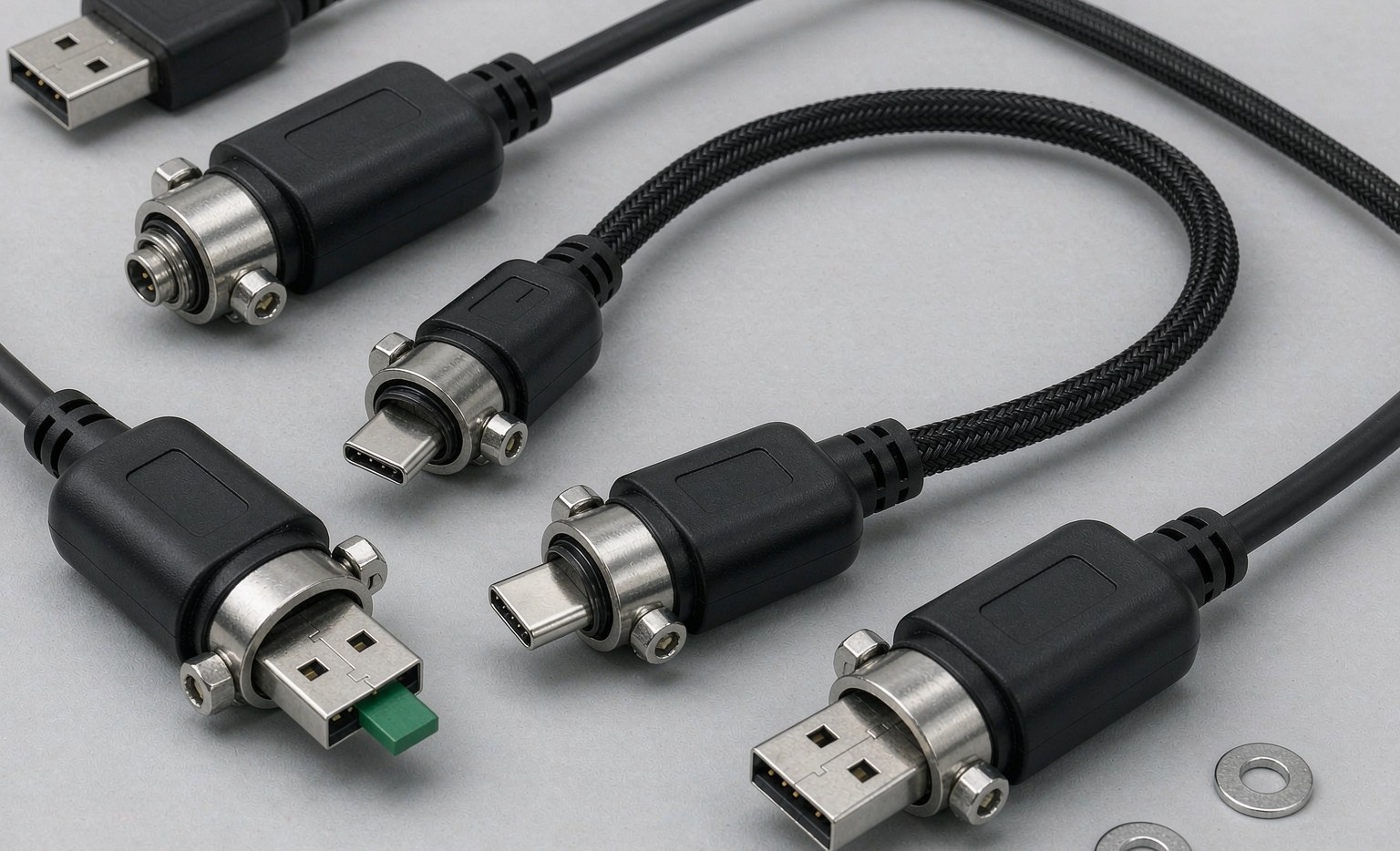
| Connector Type | Gold-plated connectors for improved corrosion resistance. Common types of gold-plated connectors include RCA, XLR, and TRS. When selecting a connector type, ensure that it is compatible with your equipment. It’s also essential to consider the connector’s durability and resistance to wear and tear, similar to the considerations for High-Performance Durable Peripheral Data Cables for Demanding Applications. |
| Cable Material | Oxygen-free copper (OFC) or other high-quality materials for improved conductivity and durability. OFC cables are less prone to oxidation and corrosion, ensuring a reliable connection over time. When selecting a cable material, consider the application’s requirements and the environment in which the cable will be used. |
| Jacket Material | Durable materials such as PVC or Teflon for improved resistance to wear and tear. The jacket material should be chosen based on the application and environment in which the cable will be used. For example, a cable used in a live performance may require a more durable jacket material than a cable used in a home theater system. |
Benefits for Audio Applications
The use of gold-plated connector interface cables in audio equipment offers several benefits, including improved signal quality, reduced noise and interference, and enhanced overall performance. For instance, in a home theater system, gold-plated connector interface cables can help to ensure that the audio signal is transmitted clearly and without distortion, resulting in a more immersive listening experience. Additionally, gold-plated connector interface cables can help to reduce hum and buzz in audio systems, resulting in a cleaner and more accurate sound.
- Improved signal-to-noise ratio due to reduced electromagnetic interference
- Enhanced audio quality with clear and distortion-free sound
- Reliable data transmission for critical audio applications
- Reduced risk of signal degradation over time due to corrosion or oxidation
- Improved durability and resistance to wear and tear
- Reduced risk of equipment damage due to corrosion or oxidation
Case Study: Professional Recording Studio
A professional recording studio using gold-plated connector interface cables reported a significant improvement in audio quality and a reduction in signal degradation over time. The studio’s engineers attributed this to the high-quality gold plating on the connectors, which prevented corrosion and oxidation. They also noted that the cables’ shielding helped to reduce EMI, resulting in a cleaner and more accurate sound. The studio’s engineers also reported that the gold-plated connector interface cables were more durable and resistant to wear and tear, reducing the need for frequent replacements.
Applications in Audio Equipment
Gold-plated connector interface cables are used in various audio equipment applications, including professional audio systems, home theaters, and musical instruments. For example, a musician may use gold-plated connector interface cables to connect their instrument to an amplifier or effects processor. Additionally, gold-plated connector interface cables are used in public address systems, audio installations, and live sound applications.
- Professional audio systems for live performances and recording studios
- Home theaters and surround sound systems
- Musical instruments and equipment
- Public address systems and audio installations
- Live sound applications and touring systems
- Audio interfaces and converters
Best Practices for Selection
When selecting gold-plated connector interface cables, consider factors such as cable quality, connector type, and compatibility with your equipment. Here are some steps to follow:
- Choose cables with high-quality gold-plated connectors
- Ensure compatibility with your audio equipment
- Consider the cable’s durability and resistance to corrosion
- Check the cable’s gauge rating and shielding
- Read reviews and consult with experts if necessary
- Consider the cable’s length and flexibility
- Check the cable’s certification and compliance with industry standards
- Check the manufacturer’s warranty and support
Frequently Asked Questions (FAQs)
- Q: What is the difference between gold-plated and silver-plated connectors? A: Gold-plated connectors are generally more corrosion-resistant and have better conductivity than silver-plated connectors.
- Q: How do I know if a gold-plated connector interface cable is compatible with my equipment? A: Check the cable’s connector type and ensure that it matches the connector type on your equipment.
- Q: Can gold-plated connector interface cables be used in high-temperature environments? A: Yes, but it’s essential to choose cables with materials that can withstand high temperatures.
- Q: How do I maintain and troubleshoot my gold-plated connector interface cables? A: Regularly inspect the cables for signs of wear or damage, clean the connectors and cables as needed, and avoid bending or twisting the cables excessively.
- Q: What is the recommended gauge rating for gold-plated connector interface cables? A: The recommended gauge rating depends on the application and the length of the cable. Generally, a lower gauge rating is recommended for longer cables.
- Q: Can gold-plated connector interface cables be used with high-resolution audio equipment? A: Yes, gold-plated connector interface cables are suitable for use with high-resolution audio equipment.


Troubleshooting and Maintenance
To ensure optimal performance, it’s essential to properly maintain and troubleshoot your gold-plated connector interface cables. Here are some tips:
- Regularly inspect the cables for signs of wear or damage
- Clean the connectors and cables as needed
- Avoid bending or twisting the cables excessively
- Use cable ties or organizers to keep the cables organized and secure
- Check the cables for signs of corrosion or oxidation
- Replace cables that are damaged or worn out
- Check the cable’s shielding and grounding
- Use cable testers to verify the cable’s integrity
Conclusion
Gold-plated connector interface cables are a crucial component in ensuring optimal audio equipment performance. By understanding the technical overview, benefits, and applications of these cables, you can make informed decisions when selecting and using them in your audio equipment. By following best practices for selection and maintenance, you can ensure that your gold-plated connector interface cables provide reliable and high-quality connections for years to come.