Quick answer: Qualify a flat ribbon cable manufacturer with a clear pin-one view, matching pitch and a verified termination sample.
Define the real use case
Start with the decision the buyer needs to make, then describe the actual environment for a flat ribbon cable assembly with defined conductor count, pitch, orientation and mating termination. Record who uses it, how it is installed or handled, order pattern and destination. A broad search term such as “flat ribbon cable manufacturer” helps people find the topic, but a quote needs a defined model, use case and configuration. Ask suppliers to answer the same brief so the comparison reflects the product rather than different assumptions. Write the record so a second supplier or new team member can understand the same configuration. Tie every open question to an owner and date; do not let an informal call replace the controlled drawing, service scope or product file.
Build a complete supplier brief
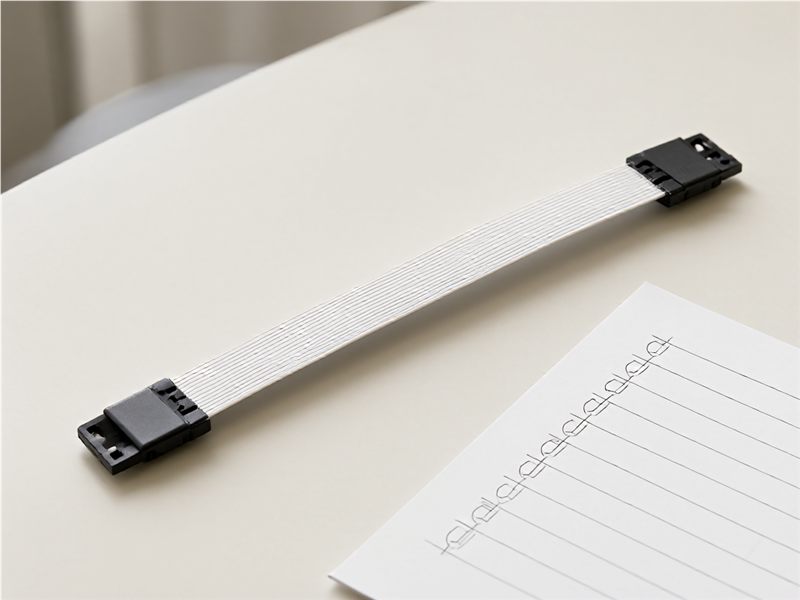
Give the supplier a dated package combining a drawing or workflow map, item identity, dimensions, options, quantities and acceptance method. For a flat ribbon cable assembly with defined conductor count, pitch, orientation and mating termination, make connector drawings, pin-one definition, conductor and pitch specification, cable length and continuity map the reference record and state which revision controls the quote. Mark any unresolved input as open instead of letting a supplier silently choose it. This lets a later sample or service plan trace back to the original request. For this topic, a useful comparison includes conductor count, pitch, length, insulation, contact style, strain relief and orientation and states what is standard, optional or still unverified. Similar names or photographs do not establish mechanical fit, software behavior, service coverage or compliance.
Compare equivalent configurations
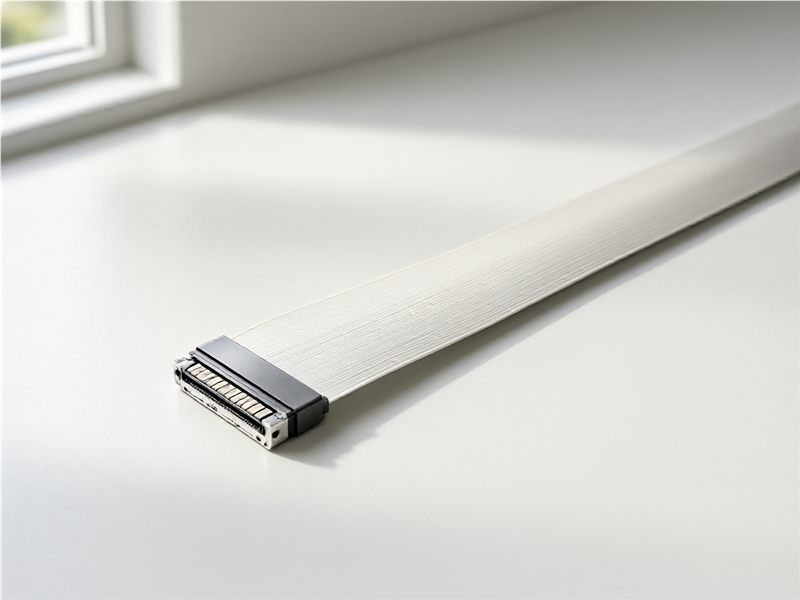
Compare conductor count, pitch, length, insulation, contact style, strain relief and orientation as separate, named configurations. Keep the base offer distinct from optional features and show how each choice changes fit, function, packaging, maintenance or delivered cost. A side-by-side scope is more useful than a headline price: note inclusions, exclusions, evidence and open questions so a partial offer is not mistaken for an equivalent one. Use pin-one view, connector series, pitch, cable fold, termination tool or board revision as the basis for choosing a sample and deciding what to measure. If the sample leaves out a difficult condition, state the limit of the result instead of presenting it as proof for all use cases.
Set measurable fit and acceptance points
Choose the features that control fit and performance, then mark measurement points on the drawing or acceptance sheet. State the datum, method, sample condition and tolerance source where applicable. For a flat ribbon cable assembly with defined conductor count, pitch, orientation and mating termination, pin-one view, connector series, pitch, cable fold, termination tool or board revision can make a number misleading if teams measure different features. Review uncertain limits with the designer and manufacturer before tooling or production. A common failure mode is a reversed orientation or mismatched pitch can create a cable that fits one end but miswires the system. Reduce it with a written check before release, plus a clear hold and escalation step when the check fails. The responsible owner should be able to find the evidence without relying on memory.
Review a representative sample
Ask for a sample that represents the intended production configuration, not a visually similar substitute. Record the model, material or revision, accessories, finish and temporary parts. Review it in the actual mating or operating environment. Define what counts as the assembly fits both mating parts and passes the released pin-to-pin map and inspection criteria and who may approve a deviation; an unrecorded demonstration is not a controlled approval. A buyer can ask the supplier to return connector drawings, pin-one definition, conductor and pitch specification, cable length and continuity map with the quote or sample. That makes the response more useful than a broad capability statement and gives procurement, engineering and quality a shared starting point.
Separate evidence from assumptions
Request evidence that answers the question being asked. A drawing shows geometry, a material declaration identifies a formulation, and a test report supports only its stated conditions and scope. For a flat ribbon cable assembly with defined conductor count, pitch, orientation and mating termination, distinguish supplier statements from independent evidence and buyer review. Do not infer certification, service life or market approval from a photo or sample. For a repeatable result, agree the assembly fits both mating parts and passes the released pin-to-pin map and inspection criteria before the trial. Identify sample identity, measurement or operating method, record format and who signs off; if one condition changes, review the effect before reusing the approval.
Check destination requirements
List the destination, channel and user group before deciding which legal or standards review is needed. the equipment owner’s wiring standard, assembly process and documentation needs may have rules that vary by classification, intended user, installation and sales channel. Identify the importer or project owner, ask which requirement version applies and retain approved evidence. Confirm uncertain applicability with a competent authority, lab or qualified local adviser. Plan mating interface capture, pin map review, sample termination, fit and continuity check and controlled release as connected gates. Each gate should have an input, owner and output so a sample, order or installation cannot move forward with an unresolved issue hidden in an email thread.
Include packaging and identification
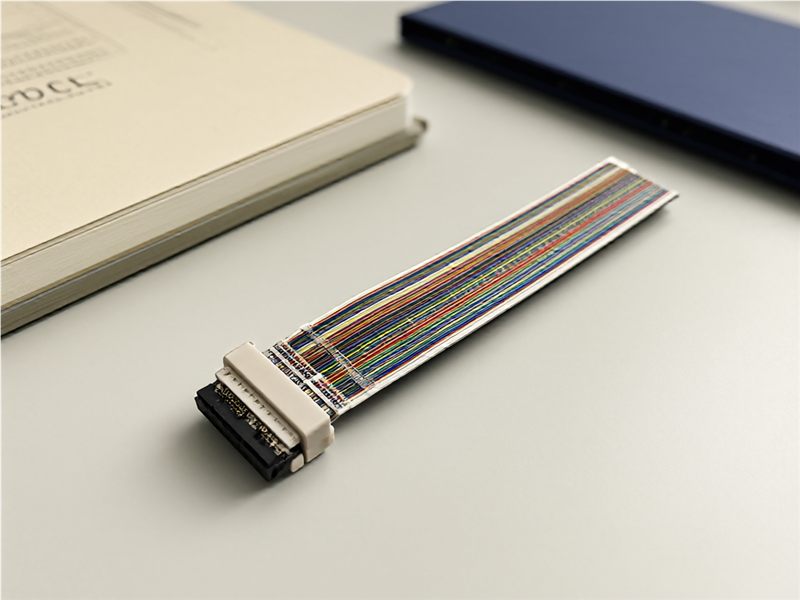
Treat carton, labels, instructions and item identifiers as part of the specification. Record the finished pack, quantities, inserts, barcode owner, language, destination marks and approval file. A change can affect receiving, shelf presentation or traceability. Have the receiving or retail team check the complete pack against the approved list. Market and site differences matter: the equipment owner’s wiring standard, assembly process and documentation needs can change the documents, labels, installation details or customer wording that must be reviewed. Name the responsible local party and use current primary guidance.
Compare total cost and change exposure
Compare total cost over the buying cycle, not only the unit quotation. Include tooling or setup, inspection, packaging, freight assumptions, spare parts, change approval and rework exposure. For a flat ribbon cable assembly with defined conductor count, pitch, orientation and mating termination, ask the supplier to identify assumptions behind each line so finance and engineering can discuss the same configuration.
Use a controlled pilot
Use a pilot or trial quantity to check whether the approved process can be repeated. Select representative samples, record deviations and compare results with the signed plan. Define in advance whether a failure leads to containment, rework, replacement, retest or escalation. The pilot should generate evidence for a release decision.
Keep the revision traceable
Store the brief, sample approval, test records, packaging files, purchase order and change notices under one stable model or project ID. Name the owner and revision. When an alternate component, material or route is proposed, require an impact review before the next lot.
Close with a documented decision
Close with a concise decision table: required configuration, open questions, evidence due, sample owner, approval date and next gate. For a flat ribbon cable assembly with defined conductor count, pitch, orientation and mating termination, explain why an option fit
See the related Longkai custom cable assemblies for product and supplier details.
Primary references for market review
These primary references help frame the review. Confirm current local rules, product classification and contractual requirements for the actual application.
Questions buyers often ask
What should buyers verify when sourcing a flat ribbon cable assembly with defined conductor count, pitch, orientation and mating termination?
Start with connector drawings, pin-one definition, conductor and pitch specification, cable length and continuity map. Match the record to the model or service revision, destination and intended use, then ask the responsible owner to approve any open requirement.
How should a buyer compare flat ribbon cable manufacturer options?
Compare conductor count, pitch, length, insulation, contact style, strain relief and orientation on the same scope. Label included, optional and unverified items, then evaluate fit, evidence, service and total cost against the stated use case.
What evidence supports release?
Use a representative sample or workflow, the agreed acceptance method, traceable results and a named approval owner. Do not treat an unscoped demonstration as universal proof.
Do requirements vary by market or site?
Yes. the equipment owner’s wiring standard, assembly process and documentation needs may change applicable rules, documentation, installation or customer claims. Confirm the current requirement with the importer, project owner or qualified local professional.