A waterproof USB cable is one of those products where the gap between the claim and the performance is unusually wide. The claim is a two-character code. The performance depends on an O-ring, a gasket, a mating interface, a surface finish and a test that most suppliers have never run. Buyers discover the difference after a batch of assemblies has been installed on equipment that is already in the field.
This guide covers what IP67 actually certifies, the sealing architectures that achieve it, why the rating is conditional on mating, and how to demand test evidence that means something. It is written for buyers specifying cable assemblies for industrial equipment, outdoor enclosures and washdown environments.
What IP67 Actually Certifies
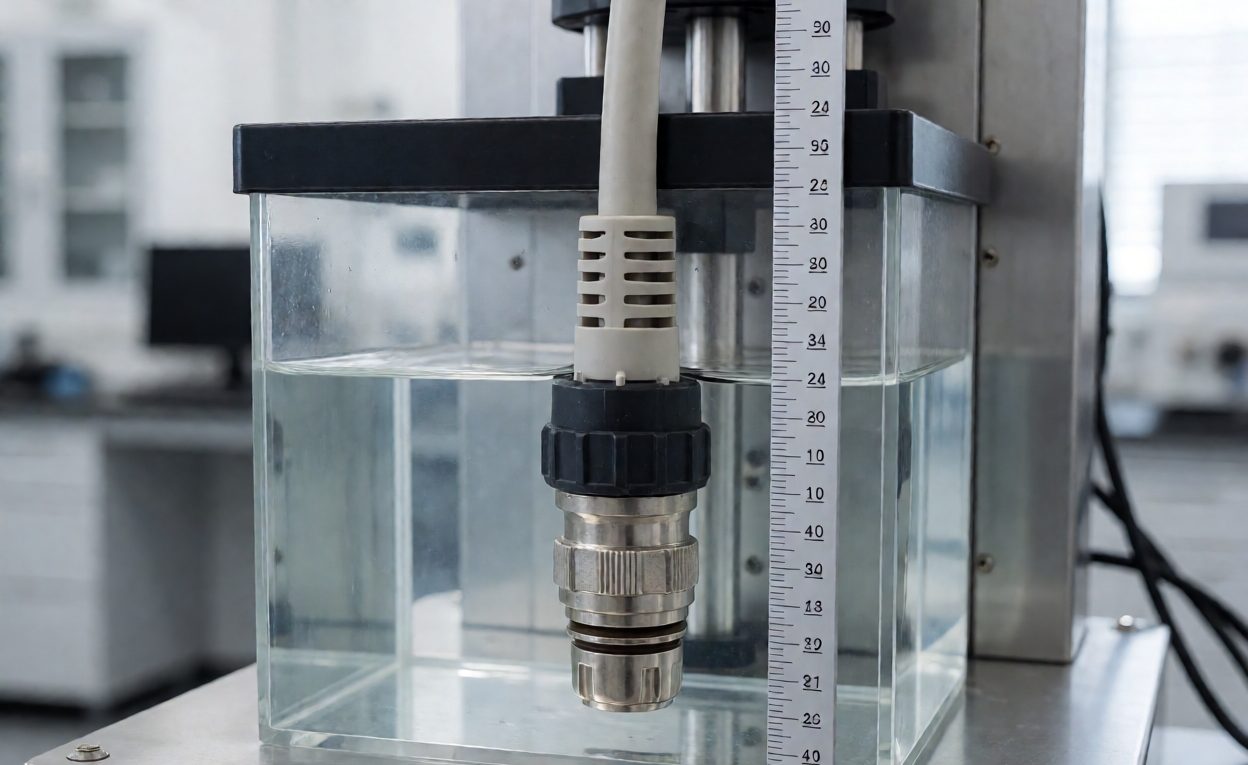
The IP code has two digits. The first is solids, the second is liquids. A rating of 6 for solids means dust tight: no ingress of dust at all, tested against a specified dust chamber exposure. A rating of 7 for liquids means protection against temporary immersion, defined as immersion in water up to one metre below the surface for thirty minutes, with the enclosure at a defined condition.
Three implications follow. First, IP67 is not waterproof in the sense of continuous submersion; that is IP68, and IP68 requires an agreement between buyer and supplier about depth and duration because the standard does not fix them. Second, IP67 says nothing about high-pressure jets, which is IP65 or IP66 territory and is a different test. Third, the rating applies to the assembly as tested, including how it was mounted and whether it was mated.
- IP6X: dust tight. Relevant for connectors that sit in dirty environments and seize if grit enters the latch.
- IPX7: temporary immersion at one metre for thirty minutes.
- IPX8: continuous immersion, depth and duration by agreement.
- IPX6: powerful water jets, which many “waterproof” cables fail while passing IPX7.
The Four Sealing Architectures
Water gets into a cable assembly through three paths: the mating interface, the panel interface and the cable-to-shell transition. Each architecture addresses a subset.
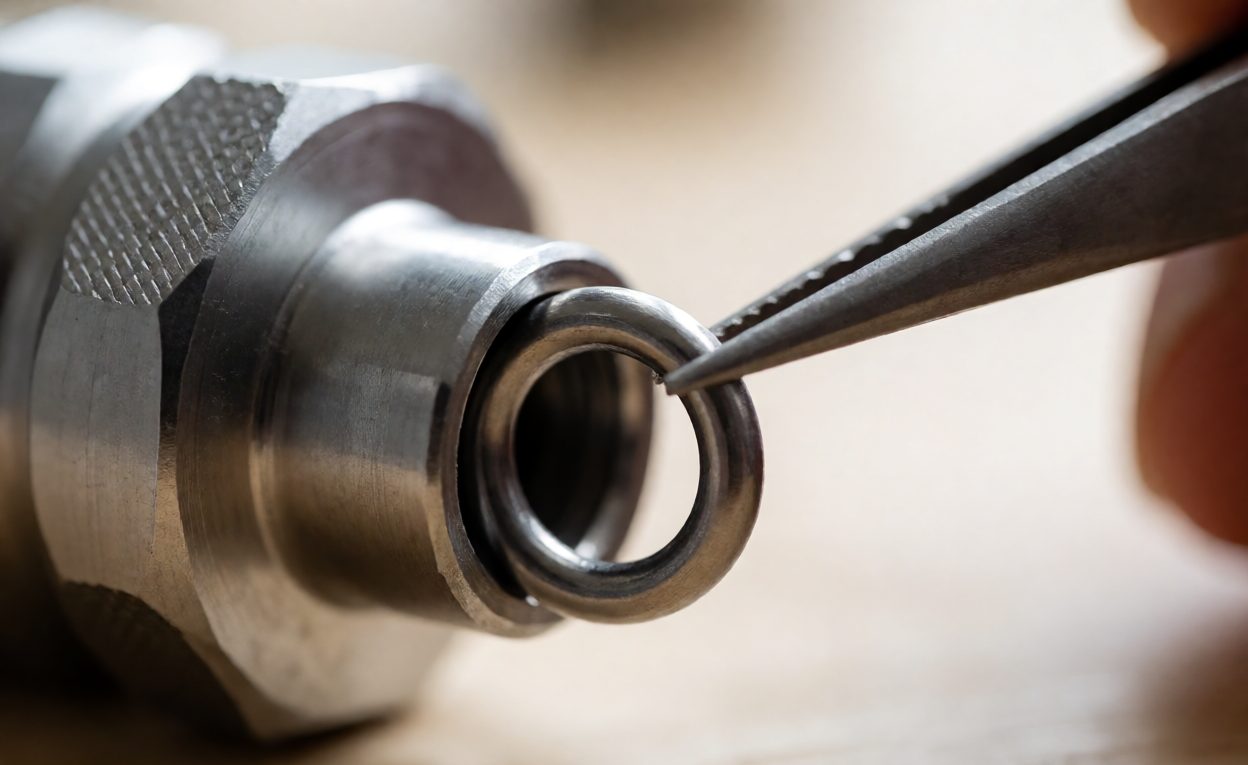
Interface O-ring. A molded O-ring sits in a groove on the plug or the receptacle and compresses when the two halves mate. This is the only architecture that seals the electrical interface itself, and it depends entirely on the groove dimensions, the ring material and the mating force. A ring that is slightly undersized leaks; one that is oversized prevents the connector from latching.
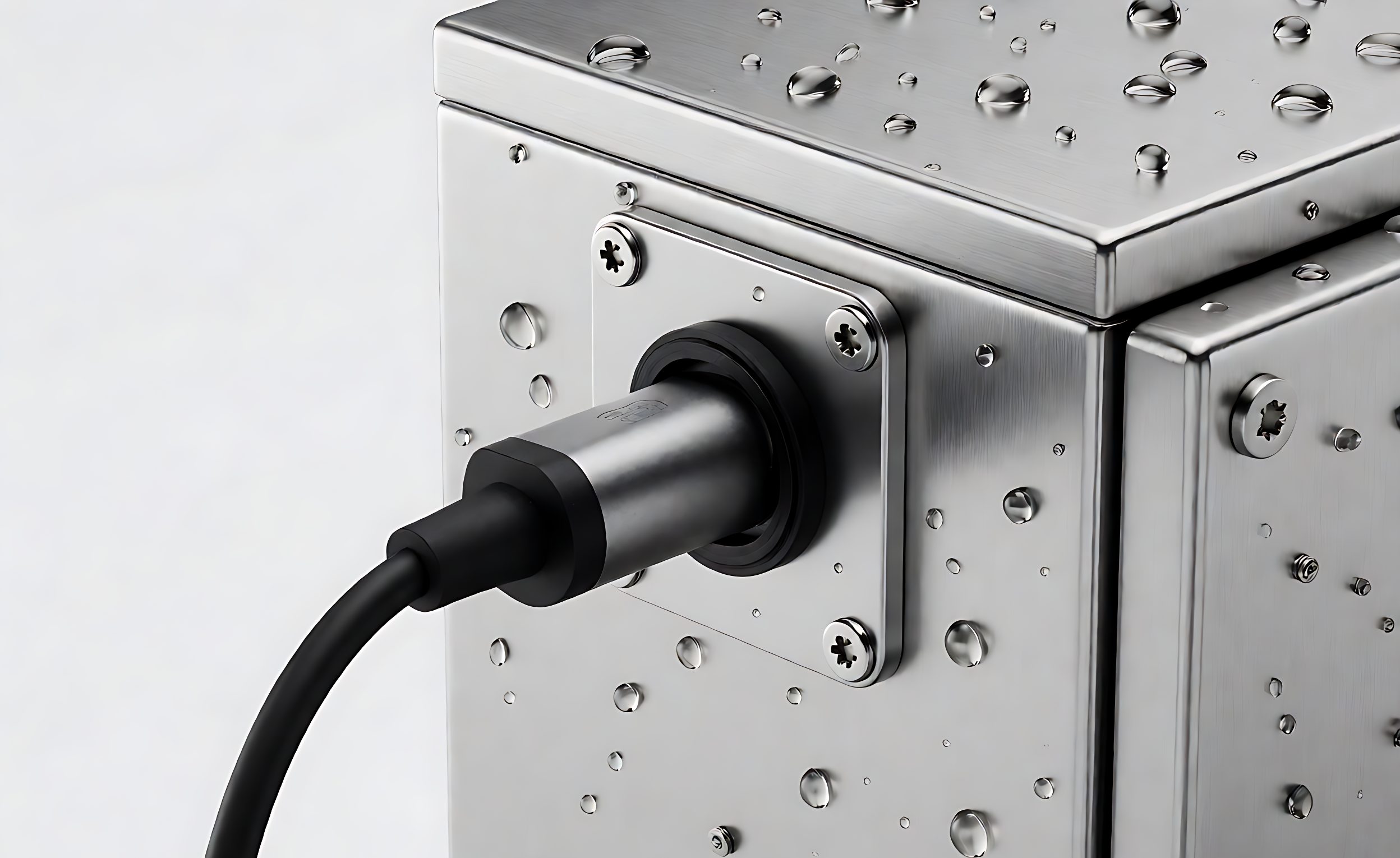
Panel gasket. A flat gasket seals the receptacle to the enclosure wall. It does not seal the cable side, so a panel gasket alone gives you a sealed box with an open connector.
Molded boot with a sealing lip. The overmold extends into a lip that compresses against the shell or the panel. This is the most robust approach for the cable transition, and it is why insert overmolding matters for waterproof assemblies.
Potted rear. Epoxy or polyurethane fills the rear of the connector around the conductors. It gives an excellent seal and a permanent one: a potted connector cannot be repaired, only replaced. Common on subsea and outdoor equipment where serviceability is secondary.
The Rating Only Holds When Mated
This is the sentence that causes most warranty disputes. An IP67 receptacle with nothing plugged into it is a hole. An IP67 plug with a dust cap on it is rated; the same plug with the cap removed and a non-sealed cable inserted is not. The rating belongs to the mated pair, tested together.
So the specification has to define the mating condition for every state the product will be in: mated and operating, unmated with cap fitted, unmated and exposed. For equipment that is washed down daily, the unmated state matters as much as the mated one, and it usually needs a captive cap with its own seal rather than a push-fit cover.
Screw locking and right-angle geometry interact with sealing more than buyers expect. A right-angle exit changes the load on the boot, and a screw lock that is over-tightened can distort the O-ring groove and create a leak path.
Materials and Corrosion
A seal that holds water out while the shell corrodes is not a solution. Three material decisions carry most of the risk.
- Shell plating: nickel-plated brass is standard; for marine and chemical exposure, passivated stainless or a heavier nickel layer is required. Salt spray hours in the report should match the environment, not the price target.
- Contact plating: gold flash over nickel is normal. In humid environments, thin gold wears through at the wipe area and the exposed nickel corrodes, which shows up as intermittent data errors long before total failure.
- O-ring compound: nitrile is the default and is fine for water; silicone handles wider temperatures; EPDM resists water and steam better but swells in some oils. Specify the compound, not just the size.
Industrial USB specifications usually state an operating temperature range that the seal must survive, and thermal cycling is a harsher test of a seal than static immersion because the materials expand at different rates and the compression set changes.
Tests That Separate a Claim from a Product
Ask for the test report and read the conditions, not the verdict.
- Immersion: one metre, thirty minutes, mated, with the specified cap condition, followed by an insulation resistance check and a visual inspection for droplets inside the shell.
- Pressure decay: a faster production test that pressurises the assembly and measures leak rate. Useful for lot sampling, but it must be correlated to an immersion test once.
- Thermal shock: alternate hot and cold cycles before immersion, which exposes seals that pass a single static test and fail after a season outdoors.
- Mating cycles: five thousand matings with an immersion check afterwards. The O-ring wears, and a seal that holds at cycle one hundred may not hold at cycle four thousand.
- Salt spray: forty-eight to ninety-six hours for general industrial, longer for marine, with the report showing the plated surfaces after test.
The path from drawing to certified production matters here more than in most categories, because a sealing design that is validated on a machined prototype can fail when the same part is molded at production rate with a different gate position.
Technical Background
The rating system itself is defined by the IP Code, an IEC standard that specifies both the test apparatus and the acceptance criteria for each digit. The important structural point is that the code describes tests, not materials: no material is inherently IP67, and no design is IP67 until it has been tested in the condition it will be used.
Most sealing failures come down to compression set in an O-ring o un gasket. An elastomer compressed for a long period takes a permanent deformation, and when the joint is opened and closed the seal no longer fills the groove. That is why a connector that passed a factory immersion test can leak after a year of service, and why reusability of the seal should be specified rather than assumed.
A Specification Checklist
Send these lines with the drawing and the quotations become comparable.
- Required IP rating per state: mated, unmated with cap, unmated exposed.
- Immersion depth and duration if IPX8 is needed, stated explicitly.
- Sealing architecture: interface O-ring, panel gasket, molded lip, potted rear, or a named combination.
- O-ring compound, hardness and compression set limit.
- Shell material and plating thickness, with a salt spray hour target.
- Contact plating thickness at the wipe area.
- Mating cycle target with a post-cycle immersion check.
- Operating temperature range and thermal shock cycle count.
- Test report requirements: standard, conditions, sample size and result per sample.
Is IP67 the same as waterproof?
No. IP67 covers temporary immersion at one metre for thirty minutes. Continuous submersion requires IP68, where depth and duration must be agreed between buyer and supplier.
Does an IP67 cable stay sealed when unplugged?
Only if the receptacle has its own seal and a cap is fitted. The rating belongs to the mated pair as tested, so every state the product will be in has to be specified separately.
What is the weakest point in a waterproof USB assembly?
The cable-to-shell transition, followed by the mating interface. Insert overmolding with a sealing lip addresses the first; a correctly sized interface O-ring addresses the second.
Can a waterproof cable pass IPX7 but fail IPX6?
Yes. Immersion is static pressure; jets are dynamic pressure concentrated on one area. A gasket that seals under immersion can be pushed aside by a directed jet.
Why does a sealed connector leak after a year?
Compression set. The elastomer takes a permanent deformation and stops filling the groove after the joint is opened. Specify compression set limits and a mating cycle test with a post-cycle immersion check.
Is potted better than an O-ring?
Potted gives a stronger, permanent seal but cannot be serviced. An O-ring seal is repairable and re-matable. Choose by whether the assembly will ever be opened.
What salt spray duration should I require?
Forty-eight to ninety-six hours for general industrial use, longer for marine or chemical exposure. Match the duration to the environment rather than to the lowest quotation.