

Length is the one dimension on a cable assembly drawing that almost everyone over-specifies and almost no one enjoys paying for. A tolerance that looks harmless in a title block can force cutting waste, slow the line and add inspection cost on every unit, while a tolerance chosen to match how the cable is actually used is often free.
The other half of the topic is measurement. Two suppliers can hold the same drawing and disagree by centimeters simply because one measures under tension and the other measures coiled. If the drawing does not say how length is measured, the tolerance on it is decorative.
Why Length Tolerance Is a Cost Item
Cable is cut from reels. To hold a tight tolerance, the supplier must either cut longer and reject or trim to size, both of which consume material that the buyer pays for, or slow the cutting machine and add handling. The cost is not visible as a line item; it arrives folded into the unit price, and it grows with cable diameter and price per meter.
Tight tolerances also interact with termination. An assembly cut long then trimmed after molding loses the scrap twice. An assembly with connectors at both ends cannot be trimmed at all, so a too-tight tolerance turns into yield loss rather than trimming labor, and the supplier prices that risk in.
There is a use-case floor below which tolerance stops mattering at all. If the cable runs between two fixed points with slack designed in, centimeters of variation are invisible. The tolerance should reflect the tightest thing the application actually needs, not the tightest thing a drawing template offers.
What a Sensible Tolerance Looks Like
Rules of thumb that suppliers work to happily, expressed as total spread around nominal:
- Under 1 m: plus or minus 10 mm is generous; plus or minus 5 mm is achievable on automated equipment without special effort.
- 1 to 5 m: plus or minus 20 to 50 mm covers nearly every application, including rack and cabinet work.
- 5 to 20 m: plus or minus 50 to 100 mm; the practical difficulty of handling long cable dominates any finer figure.
- Above 20 m: plus or minus 0.5 percent or a fixed figure, whichever the application finds easier to live with.
Applications that genuinely need tighter control exist: phase-matched coax pairs, servo feedback cables cut to a motor dress-pack length, harnesses routed through tight channels. Those should be called out as such, with the reason, so the supplier prices the special handling instead of discovering it at first article.
How Suppliers Measure Cut Length
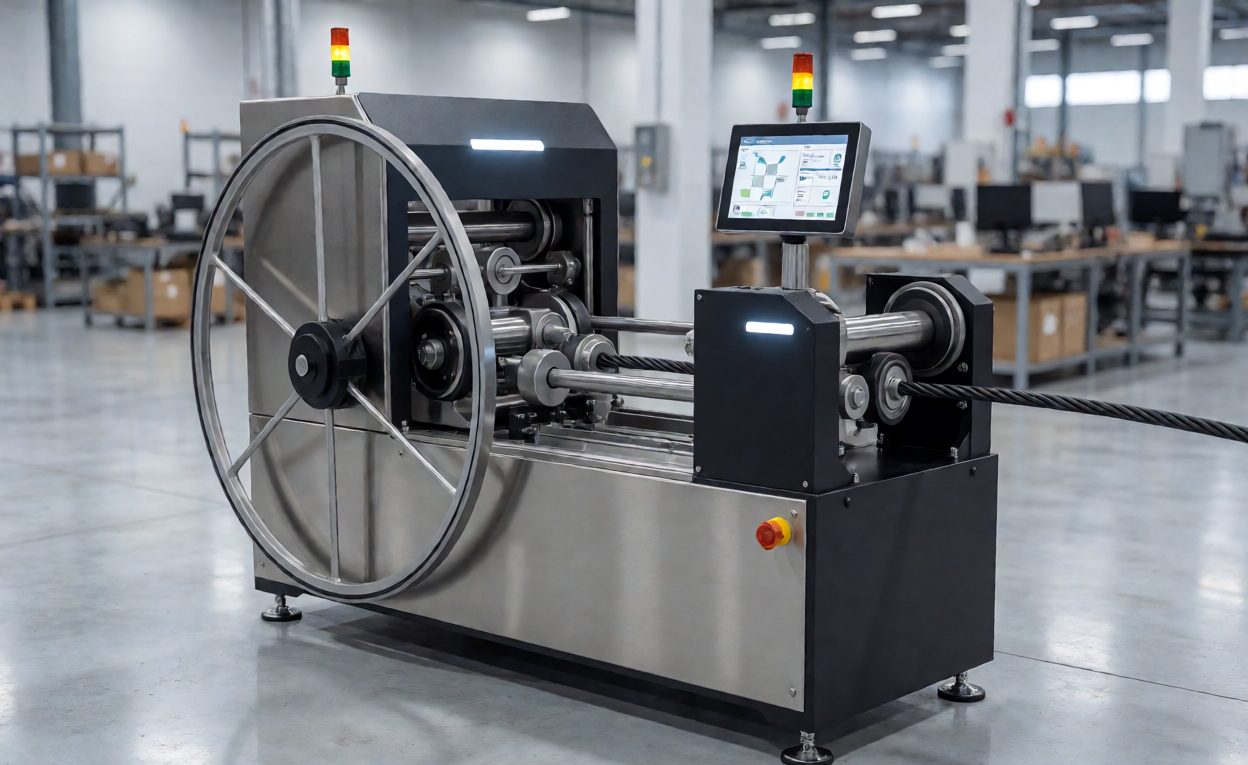
Most production cutting happens on automated cut-and-strip machines that measure with a calibrated roller or measure wheel as the cable feeds through. Accuracy is good – typically a fraction of a percent – provided tension and wheel condition are maintained. For finished assemblies, lengths are verified either on the same machine before termination or laid out against a marked bench or floor tape at inspection.
The pitfalls are known and worth naming on the drawing. Measuring under tension stretches the jacket and reads long; measuring a coiled assembly along the outside of the coil reads short; temperature affects jacket dimensions slightly on precision work. None of these are large, but each is larger than a tolerance of a few millimeters, which is exactly why very tight tolerances create arguments rather than quality.
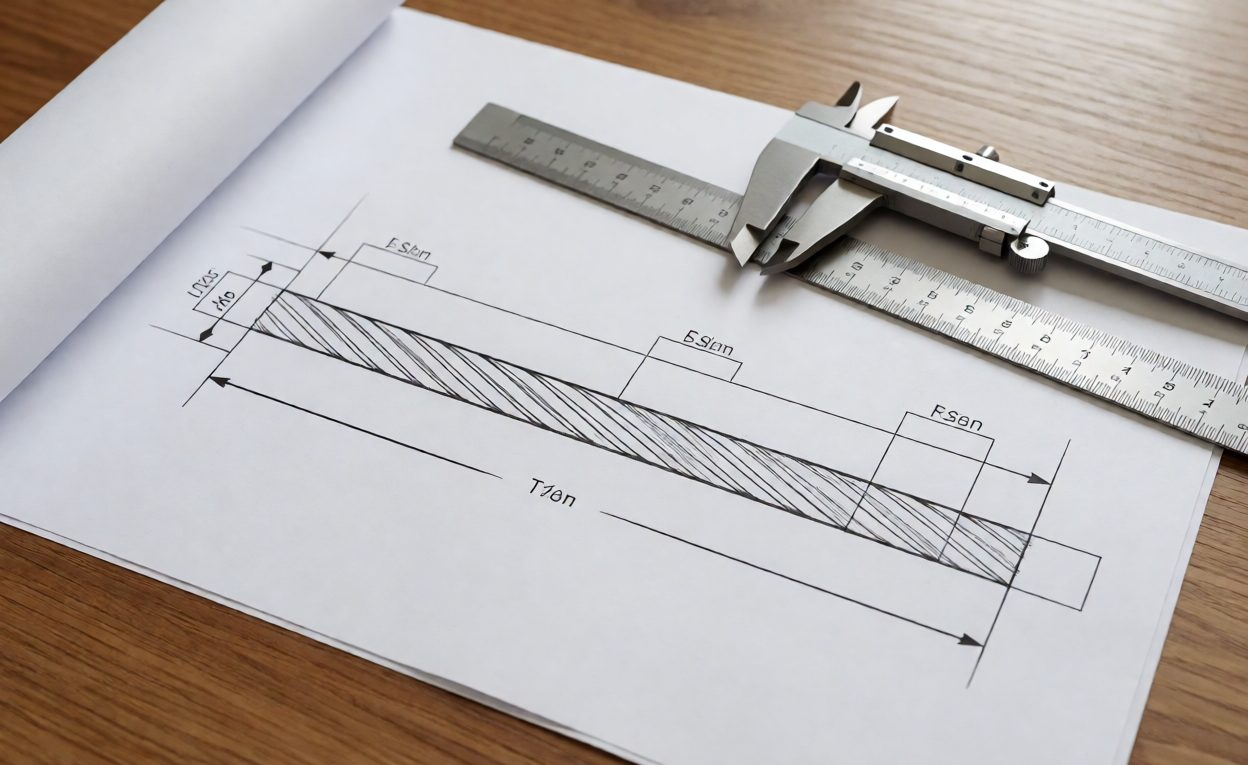
The cleanest instruction is a drawing note: length measured straight and untensioned at room temperature, from connector face to connector face, or from connector face to breakout point where the harness has branches. Datum matters. “Overall length” and “cable length between shells” differ by the connector backs, and suppliers build to whichever the drawing emphasizes.

Technical Background
The practice of allowing a controlled departure from nominal is engineering tolerance, and on long flexible products it is set by function and process capability together rather than by preference. The discipline behind measurement method, equipment and environment is metrology, and where a dispute needs resolution, a calibrated coordinate-measuring machine or a certified length bench is the arbiter rather than a tape from the toolbox.
Writing It Into the Drawing
Four items make a length specification complete: the nominal with its tolerance, the measurement condition, the datum points, and any branch lengths referenced to the same datum. One optional item prevents most first-article friction: a note stating which dimensions are critical and which are reference. Suppliers inspect what the drawing emphasizes, and a title block that treats every dimension as critical gets a sampling plan that prices every dimension as critical.
Where assemblies arrive coiled, state the coil diameter minimum alongside the length. Coiling an assembly too tightly changes its as-measured length, kinks the jacket and works the terminations; the coiling note belongs with the length callout because the two interact.
Finally, sanity-check the tolerance against the routing at installation. If the installer on site works with a meter of slack, a five-millimeter tolerance upstream of that slack bought nothing. Tolerances are cheapest when they are one size looser than anyone bothers to notice.
Length tolerance interacts with the cost structure described in cable quotation cost drivers and with the drawing items listed in the drawing package buyers must specify. Bend and handling limits that constrain coiling are covered in the cable bend radius guide, and format choices for how cable arrives in bulk reel versus cut length supply.
Preguntas frecuentes
What is a standard length tolerance for cable assemblies?
Roughly plus or minus 5 mm under a meter, plus or minus 20 to 50 mm from one to five meters, and about 0.5 percent beyond that.
Why do tight length tolerances cost more?
They force trimming, cutting waste or yield loss, because assemblies terminated at both ends cannot simply be cut shorter.
How should cable length be measured?
Straight and untensioned at room temperature, from a stated datum such as connector face to connector face.
Does measuring under tension give the wrong length?
Yes. Tension stretches the jacket slightly and reads long, which matters at tight tolerances.
What is the difference between overall length and cable length?
Overall length includes the connectors; cable length runs between connector shells. The drawing must state which one applies.
When is a tight length tolerance genuinely needed?
For phase-matched coax, dress-pack lengths and harnesses routed through tight channels, where the routing has no slack.
Should the drawing specify coiling?
Yes. A minimum coil diameter protects the terminations and keeps the as-delivered length consistent with the as-measured one.