The overmolded strain relief is the part of a cable assembly the user actually touches, and it is also the part with the most opaque pricing. A quotation line reading “molding: on request” can range from a few hundred dollars for a simple prototype tool to tens of thousands for a multi-cavity production mold, and the difference is determined almost entirely by decisions made at the design stage – most of them by the buyer rather than by the mold maker.
Understanding what drives that number turns the molding quote from a black box into a set of choices. Some of those choices are worth paying for. Many are inherited habits from a previous product that nobody thought to question.
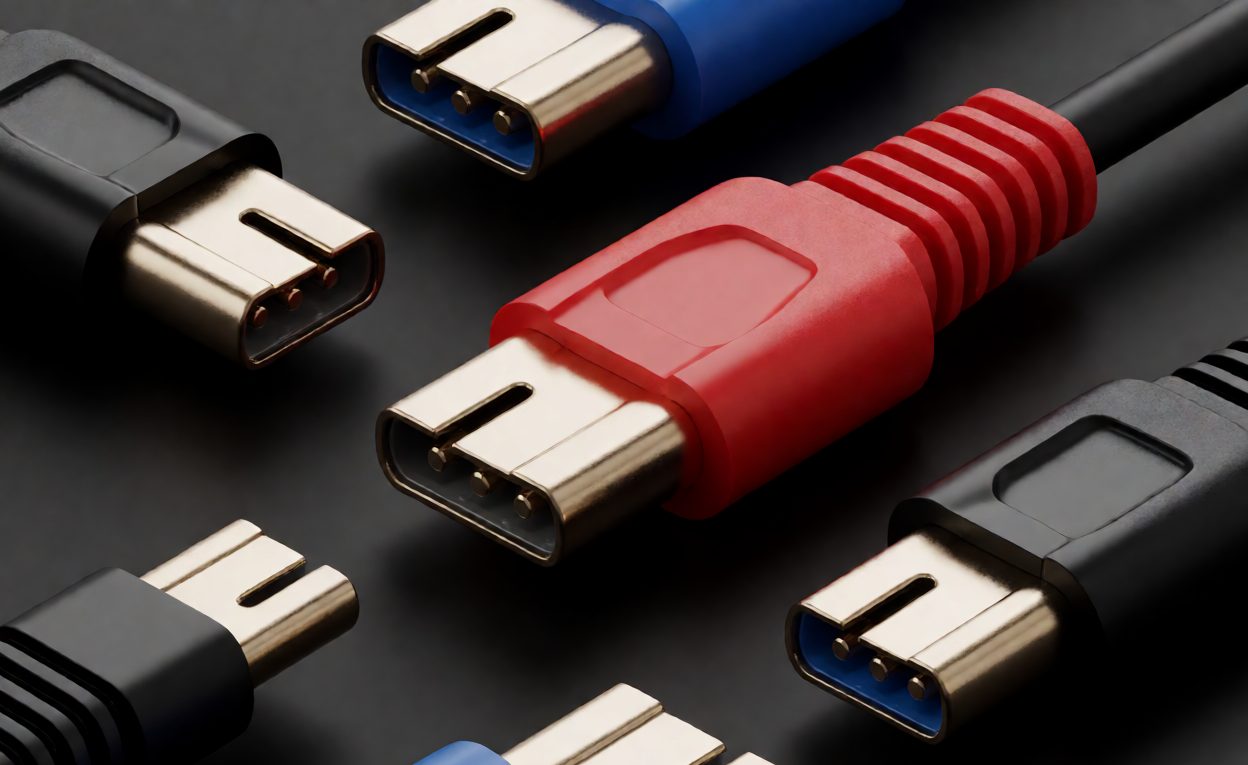
What the Overmold Is Actually Doing
Stripped of marketing language, an overmold performs four functions, and a design should be able to name which of them matter for the application:
- Strain relief. Spreading bend forces over the termination instead of concentrating them at the crimp or solder joint, which is the single largest contributor to field failures on assemblies without it.
- Environmental sealing. Achieving an ingress protection rating at the cable exit and around the connector shell, where gaskets alone rarely close every path.
- Insulation and grip. Covering live or sharp termination hardware and giving fingers or gloved hands something to hold.
- Identification and brand. Color, logo and part marking on a surface that survives handling and cleaning.
A mold that only has to do the first two can be small, symmetrical and inexpensive. Adding logo text, a sculpted grip or an unusual exit angle each adds tool complexity, and the cost is not proportional to the visual benefit. The honest exercise is to score every feature against the four functions and delete what scores zero.
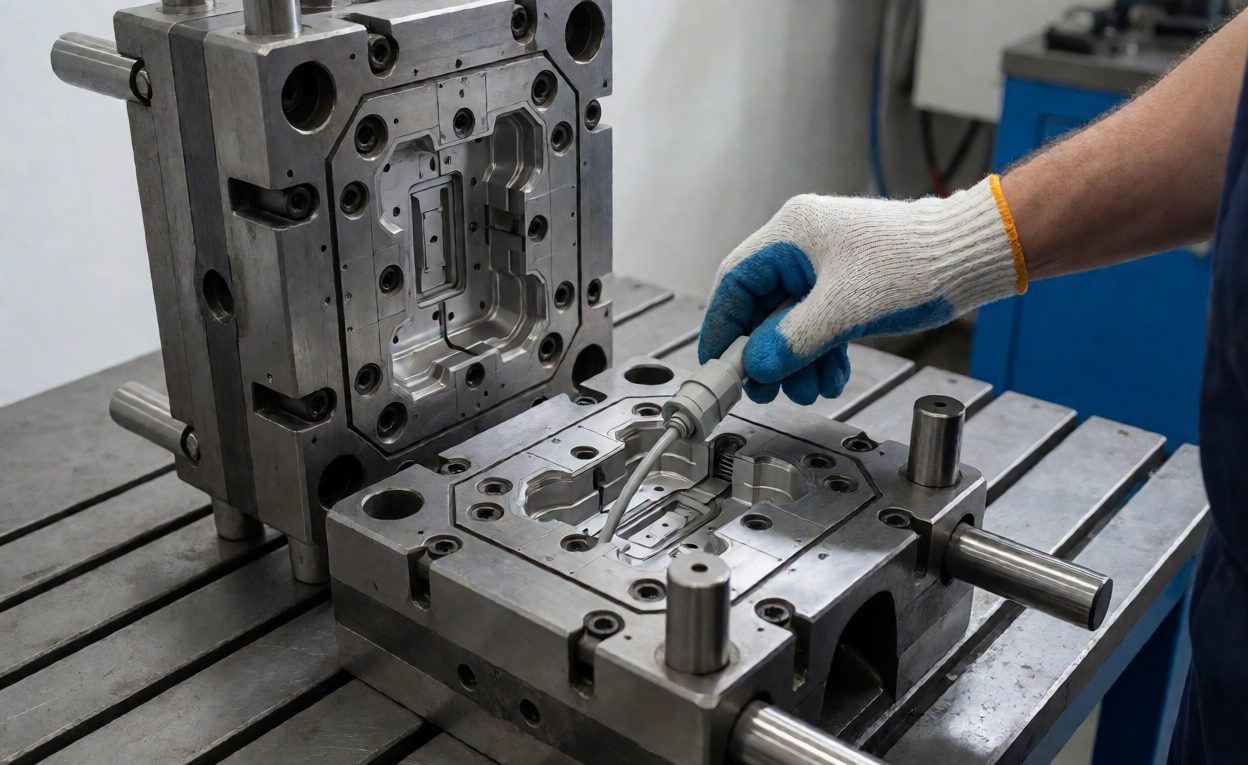
Design Decisions That Move the Price
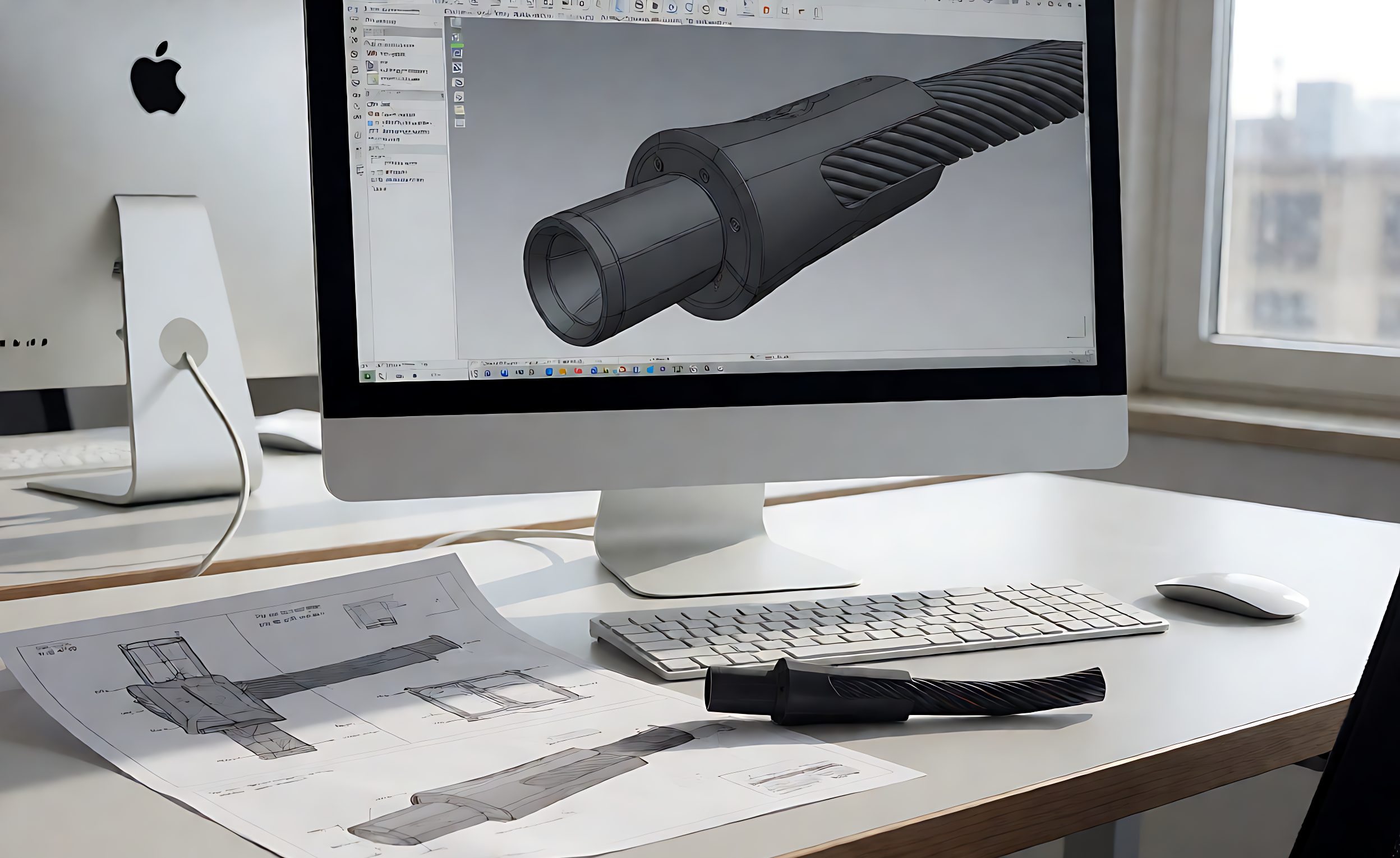
Geometry. A body that pulls straight out of the mold in one direction is the cheapest possible tool to make and run. Undercuts – snap ribs, trapping shoulders, angled exits that need a moving steel insert – require actions in the mold, and every action adds machining, maintenance and cycle time. Buyers who specify a right-angle exit because a previous product had one, without checking whether the installation clearance actually requires it, routinely pay for a slider they do not need.
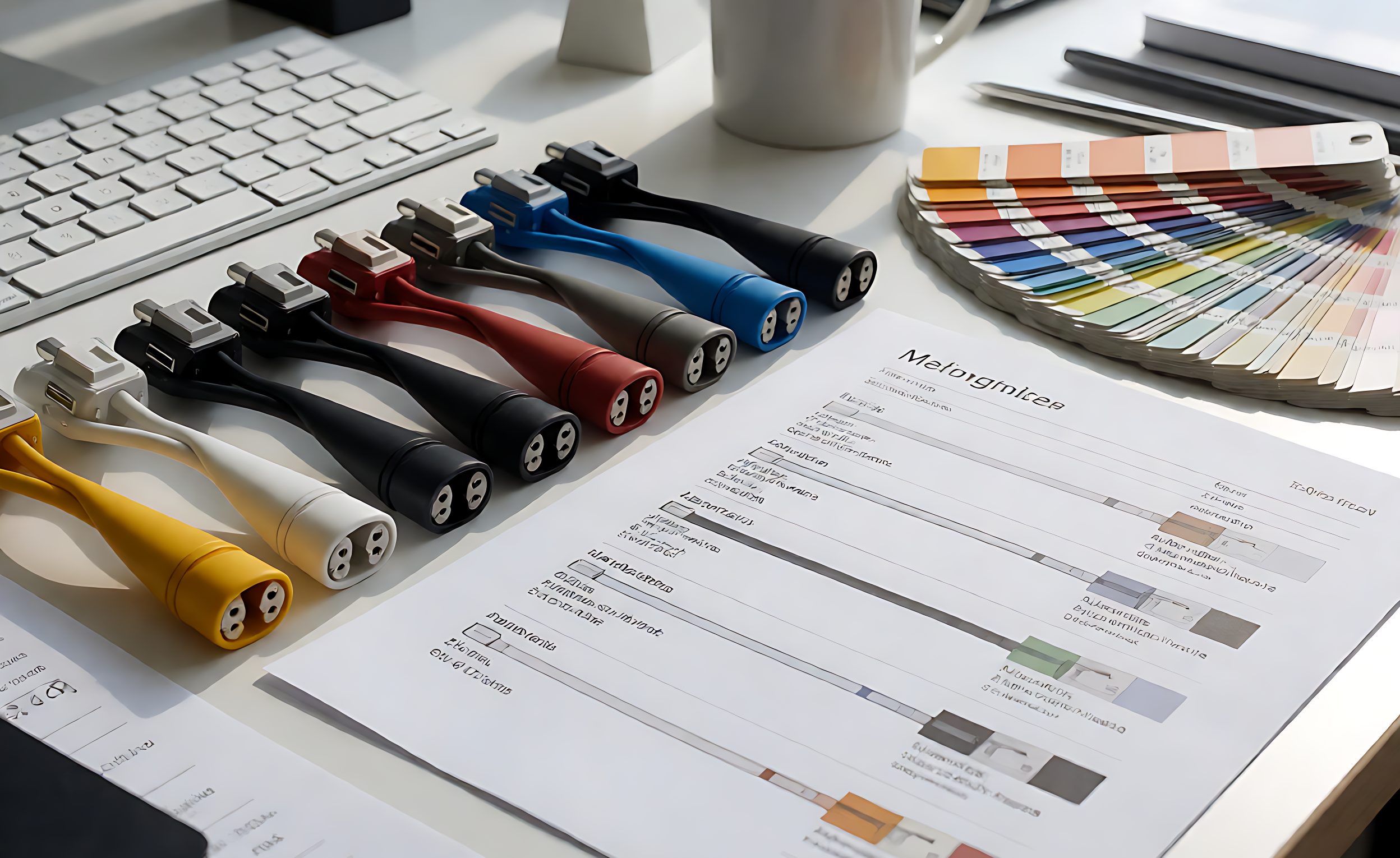
Material. Standard flexible PVC and TPE compounds are commodity items with short lead times and forgiving process windows. Polyurethane gives superior abrasion resistance and sealing but molds slower and is fussier about conditions, which shows up in both the tool quote and the unit price. Material also decides whether a color changeover is a quick purge or a half day of purging and scrap, which matters when orders run in multiple colors.
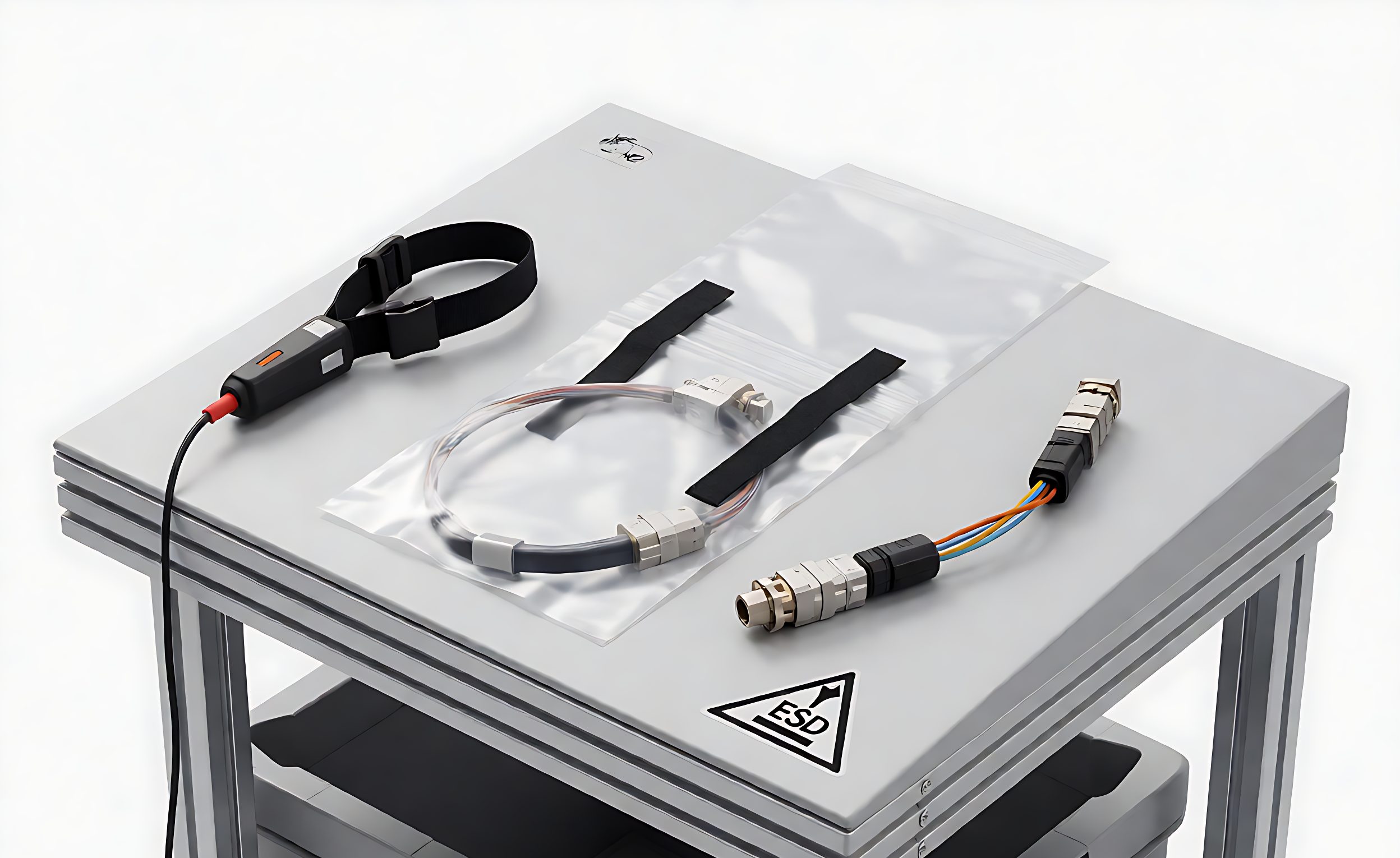
What is under the mold. The overmold wraps whatever the assembly brings to it. A tidy pre-terminated bundle with sleeving molds predictably; a loose arrangement of shield tails, connector shells and floating contacts needs fixture support inside the tool, and fragile parts under injection pressure raise scrap. The quote will reflect how much hand-holding the insert needs, so ask the supplier what they would change about the pre-mold assembly to make it moldable.
Cavity count. A single-cavity tool makes one part per shot. Production volumes justify four, eight or more cavities, which multiplies machining cost but cuts unit price sharply. The trap is committing to a multi-cavity tool before the design is stable; every revision then means reworking several cavities instead of one, and revisions in the first year are the rule rather than the exception.
What a Tool Quote Is Actually Priced On
Mold makers price on steel, machining hours and actions. Steel grade scales with volume: soft pre-hardened steel for a prototype or low-volume tool, hardened steel rated for millions of cycles on a production tool. Machining hours scale with the complexity of the cavity surfaces, which for cable moldings is driven by organic shapes and fine logo detail. Actions, as described above, multiply everything.
Two quotes for the same part can legitimately differ when one is a prototype tool – aluminium or soft steel, good for a few thousand shots, cheap and fast – and the other is a hardened production tool. A sensible path for a new design is a prototype tool to validate geometry and sealing, then a production tool once the part is proven. The combined cost is often close to a single production tool bought blind, and the design that reaches production is better.
Lead time belongs in the negotiation too. A simple single-cavity tool is typically two to three weeks; a complex multi-action production mold can take six or more. If a launch date depends on the mold, that dependency should sit visibly in the project plan rather than being discovered when the sample request stalls.
Technical Background
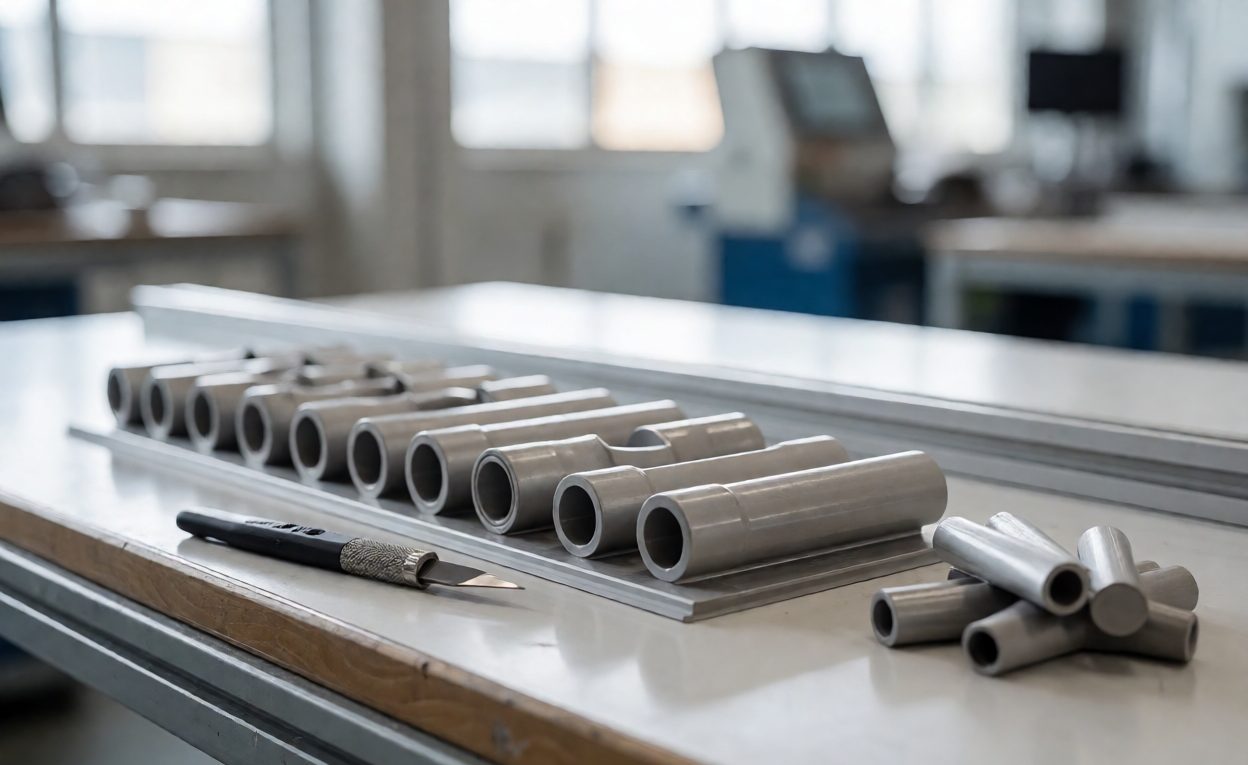
The process is a form of injection molding, where molten polymer is forced into a machined cavity around the pre-assembled termination. Compound selection usually sits between flexible thermoplastic elastomers and polyurethane, trading abrasion resistance and sealing against process simplicity. The way a one-off tool cost is spread across production units is amortization, which is why tooling is either paid upfront or built into the unit price against a committed volume.
Reducing Tooling Cost Without Losing Function
- Justify every undercut. Each moving element in the tool adds cost once and maintenance forever. If a clip feature is not performing a real retention job, remove it from the drawing.
- Start with one cavity. Prove the part at volume-appropriate cost, then add cavities when demand is real rather than hoped for.
- Share a body across variants. Three cable exit diameters can often be one body with different cable lands, or one tool with interchangeable inserts, instead of three separate tools.
- Draw the logo properly. Raised text with strokes finer than roughly half a millimeter is expensive to machine and wears quickly; larger, simpler lettering is cheaper and outlasts the tool’s maintenance intervals.
- Ask for first shots early. Most molders will run initial shots before cosmetic polishing, which surfaces fit and fill problems while changes are still cheap.
When Overmolding Is Not Worth It
For internal assemblies, low-cycle consumer spares or early prototypes, a heat-shrink boot or a prefabricated strain relief does most of the job at a fraction of the cost. The overmold earns its tooling when volumes are real, the environment is hostile or the termination is mechanically critical. A buyer who cannot point to one of those three reasons should treat the molding line on the quotation as an open question rather than a given, and ask the supplier to price the same assembly with a boot instead. The answer is occasionally surprising in both directions, but asking it is free.
Overmold decisions sit alongside the strain relief choices covered in overmolding and strain relief for USB assemblies and connect to the one-off charges described in NRE and sample cost policy. The material trade-offs are set out in cable jacket materials, and the wider cost structure in cable quotation cost drivers.
Preguntas frecuentes
How much does a cable overmold tool cost?
A simple single-cavity prototype tool is often a few hundred to a couple of thousand dollars; complex multi-action production molds reach five figures.
What drives overmold tooling cost most?
Steel grade, cavity count, undercuts that require mold actions, and fine detail such as small logo text.
Should I buy a prototype tool or a production tool first?
Prototype first for a new design. It validates geometry cheaply before committing to hardened multi-cavity steel.
Can one overmold serve several cable variants?
Often, yes, using interchangeable inserts or a body design that accepts different cable lands.
Why is a right-angle exit so expensive?
Angled exits frequently need a sliding action in the tool. If the clearance is not truly required, a straight exit is much cheaper.
Which overmold material should I choose?
PVC or TPE for standard flexible duty; polyurethane where abrasion resistance and sealing justify slower, costlier processing.
Does tooling cost appear in the unit price?
Either it is paid upfront or it is amortized against a committed volume. Both are legitimate; agree the terms before work starts.