Wiring harnesses are a crucial component in electric vehicles (EVs), serving as the backbone for power distribution and data transmission. A well-designed wiring harness significantly enhances the overall performance, reliability, and safety of an EV. As the demand for EVs continues to grow, the importance of wiring harnesses will only continue to increase. For more information on the importance of wiring harnesses in industrial automation, see Shielded Cables for Industrial Automation: Ensuring Reliable Data Transmission and Power Supply.
Design Considerations for EV Wiring Harnesses
Designing wiring harnesses for EVs requires careful consideration of several factors. The unique demands of EVs, including high-voltage and high-current capabilities, electromagnetic compatibility (EMC), thermal management, durability, and weight reduction, must be carefully balanced to create a reliable and efficient wiring harness.
- High-voltage and high-current capabilities: Handling voltages and currents in excess of 400V and 100A requires specialized materials and design considerations, such as using high-voltage insulation materials and designing the harness with adequate clearance and creepage distances. For example, using XLPE (Cross-Linked Polyethylene) insulation can provide excellent electrical insulation and thermal stability.
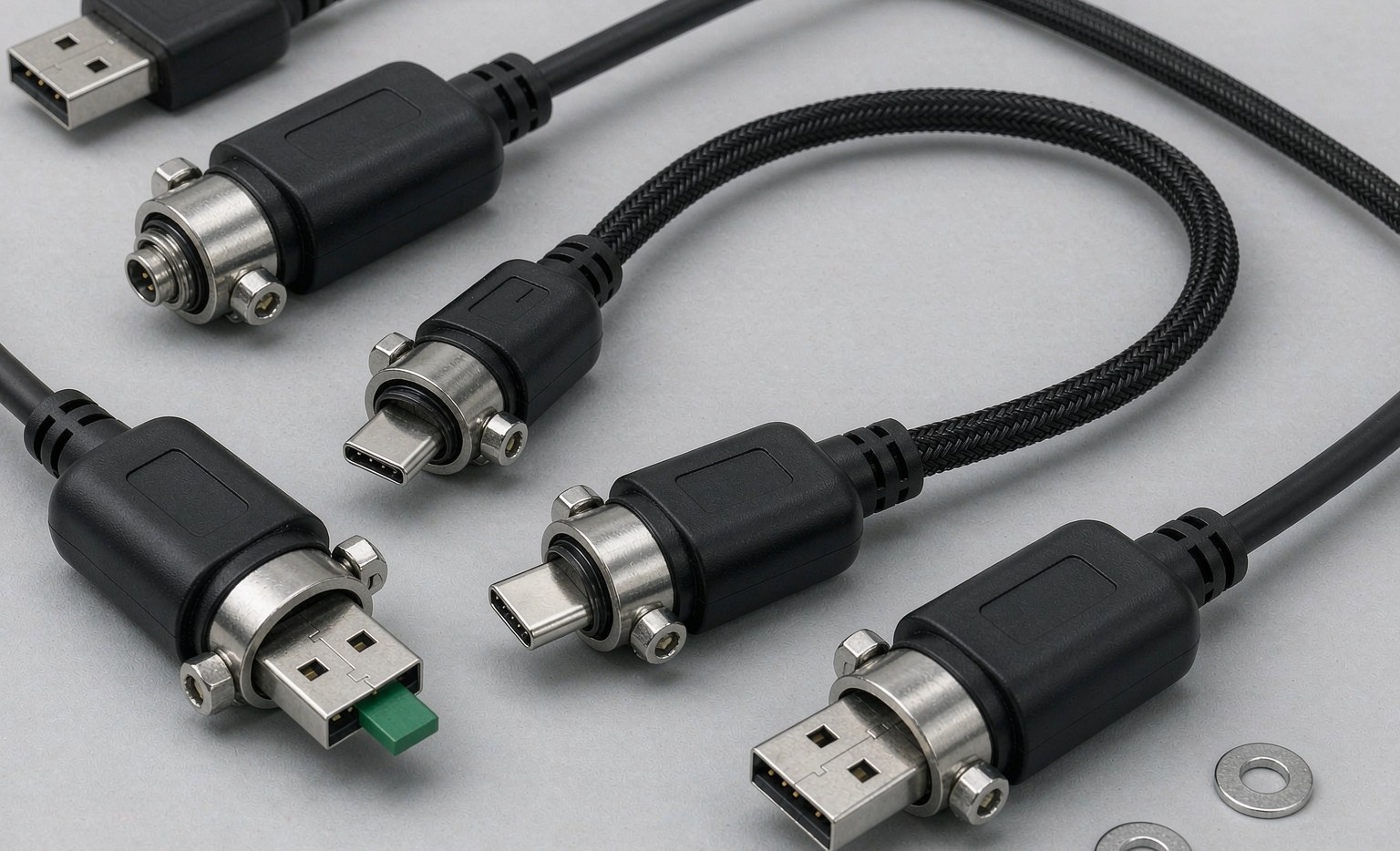
- Electromagnetic compatibility (EMC): Minimizing electromagnetic interference (EMI) through shielded cables and careful routing is critical to prevent disruptions to vehicle systems. This can be achieved by using Other wiring harnesses: CN(57) 36P male connector cable, twisted pair cables, and routing the harness away from sensitive components. Additionally, using EMI suppression components such as ferrite beads and capacitors can further reduce EMI.
- Thermal management: Withstanding temperatures generated by the battery pack and electric motor requires heat-resistant materials and strategic placement. This can be achieved by using high-temperature insulation materials, designing the harness with adequate thermal clearance, and routing the harness away from heat sources. For instance, using high-temperature resistant materials like PTFE (Polytetrafluoroethylene) or FEP (Fluorinated Ethylene Propylene) can ensure reliable operation in extreme temperatures.
- Durability and reliability: Withstanding environmental conditions such as vibration, moisture, and extreme temperatures is essential for long-term reliability. This can be achieved by using high-quality materials, designing the harness with adequate protection, and testing the harness under various environmental conditions. For example, using IP67 or IP69K rated connectors and cables can ensure reliable operation in harsh environments.
- Weight reduction and optimization: Minimizing weight while maintaining performance and reliability is crucial for maximizing vehicle range and efficiency. This can be achieved by using lightweight materials, optimizing the harness design, and minimizing the number of components. For instance, using aluminum or copper-clad aluminum conductors can reduce weight while maintaining electrical performance.
| Design Factor | Consideration |
|---|---|
| High-voltage capability | Handling voltages up to 800V requires specialized insulation and clearance. |
| EMC | Shielded cables and careful routing can minimize EMI. |
| Thermal management | Heat-resistant materials and strategic placement can mitigate thermal stress. |
| Durability | Using high-quality materials and robust design can ensure long-term reliability. |
To achieve these design considerations, engineers can follow a step-by-step process:
- Define the electrical architecture and identify required components.
- Select materials and components that meet the required specifications.
- Design the wiring harness layout and routing.
- Validate the design through simulation and testing, including high-temperature testing, EMC testing, and vibration testing.
- Refine the design based on test results and iterate as necessary.
Some common design challenges include:
- Managing the complexity of multiple variants and configurations.
- Meeting stringent regulatory requirements.
- Balancing performance, reliability, and cost.
To overcome these challenges, designers can implement:
- Modular design principles to simplify variant management.
- Collaboration with suppliers to ensure component quality and consistency.
- Advanced simulation and testing tools to validate the design.
Best Practices for Manufacturing EV Wiring Harnesses
Manufacturing wiring harnesses for EVs requires precision and quality control. Best practices include:
- Implementing robust testing and validation procedures to ensure compliance with specifications.
- Using high-quality materials and components to minimize the risk of failure.
- Optimizing production processes for efficiency and reliability.
- Implementing a quality management system to ensure consistency and traceability.
- Training production staff to ensure they understand the importance of quality and the manufacturing process.
Some common manufacturing challenges include:
- Ensuring consistent quality across high-volume production.
- Managing the complexity of multiple variants and configurations.
- Meeting stringent regulatory requirements.
To overcome these challenges, manufacturers can implement:
- Automated testing and inspection systems.
- Lean manufacturing principles to minimize waste and maximize efficiency.
- Collaboration with suppliers to ensure component quality and consistency.
- Continuous monitoring and improvement of the manufacturing process.
Case Study: Custom Wiring Harness Design for a High-Performance EV
A leading EV manufacturer required a custom wiring harness design for their new high-performance vehicle. The design team worked closely with the manufacturer to define the electrical architecture and identify required components.
The resulting design featured advanced materials and technologies, including Flexible Cables for Industrial Automation: Enhancing Efficiency and Reliability and shielded cables. The final product was validated against environmental and electrical performance criteria, including:
- High-temperature testing to ensure thermal reliability.
- EMC testing to ensure compliance with regulatory requirements.
- Vibration testing to ensure durability and reliability.
The custom wiring harness design enabled the EV manufacturer to achieve improved performance, reliability, and safety. The design also allowed for reduced weight and cost, resulting in improved overall vehicle efficiency.
Frequently Asked Questions (FAQs)
Some common questions about EV wiring harnesses include:
- Q: What are the key design considerations for EV wiring harnesses?
- A: High-voltage and high-current capabilities, EMC, thermal management, durability, and weight reduction.
- Q: How are EV wiring harnesses manufactured?
- A: Through a combination of design, prototyping, testing, and validation, followed by high-volume production.
- Q: What are the benefits of custom wiring harness design?
- A: Improved performance, reliability, and safety, as well as optimized weight and cost.
- Q: What are the future trends in EV wiring harnesses?
- A: Advanced materials and technologies, more efficient and compact wiring harness designs, and integration with other vehicle systems.
Future Trends in EV Wiring Harnesses
Ongoing research and development are focused on improving performance, reliability, and safety. Future trends include:
- Advanced materials and technologies, such as graphene and nanomaterials.
- More efficient and compact wiring harness designs.
- Integration with other vehicle systems, such as autonomous driving and vehicle-to-everything (V2X) communication.
- Development of new manufacturing technologies, such as 3D printing and automated assembly.
As the EV market continues to evolve, wiring harnesses will play an increasingly important role in enabling the next generation of electric vehicles. By staying at the forefront of design and manufacturing trends, wiring harness suppliers can help drive the growth of the EV market.

To further illustrate the importance of wiring harnesses in EVs, consider the following statistics:
- The global EV market is expected to grow to over 14 million units by 2025.
- The average EV contains over 3 kilometers of wiring.
- The wiring harness is responsible for up to 10% of the total vehicle weight.
As the EV market continues to grow, the demand for high-quality wiring harnesses will only continue to increase. By understanding the design and manufacturing considerations for EV wiring harnesses, suppliers can help enable the next generation of electric vehicles.
Designing for Reliability and Safety
Designing wiring harnesses for EVs requires a focus on reliability and safety. This can be achieved by:
- Using high-quality materials and components.
- Implementing robust testing and validation procedures.
- Designing for redundancy and fail-safe operation.
- Collaborating with suppliers to ensure component quality and consistency.
By prioritizing reliability and safety, wiring harness suppliers can help ensure the overall performance and safety of EVs.
Manufacturing for Efficiency and Quality
Manufacturing wiring harnesses for EVs requires a focus on efficiency and quality. This can be achieved by:
- Implementing lean manufacturing principles.
- Using automated testing and inspection systems.
- Optimizing production processes for efficiency and reliability.
- Training production staff to ensure they understand the importance of quality and the manufacturing process.
By prioritizing efficiency and quality, wiring harness suppliers can help reduce costs and improve overall vehicle performance.