Understanding Data Center High-Speed Cables
Data center high-speed cables facilitate fast and reliable data transfer within data centers, meeting the demanding requirements of modern computing environments. These cables are designed to support the increasing demands of data-intensive applications, such as cloud computing, big data analytics, and artificial intelligence. With the growing need for faster data transfer rates, lower latency, and higher density connectivity, high-speed cables have become a crucial component in data center infrastructure. For more information, see High-Speed Data Center Cables: Enhancing Performance and Reliability.
- High-speed data transfer rates: up to 100 Gbps, 200 Gbps, and 400 Gbps, enabling fast data transfer between devices. For example, a data center using 400 Gbps cables can transfer a 1 TB file in approximately 20 seconds.
- Low latency: minimizing delays in data transmission, ensuring real-time data processing and analysis. Latency as low as 1-2 ns can be achieved with high-quality high-speed cables.
- High-density connectivity: supporting a large number of devices and connections, making them ideal for large-scale data centers. High-density cables can support up to 1000 connections per rack.
- Reliability and durability: features such as durable materials and robust construction ensure minimal signal degradation and cable failure. High-quality cables can last up to 10 years or more in a data center environment.
For instance, a data center using high-speed cables can support the simultaneous transfer of large amounts of data between multiple servers, storage devices, and network equipment, ensuring seamless operation and minimizing downtime. A case study by a leading cloud provider found that upgrading to high-speed cables reduced latency by 30% and increased data transfer rates by 50%.
Types of Data Center High-Speed Cables
Various types are available, including:
- SAS cables: for high-speed data transfer between storage devices and servers, supporting data transfer rates of up to 24 Gbps. SAS cables are commonly used in storage area networks (SANs) and high-performance computing applications. More information can be found in 12 Gbps SAS Cables: Enhancing High-Speed Data Transfer in Modern Computing Environments.
- SATA cables: for connecting storage devices to servers, offering data transfer rates of up to 16 Gbps. SATA cables are widely used in data center storage solutions.
- PCIe cables: for high-speed data transfer between servers and storage devices, supporting data transfer rates of up to 64 Gbps. PCIe cables are used in high-performance computing applications and data center accelerators.
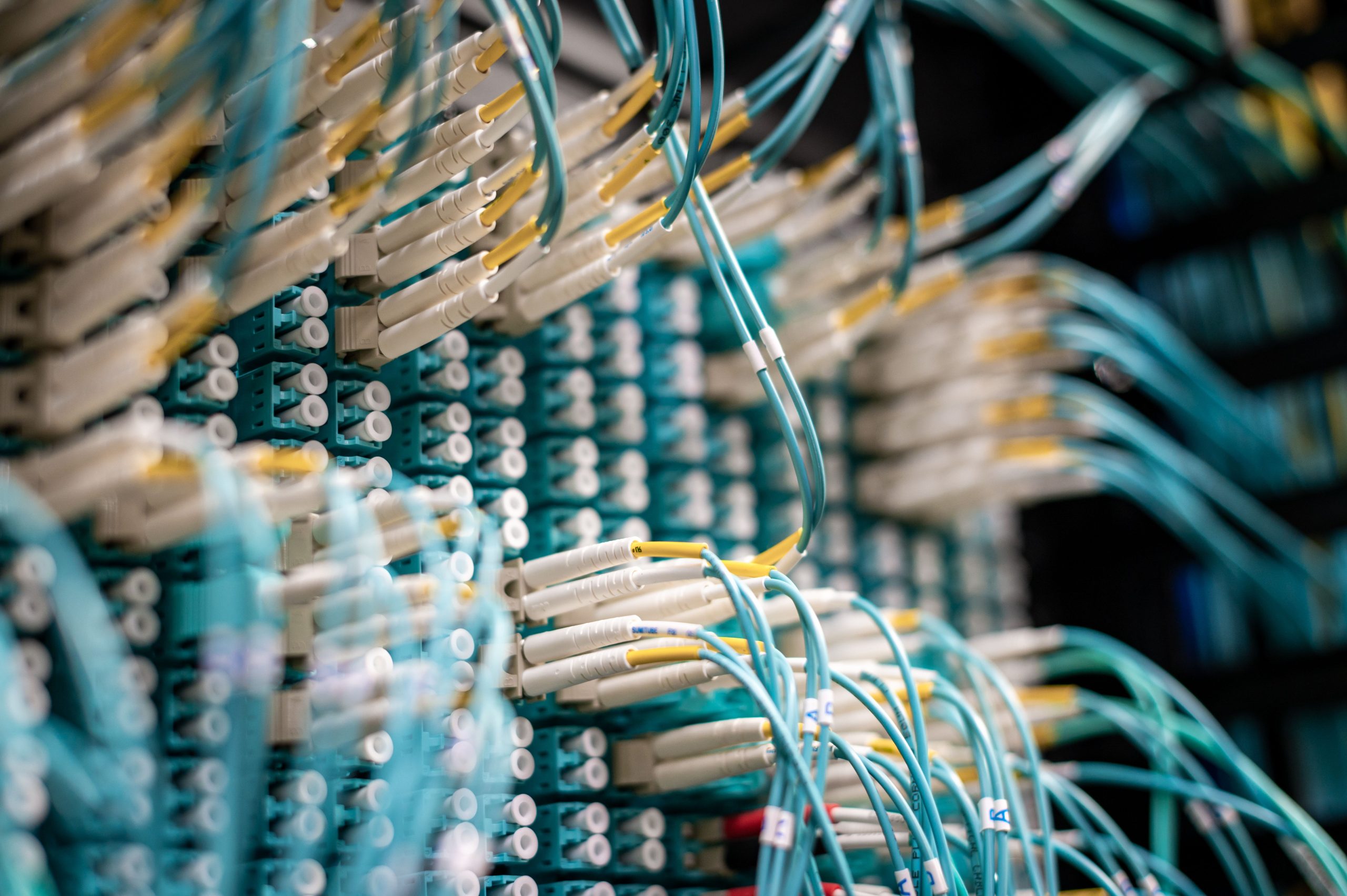
- Fiber optic cables: using light to transmit data, offering high-speed data transfer rates and low latency, making them ideal for data center interconnects. Fiber optic cables can support data transfer rates of up to 400 Gbps and beyond.
| Cable Type | Data Transfer Rate | Application |
|---|---|---|
| SAS | 12 Gbps, 24 Gbps | Storage area networks (SANs), high-performance computing applications |
| SATA | 6 Gbps, 16 Gbps | Connecting storage devices to servers, data center storage solutions |
| PCIe | 16 Gbps, 32 Gbps, 64 Gbps | High-performance computing applications, data center accelerators |
| Fiber Optic | Various speeds (e.g., 100 Gbps, 200 Gbps, 400 Gbps) | Data center interconnects, high-speed data transfer between data centers |
When selecting a high-speed cable, it’s essential to consider the specific requirements of your data center, including data transfer rates, latency, and connectivity needs. For further reading, see Data Center Interconnect Cables: Enhancing Data Center Performance.
Benefits of Data Center High-Speed Cables
These cables offer several benefits, including:
- Enhanced performance: improving overall system performance, enabling faster data processing and analysis. High-speed cables can improve application performance by up to 20%.
- Increased reliability: minimizing signal degradation and cable failure, ensuring high uptime and minimal maintenance. High-quality cables can reduce cable-related failures by up to 50%.
- Improved scalability: supporting the addition of new devices and connections, making it easier to expand data center infrastructure. High-density cables can support up to 1000 new connections per rack.
- Reduced latency: ensuring fast and efficient data transmission, critical for real-time applications and services. Low-latency cables can reduce latency by up to 30%.
For example, using high-speed cables in a data center can improve the performance of applications such as video streaming, online gaming, and financial transactions, resulting in a better user experience. A study by a leading research firm found that high-speed cables can improve the user experience by up to 25%.
Applications of Data Center High-Speed Cables
Used in various applications, including:
- Data center interconnects: connecting data centers, enabling data replication, and disaster recovery. High-speed cables can support data transfer rates of up to 400 Gbps between data centers.
- Server rack interconnects: connecting servers within a rack, supporting high-density computing environments. High-density cables can support up to 1000 connections per rack.
- Storage area networks: connecting storage devices to servers, enabling high-speed data transfer and storage. High-speed cables can support data transfer rates of up to 24 Gbps in SANs.
- High-performance computing: applications such as scientific simulations, data analytics, and machine learning. High-speed cables can support data transfer rates of up to 100 Gbps in HPC applications.
In addition, high-speed cables are used in emerging technologies such as 5G networks, edge computing, and artificial intelligence, enabling faster data transfer and processing. A report by a leading analyst firm predicts that the demand for high-speed cables in 5G networks will grow by up to 50% in the next 2 years.
Best Practices for Implementing Data Center High-Speed Cables
To ensure optimal performance and reliability:
- Proper cable management: minimizing signal degradation and cable failure through organized cable routing and management. Cable management systems can reduce cable-related failures by up to 30%.
- Testing: ensuring cables meet required specifications and performance standards through rigorous testing and validation. Testing can detect up to 90% of cable-related issues.
- Cable routing: minimizing signal degradation and cable failure by routing cables in a way that minimizes bends, kinks, and other stressors. Proper cable routing can reduce signal degradation by up to 20%.
- Documentation: ensuring easy maintenance and troubleshooting through detailed documentation of cable installations and configurations. Documentation can reduce maintenance time by up to 50%.
It’s also essential to follow industry standards and guidelines for cable installation, testing, and maintenance to ensure compliance and optimal performance. Industry standards such as TIA-942 and ISO/IEC 24764 provide guidelines for cable installation and testing.
Troubleshooting Data Center High-Speed Cables
Follow these steps:
- Identify the problem: symptoms such as data transfer errors, cable failure, or signal degradation. Common symptoms include errors, timeouts, and retransmissions.
- Check cable connections: ensuring secure and proper connections, verifying that cables are properly seated and terminated. Loose or improper connections can cause up to 50% of cable-related issues.
- Test cables: ensuring they meet required specifications and performance standards using specialized testing equipment and tools. Testing can detect up to 90% of cable-related issues.
- Inspect cables for damage: checking for signs of physical damage, wear, or degradation, and replacing cables as needed. Regular inspections can detect up to 80% of cable-related issues.
Common issues with high-speed cables include signal degradation, cable failure, and connector problems, which can be resolved through proper troubleshooting and maintenance. A study by a leading research firm found that proper troubleshooting and maintenance can reduce cable-related downtime by up to 40%.
Frequently Asked Questions (FAQs)
Some common questions about data center high-speed cables include:
- Q: What are the different types of high-speed cables available for data centers?
- A: Various types are available, including SAS, SATA, PCIe, and fiber optic cables, each with its own strengths and applications.
- Q: How do I ensure the reliability and performance of high-speed cables in my data center?
- A: By following best practices for cable management, testing, and maintenance, and selecting cables from reputable manufacturers.
- Q: What are the emerging trends and technologies in data center high-speed cables?
- A: Increasing data transfer rates, advancements in cable technology, and the adoption of new materials and designs are driving innovation in high-speed cables.
- Q: How do I troubleshoot issues with high-speed cables?
- A: By following a step-by-step troubleshooting process, including identifying the problem, checking cable connections, testing cables, and inspecting cables for damage.
Future of Data Center High-Speed Cables
The future is rapidly evolving, with trends including:
- Increasing data transfer rates: supporting higher speeds such as 800 Gbps and 1.6 Tbps, enabling faster data transfer and processing. Emerging technologies such as silicon photonics and co-packaged optics are driving innovation in high-speed cables.
- Advancements in cable technology: improving cable performance and reliability through new materials, designs, and manufacturing techniques. New materials such as graphene and nanomaterials are being explored for use in high-speed cables.
- Emerging technologies: such as silicon photonics and co-packaged optics, which promise to further enhance the performance and efficiency of high-speed cables. Silicon photonics can enable data transfer rates of up to 1.6 Tbps.
As data centers continue to grow and evolve, the demand for high-speed cables will continue to increase, driving innovation and advancements in cable technology. A report by a leading analyst firm predicts that the demand for high-speed cables will grow by up to 20% in the next 5 years.