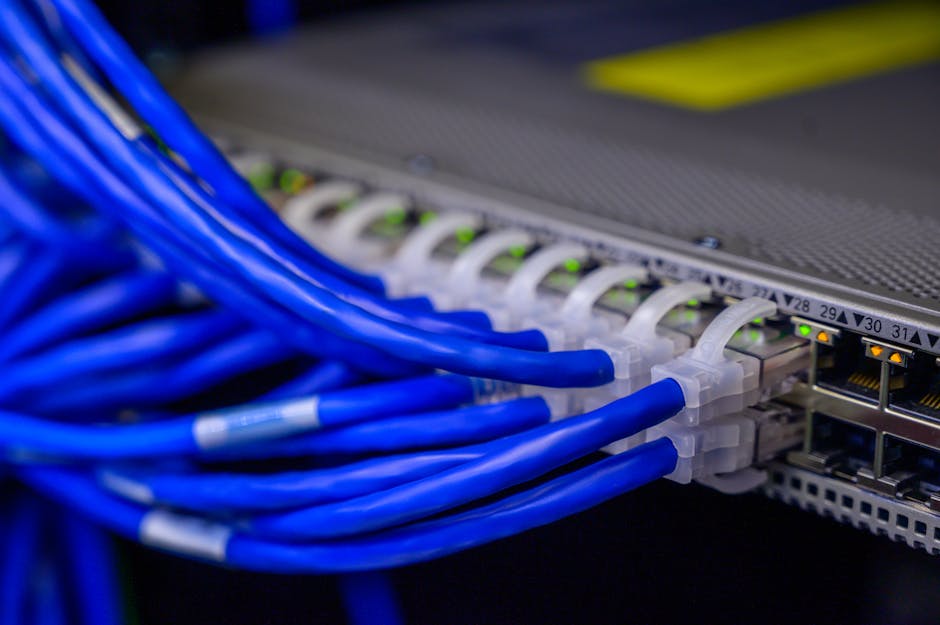
In today’s data-driven world, high-speed networks are the backbone of modern communication and data transfer. Ensuring the reliability and performance of these networks is crucial, and cable testing plays a vital role in this process. With the increasing demand for faster data transfer rates, cable testing has become more important than ever to prevent signal degradation, data loss, and network downtime. For example, a data center with a high-density cabling infrastructure requires thorough cable testing to ensure that the cables can handle the high data transfer rates required by applications such as cloud computing and big data analytics. In addition, the rise of emerging technologies like 5G, IoT, and artificial intelligence further emphasizes the need for robust and reliable cabling infrastructure. Signal Integrity: The Unseen Factor Defining High-Speed Cable Performance is a critical aspect to consider in this context.
Importance of Cable Testing
Cable testing is essential to ensure that cables can handle the high data transfer rates required by modern applications. Poor-quality cables can lead to signal attenuation, electromagnetic interference (EMI), impedance mismatches, crosstalk, and return loss, resulting in significant financial losses. For instance, a study by the IEEE found that cable faults are responsible for up to 80% of network downtime. In addition, a report by Gartner estimated that the average cost of network downtime is around $5,600 per minute. Moreover, a survey by Enterprise Management Associates found that 60% of organizations experience network downtime at least once a year, with the average duration being around 4 hours.
- Signal attenuation due to cable length or quality
- Electromagnetic interference (EMI) from adjacent cables or external sources
- Impedance mismatches causing signal reflections
- Crosstalk between adjacent cables
- Return loss due to poor cable termination or damage
To illustrate the importance of cable testing, consider a scenario where a company experiences frequent network downtime due to cable faults. By implementing a regular cable testing program, the company can identify and rectify cable issues before they cause significant disruptions. For example, a financial institution implemented a cable testing program and reduced network downtime by 75% within the first six months. Similarly, a healthcare organization reported a 50% reduction in network-related issues after implementing a comprehensive cable testing and maintenance program. High-Performance Industrial LAN Cable: Selecting a Trusted Supplier for Mission-Critical Networking is crucial for such organizations.
| Cable Testing Method | Description |
|---|---|
| Insertion Loss Testing | Measures the loss of signal power as it travels through the cable. |
| Return Loss Testing | Measures the amount of signal power reflected back to the source due to impedance mismatches. |
| Crosstalk Testing | Measures the electromagnetic interference between adjacent cables. |
| Impedance Testing | Verifies that the cable’s impedance matches the required specifications. |
| Time-Domain Reflectometry (TDR) Testing | Measures the reflections caused by impedance changes in the cable. |
Cable Testing Methods
- Insertion Loss Testing: Measures the loss of signal power as it travels through the cable. This test is crucial for ensuring that the cable can handle the required data transfer rates.
- Return Loss Testing: Measures the amount of signal power reflected back to the source due to impedance mismatches. A high return loss can indicate poor cable termination or damage.
- Crosstalk Testing: Measures the electromagnetic interference between adjacent cables. This test is essential for ensuring that cables are properly shielded and routed.
- Impedance Testing: Verifies that the cable’s impedance matches the required specifications. Impedance mismatches can cause signal reflections and data loss.
- Time-Domain Reflectometry (TDR) Testing: Measures the reflections caused by impedance changes in the cable. TDR testing is useful for identifying cable faults and damage.
When performing cable testing, it’s essential to follow a step-by-step process to ensure accurate and reliable results. The following steps outline a typical cable testing procedure:
- Step 1: Prepare the test equipment and ensure it is calibrated and functioning correctly.
- Step 2: Identify the cables to be tested and ensure they are properly connected to the test equipment.
- Step 3: Perform the required tests, such as insertion loss, return loss, and crosstalk testing.
- Step 4: Analyze the test results and identify any issues or faults.
- Step 5: Document the test results and provide recommendations for any necessary repairs or upgrades.
It’s also important to consider the following best practices when performing cable testing:
- Use a consistent testing methodology to ensure accurate and comparable results.
- Test cables in a controlled environment to minimize external influences.
- Use automated testing tools to streamline the testing process and reduce human error.
- Document test results and track performance over time to identify trends and potential issues.
- Regularly maintain and update test equipment to ensure it remains accurate and reliable.
Cable Testing Standards
Various industries have established standards for cable testing to ensure consistency and reliability. Some of the most commonly used standards include:
- TIA/EIA-568: Commercial Building Telecommunications Cabling Standard
- ISO/IEC 11801: Information Technology – Generic Cabling for Customer Premises
- IEEE 802.3: Ethernet Standard
- ANSI/TIA-1152: Requirements for Field Test Instruments and Measurements for Balanced Twisted-Pair Cabling
These standards provide guidelines for cable testing, including the types of tests to be performed, the test equipment to be used, and the acceptable limits for test results. For example, the TIA/EIA-568 standard specifies the requirements for Category 5e and Category 6 cabling, including the maximum allowable insertion loss and return loss. Additionally, the ISO/IEC 11801 standard provides guidelines for the testing and certification of cabling infrastructure. For more information on high-speed cable solutions, refer to A Strategist’s Guide to High-Speed Cable Selection: From Specification to Application.
Best Practices for Cable Testing
- Using calibrated test equipment to ensure accuracy and precision
- Following established test procedures to minimize errors and variability
- Testing cables in a controlled environment to minimize external influences
- Documenting test results to track performance and identify trends
- Using automated testing tools to streamline the testing process and reduce human error
- Regularly maintaining and updating test equipment to ensure it remains accurate and reliable
- Providing training and certification for personnel performing cable testing
To ensure accurate and reliable test results, it’s essential to follow best practices for cable testing. This includes using calibrated test equipment, following established test procedures, and testing cables in a controlled environment. Additionally, using automated testing tools can help streamline the testing process and reduce human error. Furthermore, providing training and certification for personnel performing cable testing can help ensure that tests are performed correctly and consistently.
Frequently Asked Questions (FAQs)
- Q: What is the purpose of cable testing?
- A: Cable testing is used to ensure that cables can handle the required data transfer rates and to identify any faults or issues.
- Q: What are the most common types of cable testing?
- A: The most common types of cable testing include insertion loss testing, return loss testing, crosstalk testing, impedance testing, and TDR testing.
- Q: What are the benefits of regular cable testing?
- A: Regular cable testing can help prevent network downtime, reduce maintenance costs, and ensure optimal network performance.
- Q: How often should cable testing be performed?
- A: The frequency of cable testing depends on the specific application and environment. For example, data centers may require more frequent testing due to the high-density cabling infrastructure.
- Q: What are the consequences of not performing cable testing?
- A: Failure to perform cable testing can result in network downtime, data loss, and significant financial losses.
- Q: Can cable testing be performed on existing cabling infrastructure?
- A: Yes, cable testing can be performed on existing cabling infrastructure to identify potential issues and ensure that it meets the required performance and reliability criteria.
Case Study: Cable Testing in a Data Center
A large data center implemented a cable testing program to ensure the reliability and performance of its high-speed network. The data center used a combination of insertion loss testing, return loss testing, and crosstalk testing to identify and rectify cable issues. As a result, the data center was able to reduce network downtime by 90% and improve overall network performance. The data center also reported a significant reduction in maintenance costs and an improvement in overall network reliability.
Case Study: Cable Testing in a Financial Institution
A financial institution implemented a cable testing program to ensure the reliability and performance of its high-speed network. The institution used a combination of insertion loss testing, return loss testing, and crosstalk testing to identify and rectify cable issues. As a result, the institution was able to reduce network downtime by 75% and improve overall network performance. The institution also reported a significant reduction in maintenance costs and an improvement in overall network reliability.
Conclusion
Cable testing is a critical component of ensuring the reliability and performance of high-speed networks. By understanding the importance of cable testing, using the right testing methods, and following established standards and best practices, organizations can ensure that their cables meet the required performance and reliability criteria. Regular cable testing can help prevent network downtime, reduce maintenance costs, and ensure optimal network performance. As the demand for faster data transfer rates continues to grow, the importance of cable testing will only continue to increase.