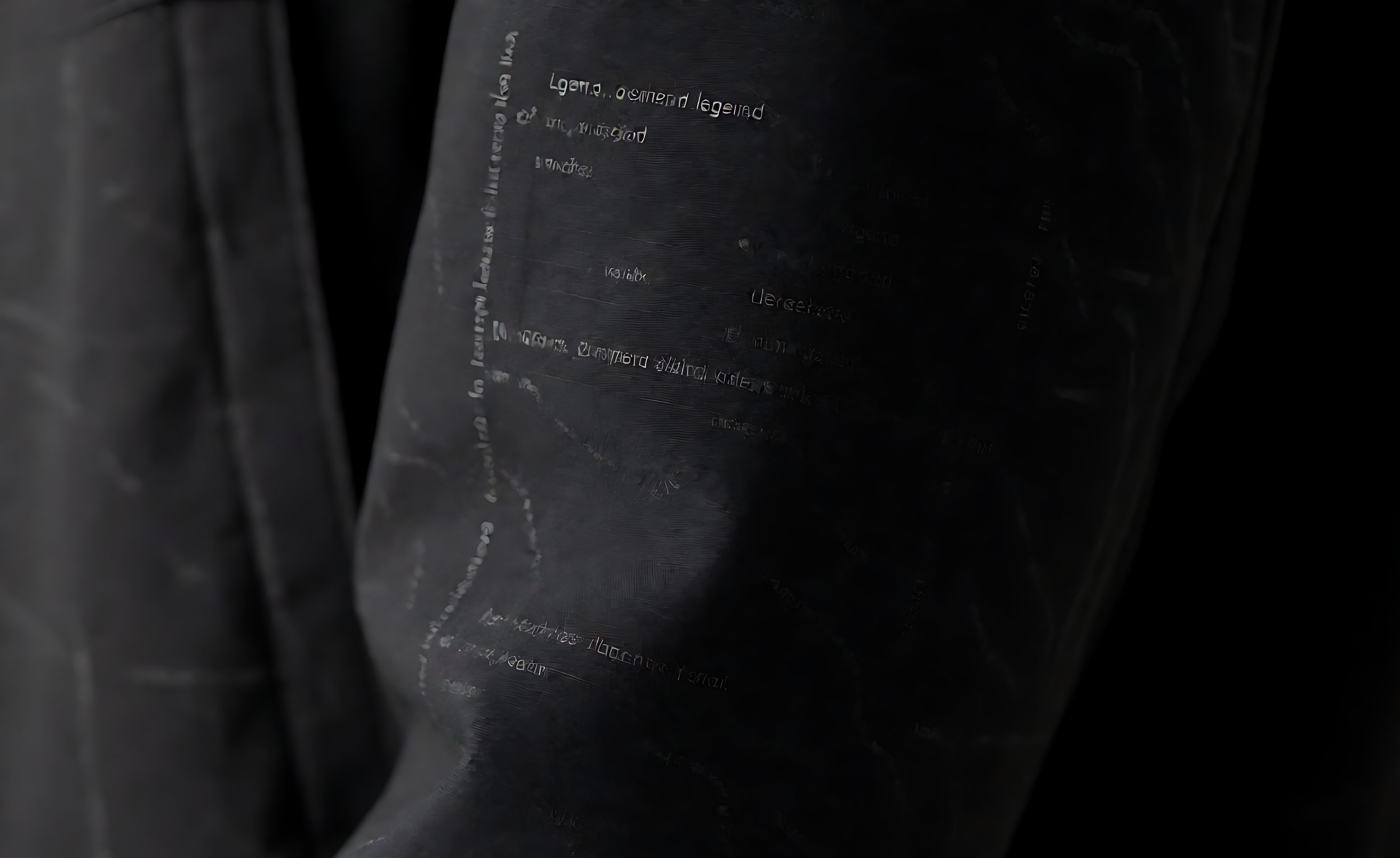
The marking on a cable is the only part of an assembly that carries its own identity into the field. When it survives, a technician can identify the part, the rating and the supplier years later. When it does not, the assembly becomes an unidentifiable object, warranty questions become unanswerable, and a fleet operator holding two visually identical cables with different ratings has a genuine safety problem.
Marking durability is therefore not cosmetic, and it is not expensive to get right. What it needs is to be specified as a performance requirement with a test method rather than as an adjective, because permanent marking means very different things to a printer, a mold shop and a buyer.
Why Marking Failure Matters
Three consequences follow from a mark that disappears. Traceability is lost, so a defect traced to a production week cannot be contained to the assemblies actually affected. Compliance evidence is lost, because the approval marks on the jacket are the visible proof that a listed construction was used. Maintenance becomes guesswork, since rating, pinout and replacement part number were all carried by the printing.
The failure is usually gradual. A mark that rubs off in a cable tray over two years, fades under a window or dissolves when a panel is cleaned fails exactly when somebody needs to read it, long after acceptance.
The Three Marking Methods
- Ink printing on the jacket, applied by pad printing or continuous inkjet during or after extrusion. Cheap and flexible, and the most variable in durability depending on ink, cure and compound.
- Hot foil or embossed marking, pressed into the jacket surface. Very durable on the right compound, limited in color and detail, and practical only on surfaces that can be pressed.
- Applied labels, including heat-shrink sleeves and wrap labels. Excellent legibility and easy to change late, but dependent on adhesive and on the label material surviving the environment.
Printing onto a jacket is a materials problem as much as a printing one. Low-energy surfaces such as some polyolefin and fluoropolymer compounds resist ink adhesion, and a mark that passes a rub test on PVC can lift off a halogen-free jacket in sheets. Pretreatment, ink chemistry and cure have to be matched to the compound, which is why the jacket material belongs in the marking specification.
What Actually Degrades a Mark
Four mechanisms account for nearly every marking failure, and they are independent of one another:
- Abrasion. Rubbing against trays, conduits, other cables or the inside of a panel during installation and service.
- Chemicals. Cleaning agents, oils, solvents and hand lotions, which dissolve the ink or attack the jacket beneath it.
- Heat. Elevated service temperature, which migrates plasticizer to the surface and carries the ink with it.
- Light. Ultraviolet exposure, which fades pigment and chalks the surface of some compounds.
A specification testing only one of these has tested the wrong thing for most applications. In-cabinet cable rarely sees sunlight and sees plenty of cleaning fluid; external cable sees the reverse.
Abrasion Testing in Practice
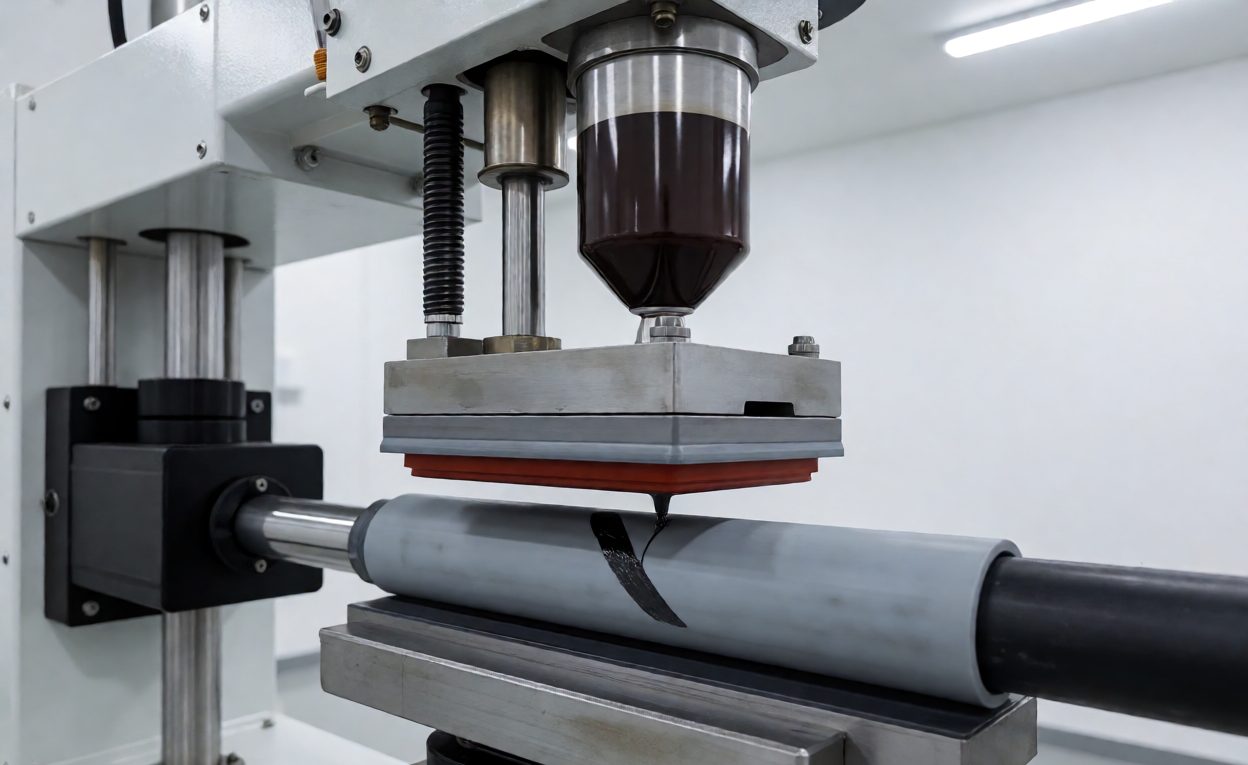
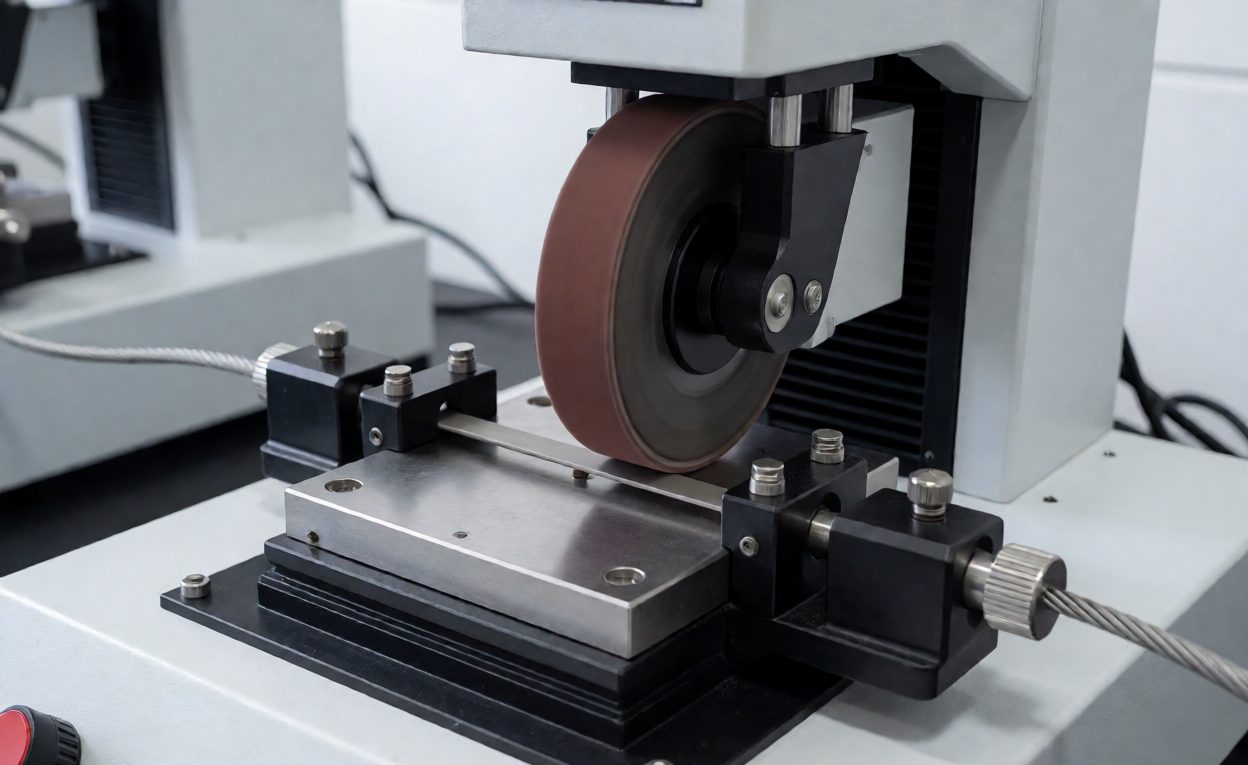
The standard approach is a reciprocating abrader: a weighted wheel or pad covered in a specified abrasive travels back and forth across the marked surface for a set number of cycles under a stated load, after which the sample is assessed for legibility. The variables that must be fixed for the result to mean anything are the abrasive medium, the load, the stroke, the cycle count and what counts as failure.
Legibility is the criterion most specifications leave undefined, and it is the one that matters. Still legible should be qualified: legible to the naked eye at a stated distance, or with no more than a stated proportion of the legend removed. Without that, a supplier can honestly report a pass on a mark the buyer would call gone.
Chemical, Heat and Light Exposure
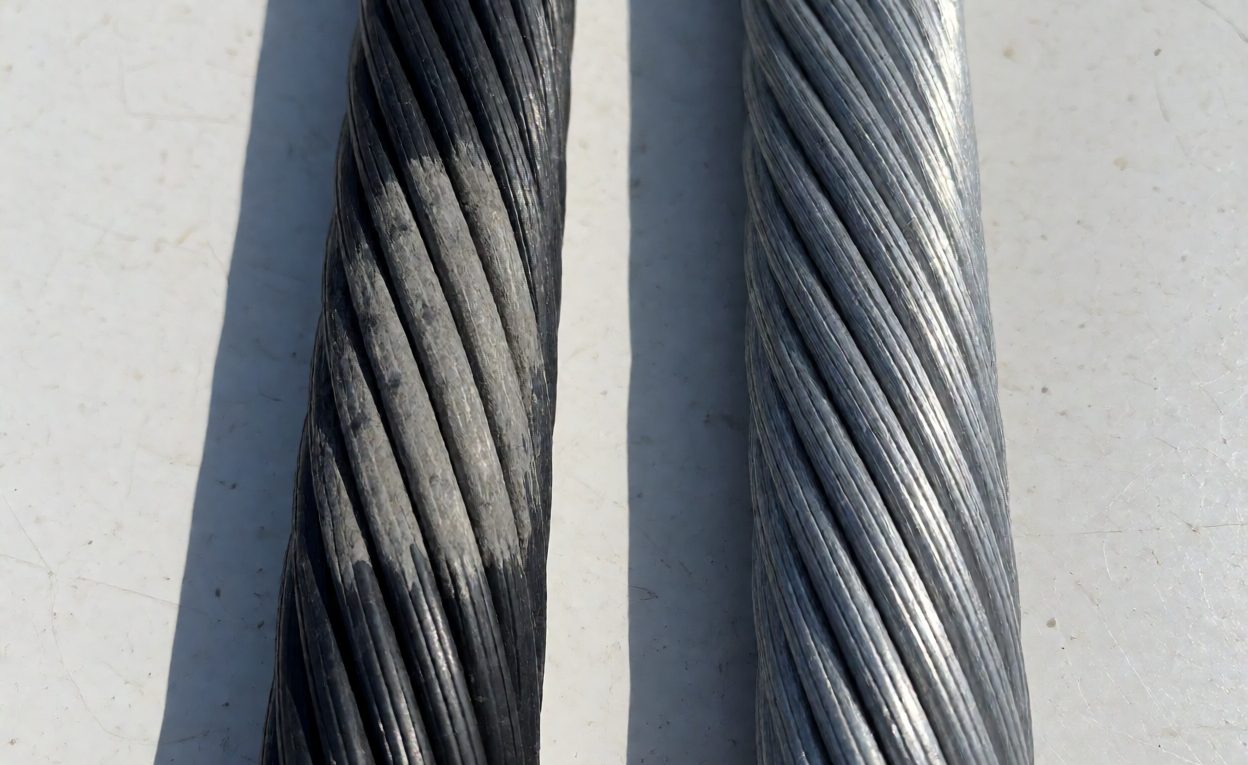
Solvent resistance is tested by rubbing the mark with a specified solvent on a cloth for a stated number of strokes, then assessing transfer and legibility. The solvent should be the one the product will actually meet, such as isopropyl alcohol or a named cleaning agent. Heat and light resistance are tested by conditioned exposure followed by the same assessment, with duration and temperature stated.
Technical Background
The wear mechanism being reproduced is abrasion, the mechanical removal of material from a surface by contact and relative motion. The printing process used for most curved jacket surfaces is pad printing, which transfers ink from an etched plate through a silicone pad. The resistance of a pigment to fading under exposure is lightfastness, a property of the ink rather than of the substrate.
Specifying a Mark That Survives
- State the method and content, including the exact legend, character height and position along the cable.
- Name the jacket compound, because ink adhesion is a property of the pairing, not of the ink alone.
- Name the test and the criterion: medium, load, cycles, and what legible means.
- Name the chemical exposures the product will meet in service.
- Require a retained sample from the production build so a later dispute can be settled against a physical reference.
Marking requirements interact with the identity choices in custom jacket colors for OEM orders and the shipment identification in cable packaging and labeling. The substrate side is covered in industrial cable jacket materials, and the evidence chain for printed approval marks in cable compliance marks for buyers.
Frequently Asked Questions
Why does cable marking rub off?
Usually the ink and jacket compound were not matched, or the mark met abrasion it was never tested against.
What is the standard abrasion test for cable marking?
A reciprocating abrader with a specified medium, load, stroke and cycle count, followed by a legibility assessment.
Is an embossed mark better than a printed one?
Generally more durable on suitable compounds, but with less contrast, less detail and fewer color options.
Why does the same ink fail on halogen-free cable?
Some halogen-free compounds have lower surface energy, so ink adhesion is poor unless the process is matched.
What solvent should be used in the rub test?
The one the product meets in service, such as isopropyl alcohol or a named cleaner, not a generic reagent.
How should legibility after testing be defined?
State the viewing distance and how much of the legend may be lost, so both sides judge the same sample alike.
Are labels acceptable instead of printing?
Yes where the label material and adhesive suit the environment, and they are easier to change late in a program.