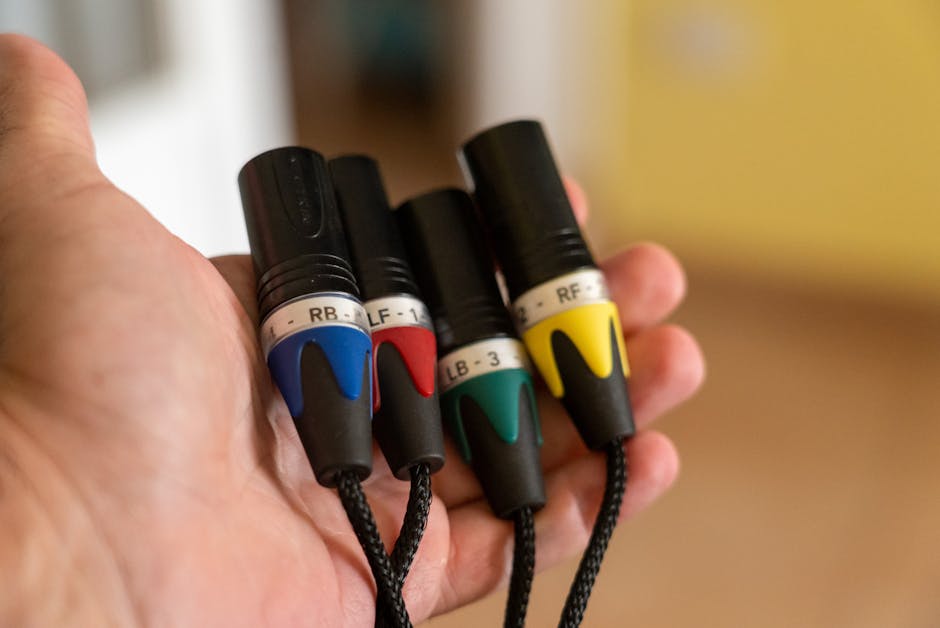
Understanding EMI Shielded Industrial Cables
EMI shielded industrial cables protect against electromagnetic interference (EMI), ensuring reliable data transmission in industrial environments. The shielding acts as a barrier to EMI generated by sources like motors, power lines, and radio-frequency interference (RFI). In industrial settings, EMI can have significant consequences, such as equipment malfunction or data corruption.
- In manufacturing plants, EMI can cause equipment malfunction or data corruption, leading to production downtime and financial losses. For example, a manufacturing plant experienced a significant production halt due to EMI-induced errors in their control system.
- In process control systems, EMI can affect control signal accuracy, resulting in inconsistent product quality or safety issues. A case study on a chemical processing plant revealed that EMI shielding improved their control signal accuracy by 30%.
- In data centers, EMI can compromise data integrity, leading to errors or data loss. A data center implemented EMI shielding and saw a significant reduction in data errors.
The shielding material, such as braided copper or foil, absorbs or reflects EMI, protecting inner conductors. Different materials offer varying protection levels, and the choice depends on the application and EMI frequency range. For instance:
- Braided copper shielding is effective against low-frequency EMI, making it suitable for applications like Servo Motor Cables for Industrial Automation: Enhancing Performance and Reliability. It’s often used in cable assemblies for heavy machinery.
- Foil shielding is more effective against high-frequency EMI, making it suitable for applications like data transmission and telecommunications. It’s commonly used in Industrial Ethernet Cables for Automation: Enhancing Efficiency and Reliability.
- Some cables use combined shielding materials, such as braided copper and foil, for enhanced protection against a wide range of EMI frequencies. These are ideal for complex industrial environments with multiple EMI sources.
When selecting EMI shielded industrial cables, consider factors like:
- The type of EMI present in the environment. For example, environments with high-power machinery may require shielding against low-frequency EMI.
- The frequency range of the EMI. Different shielding materials are effective against different frequency ranges.
- The level of protection required. Applications with critical data transmission may require higher levels of shielding.
- The cable’s operating temperature and environmental conditions. Cables used outdoors or in harsh environments need to be rated for those conditions.
- Certification and compliance with relevant industry standards. Ensure the cable meets standards such as UL or IEC.
Pre-Installation Planning
Careful planning is essential before installing EMI shielded industrial cables. This involves:
- Avoiding areas with high EMI sources, such as near motors or high-voltage power lines. Route cables through areas with minimal electromagnetic radiation.
- Keeping cables away from power lines and other interference sources. Use cable trays or conduits to protect cables from physical damage and EMI.
- Using cable management systems, including cable ties, clamps, and labeling, to keep cables organized and secure.
- Considering the cable’s bend radius and avoiding sharp bends. Sharp bends can damage the cable and compromise its shielding.
- Planning for cable routing and management. This includes considering the length of cables needed and the most efficient routing paths.
| Cable Type | Shielding Material | Frequency Range | Application |
|---|---|---|---|
| Industrial Automation | Braided Copper | Low-Frequency | Control systems, machinery |
| Data Transmission | Foil | High-Frequency | Ethernet, telecommunications |
| Hybrid | Combined | Wide Frequency Range | Complex industrial environments |
To ensure optimal performance, it’s also important to:
- Consult the manufacturer’s guidelines for specific installation requirements. Different cables may have unique installation needs.
- Verify the cable’s compatibility with the intended application. Ensure the cable is rated for the environment and application.
- Check the cable’s certification and compliance with relevant industry standards. This ensures the cable meets necessary safety and performance standards.
- Plan for future expansions or changes. Consider the scalability of the cable system and potential future needs.
Installation Best Practices
To ensure optimal performance, follow these best practices during installation:
- Maintain proper grounding to prevent EMI leakage. Grounding is critical for the effectiveness of EMI shielding.
- Use correct cable termination techniques to minimize signal loss. Proper termination ensures the integrity of the signal.
- Avoid bending or twisting cables excessively. This can damage the cable and compromise its shielding.
- Keep cables away from potential physical damage sources. Use protective coverings or routing to safeguard cables.
- Use cable ties or clamps to secure cables. This prevents cables from becoming loose or damaged.
- Label cables clearly to facilitate identification and maintenance. Clear labeling is essential for efficient maintenance and troubleshooting.
When terminating EMI shielded industrial cables, follow these steps:
- Strip the cable jacket and shielding material carefully. Avoid damaging the inner conductors or shielding.
- Use a suitable termination method, such as soldering or crimping. The method used should be appropriate for the cable type and application.
- Ensure the termination is secure and meets the manufacturer’s guidelines. A secure termination is crucial for maintaining signal integrity.
- Inspect the termination for any signs of damage or defects. Verify that the termination is properly shielded.
Ensuring Reliable Data Transmission
Reliable data transmission is critical in industrial automation. Ensure:
- Cables are properly shielded and grounded. This is fundamental for protecting against EMI.
- Installation follows manufacturer’s guidelines. Adhering to guidelines ensures that the cable is installed correctly.
- Regular maintenance checks for wear or damage. Regular inspections can identify potential issues before they cause problems.
- Cables are inspected regularly for degradation or damage. This includes checking for signs of physical wear or environmental damage.
- The system is tested regularly to ensure correct functioning. Testing verifies that the cable and overall system are operating as expected.
To troubleshoot common issues with EMI shielded industrial cables:
- Check for signs of physical damage or wear. Inspect cables for any visible damage or degradation.
- Verify the cable’s grounding and shielding integrity. Ensure that the grounding and shielding are intact and functioning correctly.
- Test the cable’s signal quality and integrity. Use appropriate testing equipment to verify signal quality.
- Consult the manufacturer’s guidelines for troubleshooting and repair. The manufacturer may provide specific guidance for addressing common issues.
- Consider environmental factors that may be affecting cable performance. Factors such as temperature, moisture, or exposure to chemicals can impact cable performance.
Frequently Asked Questions (FAQs)
Common questions about EMI shielded industrial cables:
- Q: What is the difference between EMI and RFI shielding?
- A: EMI shielding protects against electromagnetic interference, while RFI shielding protects against radio-frequency interference. Both are crucial for ensuring reliable data transmission.
- Q: How do I determine the correct EMI shielding type?
- A: The type depends on the application, frequency range, power levels, and environmental conditions. Consider these factors when selecting a cable, as discussed in Cable Selection for Industrial Automation Systems: Key Considerations and Best Practices.
- Q: Can I use EMI shielded industrial cables in outdoor environments?
- A: Yes, but ensure the cable is rated for outdoor use and can withstand the environmental conditions. Outdoor cables need to be resistant to weather and environmental stressors.
- Q: How often should I inspect EMI shielded industrial cables?
- A: Regularly, as part of a maintenance schedule, to ensure optimal performance and detect potential issues. The frequency of inspection depends on the environment and application.
- Q: What are the benefits of using EMI shielded industrial cables?
- A: Benefits include improved data integrity, reduced equipment malfunction, and enhanced overall system reliability.
Conclusion
Installing EMI shielded industrial cables requires careful planning and adherence to best practices. By following these guidelines, you can ensure reliable data transmission and enhance industrial automation efficiency. Regular maintenance and inspection are also crucial to ensure optimal performance and detect potential issues. By understanding the importance of EMI shielding and implementing it correctly, industries can improve their operational reliability and efficiency.