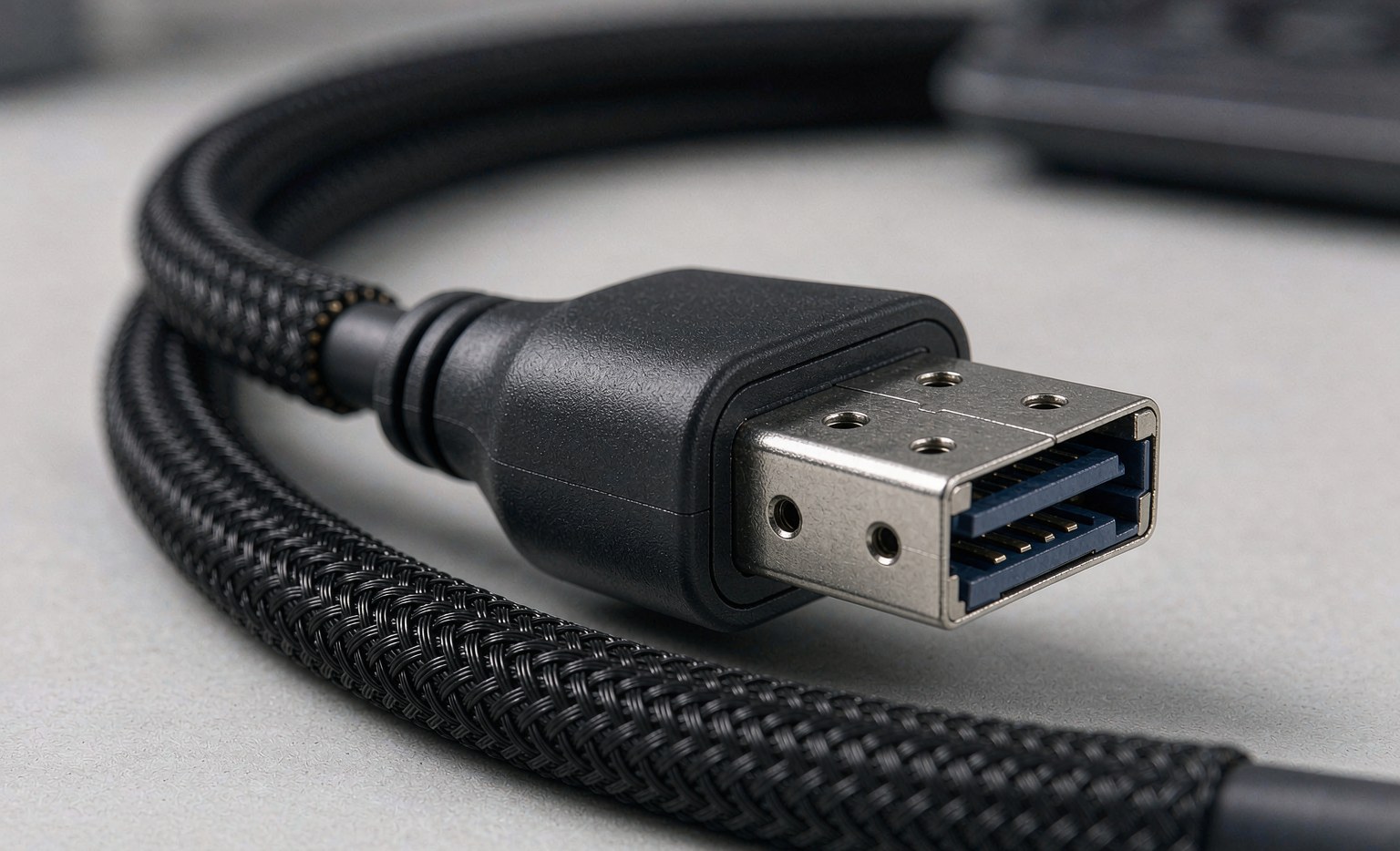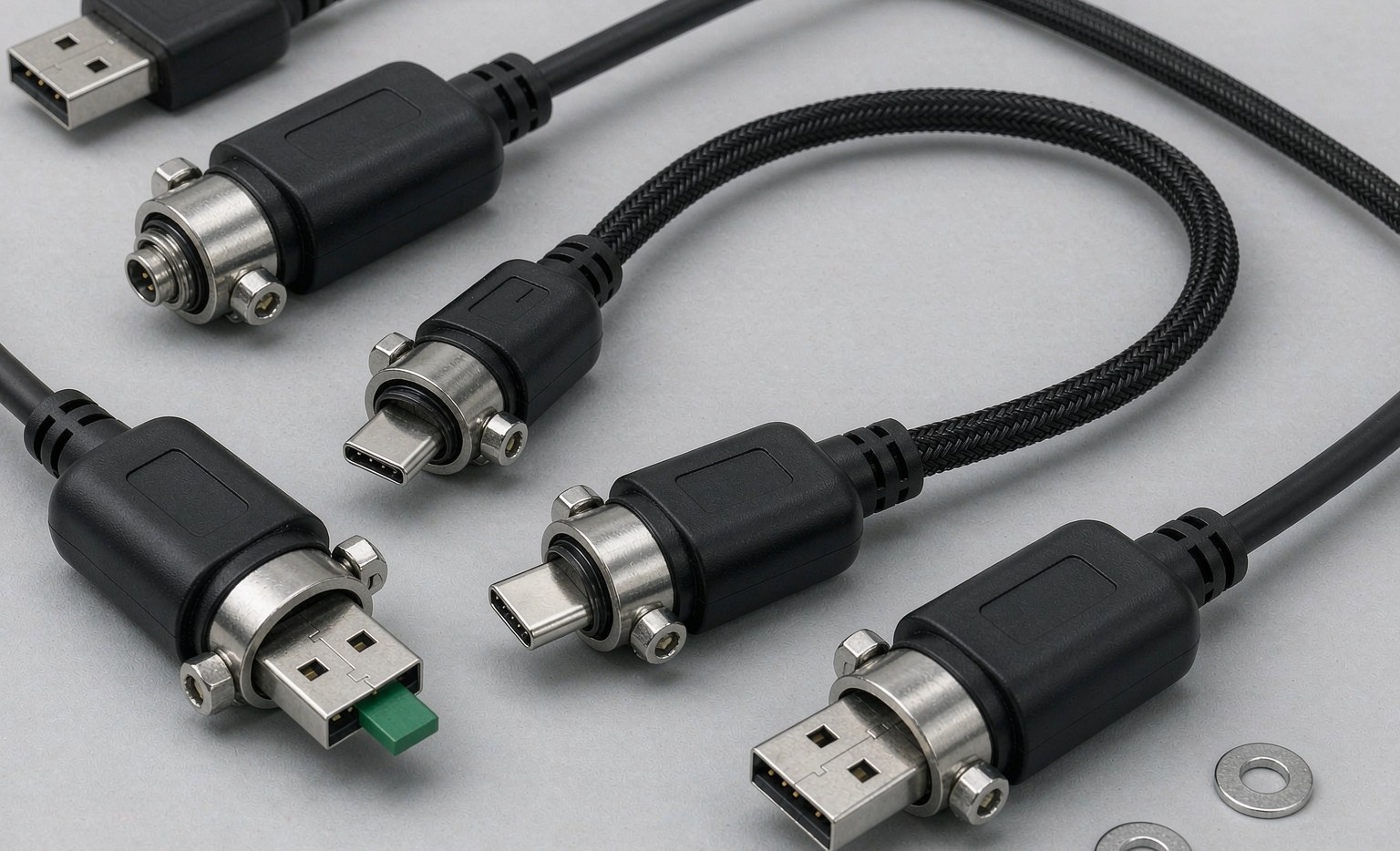
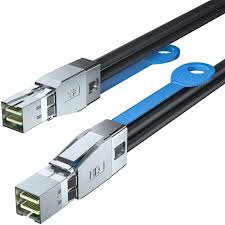
In the high-stakes world of data centers and enterprise servers, the speed at which data moves is just as important as how much data can be stored. While consumer PCs rely on standard SATA cables, professional storage systems require something more robust, faster, and denser. This is the domain of the MiniSAS cable.
Serial Attached SCSI (SAS) technology has been the backbone of enterprise storage for decades. The “Mini” iteration was developed to meet the growing need for higher port density on raid cards and backplanes. At Longkai Electronics, established in 2012, we have specialized in manufacturing these critical data lifelines for over a decade. From connecting massive storage arrays to integrating high-speed industrial servers, our expertise ensures that your data flows without interruption.
Understanding the Basics: What is MiniSAS?
A MiniSAS cable is a high-speed data cable used primarily to connect storage devices (like hard drives and SSDs) to the motherboard or a RAID controller card. Unlike standard cables that connect one drive at a time, a single MiniSAS cable can support up to four data lanes (channels) simultaneously.
This “multilane” architecture allows for:
- Reduced Cable Clutter: One cable replaces four individual SATA cables, improving airflow inside server chassis.
- High Bandwidth: Supporting speeds from 6Gbps up to 12Gbps and beyond depending on the generation.
- Versatility: They can connect SAS drives and SATA drives depending on the controller.
The Evolution: MiniSAS vs. MiniSAS HD
When selecting a cable, confusion often arises between “Standard” MiniSAS and “High Density” (HD) MiniSAS. Understanding the difference is vital for hardware compatibility.
1. Standard MiniSAS (SFF-8087 & SFF-8088)
This was the industry standard for SAS 2.0 (6Gbps).
• Internal (SFF-8087): A wide, 36-pin connector used inside the server box. It typically features a locking latch to prevent vibration from dislodging it.
• External (SFF-8088): A robust, shielded connector used to connect a server to an external JBOD (Just a Bunch of Disks) enclosure.
You can explore our range of Internal MiniSAS Cables to find solutions for legacy and current 6G systems.
2. MiniSAS HD (SFF-8643 & SFF-8644)
As data demands grew, the industry moved to SAS 3.0 (12Gbps). This required a new, smaller, and faster connector: High Density (HD).
• Internal HD (SFF-8643): Smaller than the SFF-8087, allowing more ports to fit on a RAID card. It utilizes a square-shaped connector body.
• External HD (SFF-8644): The standard for modern external storage arrays, supporting high-speed data transfer over longer distances.
For modern high-performance servers, browse our MiniSAS HD Cable solutions.
Internal vs. External Connectivity
The environment dictates the cable construction.
Internal Cables:
These are designed for flexibility. They must route through tight spaces within a server chassis without blocking airflow to the CPU or heat sinks. Our Internal Cable lineup focuses on flexible flat ribbon designs or woven mesh round cables to optimize space.
External Cables:
Once a cable leaves the metal chassis, it is exposed to electromagnetic interference (EMI) and physical stress. External MiniSAS cables feature heavy-duty shielding and robust zinc-alloy connector housings to ensure signal integrity. If you are connecting rack units, check our External MiniSAS HD Cables.
Beyond SAS: SlimSAS and Oculink
As server technology evolves towards PCIe Gen 4 and Gen 5, traditional SAS connectors are being supplemented by even faster interfaces.
- SlimSAS: A highly compact connector used for internal connections in ultra-dense servers. See our SlimSAS options.
- Oculink: Originally designed for external PCIe, this is becoming popular for connecting NVMe drives. Learn more in our Oculink Cable category.
Why Manufacturing Quality is Critical for SAS Cables
In a data center, a single cable failure can degrade a RAID array or disconnect a backup drive. The margin for error is zero.
Signal Integrity and Shielding
High-frequency signals (12Gbps+) are susceptible to crosstalk. At Longkai Electronics, we utilize high-grade copper and precise impedance matching. Our manufacturing process, certified by ISO9001 and ISO14001, ensures that every packet of data arrives intact.
Durability and Locking Mechanisms
Industrial servers vibrate. A loose cable causes intermittent errors. Our MiniSAS cables feature precision-engineered stainless steel locking latches that click securely into place, ensuring a physical bond as strong as the data link.
Longkai Electronics: Your Partner in Connectivity
Why choose Longkai? Since 2012, we have been more than just a manufacturer; we are an innovation partner. With a focus on R&D and a client list that includes industry giants like Samsung and LG, we understand the rigorous demands of the global market.
Whether you need a standard SFF-8087 to 4x SATA breakout cable or a custom-length SFF-8644 external assembly, our “Quality First, Integrity-Based” approach guarantees satisfaction. Our products carry CE and FCC certifications, ensuring they meet global safety and emission standards.
Conclusion
The MiniSAS cable is the unsung hero of the digital age. It enables the cloud storage, enterprise databases, and AI processing powers we rely on daily. Whether you need the legacy reliability of standard MiniSAS or the blazing speed of MiniSAS HD, choosing the right cable is paramount.
Don’t compromise your server’s performance with sub-par wiring. Explore the professional-grade Communication Cable solutions at Longkai Electronics today and build a network infrastructure that lasts.