In the world of digital displays, connecting a source to a screen requires the right interface. You may have heard of HDMI, but for high-performance computing, the standard is often different. So, what is a DP cable?
A DP cable, or DisplayPort cable, is a digital audio and video interface. It was designed by the Video Electronics Standards Association (VESA). Its primary use is connecting a video source, like a computer graphics card, to a display device, such as a monitor. Unlike older analog cables, DisplayPort transmits data in “packets,” similar to how the internet works.
At Longkai Electronics, we have specialized in manufacturing high-quality data cables since 2012. From industrial automation to consumer electronics, we understand that the quality of your connection matters. This guide will explore everything you need to know about DisplayPort technology.
The Core Functions of a DisplayPort Cable
DisplayPort is designed to replace older standards like VGA and DVI. However, it also competes directly with HDMI. Why do professionals and gamers prefer DP cables? The answer lies in bandwidth and versatility.
- High Bandwidth: DP cables can carry massive amounts of data. This allows for higher resolutions (up to 16K) and faster refresh rates.
- Multi-Stream Transport (MST): A single DP connection can drive multiple monitors. You can “daisy chain” displays, reducing cable clutter.
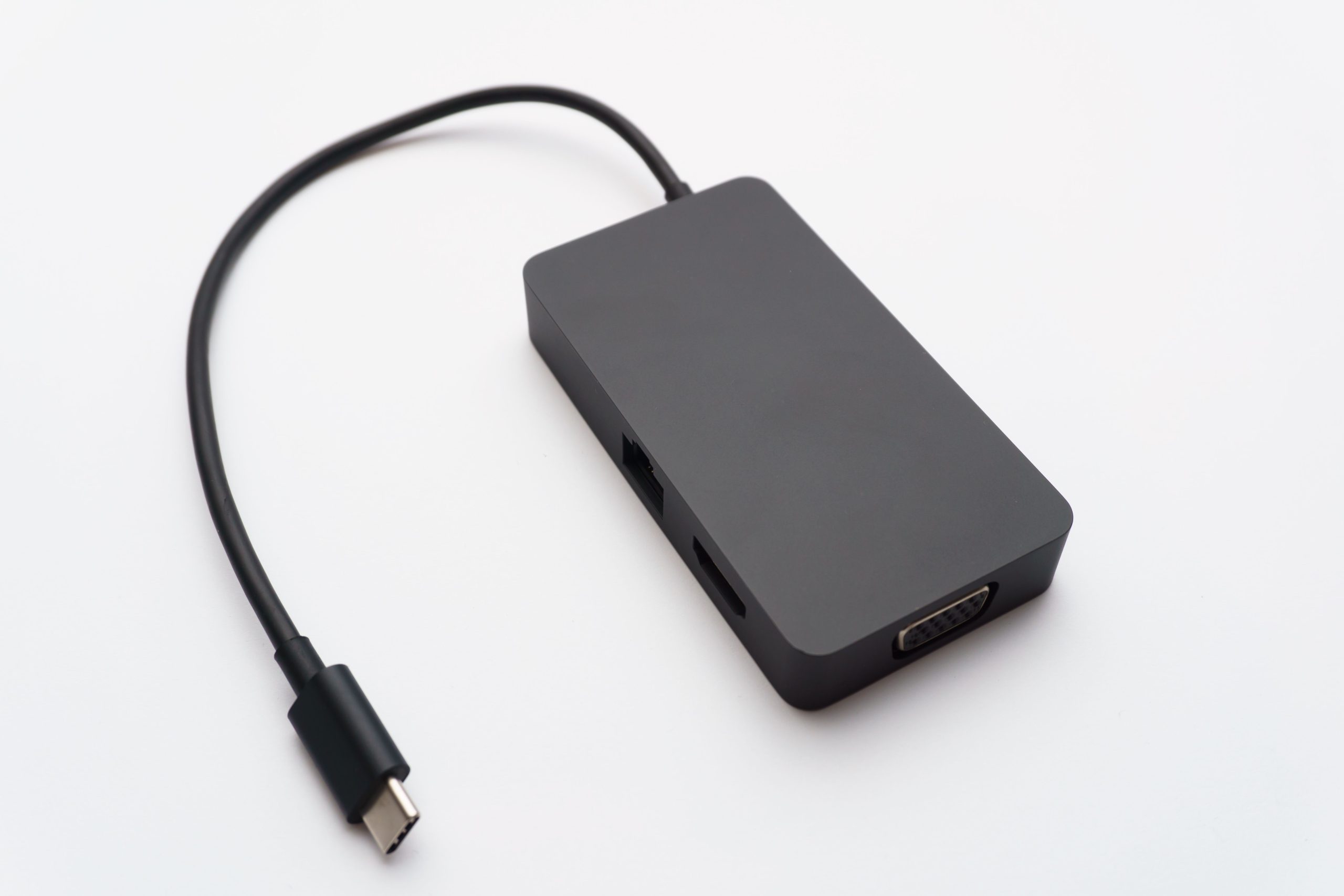
- Backward Compatibility: With simple adapters, DisplayPort can output to HDMI, DVI, or VGA displays.
DisplayPort vs. HDMI: What Is the Difference?
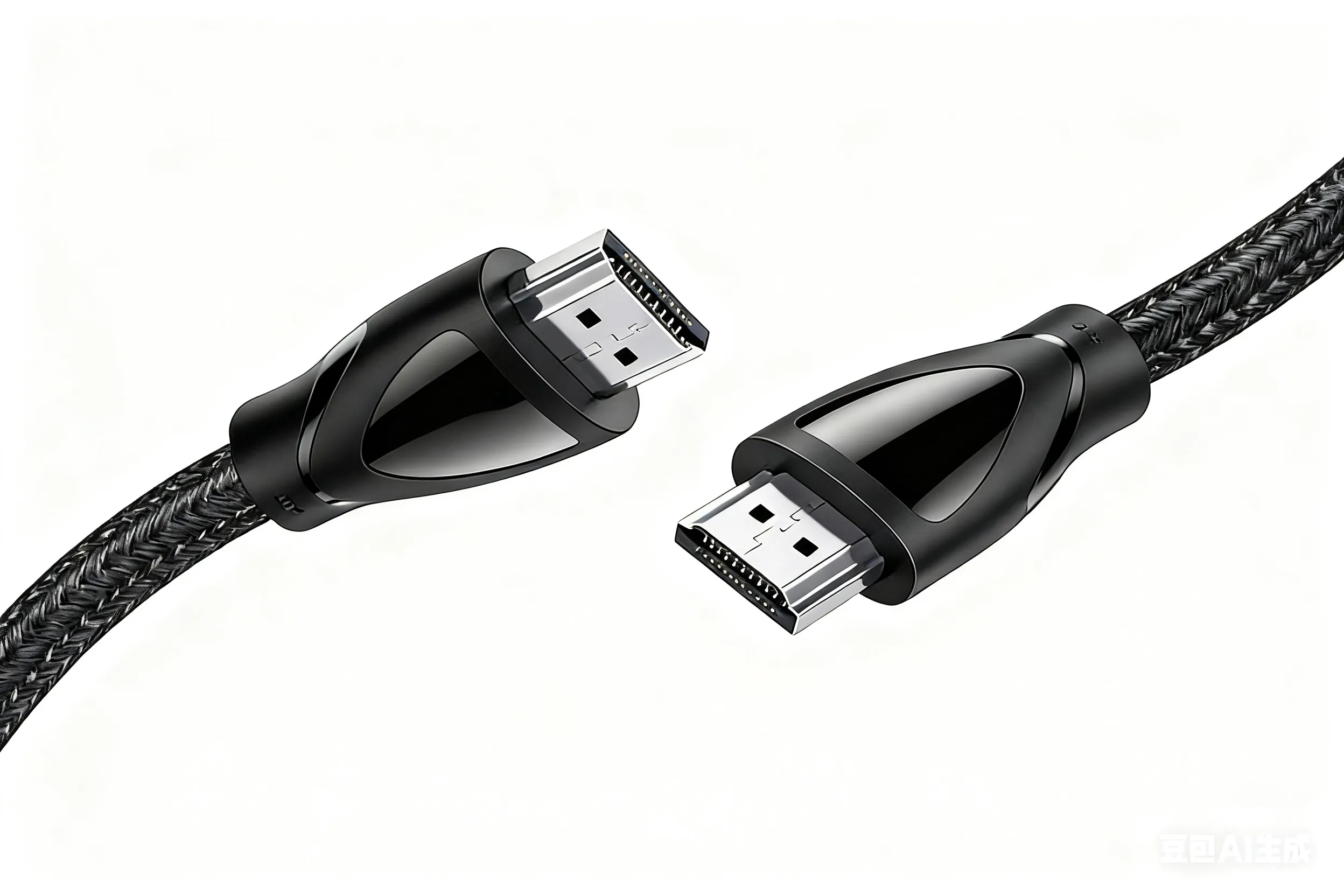
When asking “what is a DP cable,” the next question is usually how it differs from HDMI. Both send high-definition video and audio. However, they serve different markets.
1. Target Audience
HDMI is found on almost every TV and consumer device. DisplayPort is the standard for PC gaming, video editing, and industrial computing.
2. Locking Mechanism
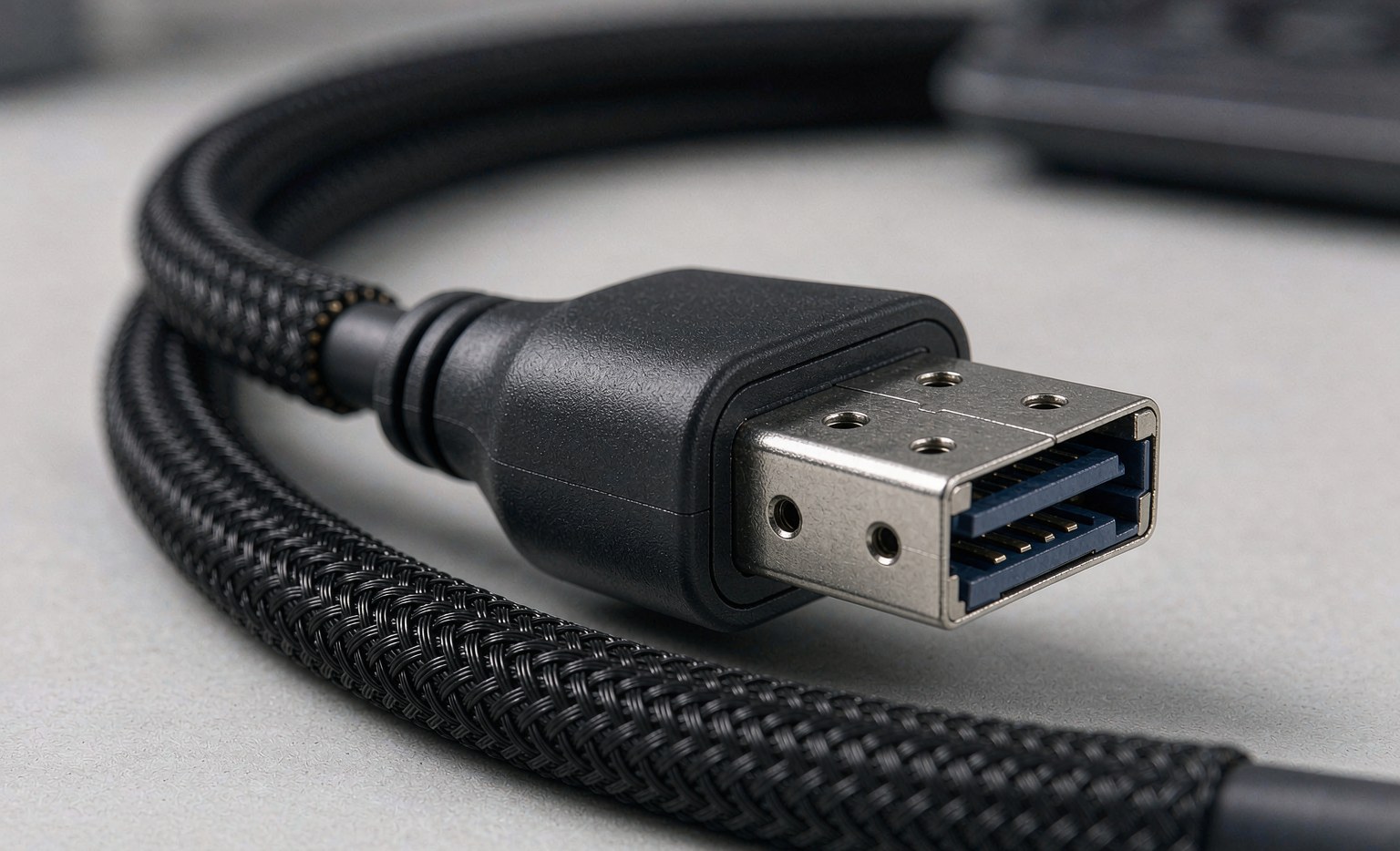
One distinct physical feature of a full-sized DP connector is the locking mechanism. The cable has small hooks that lock into the port. You must press a button on the connector to release it. This prevents accidental disconnections, which is vital in industrial environments.
3. Refresh Rates
For gamers, DisplayPort is often superior. It supports higher refresh rates at high resolutions compared to many standard HDMI versions. For example, to run a 4K monitor at 144Hz, a modern DP cable is often the best choice.
Types of DisplayPort Cables and Connectors
Not all DisplayPort cables are the same. Understanding the variations helps you choose the right product for your equipment.
Connector Shapes
- Standard DisplayPort: The most common size. It is roughly the size of a USB connector but with one slanted corner.
- Mini DisplayPort (Mini DP): A smaller version often found on older laptops and some surface tablets. It offers the same performance in a smaller package.
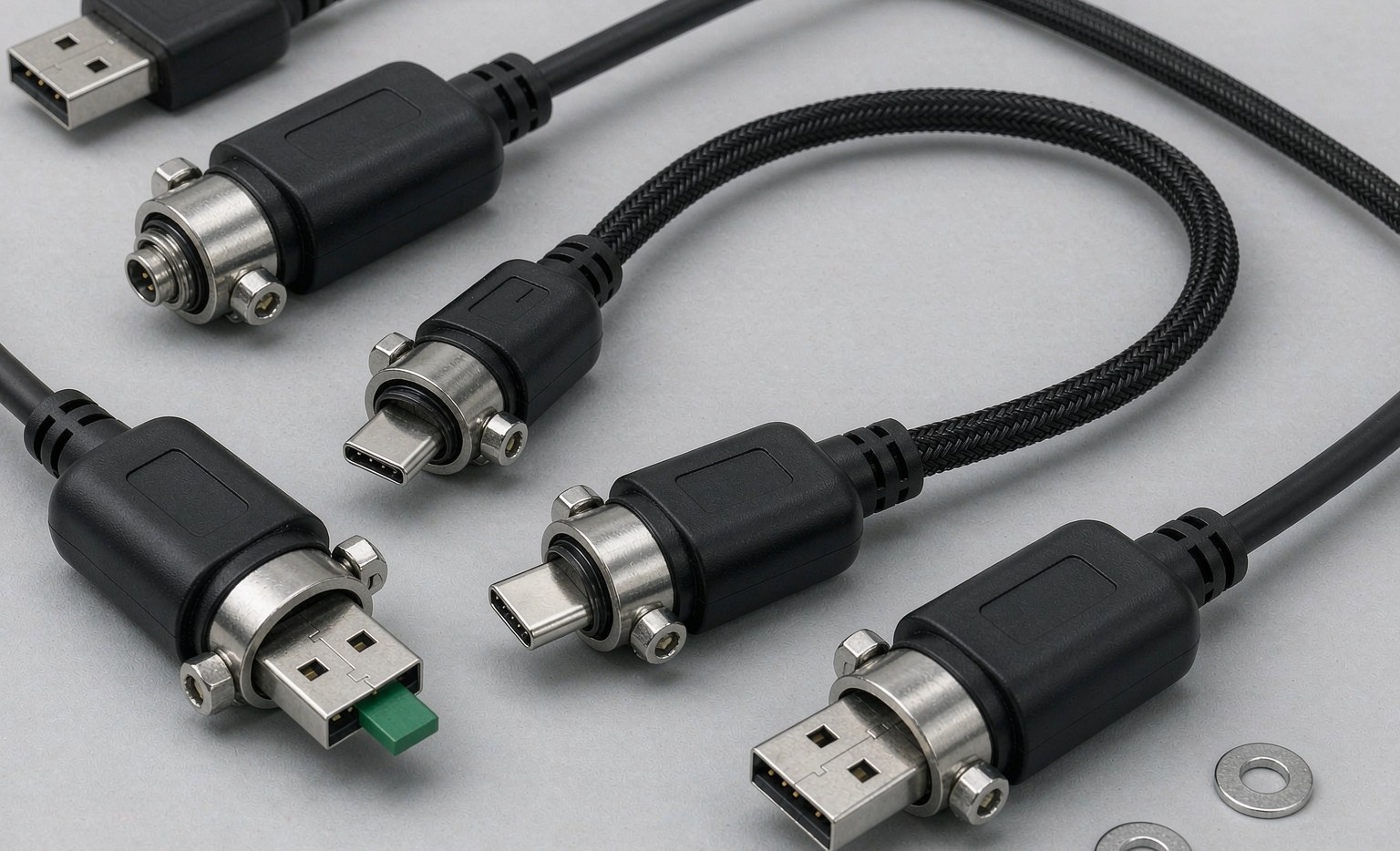
- USB-C (DP Alt Mode): Many modern devices use the USB-C port to send DisplayPort signals. This is common in the latest laptops and monitors.
Cable Versions
VESA updates the standard regularly to increase speed. At Longkai Electronics, we stay updated with these technologies to ensure our cable assembly solutions meet modern needs.
- DP 1.2: Supports 4K at 60Hz. Standard for basic office work.
- DP 1.4: Supports 8K at 60Hz or 4K at 120Hz. Ideal for high-end gaming.
- DP 2.0 / 2.1: The newest standard. It supports up to 16K resolution and massive bandwidth speeds of up to 80 Gbps.

Active vs. Passive DP Cables
Cable length affects signal quality. For short distances (under 2 meters), a passive cable works perfectly. It sends the signal directly from the source to the sink.
However, if you need a longer run, the signal degrades. In this case, you need an active cable. Active cables contain a small chip that boosts the signal. This ensures you do not lose picture quality over long distances.
Why Quality Manufacturing Matters
A poor-quality cable can cause screen flickering, artifacts, or total signal loss. This is especially true for high-bandwidth data transfers.
Established in 2012, Longkai Electronics adheres to a “Quality First” philosophy. Our manufacturing process integrates R&D and rigorous testing. We hold ISO9001, ISO14001, CE, and FCC certifications. Whether you need a standard DisplayPort cable or a complex industrial solution, our products guarantee stability.
We serve clients across North America and East Asia, partnering with over 100 well-known brands. Our experience ensures that when you connect a Longkai cable, it works flawlessly.
Conclusion
So, what is a DP cable? It is the powerhouse connector for modern computing. It offers superior bandwidth, multi-monitor support, and a secure locking connection.
If you require high-performance visuals for gaming, medical imaging, or industrial automation, DisplayPort is the superior choice. Always ensure you select a cable that matches the version of your hardware.
For reliable, certified connectivity solutions, trust Longkai Electronics. Explore our range of DisplayPort cables and other connection solutions today to experience the difference quality manufacturing makes.