
Quick answer: A useful USB-C cable OEM brief states the device connection, connector ends, required data and power behavior, cable length, construction, environment, markings and verification scope. USB-C describes a connector family and does not by itself define every capability, so buyers should tie each requested feature to the intended application and test evidence.
1. Describe the application and the devices
Name the source and destination devices, how the cable will be used and what the user expects it to do. Include whether the connection is for charging, data transfer, display, service or another defined purpose. List the host and peripheral interfaces and any known constraints from the device maker. Do not assume that a USB-C connector alone guarantees a particular data rate, power behavior or display function. The buyer should provide device documentation or a system requirement and ask the supplier to confirm which parts of it the cable must support. This keeps a quote focused on the actual application instead of a generic connector label.
2. Specify each connector end and orientation
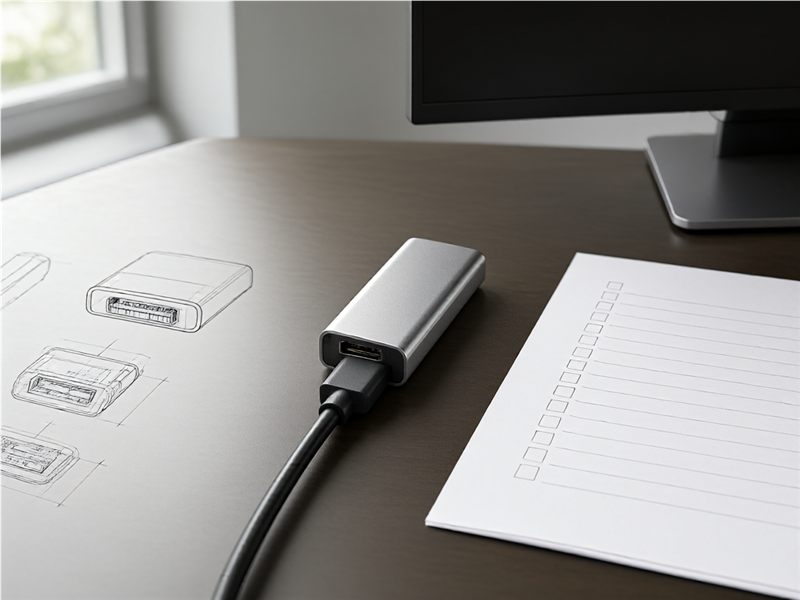
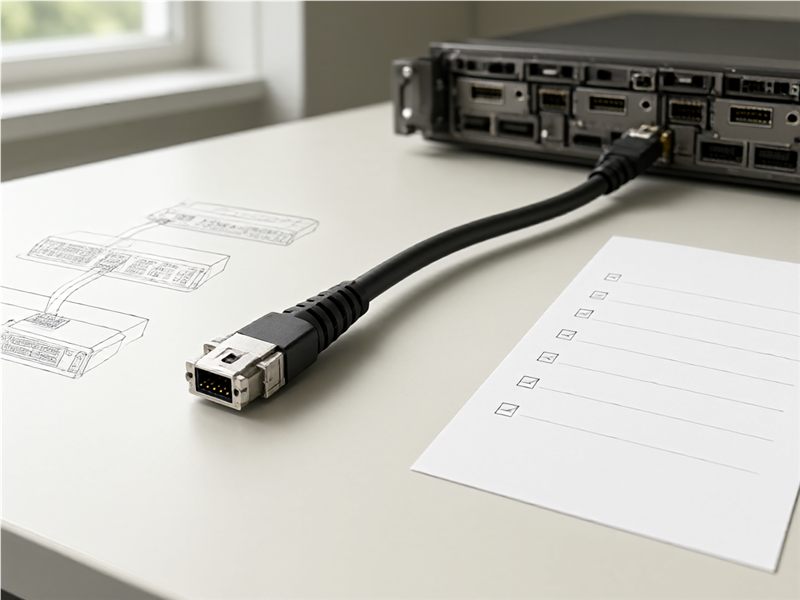
Identify connector type at both ends, orientation requirements, overmold or housing references, color and any mechanical constraints. If one end differs from the other, show the cable direction and label the source and sink sides where relevant. Attach connector drawings or approved samples and state whether the connector needs to fit a recessed port, case opening or adjacent connector. Similar connector names can conceal differences in shell, pin configuration or mechanical envelope, so confirm the exact part and revision. Review the assembled cable with the intended device when possible to verify access and fit.
3. Separate data and power requirements
State the required data function and power behavior for the system, using the device specification and applicable USB documents as the basis. Identify the required operating mode and any protocol, current or voltage expectations the product owner has confirmed. Ask the supplier to explain how the cable construction and any required electronics support that behavior. Do not publish a performance claim from a connector shape or an unverified catalogue description. If the product requires a specific compatibility or identification feature, make it explicit and ask what test confirms it. Keep the electrical requirement and the marketing description aligned to evidence for the exact cable.
4. Freeze length, construction and markings
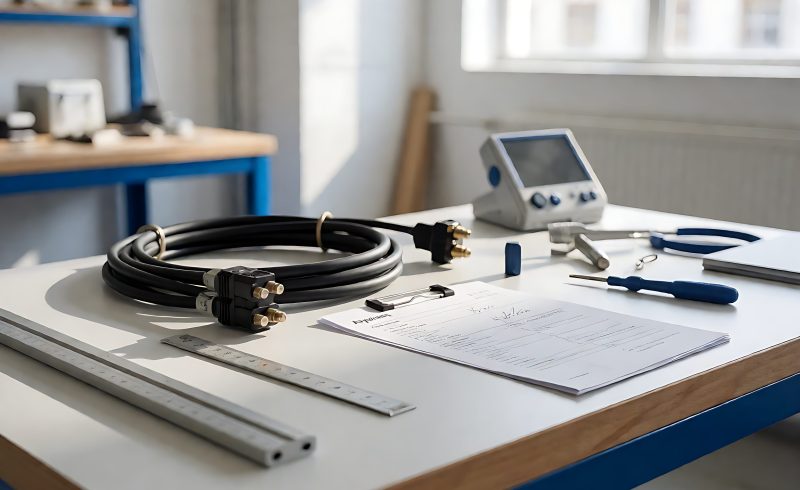
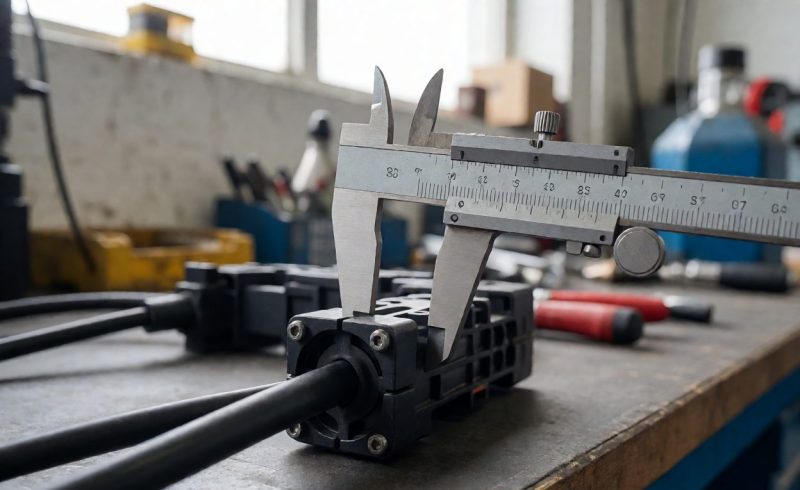
Specify finished length, conductor or wire construction where controlled, shielding, jacket, strain relief, color, overmold, markings and packaging. State measurement points for cable length and identify whether it includes the connector bodies. If a drawing exists, label its revision and connect it to the sample. Confirm which markings are mandatory, which are buyer artwork and which are optional. Ask how a substitute material or component would be reviewed before it enters production. A controlled construction table gives procurement and engineering a way to compare offers and makes a later replacement easier to match to the approved cable.
5. Describe routing, flex and environmental conditions
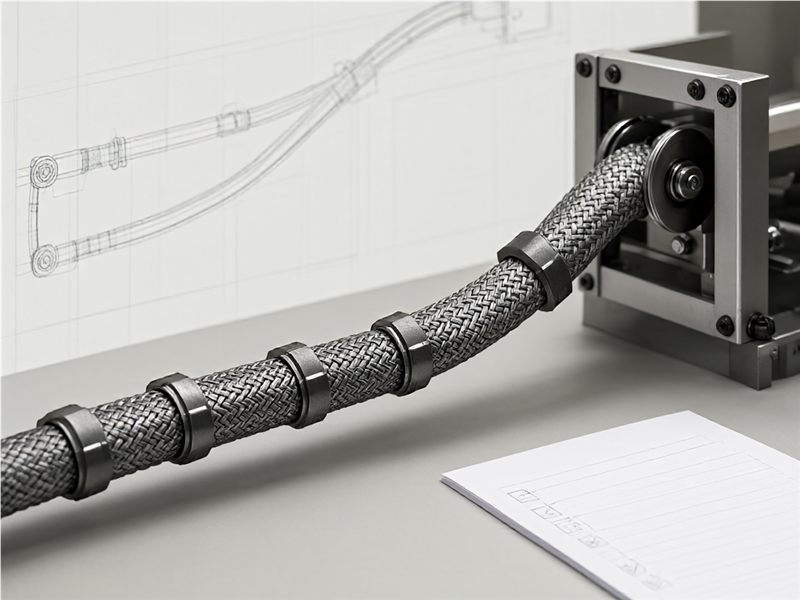
Show the cable route and explain whether it remains stationary, moves during use, is repeatedly bent or passes through a tight space. Identify any exposure to abrasion, heat, moisture, cleaning agents or electromagnetic noise that matters to the application. Provide the intended bend area or fixture constraints if known, and ask the supplier what evidence is available for the proposed construction. Do not assume a cable for a desk accessory will behave the same in a moving installation. Test samples in the intended device and route, and record conditions so that results can be interpreted later.
6. Define electrical and mechanical verification
Create a test matrix that states the required electrical checks, connector mapping, functional test, mechanical review and visual criteria. The exact scope should come from the application owner and relevant product requirements. Specify sample quantity, test conditions, reporting format and who approves a result. Ask the supplier to identify any test that is not included in the quotation. If a test report refers to a standard or certification, confirm the current requirement and whether it applies to this exact cable assembly. Keep the approved sample and test report tied to the construction and revision released for production.
7. Coordinate labels, package and compliance documentation
List the brand artwork, barcode, cable length description, model code, language and packaging requirement for each market. If the cable is bundled with another product, identify what the customer-facing package promises and which components are actually included. Ask the importer or qualified compliance adviser to confirm applicable market documents and labels. Do not use a broad compliance or charging claim without supporting evidence. Review the physical package with the finished cable and verify that the product information matches the approved sample. The documentation set should identify the cable revision and any market-specific variant.
8. Approve samples with a documented comparison
Use the same checklist for every sample: connectors, fit, length, markings, construction, route, functional behavior, test results and package. Run the cable with the intended source and destination devices and record any limitation or compatibility issue. Photograph the sample and note its date, supplier code and revision. If a sample is modified, list what changed and repeat affected checks. A signed approval should identify what was tested and which claims may be used in sales material. Do not treat a sample photograph or an informal demonstration as complete proof of compatibility with every device.
9. Prepare a complete quote package
Send the application diagram, device details, connector specification, data and power requirement, construction, length, route, test matrix, artwork and expected order information. Ask the supplier to list assumptions, exclusions, requested samples and evidence that will be delivered. For product options, review Longkai USB-C cable products and state exactly what the target devices and use case require. This gives the manufacturer enough detail to propose a cable and lets the buyer compare offers on the same basis.
For buyers comparing available product and supplier options, see Longkai USB-C cable products.
Questions buyers often ask
Does USB-C alone tell me the cable’s data speed or charging capability?
No. The connector shape does not define every cable function. State the required behavior and verify it against the device and cable specifications.
What should I send for a USB-C cable OEM quote?
Provide device and application details, connector ends, data and power requirements, length, construction, routing, markings, packaging and verification criteria.
Should the cable be tested with my device?
Yes, when compatibility with a specific device is part of the requirement. Record the device model, software or configuration, cable revision and observed behavior.
What should be controlled after sample approval?
Keep the connector, construction, length, artwork, test scope and sample revision together. Review substitutions or design changes before production.