Introduction: The Unseen Hero of High-Resolution Displays
In the world of video connectivity, several standards compete for dominance on the back of our computers and monitors. While HDMI is ubiquitous in home theaters and the versatile Type C-Cable has become a do-it-all wonder, DisplayPort has carved out an indispensable role as the professional’s choice for high-performance computing. It is the unseen hero behind the ultra-high refresh rates demanded by competitive gamers and the multi-monitor setups essential for financial traders and content creators. More than just another monitor cable, DisplayPort is a robust and feature-rich standard engineered specifically for the computer display interface.
Unlike other standards that were adapted for PC use, DisplayPort was designed from the ground up by the Video Electronics Standards Association (VESA) with the computer ecosystem in mind. This focused design has endowed it with unique capabilities that are often misunderstood or overlooked. From its ability to drive multiple displays from a single port to its incredible bandwidth for next-generation 8K and 16K resolutions, DisplayPort is a forward-thinking technology that continues to push the boundaries of visual performance.
This guide will explore the core technology of DisplayPort, trace its evolution through its different versions, and explain the key features that set it apart. By understanding what makes a DisplayPort Cable a superior choice for many professional and enthusiast applications, you will be better equipped to select the right connectivity solution and appreciate the critical role that high-quality manufacturing, a hallmark of Longkai Electronics, plays in delivering a flawless visual experience.
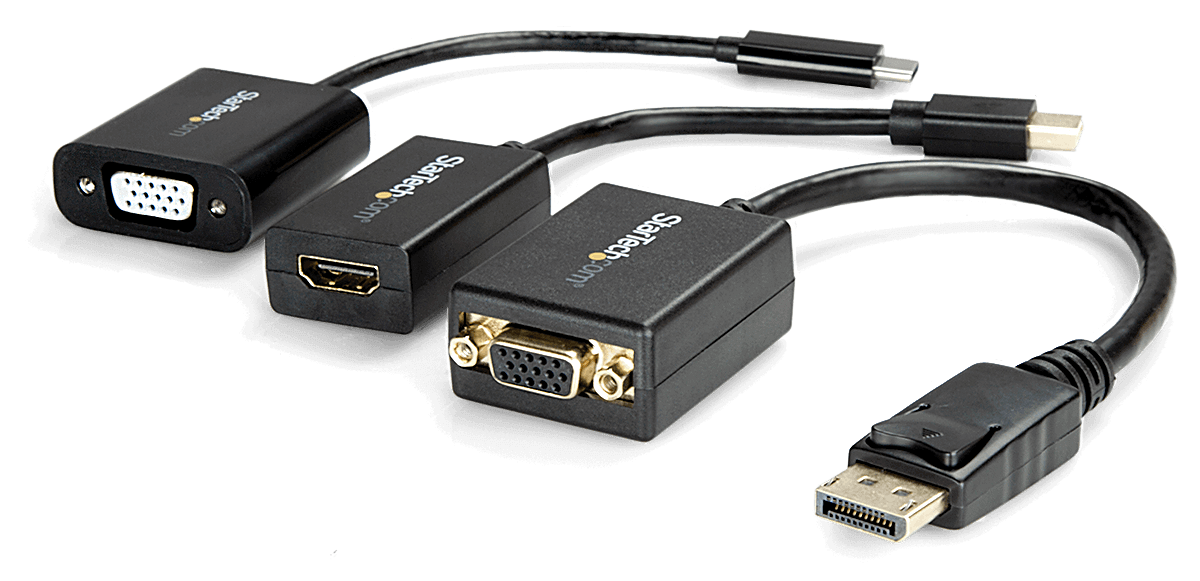
The Core Features That Define DisplayPort
DisplayPort’s strength lies not just in its raw bandwidth but in a set of unique features that provide unparalleled flexibility and efficiency for computer-based applications. These are the capabilities that distinguish it from other video standards.
- Multi-Stream Transport (MST): Perhaps DisplayPort’s most significant advantage, MST allows a single DisplayPort output on a computer or docking station to drive multiple independent monitors. This is achieved by “daisy-chaining” monitors together (connecting the first monitor to the PC and the second monitor to the first) or by using an MST hub. This feature is invaluable for creating clean, multi-display workstations without needing a video card with a massive number of individual outputs.
- Display Stream Compression (DSC): As resolutions and refresh rates have skyrocketed, the amount of data required has exceeded the physical limits of even the most advanced cables. DSC is a visually lossless compression technology standardized by VESA. It allows DisplayPort to transmit ultra-high-definition video (like 4K at 240Hz or 8K at 60Hz) over a connection that would otherwise not have enough bandwidth, all with no perceptible loss in image quality.
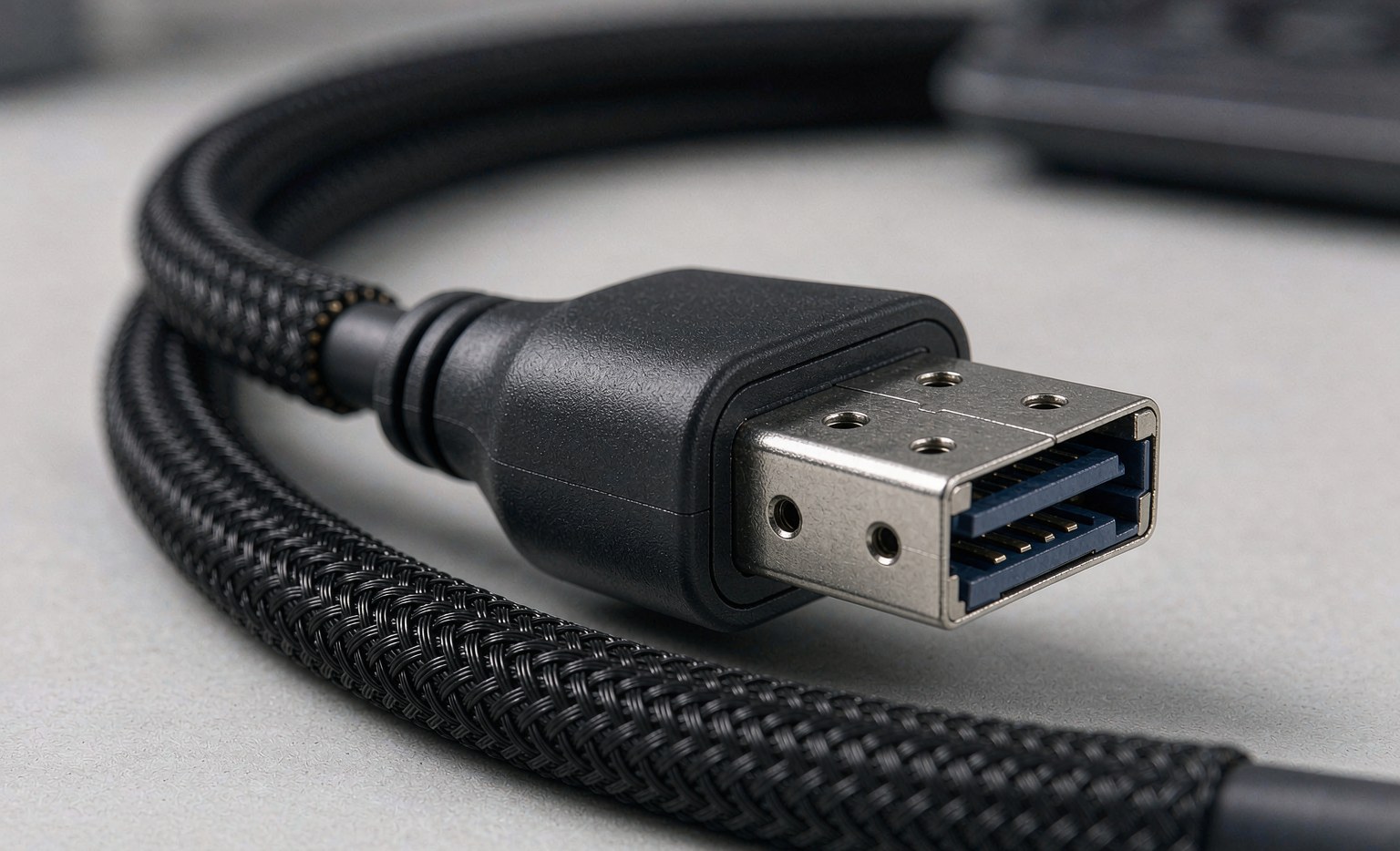
- Secure Locking Connector: Many DisplayPort connectors feature a physical locking mechanism with a release button. This ensures a secure, robust connection that will not accidentally disconnect if the cable is tugged. This feature, often found in professional environments, provides a level of reliability not present in standard friction-fit connectors like HDMI.
The Evolution of DisplayPort: A Journey in Bandwidth
The DisplayPort standard has evolved significantly over the years, with each new version unlocking higher levels of performance to keep pace with advancements in display technology. Understanding these versions is key to matching your cable to your hardware’s capabilities.
- DisplayPort 1.2 (2010): This was the version that established DisplayPort as a high-performance standard. With a maximum bandwidth of 17.28 Gbps, it was one of the first widely available standards to support 4K resolution at a smooth 60Hz, making it a favorite for early 4K adopters. It also introduced support for the crucial Multi-Stream Transport (MST) feature.
- DisplayPort 1.4 (2016): A major leap forward, DisplayPort 1.4 increased the maximum bandwidth to 25.92 Gbps and, more importantly, introduced support for Display Stream Compression (DSC). The combination of higher bandwidth and DSC made DisplayPort 1.4 the workhorse standard for the modern era of gaming and content creation, enabling 4K at 120Hz and 8K at 60Hz.
- DisplayPort 2.0/2.1 (2019/2022): Representing the cutting edge, DisplayPort 2.1 offers a massive maximum bandwidth of 77.37 Gbps. This incredible throughput is designed for the future of display technology, capable of driving uncompressed 8K at 60Hz, 4K at 240Hz, and even future 16K displays with the help of DSC. It ensures that the DisplayPort standard remains well ahead of the curve.
DisplayPort vs. The Alternatives: A Practical Comparison
While DisplayPort is a powerful standard, it exists in an ecosystem with other capable interfaces. Understanding how it compares is essential for making the right choice.
- vs. HDMI: HDMI is the dominant standard in consumer electronics like televisions and game consoles. While modern HDMI 2.1 offers very high bandwidth, DisplayPort maintains its advantage for PC users with features like MST for easy multi-monitor setups. Generally, DisplayPort is considered the more versatile and powerful interface for computer-centric tasks.
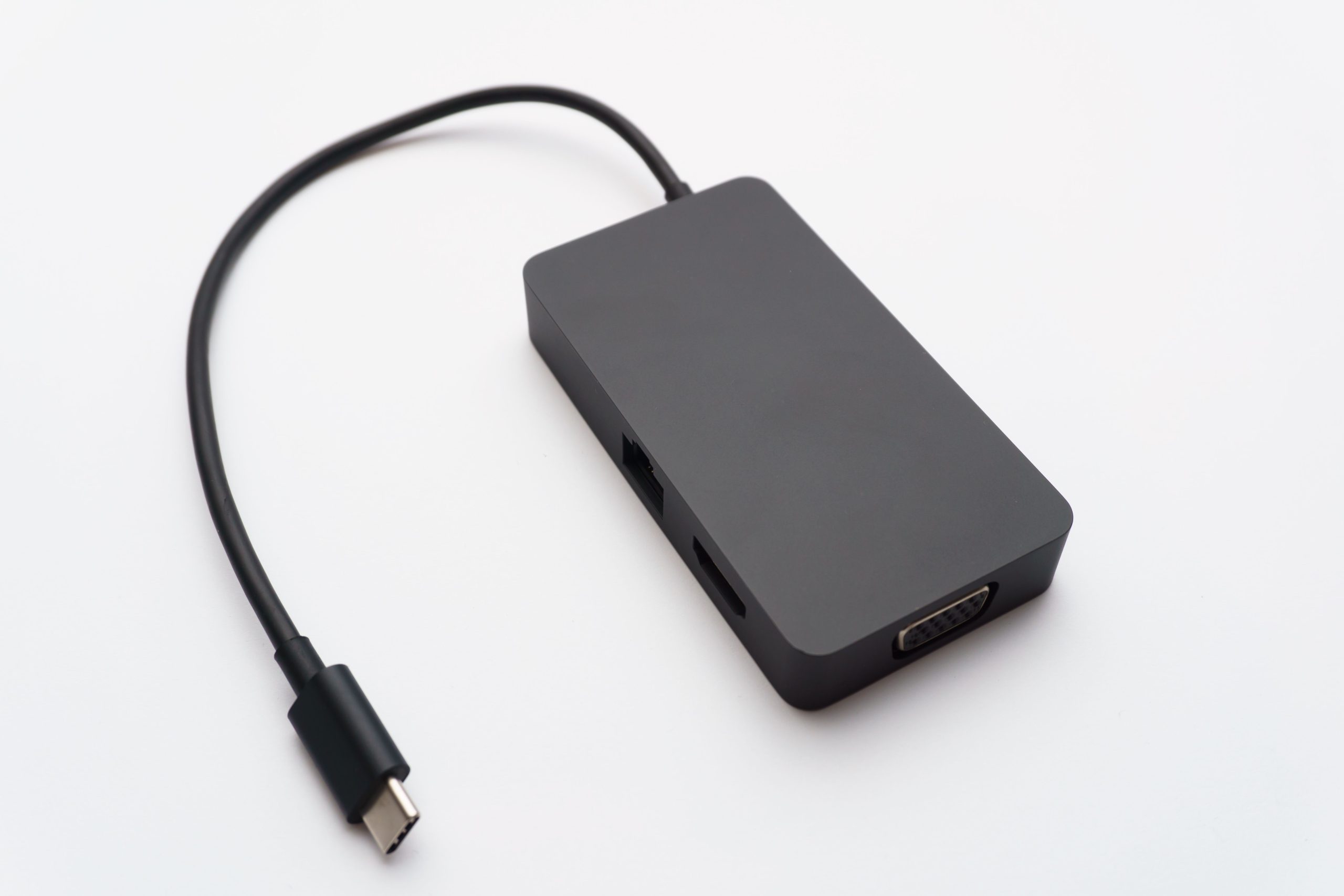
- vs. USB Type-C: This is a common point of confusion, but the two are often collaborators rather than competitors. The USB C Cable connector, through a feature called “DisplayPort Alternate Mode,” can carry a native DisplayPort signal. In essence, a user can get the full performance and features of DisplayPort through the convenient, reversible USB-C port. When a laptop outputs video via its Type-C port, it is often a DisplayPort signal it is sending.
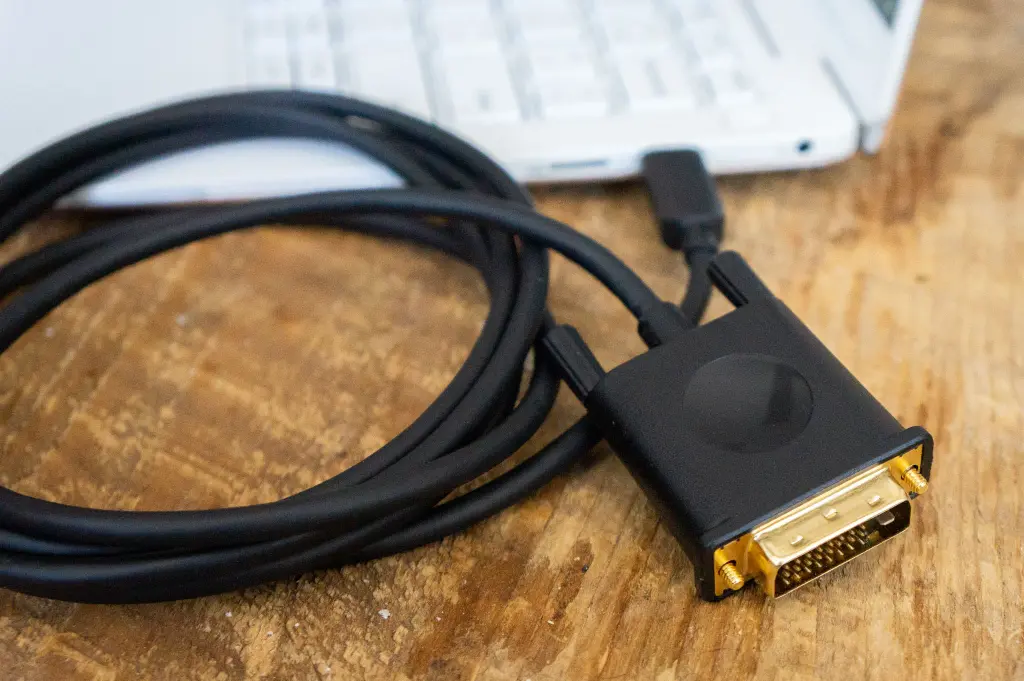
- vs. DVI: The DVI Cable is a legacy digital standard. While incredibly reliable for its time, its bandwidth is severely limited compared to any version of DisplayPort, and it lacks support for audio or advanced features like MST. It is now largely relegated to older or specialized industrial equipment.
Choosing the Right DisplayPort Cable: Why Quality Matters
The performance promised by the DisplayPort standard can only be delivered if the physical cable is constructed to the highest quality standards. A poorly made cable can be a source of endless frustration, causing issues like flickering (“snow”), signal dropouts, or an inability to achieve the advertised resolution and refresh rate.
Key factors in a high-quality DisplayPort cable include:
- VESA Certification: The highest-quality cables are officially certified by VESA. This certification guarantees that the cable has been tested and is fully compliant with the specifications of a particular standard (e.g., DP 1.4).
- Proper Shielding: High-frequency video signals are susceptible to electromagnetic interference (EMI). A quality cable will feature multiple layers of foil and braid shielding to protect the signal integrity and ensure a clean, stable picture.
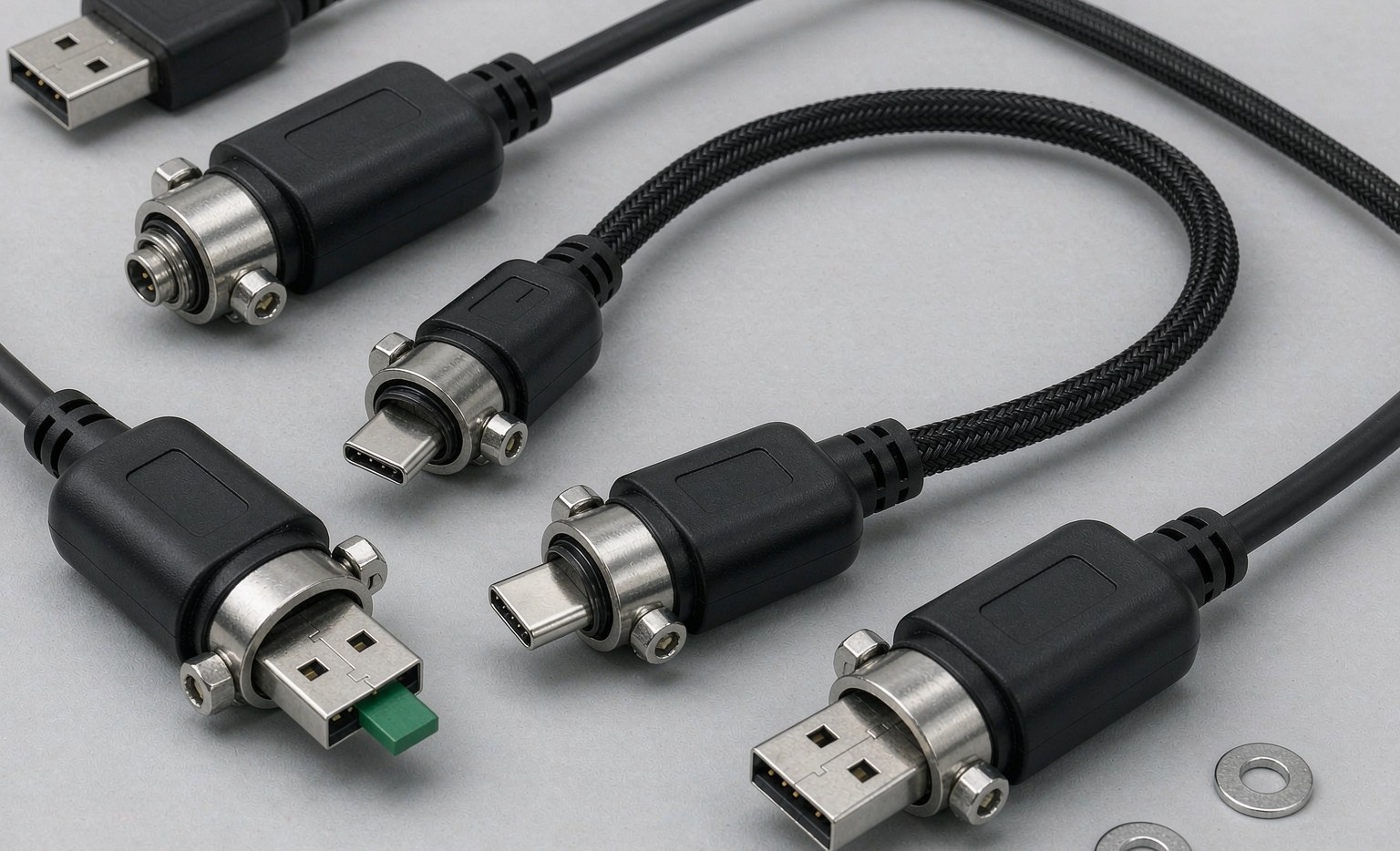
- High-Quality Conductors and Connectors: The use of pure copper conductors and gold-plated contacts ensures efficient signal transmission and prevents corrosion over time, leading to a longer and more reliable service life.
At Longkai Electronics, we understand that unlocking the full potential of a high-performance standard like DisplayPort requires an unwavering commitment to manufacturing excellence. Since 2012, our Cable Assembly processes have been refined to meet the most stringent industry requirements. Our adherence to international quality standards, validated by our ISO, CE, and FCC certifications, ensures that every cable we produce is engineered for reliability and performance.
Conclusion: The Clear Choice for Demanding Visuals
DisplayPort has firmly established itself as the premier interface for users who demand the highest levels of performance and flexibility from their displays. Its powerful, computer-centric features like Multi-Stream Transport and its forward-thinking adoption of massive bandwidth make it an indispensable tool for professionals, gamers, and enthusiasts alike. As display technology continues to advance into the realm of 8K and beyond, DisplayPort is perfectly positioned to remain the leading standard for years to come.
However, realizing this potential is entirely dependent on the quality of the physical connection. By choosing a high-quality, certified DisplayPort cable from a trusted manufacturer, you ensure that every pixel is delivered perfectly, providing the crisp, fluid, and reliable visual experience that this exceptional standard was designed to create.