Introduction: The Final Frontier of Connectivity
For decades, the technology industry has pursued a singular, elegant goal: a single cable to connect everything. A universal standard that could handle high-speed data, deliver brilliant video, and provide intelligent power for any device. With each generation of connectivity, from the original serial ports to the now-ubiquitous USB-A, we moved closer to this ideal, but fragmentation and performance limitations always remained. Today, however, we stand at the cusp of this revolution, driven by the groundbreaking U4 (commercially known as USB4) standard. More than just an incremental speed bump, U4 represents a fundamental architectural shift that unifies the most powerful technologies under a single, versatile umbrella.
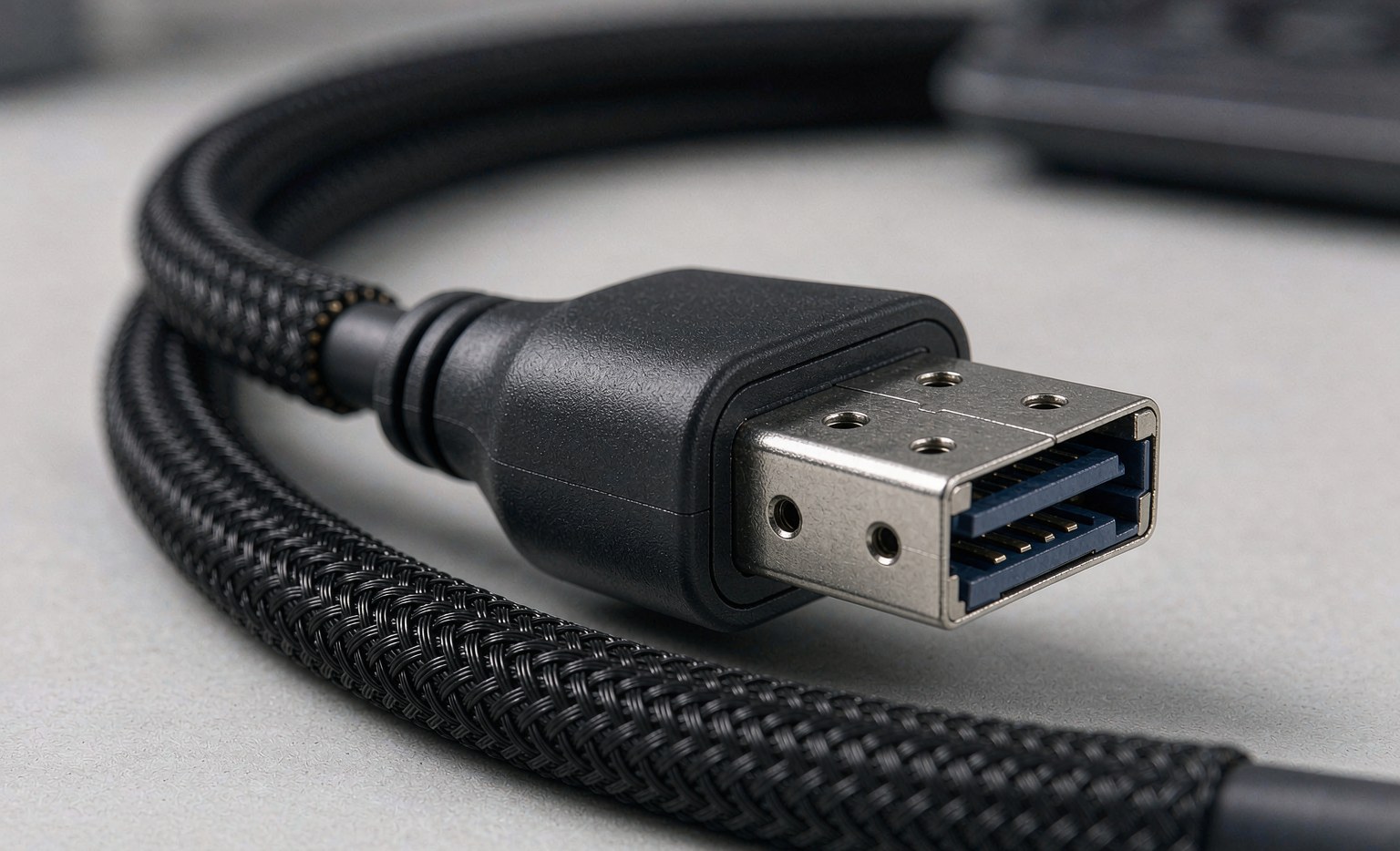
Built upon the foundation of Intel’s formidable Thunderbolt 3 protocol and delivered exclusively through the user-friendly Type C-Cable connector, U4 is a convergence of speed, intelligence, and simplicity. It takes the best of what came before—the broad compatibility of USB and the raw power of Thunderbolt—and combines them into a single, royalty-free specification for the entire industry. This is not merely another USB cable; it is the culmination of a decades-long journey toward a truly universal interface.
This article will delve into the core principles of the U4 standard. We will explore its key features, explain how it differs from previous USB generations like the USB3.0 Cable, and discuss the profound impact it will have on the future of consumer and professional electronics. We will also examine why harnessing the full potential of a U4 Cable requires manufacturing precision of the highest order, a standard upheld by expert producers like Longkai Electronics.
The Thunderbolt Foundation: A Paradigm Shift in Architecture
The most significant aspect of U4 is what lies beneath the surface. Previous USB standards, including USB 3.2, operated on a “first-come, first-served” basis for bandwidth. If you connected a high-resolution display, it would reserve a fixed, large portion of the data lane, even if the display was showing a static image. The revolutionary change with U4 is that it is built on the packet-based tunneling architecture of Thunderbolt 3.
This means a U4 Cable does not just carry USB data; it creates a high-speed data “pipe” through which multiple different protocols can be tunneled simultaneously. This leads to its most intelligent feature:
Dynamic Bandwidth Allocation: A U4 connection can intelligently and dynamically share its total 40 Gbps bandwidth between video and data traffic in real-time. For example, if you connect an 8K display that requires 25 Gbps of bandwidth, the remaining 15 Gbps is instantly available for your external SSD. If the display’s needs decrease, that bandwidth is immediately reallocated. This ensures maximum efficiency and eliminates the performance compromises of older standards.
The Core Pillars of the U4 Standard
The U4 specification is built on several key pillars that combine to create its powerful and user-friendly experience.
1. Blistering 40 Gbps Speed
U4 mandates two speed tiers: 20 Gbps and 40 Gbps. While the 20 Gbps version offers a significant boost over most previous standards, it is the 40 Gbps capability that puts U4 in a class of its own. This massive bandwidth is what allows a single usbc to usbc cable to simultaneously drive multiple 4K displays, connect to 10-gigabit networking adapters, and transfer terabytes of data from high-speed storage arrays without breaking a sweat. It matches the performance of the exclusive Thunderbolt cable ecosystems of the past but makes it available to everyone.
2. Unification with Thunderbolt 3
In a landmark move for the industry, Intel contributed the Thunderbolt 3 specification to the USB Promoter Group, making it the foundation of U4. This has profound implications for compatibility. A U4 port is required to be fully interoperable with Thunderbolt 3 devices. This means the vast ecosystem of high-performance Thunderbolt 3 docks, external GPUs, and professional audio/video interfaces will work seamlessly with new U4-equipped computers, ending years of consumer confusion between the two standards.
3. Mandatory USB Power Delivery (PD)
While previous standards offered USB Power Delivery as an optional feature, U4 makes it a mandatory part of the specification. Every U4 host and device must support USB PD. This guarantees a consistent and reliable experience for charging and power management. When you plug in a U4-compliant charging cable, you can be confident that the devices will intelligently negotiate the optimal charging wattage, simplifying the user experience and ensuring safety.
4. Exclusive Use of the Type-C Connector
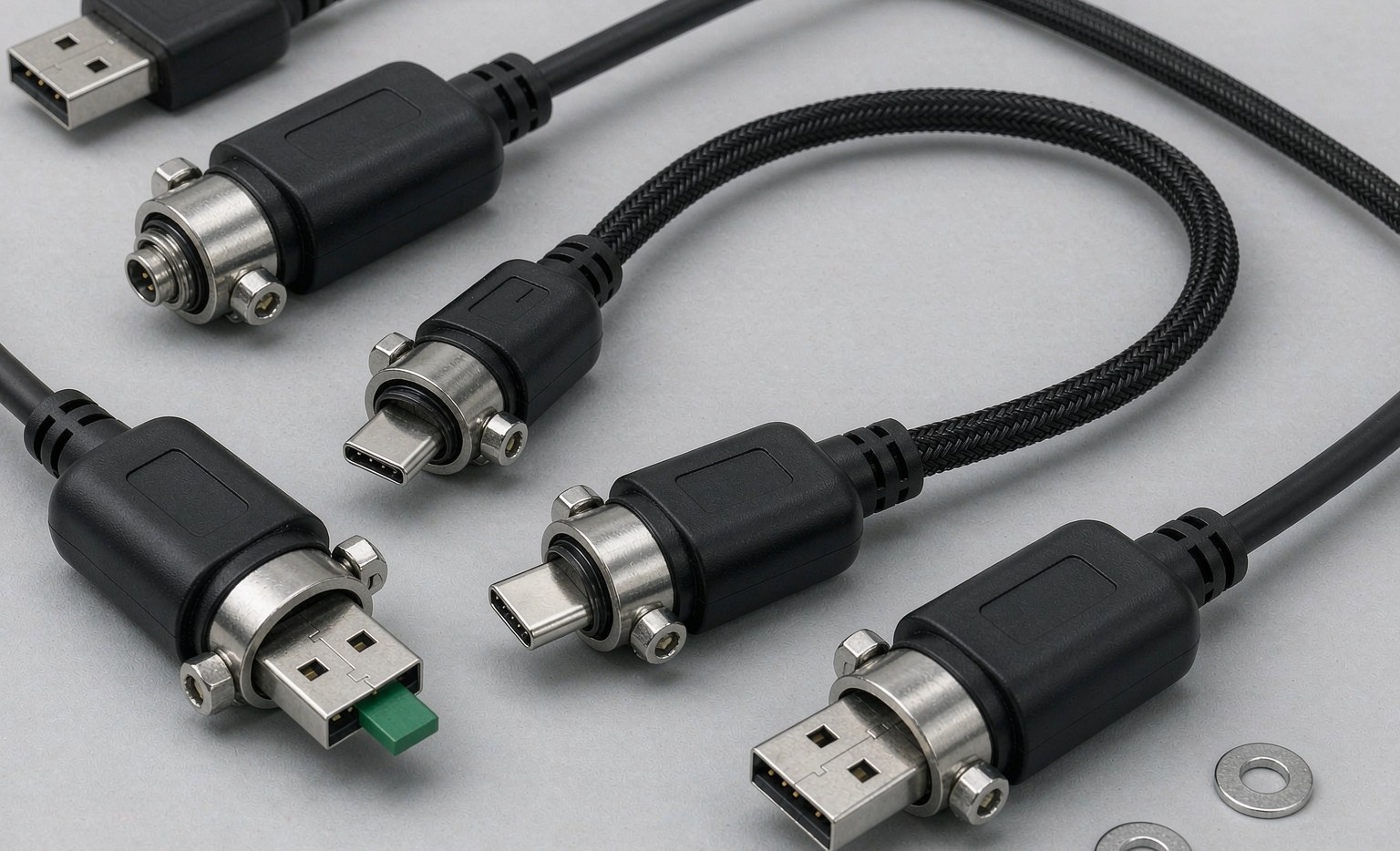
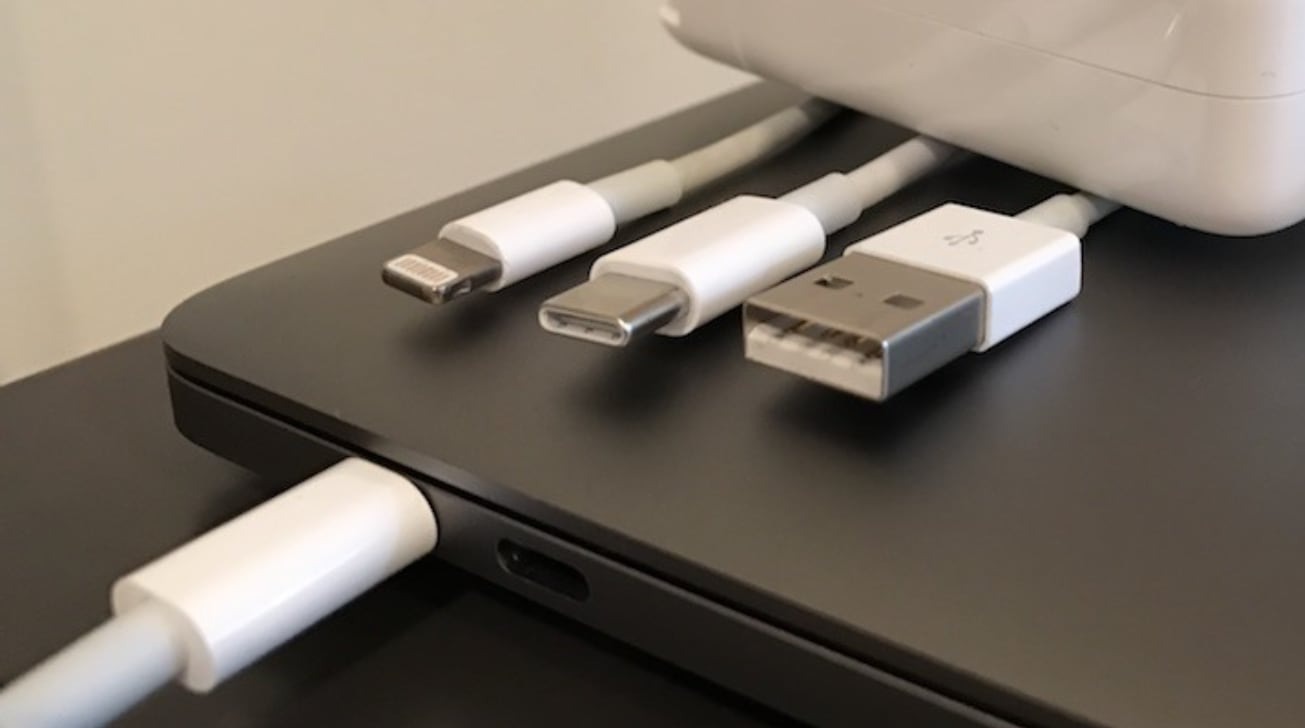
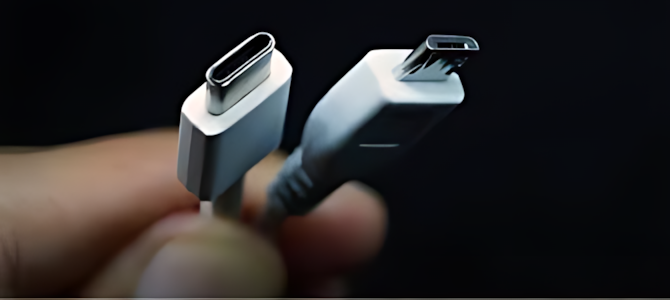
The U4 standard is inextricably linked to the physical Type C-Cable connector. Its 24-pin, reversible design is the only one capable of handling the multiple high-speed data lanes and complex signaling required for U4’s advanced features. This move solidifies the Type-C connector as the undisputed port of the future, phasing out the legacy USB-A ports that defined the USB2.0 Cable era.
The Practical Impact: What U4 Means for You
The technical specifications of U4 translate into tangible benefits for users across all spectrums:
- For Creative Professionals: A video editor can connect their laptop to an 8K monitor and a massive RAID storage array with a single cable, editing raw video files with zero lag.
- For Gamers: A gamer can use a U4 port to connect to an external GPU enclosure, turning a thin and light ultrabook into a high-performance gaming rig.
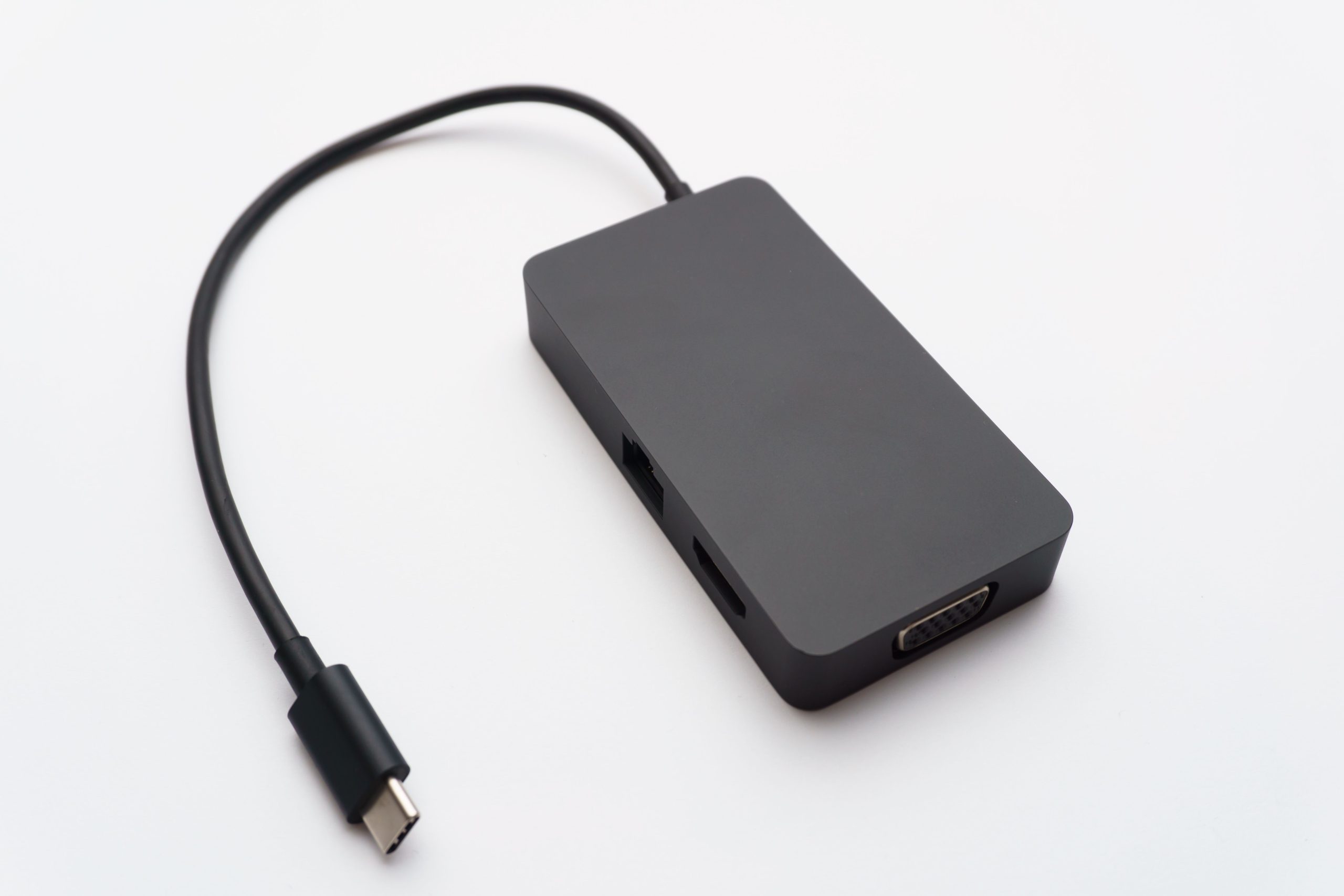
- For Office Workers: A “single-cable docking” solution becomes seamless and universal. One cable from a laptop to a U4 dock can power the laptop, connect it to dual 4K monitors, a wired gigabit network, and all other peripherals.
- For All Consumers: The confusion of the past (“Will this cable work with my device?”) begins to fade. As U4 becomes the standard, users can be more confident that a high-quality, certified U4 cable will deliver the best possible performance their devices can support.
The Manufacturing Challenge of a 40 Gbps Cable
The incredible performance of U4 places extreme demands on the physical cable itself. Transmitting data at 40 Gbps requires a level of manufacturing precision far beyond that of a standard USB cable. At these frequencies, the cable acts as a high-frequency waveguide, and even microscopic imperfections can degrade the signal and cause connection failures.
A certified U4 Cable must be built with:
- Perfectly Matched Impedance: The electrical characteristics of the internal twisted pairs must be controlled with extreme precision to prevent signal reflections.
- Multi-Layer, High-Coverage Shielding: To protect the delicate high-speed signal from external interference, robust shielding is non-negotiable.
- High-Integrity Electronics: Certified U4 cables contain small “e-marker” chips within the connector that communicate the cable’s capabilities to the connected devices. These must be integrated flawlessly.
This level of engineering is why choosing a cable from an experienced and quality-driven manufacturer like Longkai Electronics is essential. Since our inception in 2012, we have been at the forefront of manufacturing high-speed data cables. Our deep understanding of signal integrity, our advanced production techniques, and our rigorous quality control systems—validated by ISO, CE, and FCC certifications—ensure that every cable we produce is capable of delivering on the full promise of the U4 revolution.
Conclusion: A New Era of Unified Connectivity
U4 (USB4) is more than just the next version of USB. It is the realization of a long-held industry dream: a single, universal, and breathtakingly powerful standard that can connect all of our devices. By unifying the performance of Thunderbolt with the ubiquity of USB and delivering it all through the elegant Type-C connector, U4 simplifies the user experience while simultaneously unlocking a new era of performance possibilities. As this revolutionary standard becomes more widespread, it will fundamentally change the way we interact with our technology, creating a future that is faster, simpler, and more seamlessly connected than ever before.