Introduction: The Dawn of a New Intelligence
For half a century, the story of computing has been the story of the centralized brain. We built ever-more-powerful processors and housed them in climate-controlled sanctuaries called data centers, bringing the world’s data to the brain for processing. This model gave us the internet, the cloud, and the foundations of big data. But this model is now undergoing a profound and irreversible transformation. We are witnessing the dawn of a new distributed intelligence, an era where the “brain” is no longer confined to the data center. It is moving out into the world, into our cars, our factories, our homes, and our bodies. This is the age of sentient systems—of autonomous vehicles that see, of robotic arms that feel, and of smart cities that respond.
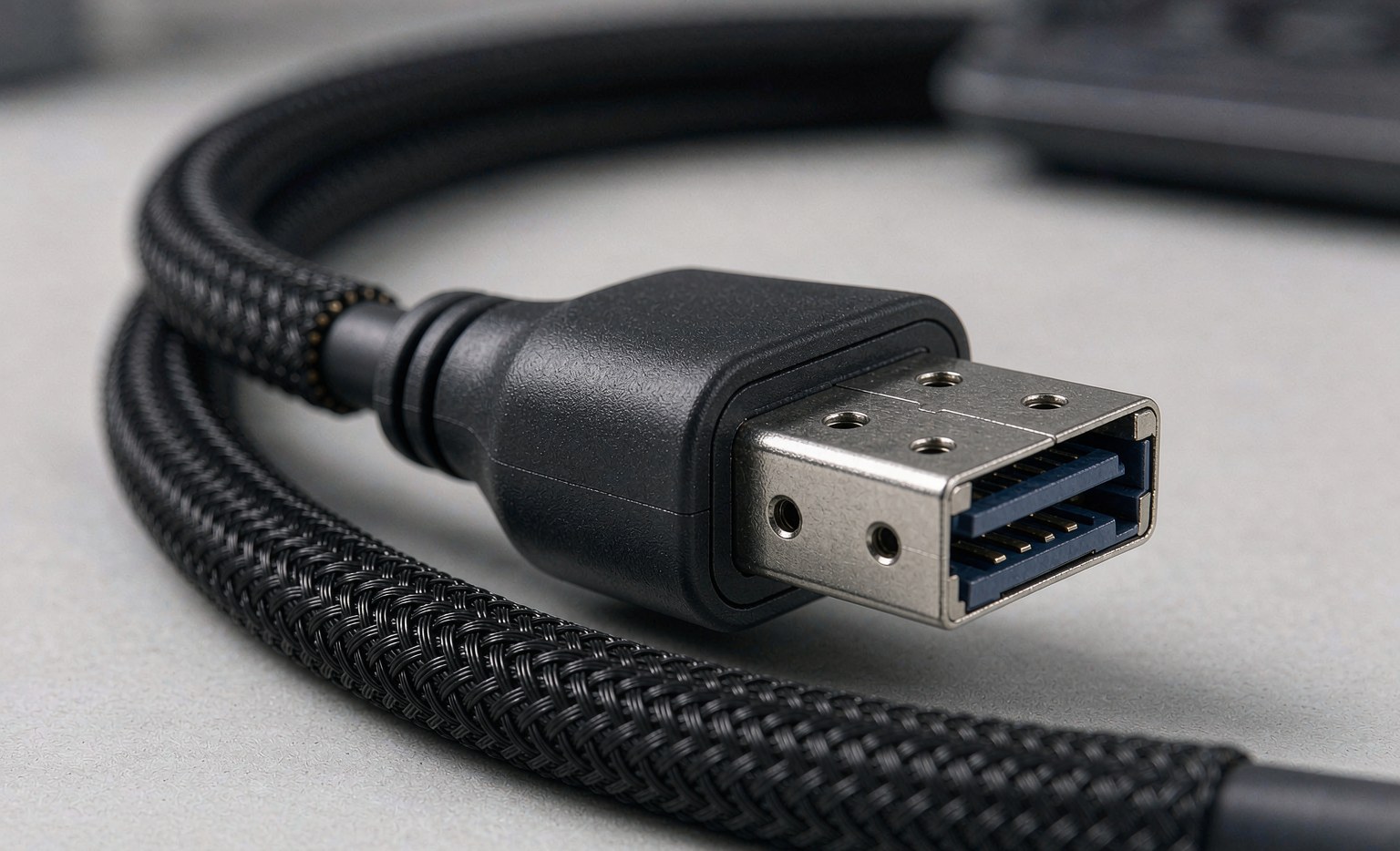
This monumental shift from a centralized to a distributed intelligence model is creating an unprecedented and existential challenge for the physical infrastructure that connects it all. The data cable of the past was a passive conduit, a simple messenger carrying data to and from the brain. The connectivity of the future must be something more. It must become the nervous system of this new intelligence—a high-bandwidth, ultra-low-latency, and incredibly resilient network that can carry not just data, but sensation, power, and commands in real-time. The humble cable is being fundamentally redefined from a simple component into a critical, active enabler of this new robotic and AI-driven world.
This analysis will explore this profound evolution. We will journey to the cutting edge of technology and examine how the demands of three revolutionary forces—autonomous systems, advanced robotics, and pervasive AI—are forging a new generation of connectivity solutions. We will see how the physical layer is evolving to become smarter, tougher, and faster than ever before, and we will argue that the future of all technological progress is now inextricably linked to the quality and innovation of the physical links that bind our world together.
Part I: The Autonomous Revolution — The Nervous System of Mobility
Perhaps the most visceral example of distributed intelligence is the autonomous vehicle. An AV is not merely a car with a powerful computer; it is a high-speed, mobile data center on wheels. It is a sentient system that must perceive its environment, process that information, and act upon it in milliseconds to ensure the safety of its passengers and surroundings. The connectivity infrastructure that enables this is a masterpiece of engineering, a complex nervous system that must perform flawlessly under the most demanding conditions imaginable.

The Sensory Data Tsunami
A Level 4 or 5 autonomous vehicle is a rolling sensor array. It is equipped with a suite of LiDAR, radar, high-definition cameras, ultrasonic sensors, and inertial measurement units. Collectively, these sensors generate an astonishing amount of data—by some estimates, up to 4 terabytes per hour. This data is the vehicle’s sense of sight, hearing, and touch. The challenge is to transport this torrent of sensory information to the central processing unit (the “brain box”) with virtually zero latency.
This has created a demand for a new class of automotive-grade data cables:
- Extreme Bandwidth in a Compact Form: The internal wiring of a vehicle is a crowded and complex space. The cables connecting the sensors must be lightweight and compact, yet capable of carrying multi-gigabit bandwidth. This has led to the adoption and ruggedization of standards like Automotive Ethernet and high-speed serial links that are far more advanced than the traditional CAN bus wiring of the past.
- Signal Integrity as a Safety Requirement: In this application, a corrupted data packet is not a minor glitch; it is a potential safety catastrophe. The cables must be engineered with robust shielding and perfect impedance control to ensure that the data from a forward-facing camera, for instance, arrives at the processor without a single bit of corruption.
The Mandate of Absolute Reliability
An autonomous vehicle’s nervous system must operate for the entire lifespan of the vehicle—typically over 15 years and 200,000 miles—in an environment of constant vibration, extreme temperature swings (from -40°C to +125°C), and exposure to moisture and road chemicals. A consumer-grade data cable would fail in hours under these conditions. An automotive-grade Industrial Cable must be a marvel of resilience.
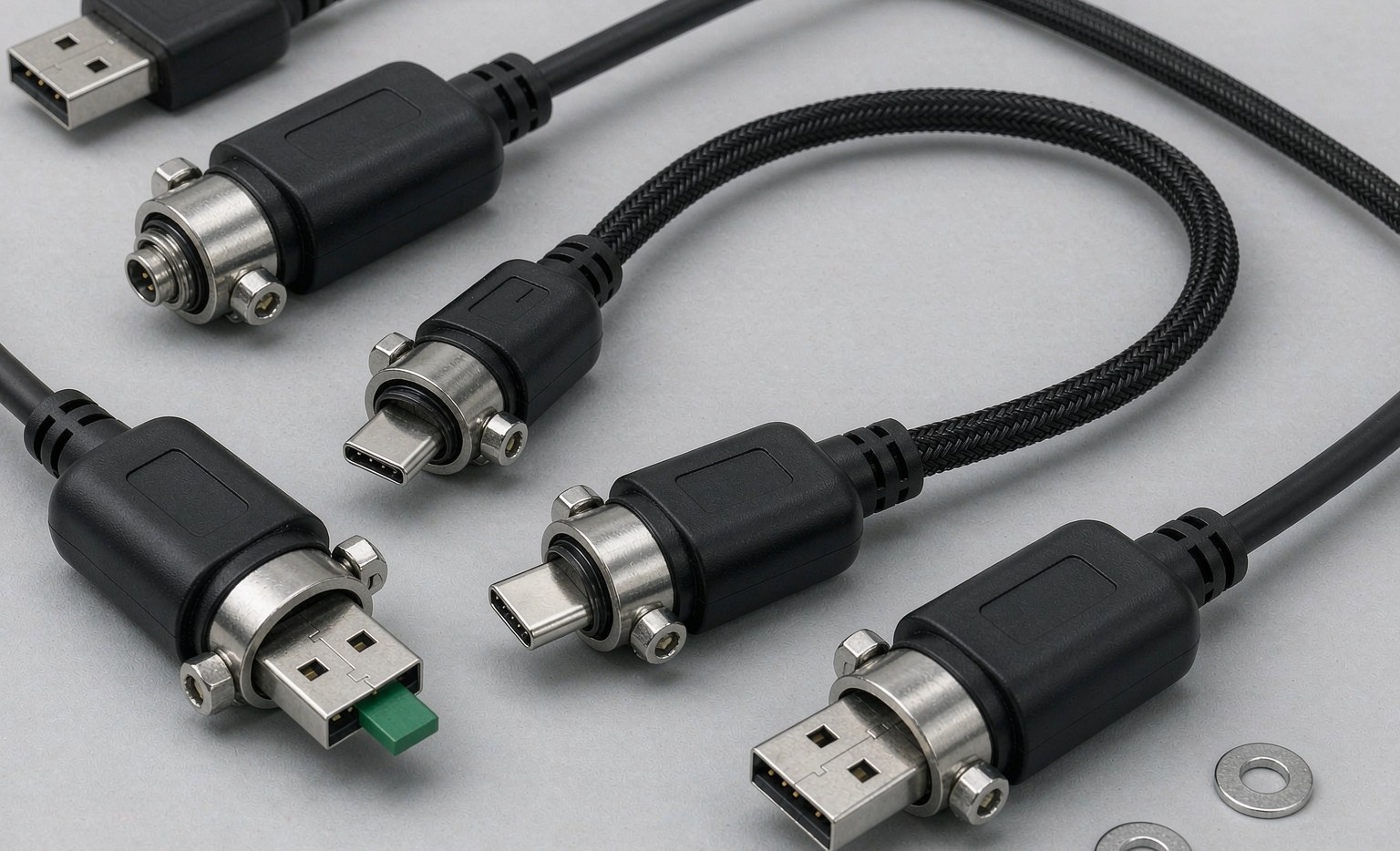
- Vibration-Proof Connectivity: Every single connector within the system, from the sensor to the ECU, must use a high-reliability, locking mechanism. This is a non-negotiable requirement to prevent the catastrophic failures that would result from a vibration-induced disconnection.
- Materials Engineered for Endurance: The entire Cable Assembly, from the conductor plating to the outer jacket, must be made from materials specifically selected and tested for their ability to withstand the harsh automotive environment without degrading over time. This includes resistance to thermal shock, chemicals like gasoline and oil, and extreme abrasion.
The autonomous vehicle represents the ultimate convergence of high-performance data transfer and extreme ruggedization. It is a microcosm of the future of connectivity.
Part II: Advanced Robotics and Industry 4.0 — The Feel of the Machine
A similar transformation is happening on the factory floor. The robots of the past were dumb machines, blindly following a pre-programmed set of motions. The collaborative robots (“cobots”) and advanced automation systems of Industry 4.0 are different. They are equipped with a sense of touch (force-torque sensors), sight (3D machine vision), and an awareness of their environment. They are becoming sentient partners in the manufacturing process, and this requires a nervous system of unprecedented sophistication.
The Rise of the Dynamic Wire Harness
The bundle of cables that powers and controls a modern robotic arm—the Wire Harness—is one of the most challenging engineering problems in the industry. It is not a static component. It is constantly in motion, bending, twisting, and flexing with every movement of the robot. The design of this harness is a delicate balancing act between flexibility, durability, and data-carrying capacity.
- Designing for a Million Cycles: A key metric for a robotic harness is its “flex-life,” the number of repetitive bending cycles it can endure before a conductor fails. A high-quality harness is designed and tested to survive millions of cycles without failure. This is achieved through the use of special, high-strand-count copper conductors, advanced insulating materials that reduce friction, and a jacket designed for smooth movement.
- The Integrated Assembly: A modern robotic harness is a complex, integrated system. It often combines a variety of different cable types within a single, protective sheath: high-voltage power for the motors, a high-speed ethernet cable for network communication, shielded signal wires for sensors, and sometimes even pneumatic or hydraulic lines. This level of integration simplifies the robot’s design and improves its reliability by reducing the number of individual cables that could snag or fail.
The Precision of Machine Vision
Advanced robotics are often guided by high-resolution machine vision systems. These cameras perform critical quality control inspections, identify parts, and guide the robot’s movements. The connection to these cameras is a mission-critical link that demands both high bandwidth and absolute reliability.
- High-Bandwidth, Low-Latency Video: A 3D machine vision camera can generate a massive, uncompressed video stream. To ensure the robot can react in real-time, this data must be transmitted to the controller with the lowest possible latency. This has driven the adoption of high-speed interfaces like USB3 Vision and GigE Vision.
- The Unwavering Connection: The camera is often mounted directly on the moving robotic arm, subjecting its connection to constant vibration and movement. This makes a secure, locking connector, such as the USB Cable locking standard, an essential feature. A single dropped frame due to a loose connection could cause the robot to misidentify a part, leading to a production error or a line stoppage.
The modern factory is a living network, and the Industrial Cable assemblies that form its nervous system are the key to its intelligence and productivity.
Part III: The Pervasive AI — From the Data Center to Your Desk
While the most dramatic examples of the sentient network are in our cars and factories, the same underlying forces are reshaping the world of high-performance computing, from the cloud to the individual workstation. AI is becoming a pervasive tool, and this is creating a voracious and insatiable appetite for bandwidth.
The AI Supercomputer: A Data Center Redefined
The massive server clusters used to train AI models are pushing the limits of data center design. These are not general-purpose servers; they are highly specialized supercomputers where the primary architectural challenge is interconnect performance. The goal is to create a “data fabric” where thousands of processors can access a shared pool of memory and storage as if it were local.
- The End of the Legacy Connector: The sheer bandwidth required by these fabrics has rendered older standards obsolete. The internal connectivity is now dominated by high-speed, high-density standards like the SlimSAS Cable and the even faster optical interconnects. These are the only technologies that can provide the multi-terabit-per-second bandwidth needed to prevent the expensive processors from starving for data.
- A Holistic Approach to Assembly: In these systems, the Cable Assembly is no longer a simple A-to-B link. It is part of a complex, engineered solution that includes the cable, the connectors, and even the backplane on the circuit board. The entire channel must be designed and simulated as a single system to ensure signal integrity is maintained.
The AI Workstation: The Data Center on Your Desk
The power of AI is also trickling down to the individual user. Creative professionals, data scientists, and engineers are now running sophisticated AI models directly on their desktop and even laptop computers. This is creating a demand for professional-grade connectivity that mirrors the performance of the data center.
- The Universal Super-Port: The U4 Cable, with its 40 Gbps bandwidth and its ability to tunnel PCIe traffic, is the key enabler of this trend. It allows a user to connect their laptop to an external GPU (eGPU) enclosure, transforming it into an AI powerhouse. It allows them to connect to ultra-fast external NVMe storage arrays, providing the speed needed to work with massive datasets.
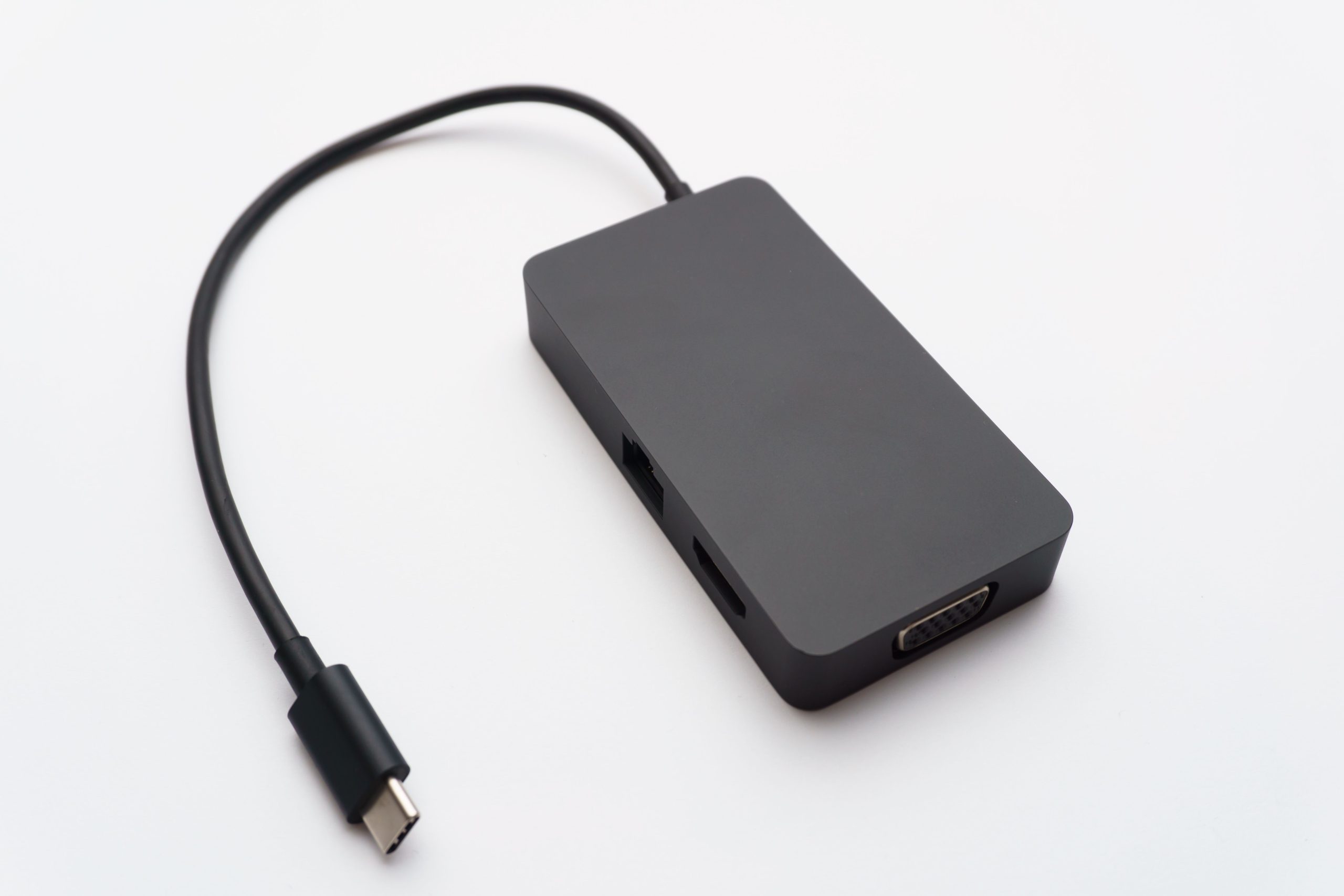
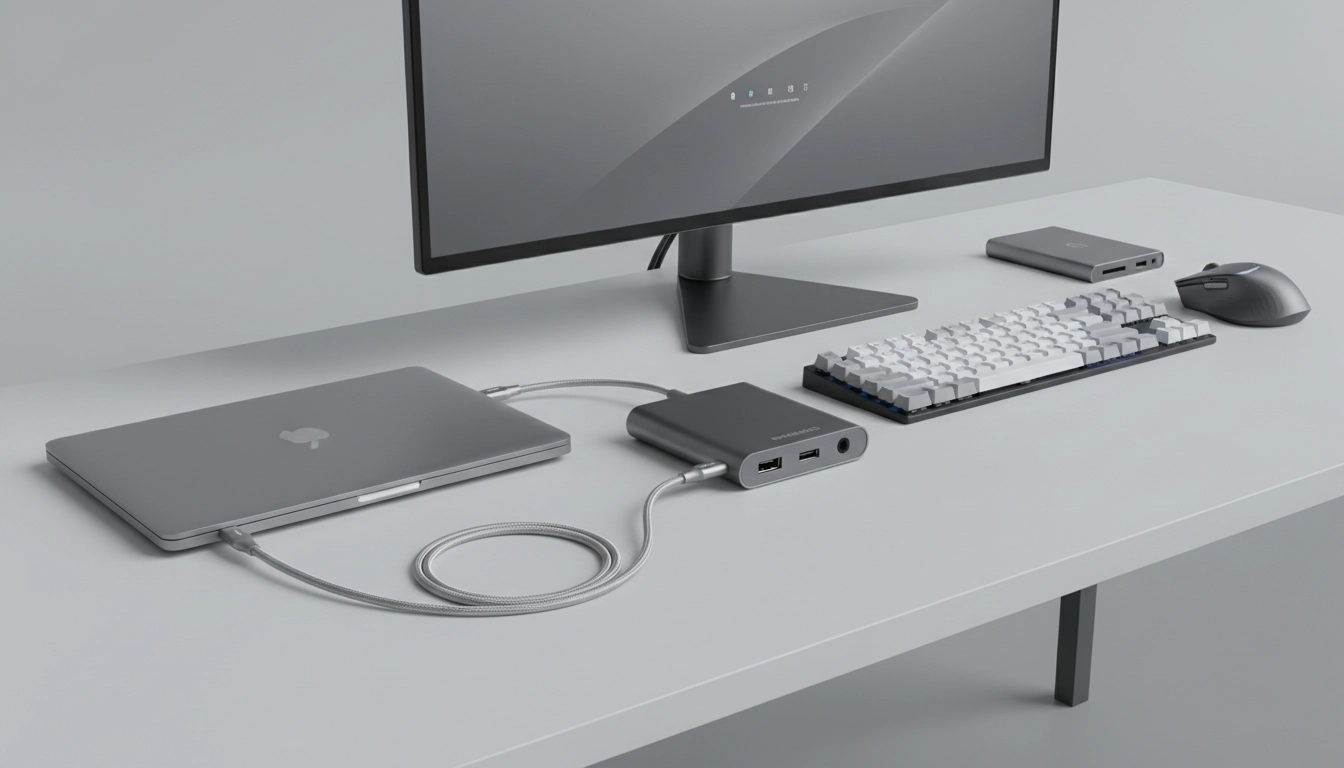
- The Single-Cable Dream: Delivered through the versatile Type C-Cable connector, U4 also fulfills the dream of a single-cable docking solution. A user can connect their laptop to a dock that provides power, drives multiple 4K displays, and connects to a full suite of high-performance peripherals, all through one intelligent, high-bandwidth link. This is the power of the sentient network, brought to the individual user.
Part IV: The Manufacturing Mandate — The Unseen Foundation of Intelligence
The sentient network we have described—this future of intelligent, autonomous, and interconnected systems—is a breathtaking vision. But it is a vision that is entirely dependent on a manufacturing industry capable of producing the physical infrastructure to support it. The transition from producing simple, passive cables to engineering the active, resilient nervous system of this new world is the single greatest challenge and opportunity for manufacturers today.
Building the connectivity of the future requires a new set of core competencies:
- A Mastery of High-Frequency Engineering: As data rates push past 32 GT/s and into the realm of 64 GT/s and beyond, the principles of RF and microwave engineering become directly applicable to cable design. A manufacturer must have a deep, scientific understanding of signal integrity, impedance control, and EMI mitigation.
- A Commitment to “Zero-Failure” Quality: For a cable used in an autonomous vehicle or a medical device, the acceptable failure rate is zero. This requires a culture of quality that is deeply embedded in every process, from incoming material inspection to 100% final testing of every assembly. It requires a level of rigor that goes far beyond standard commercial manufacturing.
- The Agility of a Solutions Provider: The future is custom. The vast majority of these advanced applications will require bespoke, custom-designed solutions, from complex automotive Wire Harness assemblies to precisely tuned server cables. A manufacturer must be able to act as a collaborative design partner, working with their clients to engineer the perfect solution for their unique application.
This is the model that Longkai Electronics has been built upon since our founding in 2012. We are not just a manufacturer; we are an engineering solutions provider. Our deep expertise in the demanding worlds of industrial automation, automotive electronics, and high-performance data centers, combined with our unwavering commitment to certified quality (ISO 9001, CE, FCC), has positioned us at the forefront of this evolution. We understand that we are not just building cables; we are building the foundational components of the next generation of intelligent systems.
Conclusion: The Nerves of a New Machine
The story of technology is at a profound inflection point. We are moving from an age of pure computation to an age of applied intelligence, an age where our machines will see, feel, and react to the world around them. This new generation of sentient machines requires a new kind of nervous system—one that is faster, tougher, and more intelligent than anything that has come before.
The physical connectivity layer, long the most overlooked part of our technological infrastructure, has now become the central stage upon which this future will be built. The innovation, quality, and resilience of our data cables will directly dictate the pace at which the AI and robotic revolution can proceed. The future is not just connected; it is sentient, and the silent, unseen network of advanced cables and connectors will be the nerves that bring this new machine to life.