Introduction: The Invisible Crisis Beneath the Cloud
In the grand narrative of technological progress, we celebrate the processor, the algorithm, and the application. We marvel at the exponential growth of computing power, the birth of artificial intelligence, and the seamless connectivity of the cloud. Yet, beneath this dazzling surface lies a crisis—a silent, physical bottleneck that threatens to stall this progress. This crisis is not happening in the silicon of a CPU or the lines of code in a program, but in the simple, often-neglected component that ties everything together: the data cable. For decades, we have treated the cables inside our servers and data centers as passive conduits, mere wires to shuttle data from point A to point B. This perspective is now dangerously obsolete.
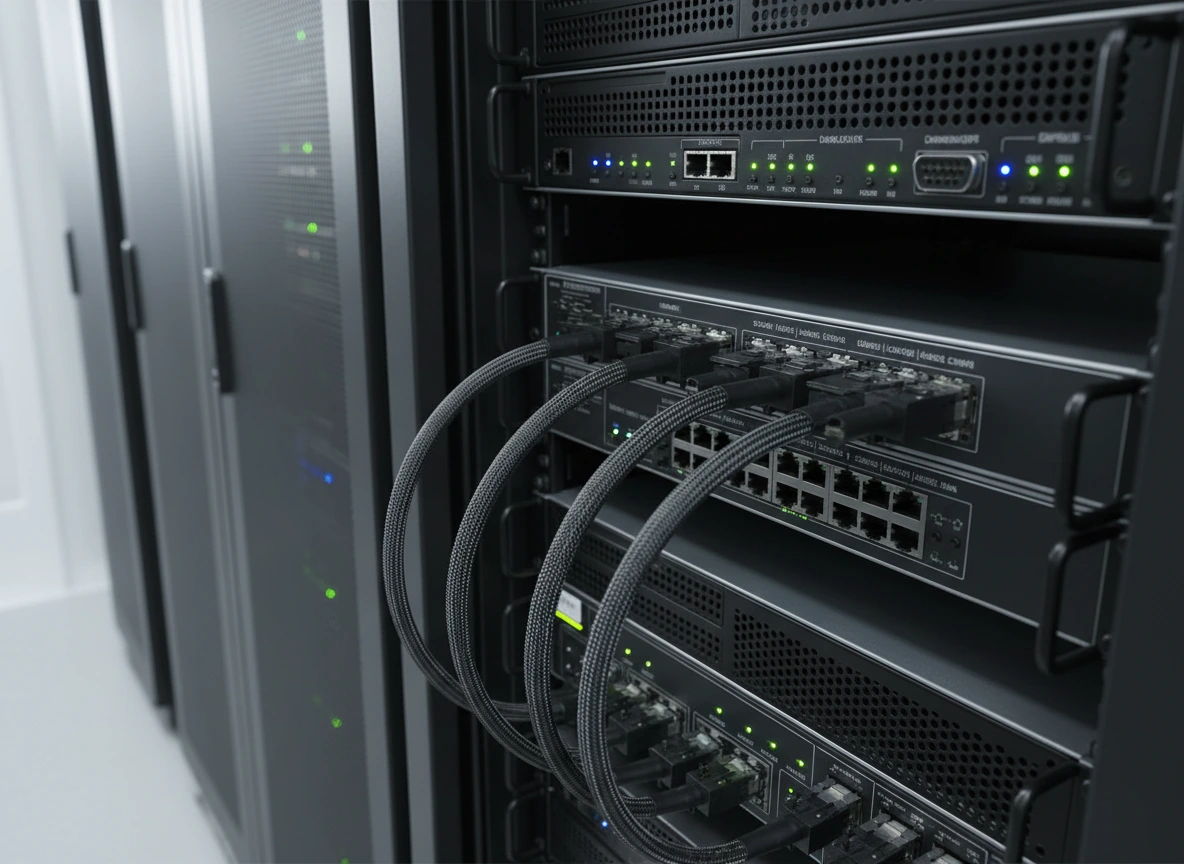
The modern data center is no longer just a collection of computers; it is a high-performance, integrated system, a single, sprawling computational entity. The demands placed upon it are staggering. AI and machine learning models require the movement of petabytes of data between thousands of processors and storage units with near-zero latency. Cloud services must respond instantaneously to millions of concurrent user requests. This is not a world of simple, linear data transfers. It is a world of complex, parallel data fabrics, where the performance of the whole is dictated entirely by the performance of the links that constitute it. In this new paradigm, the Internal Cable is no longer a passive component; it is an active enabler of performance, an integral part of the system’s architecture whose design and quality can mean the difference between breakthrough performance and a crippling bottleneck.
This deep-dive analysis will trace the arc of this profound transformation. We will begin by exploring the world of legacy connectivity, where the venerable MINI SAS standard reigned supreme, and dissect the forces that pushed this reliable workhorse to its limits. We will then journey into the heart of the modern data center, revealing how the rise of NVMe storage and accelerated computing created an existential demand for a new generation of interconnects, giving birth to revolutionary standards like the SlimSAS Cable and OCUlink Cable. Finally, we will expand our scope beyond the data center to see how this same philosophy of high-performance, purpose-built connectivity is reshaping the industrial and professional worlds, from the factory floor to the creative studio. This is the story of the interconnect revolution—the story of how the humble cable became one of the most critical and sophisticated components in modern technology.
Part I: The Age of SAS — A Foundation of Reliability
To understand the revolution, we must first understand the era that preceded it. For the better part of two decades, the dominant force in enterprise storage connectivity was Serial Attached SCSI (SAS). It was a protocol engineered for a world where reliability and stability were the paramount virtues. The physical embodiment of this philosophy was the MINI SAS connector and its associated cables.
The Reign of the MINI SAS Connector
The original internal MINI SAS connector (SFF-8087) was a marvel of practical engineering for its time. Introduced to support the 3 Gbps and later 6 Gbps SAS protocols, its primary innovation was to bundle four separate data lanes into a single, manageable connector. This was a significant improvement over the individual SATA cables that were its contemporary, drastically reducing cable clutter inside a server chassis and simplifying the process of connecting a RAID controller to a drive backplane.
Key to its success was its robust, latching mechanism. In a server environment, where dozens of cooling fans create a state of constant, low-level vibration, this physical lock was not a luxury; it was a necessity. It ensured that the connection remained secure and stable, preventing the intermittent failures that could bring a storage array offline. As the industry moved to the faster 12 Gbps SAS-3 standard, the connector evolved into the High Density (HD) MINI SAS (SFF-8643). This version featured a significantly smaller footprint, allowing hardware designers to place more ports on a single expansion card, thus increasing the storage density of the server.
For the world of spinning hard disk drives (HDDs) and even first-generation SATA solid-state drives (SSDs), the MINI SAS family was a perfect fit. The bandwidth it provided was more than sufficient to handle the mechanical limitations of these drives, and its reliability was legendary. It was the undisputed king of the storage rack, a testament to a design philosophy that prioritized stability above all else.
The Cracks in the Foundation: The Rise of a New Bottleneck
The dominance of MINI SAS was predicated on a simple fact: the storage medium was the bottleneck. A 12 Gbps SAS link was far faster than any mechanical hard drive could ever hope to saturate. However, a disruptive technology was on the horizon that would completely upend this dynamic: Non-Volatile Memory Express, or NVMe.
NVMe was a new protocol designed from the ground up to take advantage of the incredible speed of NAND flash memory. Unlike SAS and SATA, which were designed for the slow, rotational nature of HDDs, NVMe was built to communicate directly over the ultra-fast PCI Express (PCIe) bus—the same high-speed interface used by graphics cards. A single NVMe SSD could deliver more performance than an entire array of SAS hard drives. Suddenly, the storage medium was no longer the bottleneck. The bottleneck was the connection itself.
While it was possible to run PCIe signals over an HD MINI SAS cable, it was not an ideal solution. The connector’s electrical properties, while excellent for the 12 Gbps SAS signals it was designed for, were not optimized for the much higher frequencies and stricter signal integrity requirements of PCIe 3.0 and the emerging PCIe 4.0 standard. The industry had reached an inflection point. To unlock the full potential of NVMe, a new physical interconnect was needed. The age of SAS’s undisputed reign was coming to a close, and the stage was set for a revolution.
Part II: The NVMe Revolution — Forging a New Generation of Interconnects
The widespread adoption of NVMe storage marked the most significant shift in data center architecture in a generation. It demanded a new approach to internal cabling, one that prioritized raw bandwidth and pristine signal integrity. This demand gave rise to two parallel and complementary standards that would come to define the modern, high-performance server: SlimSAS and OCUlink.
SlimSAS: The Champion of Density and Versatility
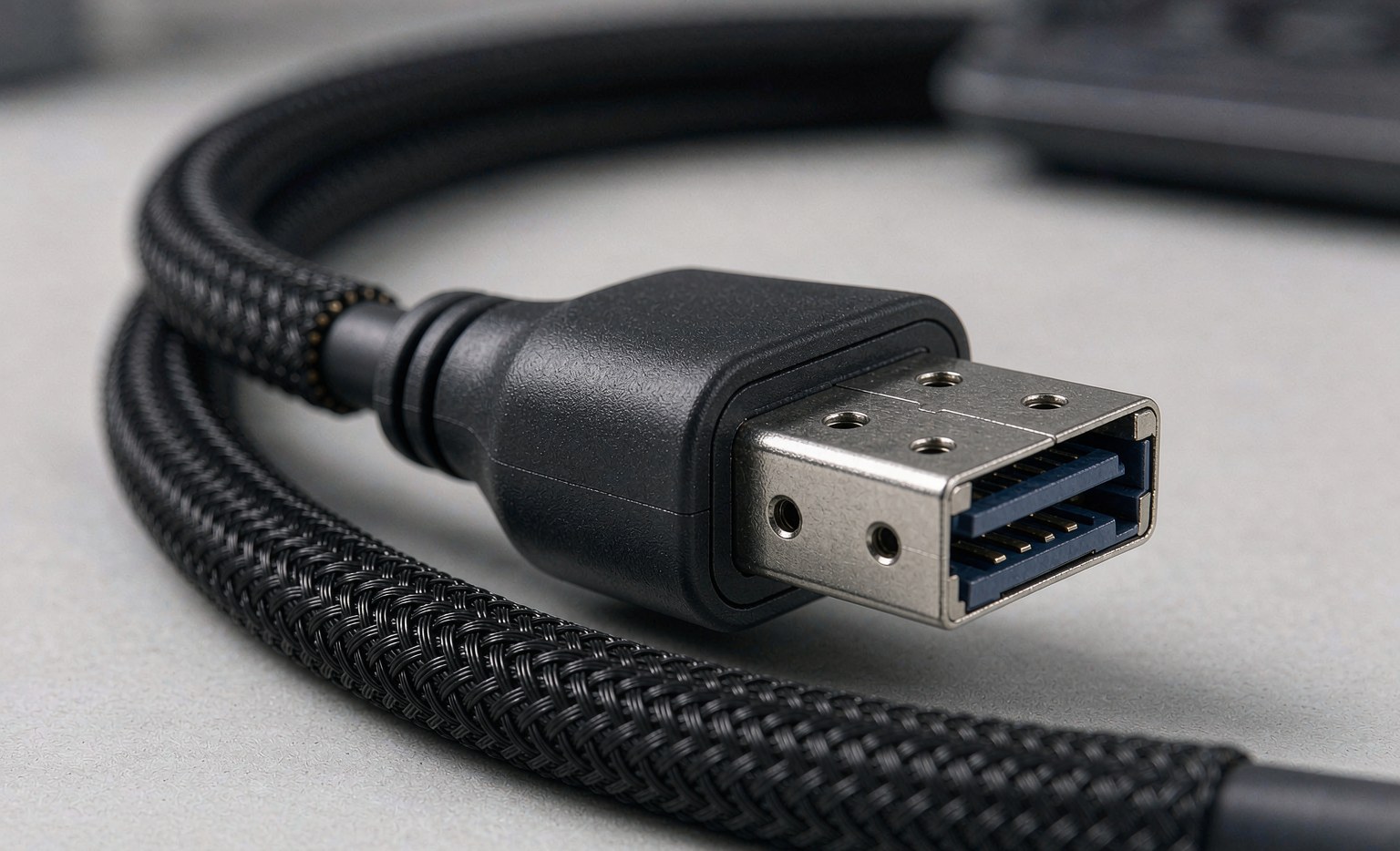
The SlimSAS Cable (officially SFF-8654) was the direct evolutionary successor to the HD MINI SAS. Its design was a direct response to the dual challenges of density and speed that the NVMe era presented.
Architecturally, SlimSAS offered several profound advantages:
- Extreme Density: With a connector pitch of just 0.6mm, SlimSAS is dramatically smaller than its predecessor. This seemingly minor change had a massive impact on server design. It allowed for a much higher density of ports on a circuit board, enabling the creation of incredibly compact servers that could house dozens of NVMe drives in a single 1U or 2U chassis.
- Superior Electrical Performance: The SlimSAS connector and its associated Cable Assembly were engineered with the high frequencies of PCIe 4.0 and 24 Gbps SAS-4 in mind. The internal design minimizes crosstalk (the electrical “bleed” between adjacent wire pairs) and ensures a consistent impedance, both of which are critical for maintaining a clean signal at these extreme speeds. This superior signal integrity meant that data could be transferred faster and more reliably, unlocking the full performance of the NVMe drives.
- Thermal Efficiency: A crucial but often overlooked benefit of the SlimSAS standard is its use of thin, flat ribbon cables. Unlike the thicker, round cables of the past, these ribbon cables can be routed cleanly along the walls of the server chassis. This creates wide, unobstructed channels for airflow, which is a critical consideration for cooling the increasingly powerful (and hot) processors and components in a modern server. This improvement in thermal management leads to greater reliability and lower energy consumption for the data center as a whole.
SlimSAS quickly became the de facto standard for high-density NVMe servers, a versatile and powerful solution that solved the most pressing challenges of the new architectural paradigm.
OCUlink: The Low-Latency Specialist
While SlimSAS evolved from the world of storage, the OCUlink Cable was born directly from the PCI-SIG, the body that governs the PCI Express standard. Its name, derived from “Optical Copper Link,” hints at its purpose: to be a pure, unadulterated extension of the PCIe bus over a cable.
OCUlink’s primary advantage is its specialization. It is not trying to be a universal storage connector; it is designed to do one thing and do it exceptionally well: carry PCIe signals with the lowest possible latency. This makes it the ideal choice for applications where every nanosecond counts. In the world of high-performance computing (HPC), where massive datasets are being processed by clusters of GPUs, or in AI training servers, where low-latency access to NVMe storage is critical for feeding the processing cores, OCUlink provides the most direct and efficient data path. Its compact, robust, and securely latching connector makes it a perfect fit for these demanding, high-stakes environments.
Together, SlimSAS and OCUlink formed the twin pillars of the NVMe revolution. They were not just new connectors; they were the physical embodiment of a new design philosophy, one that treated the internal cabling not as a passive accessory, but as an active and critical component of a high-performance system.
Part III: Beyond the Data Center — The Interconnect Philosophy Goes Mainstream
The revolution that began in the rarified air of the data center did not remain there. The core principles—the demand for higher bandwidth, the need for more versatile connections, and the absolute necessity of reliability—began to reshape the broader world of technology. The same philosophical shift that transformed the server was now transforming everything from industrial automation to professional content creation.
The Universal Ideal: The Rise of U4 (USB4) and the Type-C Connector
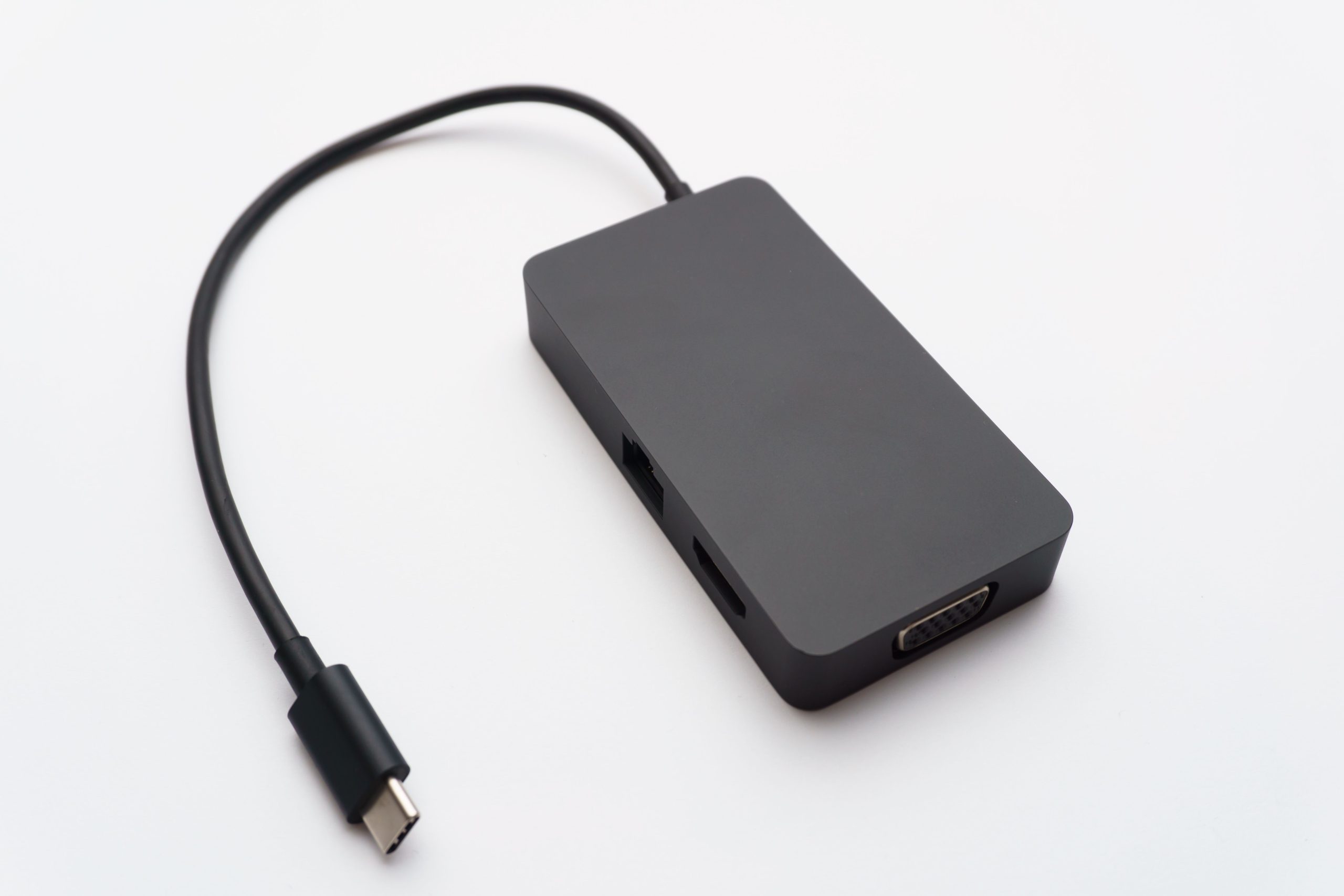
In the consumer and prosumer space, the holy grail has always been a single, universal cable. The Type C-Cable connector was the first step—a user-friendly, reversible design. But it was the U4 Cable (USB4) standard that finally delivered on the promise. U4 is revolutionary because it is built on the same high-level architectural principle as the most advanced data center fabrics: protocol tunneling. A U4 cable creates a single, massive 40 Gbps data pipe, and within that pipe, it can dynamically carry USB data, DisplayPort video, and even PCIe traffic simultaneously. It intelligently allocates bandwidth in real-time, ensuring maximum efficiency.
This standard has transformed workflows for creative professionals. A video editor can now connect their laptop to an 8K monitor, a high-speed external storage array, and a 10-gigabit network adapter, all through a single U4 port. The line between a professional workstation and a portable laptop has been blurred, all thanks to the power of a single, sophisticated data cable. This is the data center philosophy—performance, density, and versatility—distilled into a single, elegant consumer standard.
The Industrial Imperative: Connectivity in Hostile Environments
While the professional world was chasing speed, the industrial world was chasing an even more critical goal: absolute, unwavering reliability. On a factory floor, a dropped connection is not an inconvenience; it is a multi-thousand-dollar event that can halt a production line. The environment is actively hostile, a storm of vibration, electromagnetic interference (EMI), and potential exposure to chemicals and moisture.
Here, the interconnect revolution took the form of ruggedization. The solution was not just to make cables faster, but to make them tougher. This led to the development of a specialized class of Industrial Cable solutions:
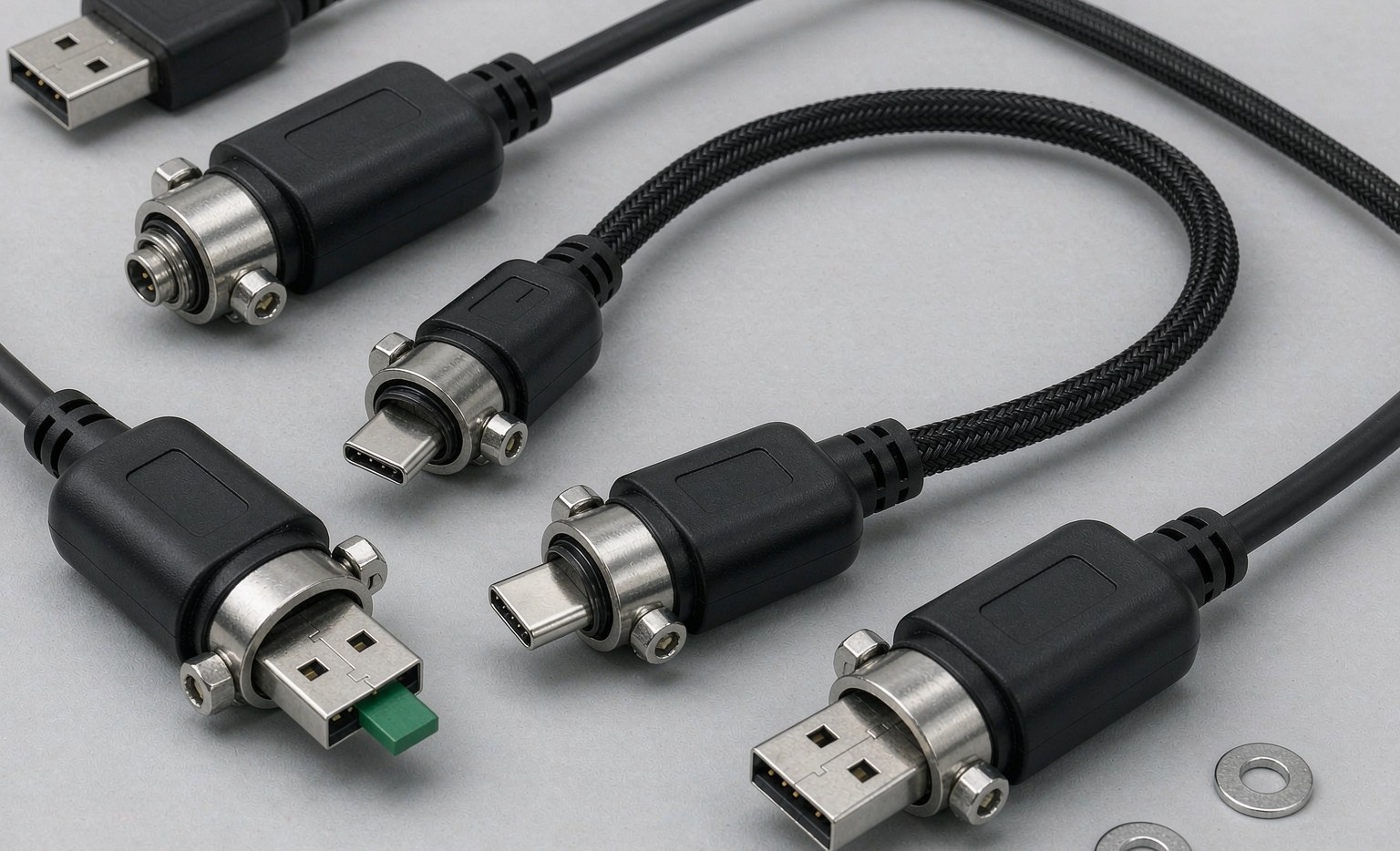
- Locking Mechanisms: To combat the ever-present threat of vibration, the industry developed locking versions of standard connectors. The USB Cable locking standard, which adds thumbscrews to a standard USB connector, became essential for machine vision cameras and industrial sensors, ensuring a rock-solid connection that could not be shaken loose.
- Superior Shielding: To survive the electrical storm of the factory floor, an industrial-grade ethernet cable is built with multiple layers of shielding. A combination of foil and braided shields provides a comprehensive defense against EMI, ensuring that the data signal remains pure and uncorrupted.
- Robust Assemblies: In complex machinery, cables are rarely simple point-to-point connections. They are integrated into complex, custom-designed Wire Harness assemblies. These harnesses are engineered to fit perfectly within the machine, with specific breakout points, protective sleeving, and connectors designed to withstand the unique stresses of their application.
From the gleaming racks of the data center to the gritty reality of the factory floor, the same truth has emerged: the quality and design of the connection are no longer negotiable. They are fundamental to the performance and reliability of the entire system.
Part IV: The Manufacturing Mandate — The Unseen Art of the High-Performance Cable
As we have seen, the modern data cable is a highly sophisticated piece of engineering. Whether it is a SlimSAS cable operating at 24 Gbps or an industrial cable designed to survive a decade of abuse, its performance is entirely dependent on the precision of its manufacturing. This is where the true, unseen art of the interconnect revolution lies. A cable is no longer just a collection of wires; it is a precision-tuned component where microscopic imperfections can lead to macroscopic failures.
The manufacturing of a high-performance cable is a process of fanatical attention to detail:
- The Purity of the Conductor: It begins with the copper itself. High-performance cables must use high-purity, oxygen-free copper to ensure the lowest possible resistance and signal loss.
- The Consistency of the Twist: In a high-speed cable, the data-carrying wires are twisted into pairs to cancel out noise. The consistency of these twists—the number of twists per inch—must be maintained with incredible precision along the entire length of the cable. Any variation can disrupt the cable’s electrical balance and degrade the signal.
- The Art of Shielding: Applying multiple layers of shielding without creating gaps or inconsistencies requires advanced machinery and rigorous quality control. The goal is to create a seamless, 360-degree protective barrier around the core conductors.
- The Precision of the Termination: The point where the cable meets the connector is the most critical and delicate part of the entire assembly. The wires must be terminated with perfect alignment and a secure, low-resistance connection. A single poor solder joint or a misaligned pin can render the entire cable useless.
This level of precision is beyond the capabilities of a commodity manufacturer. It requires a deep, institutional knowledge of materials science, high-frequency electronics, and advanced manufacturing processes. It requires a commitment to quality that is embedded in the company’s DNA. This is why the choice of a manufacturing partner is the final and most critical step in implementing a reliable connectivity strategy.
A manufacturer like Longkai Electronics, with a legacy of engineering excellence dating back to 2012, embodies this commitment. Our integrated approach, which combines in-house R&D with state-of-the-art production and a globally recognized quality management system (certified to ISO9001, CE, and FCC standards), allows us to master the complexities of these advanced cables. It is a level of expertise trusted by over 100 of the world’s leading technology brands. They understand that in the interconnect revolution, you do not simply buy a cable; you partner with the expertise that creates it.
Conclusion: The Future is Connected
The journey from the simple, reliable MINI SAS to the sophisticated, high-speed data fabrics of today is more than just a story of technological evolution. It is the story of a fundamental shift in our understanding of what a connection is and what it does. We have moved from a world where the cable was an afterthought to a world where it is a cornerstone of system architecture, a key enabler of performance, and a critical guarantor of reliability.
The interconnect revolution has taught us a powerful lesson: in our increasingly complex and data-driven world, the strength of any system is ultimately determined by the strength of its connections. As we look to the future—to the advent of AI on every device, to the promise of autonomous transportation, and to the boundless potential of the hyper-connected cloud—it is this silent, unseen infrastructure that will make it all possible. The future is being built on a foundation of data, and that foundation, in turn, is being built one precision-engineered cable at a time.