Introduction: The Dawn of the Sentient System
For the past two decades, the narrative of technological progress has been defined by the relentless pursuit of speed. We built faster processors, faster networks, and faster storage, all in service of a single goal: to move and process data more quickly. This era, the era of “Big Data,” is now giving way to something new, something more profound. We are entering the age of the “Sentient System”—a world of interconnected devices that do not just process data, but sense, reason, and act upon it in real-time. This is the world of artificial intelligence, the Industrial Internet of Things (IIoT), autonomous vehicles, and augmented reality. In this new era, the demands on our connectivity infrastructure are undergoing a fundamental and revolutionary shift.
The challenge is no longer just about bandwidth. The future of connectivity will be defined by a new trinity of requirements: extreme reliability, near-zero latency, and intelligent power delivery, all deployed in increasingly harsh and unconventional environments. The data cable of tomorrow will not just connect a server in a climate-controlled data center; it will be the nervous system of an autonomous robot on a factory floor, the sensory link for a smart city’s infrastructure, and the high-power lifeline for an electric vehicle charging system. The humble cable is being transformed from a passive component into an active, intelligent, and incredibly resilient piece of critical infrastructure.
This strategic outlook will explore the key technological and economic forces that are shaping this future. We will analyze the specific demands that AI and Industry 4.0 are placing on our physical layer, examine the new generation of “intelligent” and ruggedized interconnects being developed to meet these demands, and discuss why the role of the specialized, high-quality manufacturer is becoming more critical than ever. This is not a forecast of incremental change; it is a blueprint for understanding the radical transformation of the physical links that will underpin the next technological revolution.
Part I: The AI and Edge Computing Imperative — A New Definition of Speed
Artificial Intelligence and its subset, Machine Learning (ML), are the most powerful computational forces of our time. However, their effectiveness is entirely dependent on their ability to access and process colossal amounts of data. This has created a two-front challenge for connectivity: one inside the data center, where these massive models are trained, and a new, even more demanding one at the “edge,” where AI makes real-time decisions.
The AI Data Center: Feeding the Beast
Training a large language model or a computer vision algorithm is a process of brute-force computation, often involving thousands of GPUs working in parallel for weeks on end. The primary bottleneck in this process is not the GPUs themselves, but the ability to feed them data fast enough. This has placed unprecedented strain on the internal server interconnects.
- The Rise of PCIe 5.0 and Beyond: The PCIe bus is the superhighway of the server, and its latest generations, 5.0 (32 GT/s) and the upcoming 6.0 (64 GT/s), are essential for AI. To physically extend these high-speed links to banks of NVMe storage and GPU clusters, a new class of internal cables is required. Standards like the SlimSAS Cable and OCUlink Cable, which were engineered for the stringent signal integrity requirements of these protocols, have become the mandatory backbone of any serious AI training server. The older MINI SAS standard, while reliable, simply cannot handle the frequencies involved.
- The Data Fabric: Modern AI servers are not built with simple point-to-point connections. They are architected as a “fabric,” where every GPU can talk to every other GPU and every storage device with minimal latency. This requires a dense, complex, and perfectly managed web of high-speed internal cables. The physical layout and quality of this Cable Assembly are now a primary driver of the server’s overall performance.
The Edge: Where Latency is the Enemy
While model training happens in the cloud, AI inference—the process of using a trained model to make a decision—is rapidly moving to the edge. An autonomous vehicle cannot wait to send sensor data to the cloud to decide whether to brake; that decision must happen in microseconds. This is the new definition of speed, where latency (the time delay in data transmission) is more critical than raw bandwidth.
This shift to the edge is creating a massive demand for a new class of connectivity:
- High-Bandwidth, Low-Latency Links: The sensors on an autonomous car (LiDAR, radar, cameras) generate a torrent of data that must be transmitted to the onboard processing unit instantly. This requires short, incredibly high-quality data cables that can carry massive bandwidth with the lowest possible latency and highest possible reliability.
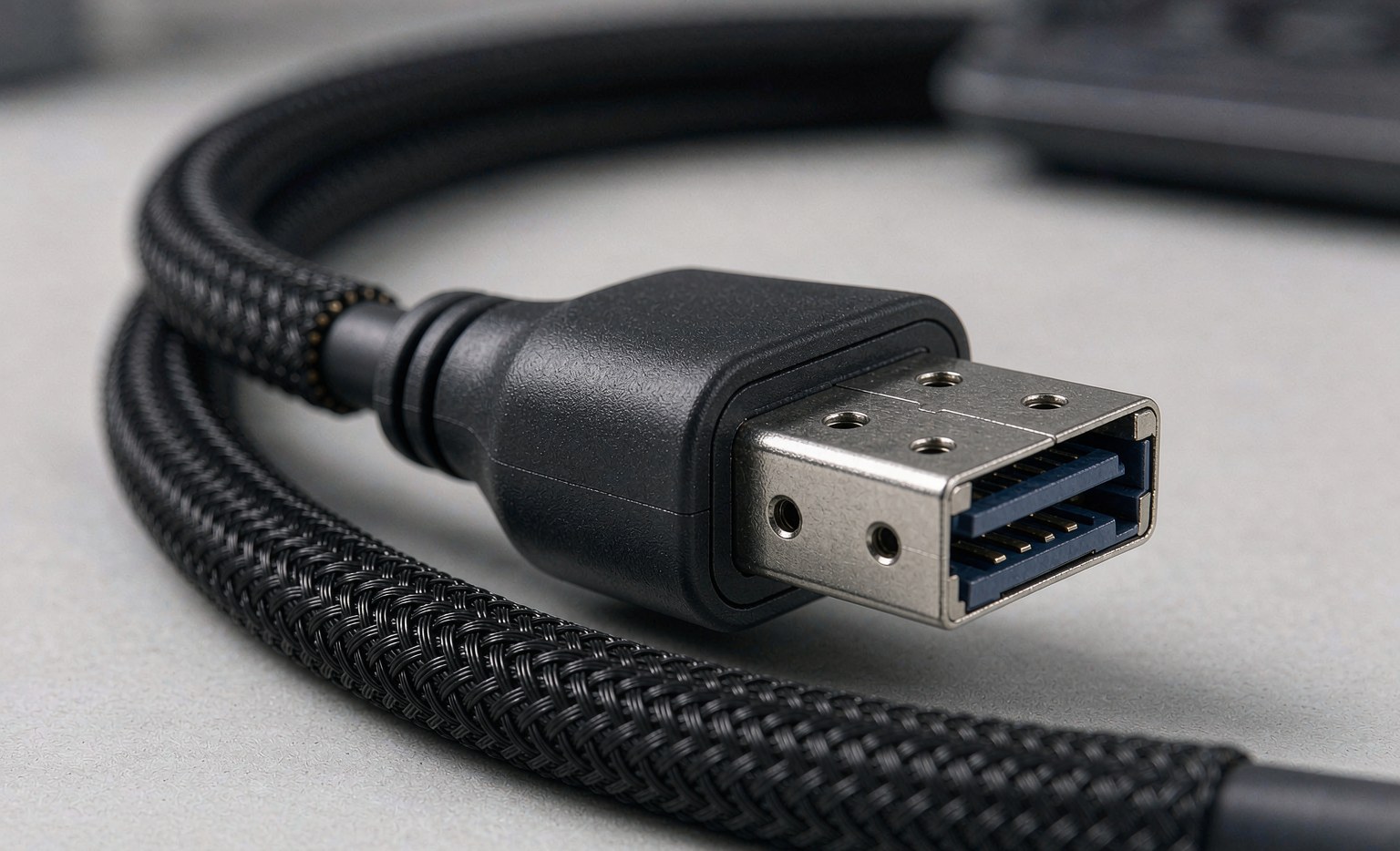
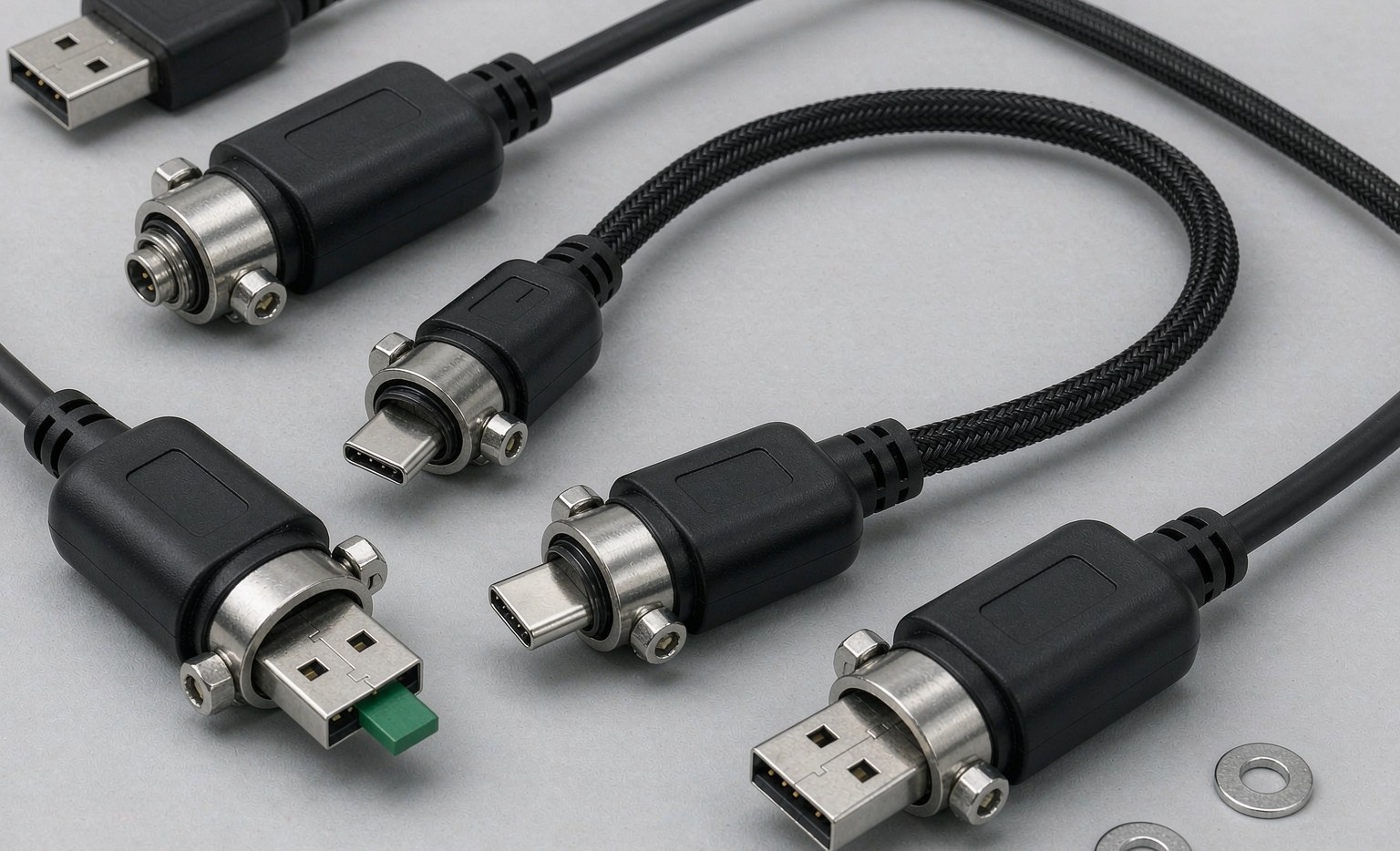
- Connectivity in Motion: These are not static connections. They are part of a system that is constantly vibrating and moving. This makes features like the secure USB Cable locking mechanism not just a good idea, but an absolute necessity for ensuring the safety and reliability of the system.
Part II: The Industry 4.0 Revolution — The Rise of the Ruggedized Smart Cable
The vision of Industry 4.0 is the “smart factory”—a fully automated and interconnected environment where machines, sensors, and control systems communicate seamlessly to optimize production. This vision is creating the single largest market for advanced Industrial Cable solutions, a market where reliability is measured in years of uninterrupted, 24/7 operation in the most hostile environments imaginable.
The Sensory Network: More Than Just an Ethernet Cable
The foundation of the smart factory is a dense network of sensors monitoring every aspect of the production line. These sensors, cameras, and actuators must be connected to the network. While the protocol may be Ethernet, the physical cable required is a world away from a standard office ethernet cable.
- Extreme Environmental Resistance: An industrial Ethernet cable must have a jacket, often made of PUR (Polyurethane), that can withstand constant exposure to cutting oils, cleaning solvents, and welding sparks. It must be able to operate in temperatures ranging from freezing to extreme heat. For applications with moisture, connectors with a certified IP67 rating for waterproof performance are mandatory.
- Unwavering EMI Protection: The factory floor is an electrical battlefield, with powerful motors and variable frequency drives (VFDs) generating intense electromagnetic interference (EMI). An Industrial Cable for networking must feature a robust combination of foil and braid shielding to protect the data signal from this noise, preventing corrupted data packets and network dropouts.
The Robotic Nervous System: The Wire Harness as a Dynamic Component
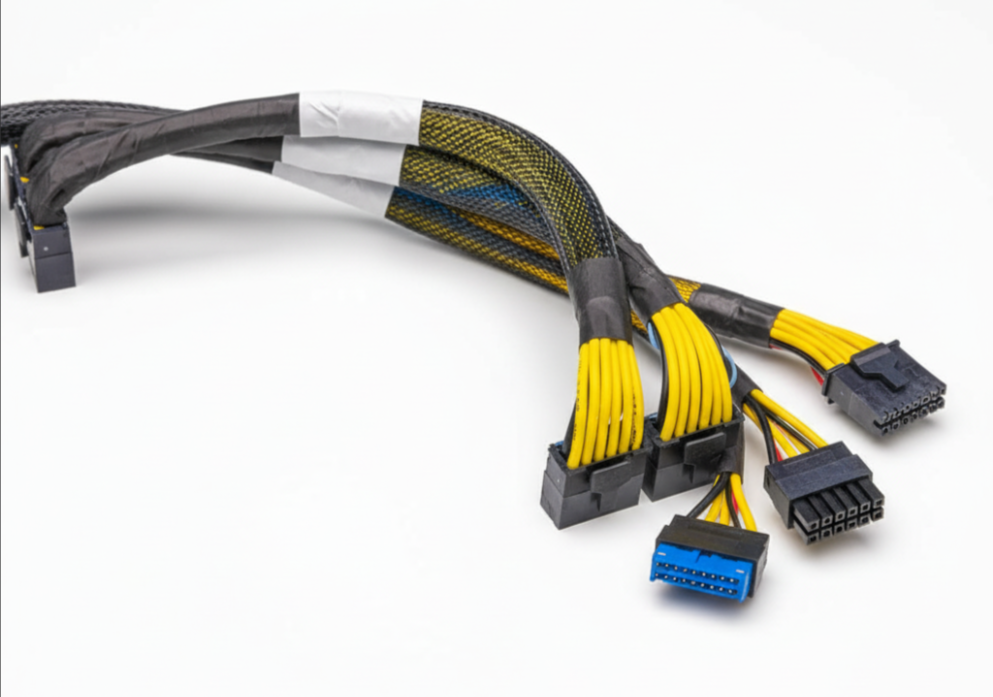
In a modern factory, robots are ubiquitous. The complex bundle of cables that powers a robotic arm and carries its control signals—the Wire Harness—is not a static component. It is a dynamic part of the machine, constantly flexing, twisting, and moving, millions of times over its lifespan. The design and manufacturing of this harness are a highly specialized engineering discipline.
-
- High-Flex-Life Design: Every component of the harness, from the conductors to the insulation and jacket, must be made from materials specifically chosen for their ability to withstand repeated bending without fatiguing and breaking.
–Custom-Engineered for the Application: A robotic harness is a bespoke creation, designed to fit the exact contours of the robot. It integrates power, data, and even pneumatic lines into a single, protected assembly, with connectors and breakout points positioned for perfect integration. This level of customization is the hallmark of an advanced OEM/ODM manufacturing partnership.
Part III: The Intelligent Power Paradigm — More Than Just a Charge
For decades, the cable that delivered power and the cable that delivered data were two separate things. The rise of new standards like USB Power Delivery (PD) and Power over Ethernet (PoE) has shattered this distinction. The modern cable is now expected to deliver both high-speed data and high-wattage, intelligent power. This convergence is creating new opportunities and new technical challenges.
USB-C and U4: The Universal Conduit
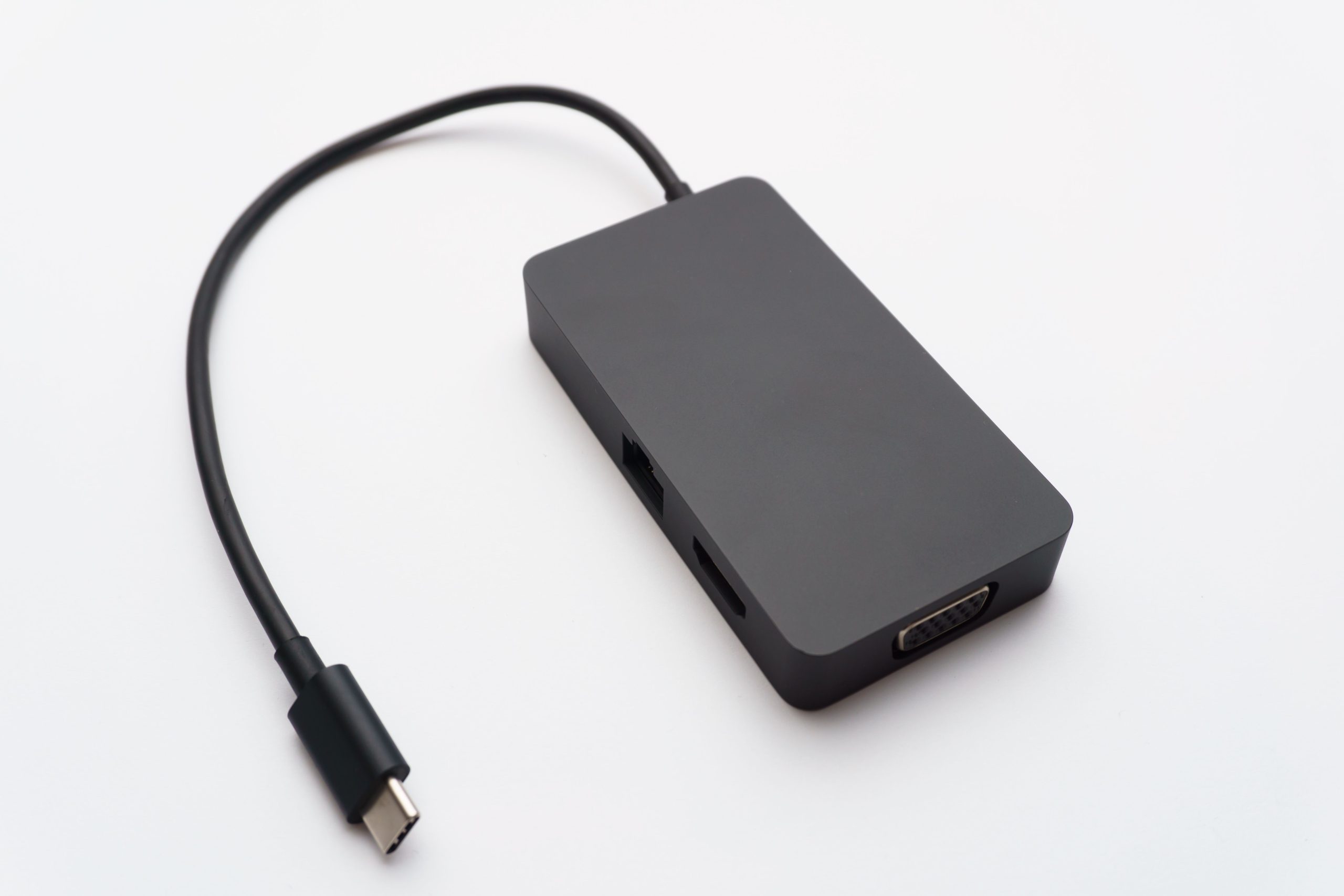
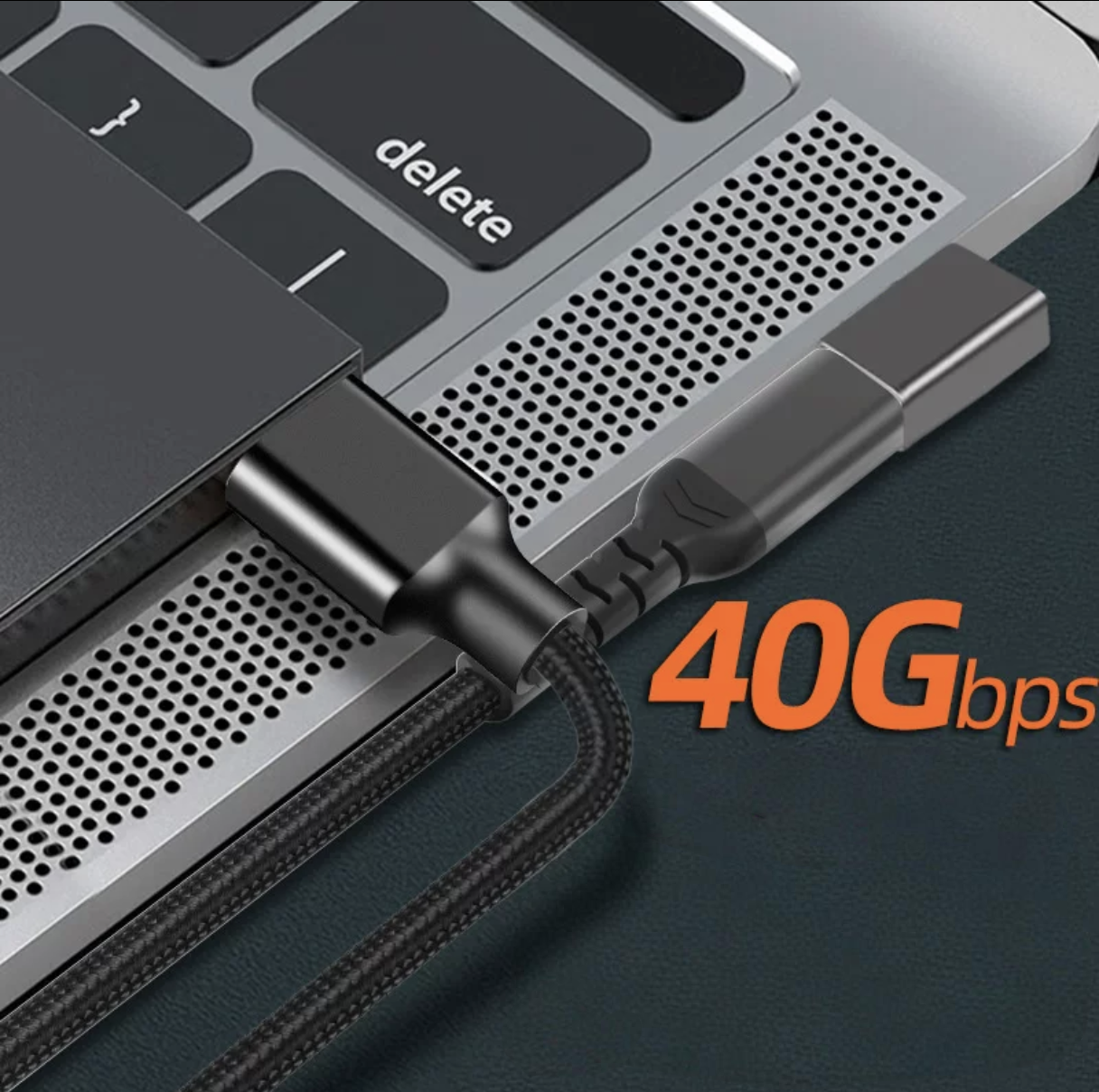
The U4 Cable, delivered through the versatile Type C-Cable connector, is the pinnacle of this convergence. The USB PD 3.1 standard allows a single, certified U4 cable to deliver up to 240 watts of power. This is enough to power a large 4K monitor or charge a high-performance workstation laptop. The “intelligent” part of this equation is the communication protocol: the cable’s internal e-marker chip communicates its capabilities to the devices, and the devices negotiate the optimal voltage and current. This is a far cry from the simple, “dumb” power adapters of the past.
This capability is critical for the future of mobile and flexible computing. A professional can now have a true “single-cable” docking solution, where one connection provides power, drives multiple displays, and connects to high-speed peripherals. But this convenience comes with a stringent quality requirement. A poorly made cable that attempts to carry 240W is not just a performance risk; it is a significant safety and fire hazard.
The Future of Power over Ethernet (PoE)
In the industrial and smart building space, the latest PoE standards (IEEE 802.3bt) can now deliver up to 90-100 watts of power over a standard Ethernet cable. This is enough to power not just IP cameras and phones, but also high-intensity LED lighting, digital signage, and even small workstations. This simplifies installation dramatically by eliminating the need for separate electrical wiring. However, it also places immense thermal stress on the cable. A high-power PoE cable must be specifically designed with a higher grade of copper (e.g., 22AWG) and a higher temperature rating to dissipate the heat generated by carrying that much current, another example of how the physical cable itself is becoming a more sophisticated and critical component.
Part IV: The Manufacturing Imperative — Building the Future, One Connection at a Time
The future we have described—a world of intelligent, autonomous, and ruggedized systems—is not a distant dream; it is actively being built today. However, this future is entirely dependent on a manufacturing ecosystem that can produce the advanced connectivity solutions required to make it a reality. The transition from a commodity cable manufacturer to a high-tech solutions provider is the most significant trend in the industry today.
Building the cables of the future requires a new level of capability:
-
- Deep Material Science Expertise: The ability to work with a vast portfolio of advanced polymers, alloys, and insulating materials is no longer optional. A manufacturer must be a materials expert, able to select and process the perfect combination of materials for any given application.
- Investment in Advanced Automation and Robotics: The precision required to build a SlimSAS Cable that can handle PCIe 6.0 signals, or to assemble a high-reliability robotic Wire Harness, is beyond the limits of manual assembly. It requires state-of-the-art automated equipment for stripping, crimping, twisting, and testing.
–A Culture of Zero-Defect Quality Control: When a cable failure can have catastrophic safety or financial consequences, a “good enough” approach to quality is unacceptable. A world-class manufacturer must have a culture of zero-defect quality, underpinned by a rigorous, multi-layered testing protocol that verifies the performance of every single assembly that leaves the factory.
–Collaborative OEM/ODM Partnership: The cables of the future will be increasingly custom-designed for their specific applications. Manufacturers must be able to act as true engineering partners, working with their clients from the initial design and prototyping phase all the way through to mass production and lifecycle management.
This is the model that Longkai Electronics has been building since its founding in 2012. Our integrated approach to R&D and manufacturing, our deep expertise in both enterprise and industrial connectivity, and our unwavering commitment to certified quality are precisely what the future of the industry demands. Our partnerships with over 100 global technology leaders are a testament to our ability to deliver not just products, but the foundational components of the next technological revolution.
Conclusion: The Nervous System of a New World
The trajectory of technology is clear. We are building a world that is more intelligent, more automated, and more interconnected than ever before. In this new world, the physical connectivity layer is being elevated from a simple commodity to the critical, high-performance nervous system that enables it all. The challenges are immense, but so are the opportunities.
The future will not be defined by the device with the fastest processor, but by the system with the most reliable and efficient connections. The demand for intelligent power, ruggedized performance, and extreme bandwidth will continue to accelerate, forging a new generation of advanced cables and connectors that are smarter, tougher, and faster than anything that has come before. The interconnect is no longer an afterthought; it is the blueprint for the future, and its architects will be the manufacturers with the vision, expertise, and unwavering commitment to quality required to build the connections of tomorrow.