
Introduction: The Quest for a Universal Connection
In the history of personal computing, few technologies have achieved the universal adoption and transformative impact of the Universal Serial Bus (USB). Before its arrival, connecting peripherals to a computer was a chaotic exercise in navigating a sea of different ports: serial for mice, parallel for printers, and proprietary connectors for everything else. USB was born from a simple yet revolutionary idea: to create a single, easy-to-use interface that could connect everything. Today, that vision has been realized beyond its creators’ wildest dreams, with the USB port being an indispensable feature on virtually every electronic device.
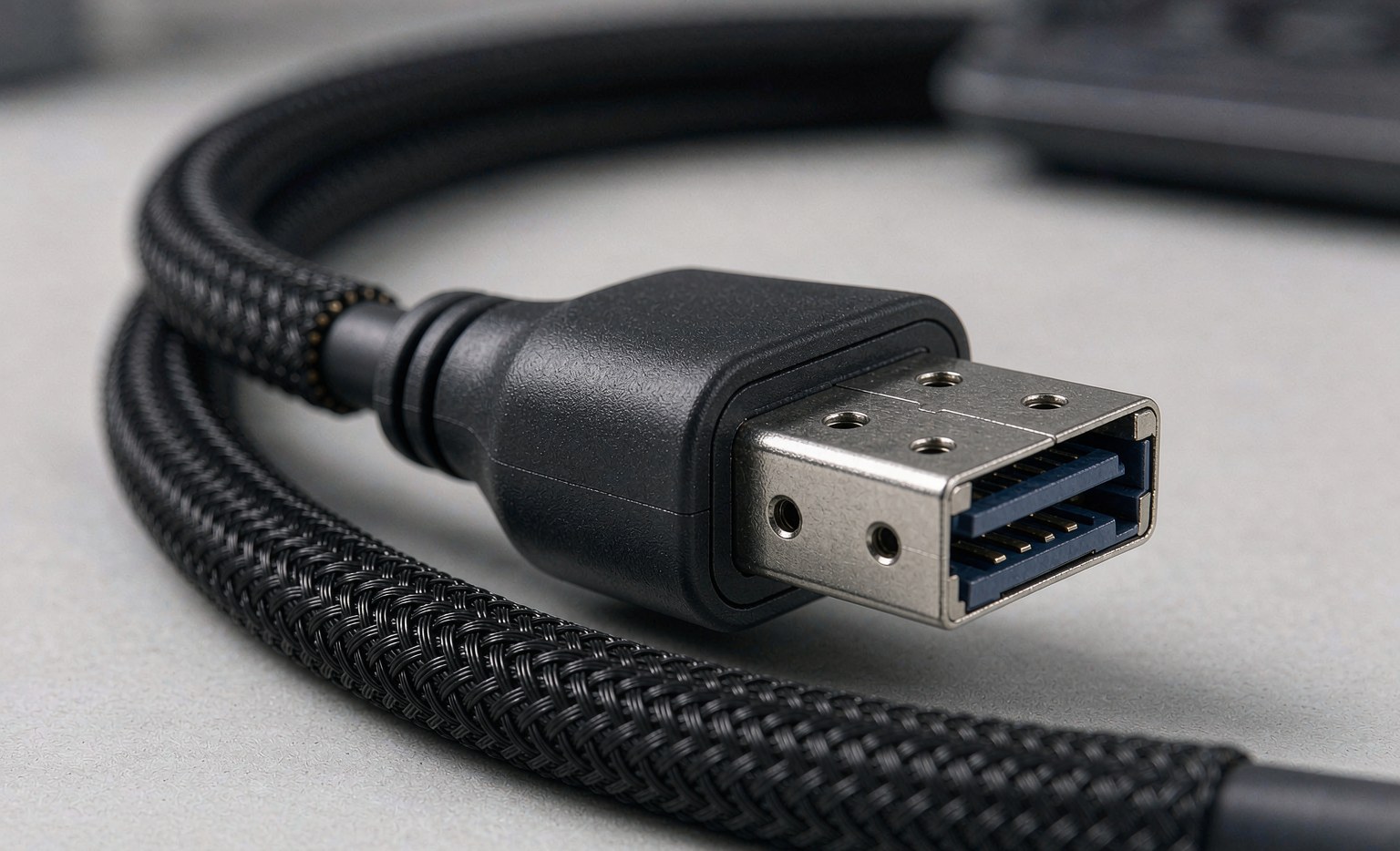
However, the USB of today is a world away from the humble port that debuted in the late 1990s. Its journey has been one of relentless evolution, driven by the ever-increasing demands for faster data transfer, more efficient power delivery, and greater versatility. This evolution has taken us from the foundational USB2.0 Cable to the all-encompassing U4 Cable, which channels the power of Thunderbolt through the versatile Type C-Cable connector. Understanding this evolution is key to appreciating the technology we use every day and to making informed decisions about the cables that connect our digital lives.
This article will trace the pivotal moments in the development of the USB standard, exploring how each generation solved the challenges of its time and paved the way for the next. We will see how a simple data cable transformed into a conduit for data, video, and high-wattage power, and why the quality of its construction—a hallmark of an expert manufacturer like Longkai Electronics—has become more critical with each leap in performance.
The Foundation: USB 2.0 Establishes a Global Standard
While USB 1.1 was the first to market, it was USB 2.0, released in 2000, that truly cemented the standard’s dominance. Its key achievement was a massive leap in speed, offering a “High-Speed” transfer rate of 480 Mbps. This was over 40 times faster than its predecessor and was the breakthrough needed to make external hard drives, webcams, and scanners practical for the average consumer.
The success of USB 2.0 was built on several key pillars:
- Sufficient Speed: For nearly a decade, 480 Mbps was enough for the vast majority of consumer tasks, from transferring photos from a digital camera to printing documents.
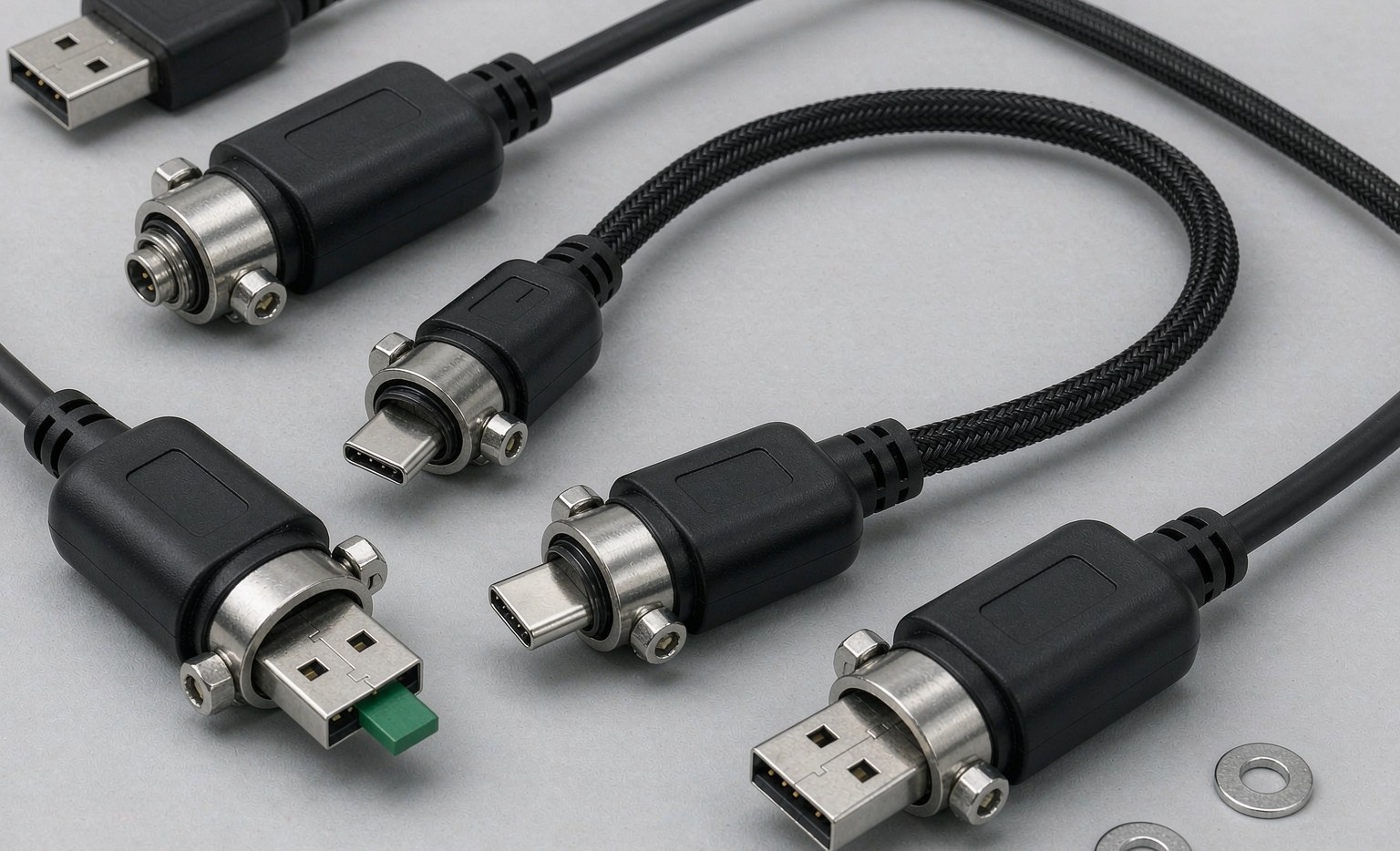
- A Family of Connectors: The USB 2.0 era standardized the connector types we are still familiar with: the flat, rectangular USB A cable for hosts (computers), the square USB B cable for larger devices like printers, and the smaller Mini USB cable and Micro USB cable for portable electronics.
- Plug-and-Play Simplicity: USB eliminated the need for complex driver installations and system reboots. Devices were recognized automatically, making technology far more accessible.
- Basic Power: It could deliver up to 2.5W of power, enough to charge small devices like MP3 players and run simple peripherals without a separate power adapter.
The USB2.0 Cable became the very definition of a universal data cable, creating a global standard that simplified connectivity for billions of users and devices.

The Need for Speed: The Arrival of USB 3.0
As digital technology progressed into the high-definition era, the limitations of USB 2.0 became apparent. File sizes for HD videos, high-resolution photos, and complex software began to swell, and transferring gigabytes of data at 480 Mbps became a test of patience. The industry needed a faster pipeline. The answer was USB 3.0, introduced in 2008 and later re-branded as USB 3.1 Gen 1.
The USB3.0 Cable introduced the “SuperSpeed” protocol, which was a monumental step forward:
- A Tenfold Speed Increase: USB 3.0 offered a maximum theoretical speed of 5 Gbps, over ten times faster than USB 2.0. This transformed workflows, reducing the time to transfer a feature-length HD movie from over 15 minutes to under a minute.
- More Advanced Architecture: This speed was achieved by adding more internal wires, allowing for full-duplex communication (data could be sent and received simultaneously). To differentiate them, usb 3 cable ports and connectors were typically colored blue.
- Backward Compatibility: Crucially, the USB-A connector was designed to be backward compatible. You could plug a USB 2.0 device into a USB 3.0 port (and vice versa), ensuring a smooth transition for the entire ecosystem.
USB 3.0 was essential for unlocking the performance of new technologies like external solid-state drives (SSDs) and set a new benchmark for data transfer that would serve as the foundation for the next decade of innovation.
The Game Changer: The USB Type-C Connector
For all their success, USB-A and its smaller variants had a persistent, frustrating flaw: they were not reversible. The introduction of the Type C-Cable in 2014 solved this issue, but its significance went far beyond a reversible plug. The Type-C connector was not just a new shape; it was a platform designed for future expansion.
Key features that made the USB C Cable a revolutionary connector include:
-
- Reversible Design: The 24-pin symmetrical connector can be plugged in either way, eliminating a long-standing user annoyance.
- Compact and Robust: It is small enough for a smartphone yet durable enough for a laptop, allowing it to become a truly universal port for devices of all sizes.
–High-Speed Design: The connector was engineered from the ground up to support much higher data rates and more power than any previous USB standard.
- Support for Alternate Modes: This is its most powerful feature. The pin configuration of the Type-C connector allows it to carry non-USB signals, effectively turning it into a multi-purpose port.
Unleashing True Potential: Power Delivery and DisplayPort
The Type-C connector was the vehicle, but new specifications provided the engine. The two most important were USB Power Delivery (PD) and DisplayPort Alternate Mode.
- USB Power Delivery (PD): This technology transformed device charging. Instead of the fixed, low wattage of older standards, USB PD allows for intelligent, high-wattage charging up to 240W. This means a single usb-c charging cable can power everything from a phone to a high-performance laptop. It also allows for bidirectional charging, so a monitor could power a connected laptop, for example.
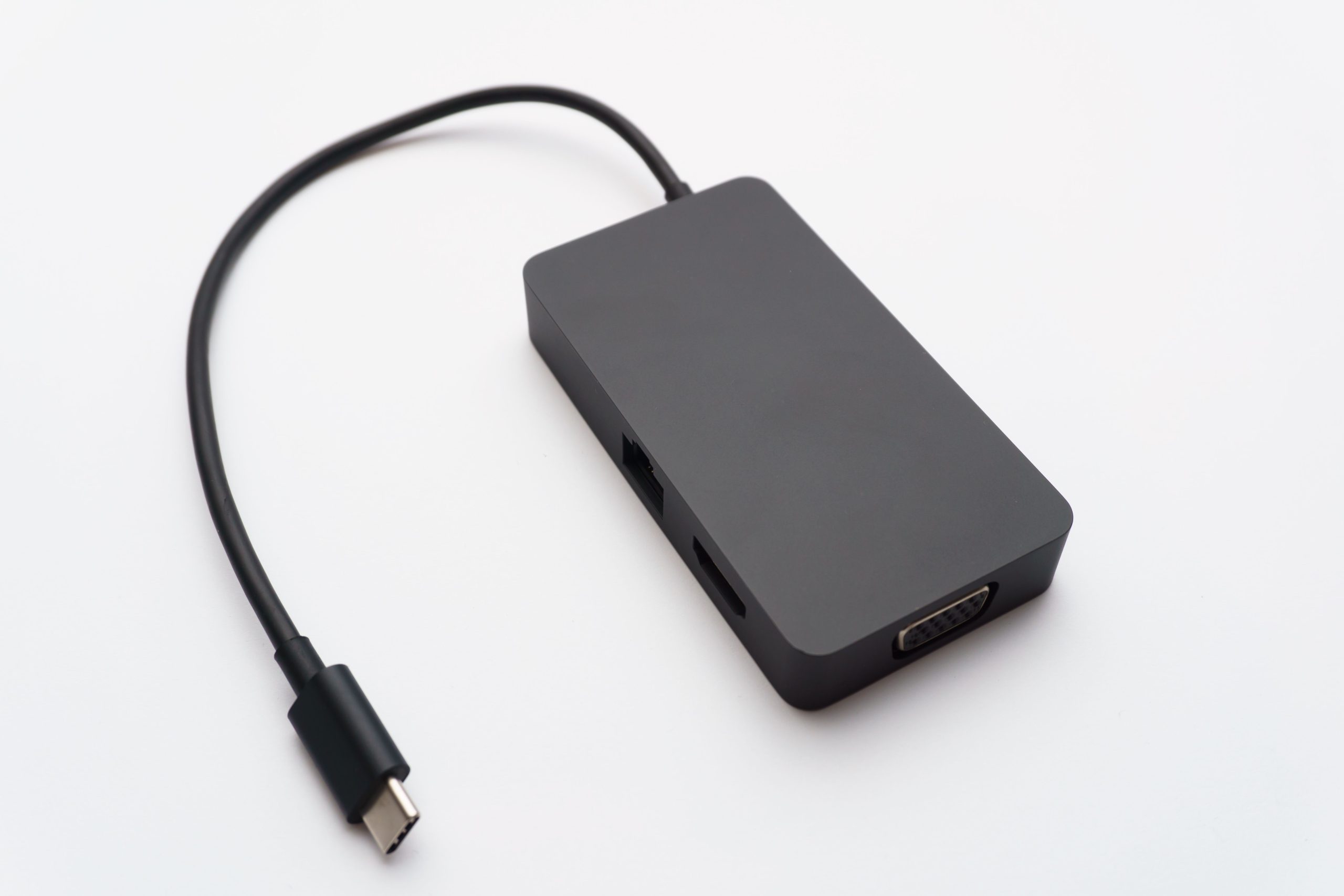
- DisplayPort Alternate Mode: This allows a usbc to usbc cable to carry a native DisplayPort video and audio signal. This effectively turned the Type-C port into a video-out port, capable of driving 4K and even 8K displays without needing a separate, dedicated DisplayPort Cable. This feature was instrumental in the trend towards thinner laptops with fewer ports.
The Pinnacle of Performance: USB4 (U4) and Thunderbolt Unification
The final stage in this evolution is the current flagship standard: USB4, often marketed as U4. The groundbreaking aspect of the U4 Cable is that it is built upon the Thunderbolt 3 protocol, which Intel contributed to the USB Promoter Group. This move unified the two leading connectivity standards into one powerful, royalty-free specification for all manufacturers.
A certified U4 or thunderbolt 4 cable represents the peak of modern connectivity:
- 40 Gbps Bandwidth: It offers the same massive 40 Gbps top speed as Thunderbolt, providing enough bandwidth for the most demanding professional workflows, including multi-stream 8K video editing and high-speed storage arrays.
- Dynamic Bandwidth Sharing: U4 intelligently tunnels all data and video streams over its single high-speed link. Unlike older standards, it allocates bandwidth in real-time, ensuring that no performance is wasted.
- Universal Compatibility: A U4 port is the most versatile port ever created. It is fully backward compatible with USB 3.2, USB 2.0, and, importantly, Thunderbolt 3 devices.
The journey from a 480 Mbps data port to a 40 Gbps unified interface capable of handling data, video, and power is a testament to the forward-thinking design of the USB standard.
The Critical Role of Quality Manufacturing in the USB Ecosystem
As the speed, power, and complexity of the USB standard have increased, so too have the demands on the physical usb cables. A cable is no longer a simple set of wires. A high-performance U4 cable is a sophisticated piece of engineering that must maintain perfect signal integrity at extremely high frequencies. A high-wattage USB PD charging cable must be built with the correct wire gauge and safety features to prevent overheating and fire hazards.
This is why the quality of manufacturing is non-negotiable. At Longkai Electronics, we have built our reputation since 2012 by adhering to the strictest quality standards. Our deep expertise in the USB ecosystem is backed by a scientific quality management system and certifications like ISO9001, CE, and FCC. We understand that to deliver the full promise of a standard like U4, every component of the cable, from the copper purity to the connector plating, must be perfect. This commitment to quality is why industry leaders trust us to manufacture the critical connections that power their products.
Conclusion: A Legacy of Connection, A Future of Possibilities
The evolution of USB is a remarkable story of technological progress. It has grown from a convenient solution for peripheral clutter into the central nervous system for our digital devices—a single, universal port that delivers unparalleled speed and versatility. The journey from the humble USB 2.0 to the powerhouse U4 standard, all culminating in the elegant Type-C connector, has fundamentally shaped the world of technology.
As we move i