Introduction: The Architecture of Speed
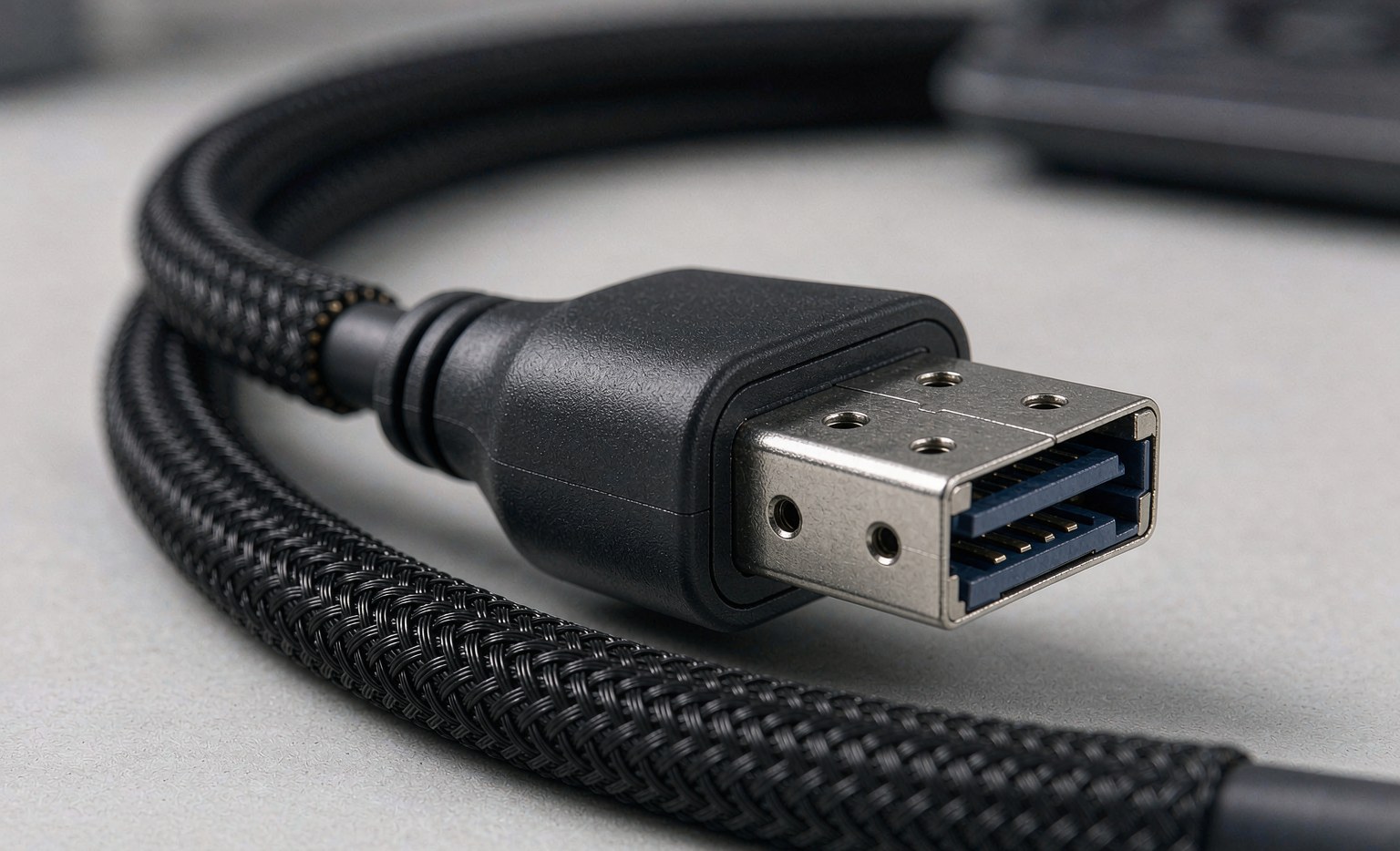
In the high-stakes world of data center architecture, performance is often measured in throughput and latency. However, achieving the blistering speeds promised by modern NVMe storage and PCIe 5.0 interfaces requires more than just fast drives and powerful processors. It requires a physical infrastructure capable of carrying these high-frequency signals without degradation. This brings the focus squarely onto the Internal Cable assemblies that act as the nervous system of the server.
For years, the industry relied on a standard set of connectors, but the relentless push for higher density and faster transfer rates—driven by AI, cloud computing, and big data—has forced an evolution. We have moved from the robust utility of the classic MINI SAS to the ultra-compact, high-speed capabilities of SlimSAS and OCUlink. For system architects and server builders, understanding the distinctions between these standards is crucial. The choice of cabling now directly impacts not just bandwidth, but also thermal management (airflow) and the physical layout of the server chassis.
This guide provides a technical deep dive into the evolution of internal connectivity. We will examine the transition from legacy SAS connectors to modern PCIe-based solutions, highlighting the specific advantages of SlimSAS Cable and OCUlink Cable technologies, and discussing why manufacturing precision is non-negotiable in this high-frequency era.
The Legacy Workhorse: Mini SAS and HD Mini SAS
To understand where we are, we must look at the foundation. Serial Attached SCSI (SAS) has been the dominant protocol for enterprise storage for nearly two decades. The connectors developed for this standard prioritized reliability and secure retention.
Mini SAS (SFF-8087)
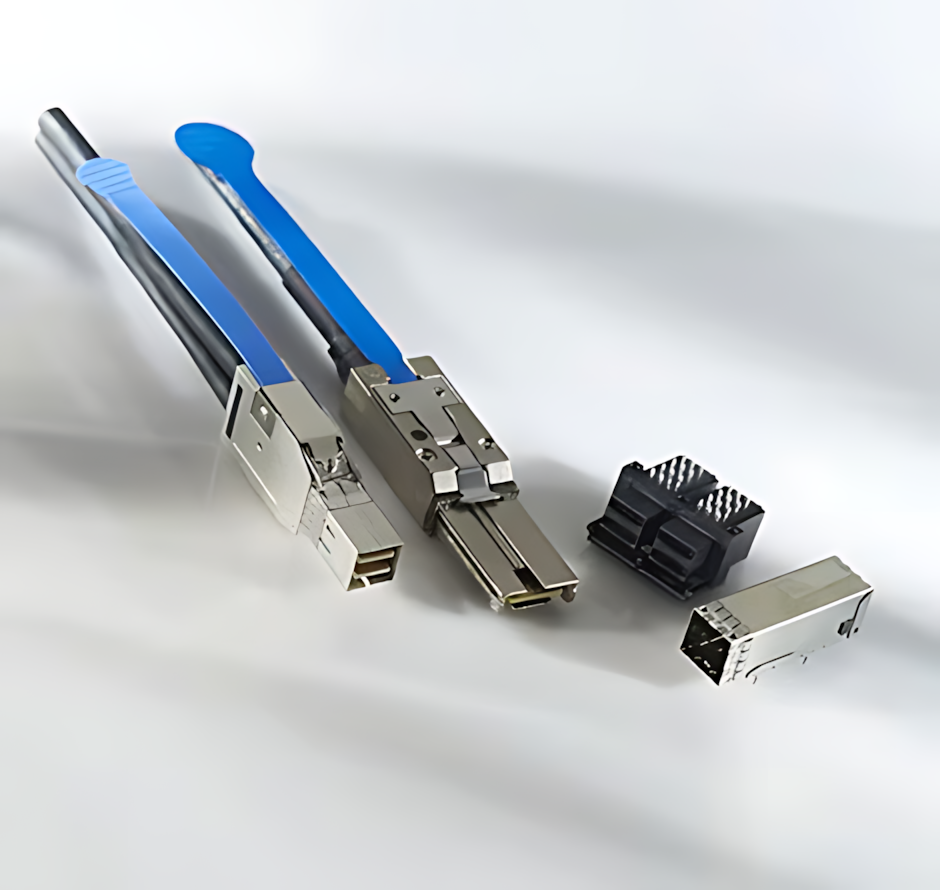
The original internal Mini SAS connector, known as SFF-8087, was the standard for 6 Gbps SAS implementations. It effectively consolidated four physical links into a single, latching connector. While revolutionary at the time for reducing cable clutter compared to SATA, its large physical size became a limitation as server density increased.
HD Mini SAS (SFF-8643)
With the advent of 12 Gbps SAS (SAS-3), the industry introduced the High Density (HD) Mini SAS connector, or SFF-8643. This connector reduced the footprint significantly, allowing for more ports on a RAID card or Host Bus Adapter (HBA). A high-quality MiniSAS Cable using this standard is still the backbone of many storage servers today, perfectly capable of handling traditional hard drive arrays and SATA SSDs.
However, as the industry began pivoting toward NVMe storage, which uses the PCIe bus rather than the SAS protocol, the electrical limitations of the SFF-8643 connector regarding signal integrity at very high frequencies (like those required for PCIe 4.0) became apparent.
The High-Density Revolution: SlimSAS (SFF-8654)
As protocols shifted from 12 Gbps to 24 Gbps (SAS-4) and PCIe speeds doubled from Gen 3 to Gen 4, a new connector was required. It needed to be smaller to fit into crowded 1U servers and electrically superior to handle the noise sensitivity of high-speed signaling. The solution was SlimSAS.
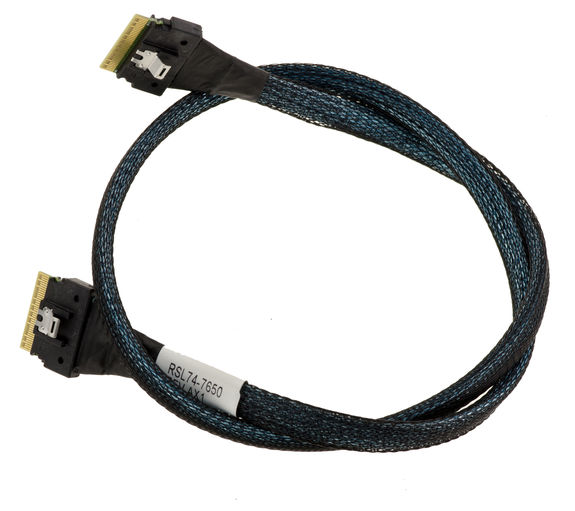
The SlimSAS Cable (SFF-8654) represents a significant leap forward in internal connectivity design:
- Ultra-Low Profile: With a connector pitch of just 0.6mm, SlimSAS is significantly smaller than HD Mini SAS. This reduction in size is critical for modern “hyper-converged” infrastructure, where maximizing the number of drives and expansion cards in a small chassis is essential.
- Protocol Agnostic: While it carries the “SAS” name, SlimSAS is a multi-protocol champion. It is widely used to carry PCIe 4.0 and PCIe 5.0 signals directly from the motherboard to NVMe backplanes.
- Improved Signal Integrity: The design of the connector and the cable termination minimizes “crosstalk” (interference between wires). This allows data to travel reliably at speeds of 24 Gbps and beyond, which is necessary to unlock the full potential of modern NVMe drives.
OCUlink: The Dedicated PCIe Interconnect
While SlimSAS evolved from the storage world, OCUlink (Optical Copper Link, or SFF-8611) was developed by the PCI-SIG specifically as an extension of the PCIe slot. It was designed from the ground up to be the standard for “PCIe over cable.”
The OCUlink Cable offers specific advantages for high-performance computing:
- Native PCIe Support: Because it was optimized for PCIe, OCUlink is extremely efficient at connecting the CPU directly to high-speed peripherals. It is commonly used to connect internal NVMe storage backplanes or to bridge connections to riser cards for GPUs.
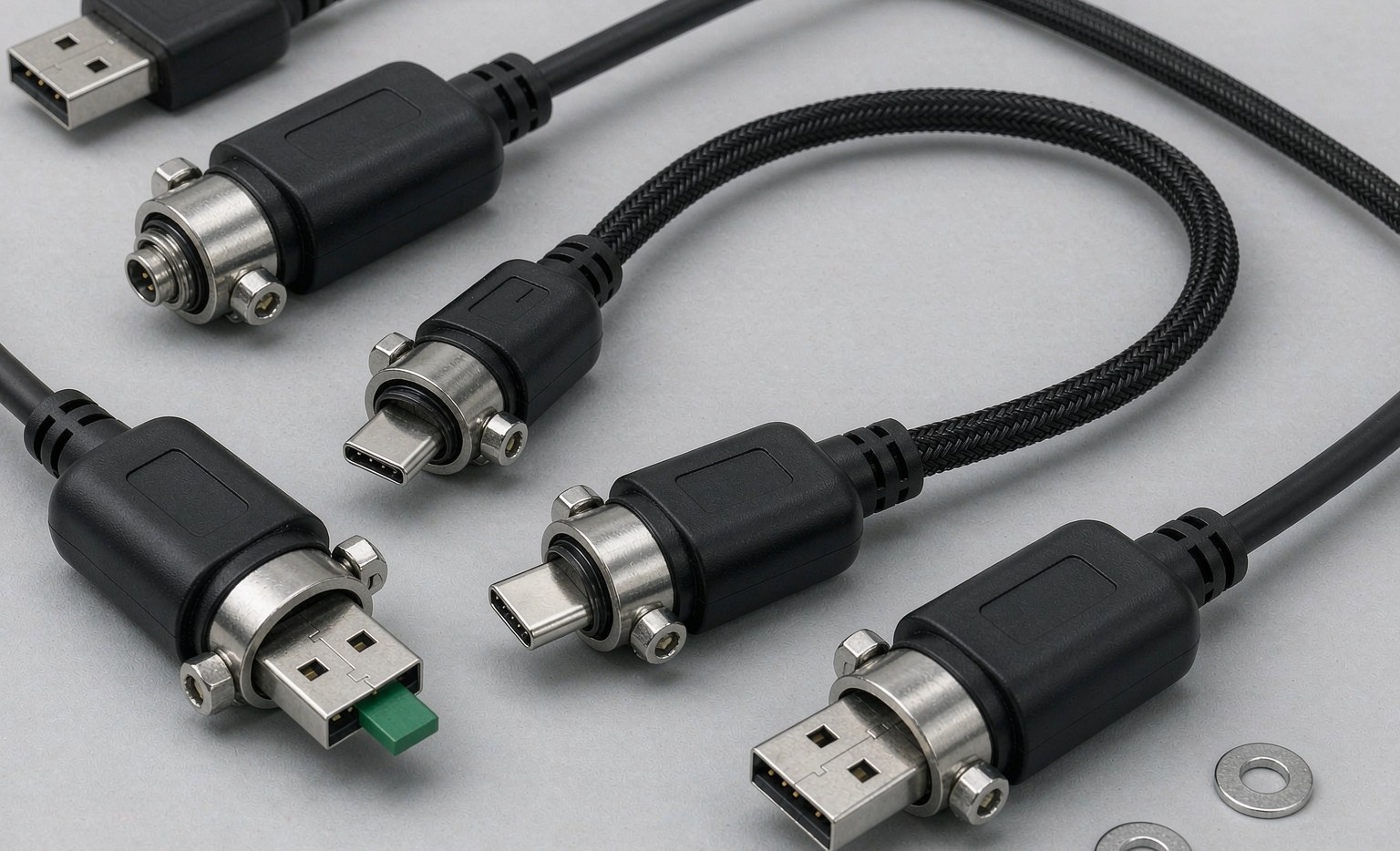
- Compact Design: Like SlimSAS, OCUlink is very compact. It features a robust metal latching mechanism that ensures a secure connection even in high-vibration environments.
- External Capabilities: Unlike Mini SAS, which requires different connectors for internal and external use, the OCUlink standard was designed with external cabling (pcie cable) in mind, allowing for the creation of external GPU docks or high-speed storage arrays.
Thermal Management: The Hidden Role of Cabling
In a densely packed server, airflow is critical. The CPU and GPUs generate immense heat, and fans must push cool air through the chassis to keep them operating. Large, bulky cables act as “air dams,” blocking this airflow and creating hot spots that can lead to thermal throttling or component failure.
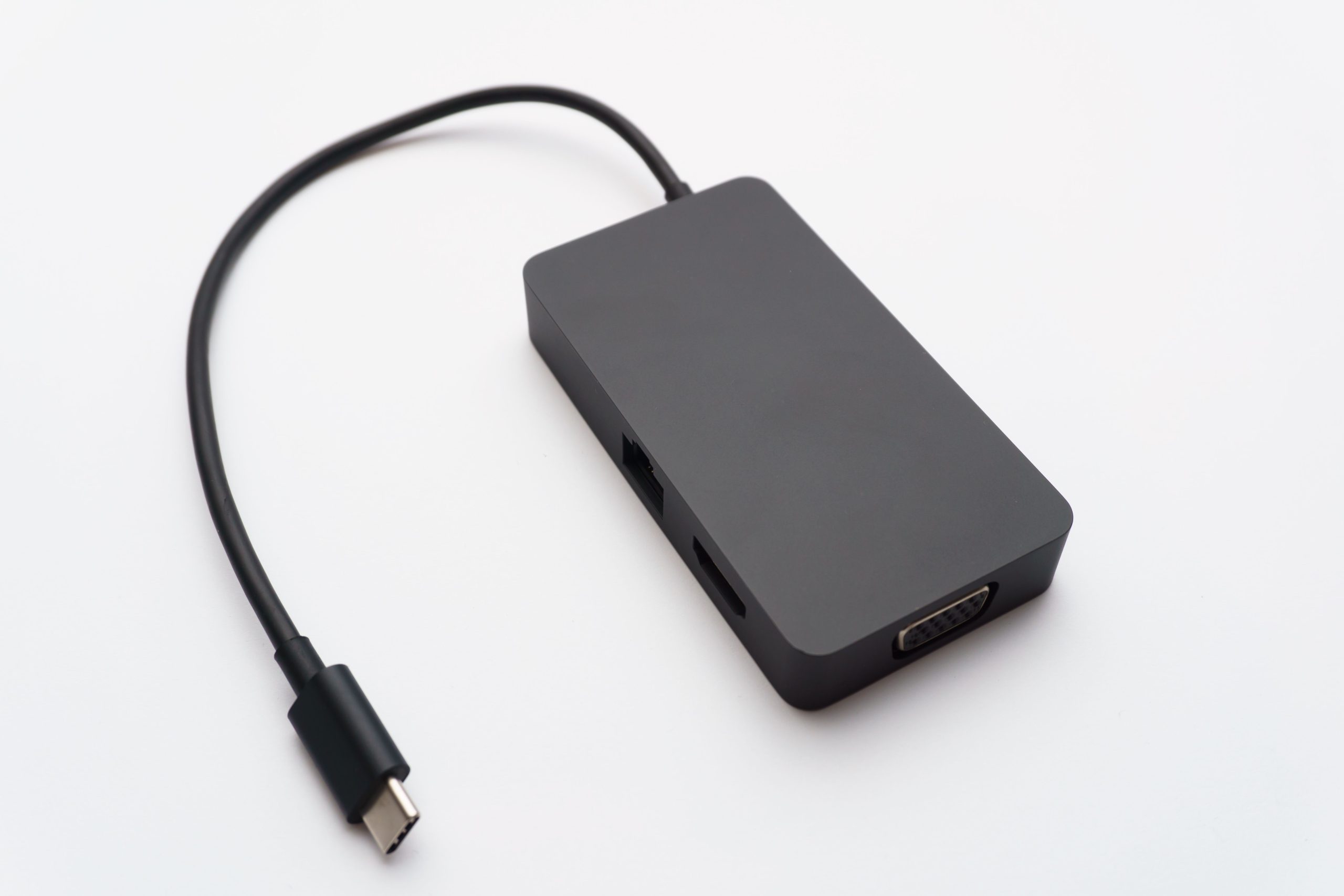
The shift to modern Communication cable standards like SlimSAS and OCUlink is not just about data speed; it is also about thermal efficiency. These connectors use thinner, flat-ribbon style cables that are easier to route along the sides of the chassis. A well-designed Cable Assembly allows for clean cable management, opening up clear channels for airflow. This seemingly minor detail contributes significantly to the overall energy efficiency and cooling performance of the data center.
The Manufacturing Challenge: Why Precision Matters
Transitioning from 6 Gbps to 32 Gbps (PCIe 5.0) changes the rules of manufacturing. At these high frequencies, a cable is no longer just a bundle of wires; it is a precision-tuned waveguide. Minor imperfections in the copper, slight variations in the twisting of the pairs, or poor soldering at the termination point can cause the signal to degrade, leading to data errors or reduced speeds.
This is why sourcing from an experienced manufacturer is critical. Longkai Electronics, established in 2012, has evolved alongside these standards. We understand the rigorous requirements of high-frequency manufacturing.
- Integrated Quality Control: Our manufacturing process integrates R&D and production, allowing us to maintain strict control over impedance matching and shielding effectiveness—two factors that kill performance in inferior cables.
- Certified Reliability: With ISO9001 and ISO14001 certifications, along with UL, CE, and FCC compliance, our internal cables are built to survive the rigorous 24/7 environment of enterprise data centers.
- Partner to the Giants: Our ability to meet these stringent standards has earned us partnerships with over 100 global brands, including Samsung, LG, and CATL. When these companies need to connect their critical infrastructure, they turn to Longkai.
Conclusion: Choosing the Right Interconnect for the Future
The evolution of internal server connectivity from Mini SAS to SlimSAS and OCUlink reflects the broader trend in the industry: a move towards higher density, faster speeds, and greater efficiency. For legacy storage systems, Mini SAS remains a reliable and cost-effective choice. However, for next-generation servers leveraging NVMe and PCIe 4.0/5.0, the advanced capabilities of SlimSAS and OCUlink are indispensable.
System architects must view cabling not as a commodity, but as a strategic component of the server design. By selecting the right standard and partnering with a manufacturer like Longkai Electronics that prioritizes engineering precision, organizations can ensure their infrastructure is built on a foundation of speed, reliability, and future-proof performance.